Macaron Texture Guide: What Makes Them Perfect?
Discover the secret to perfect macaron texture. Learn why your shells might be hollow or dry and how to achieve the ideal crisp-crunch-chew balance.
Ever wonder why some batches turn out flaky and others flat? Most of the time it’s not the recipe, it’s the technique. Below are no‑nonsense tips you can start using right away, whether you’re a beginner or have been in the kitchen for years.
Weight beats volume for a reason. A kitchen scale gives you the same amount of flour every time, eliminating the "packed" vs "sifted" dilemma. If you don’t have a scale, spoon flour into your measuring cup and level it off with a straight edge – never shake the cup. For sticky ingredients like honey or brown sugar, lightly spray the cup with cooking spray first; the substance will slide right out, giving you a true measure.
Liquid measurements are easier: use a clear glass with markings and check at eye level. Warm liquids (milk, butter) should be measured when they’re at the temperature the recipe asks for; a few degrees can change how much vapor rises during baking.
Over‑mixing is a silent cake killer. Once flour hits the wet mix, stop as soon as the batter looks smooth. For cookies, a brief hand‑mix before the dough rests lets gluten relax, making the final cookie tender. Speaking of rest, let dough chill for at least 30 minutes before shaping – it prevents spreading and improves flavor.Oven temperature matters more than you think. Use an oven thermometer; the dial can be off by 20‑30°C. If a recipe calls for “lower the temperature halfway,” set the timer and make the adjustment yourself – it’s more reliable than relying on the oven’s auto‑adjust feature.
Don’t forget the pan. Grease and flour works for many cakes, but parchment paper or a silicone mat gives a cleaner release and easier cleanup. For brownies, line the pan with foil and butter the foil; you’ll get a perfect edge without a sticky bottom.
Finally, let baked goods cool properly. A cake left on a hot pan will continue cooking and may sink. Transfer it to a wire rack as soon as you can, and let frosting sit until the cake is completely cool – this avoids a soggy crumb.
These simple changes add up. Measure accurately, mix briefly, respect temperature, and give your treats space to breathe. Try one tip at a time, note the difference, and soon you’ll have a toolbox of reliable tricks that make every bake a success.
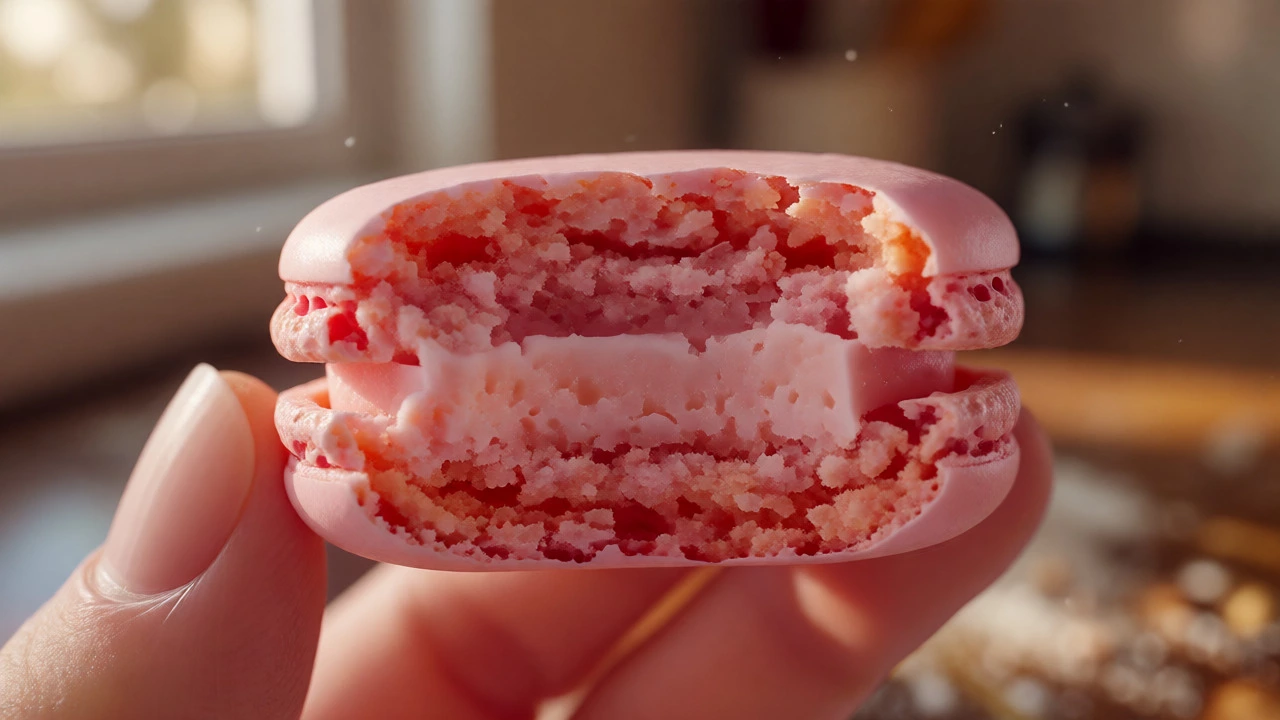
Discover the secret to perfect macaron texture. Learn why your shells might be hollow or dry and how to achieve the ideal crisp-crunch-chew balance.
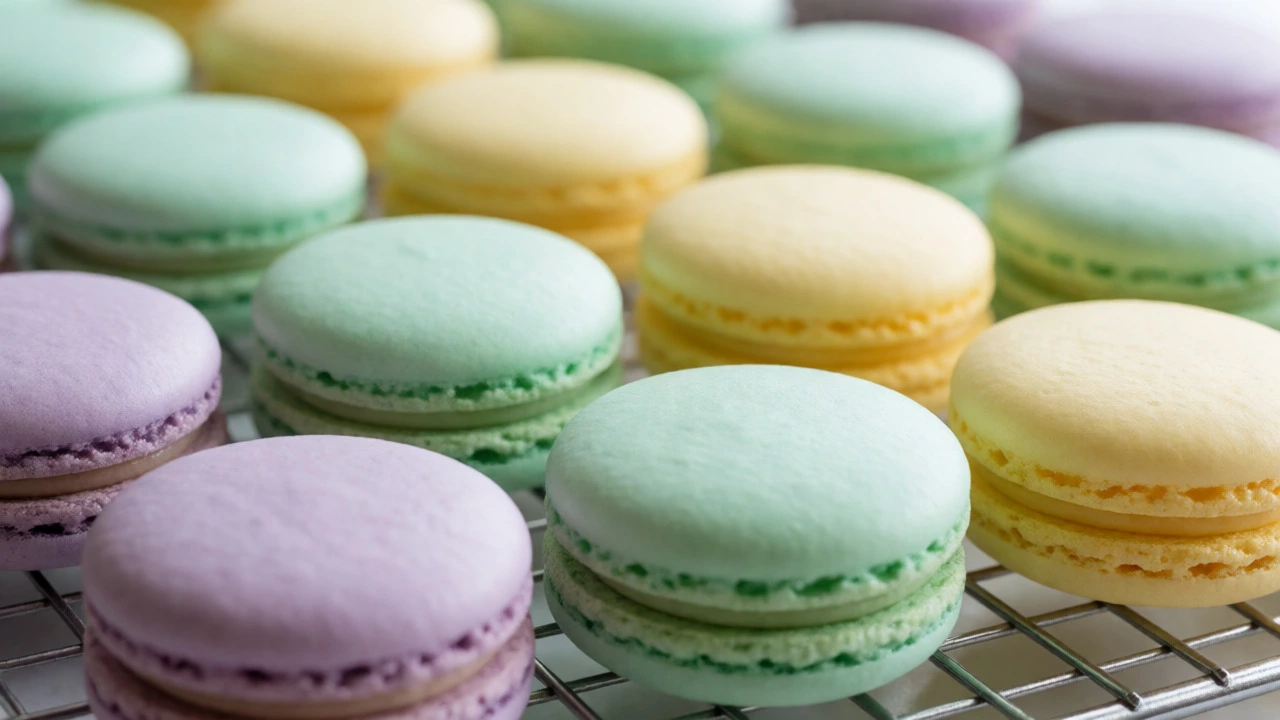
Discover the ideal macaron size for perfect texture and taste. Learn why 1.5 inches is the pro standard, how to pipe consistently, and adjust for fillings.
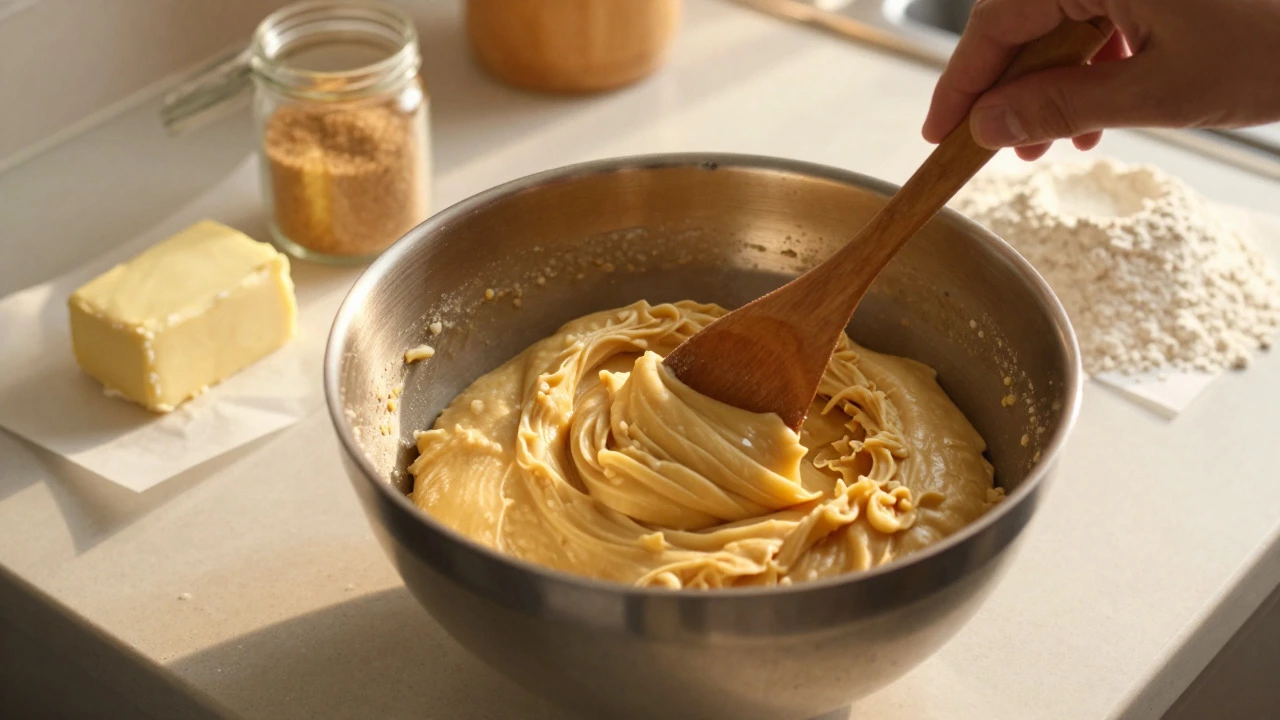
Master the four critical techniques for baking perfect homemade cookies. Learn how temperature control, chilling dough, mixing methods, and visual cues impact texture and taste.
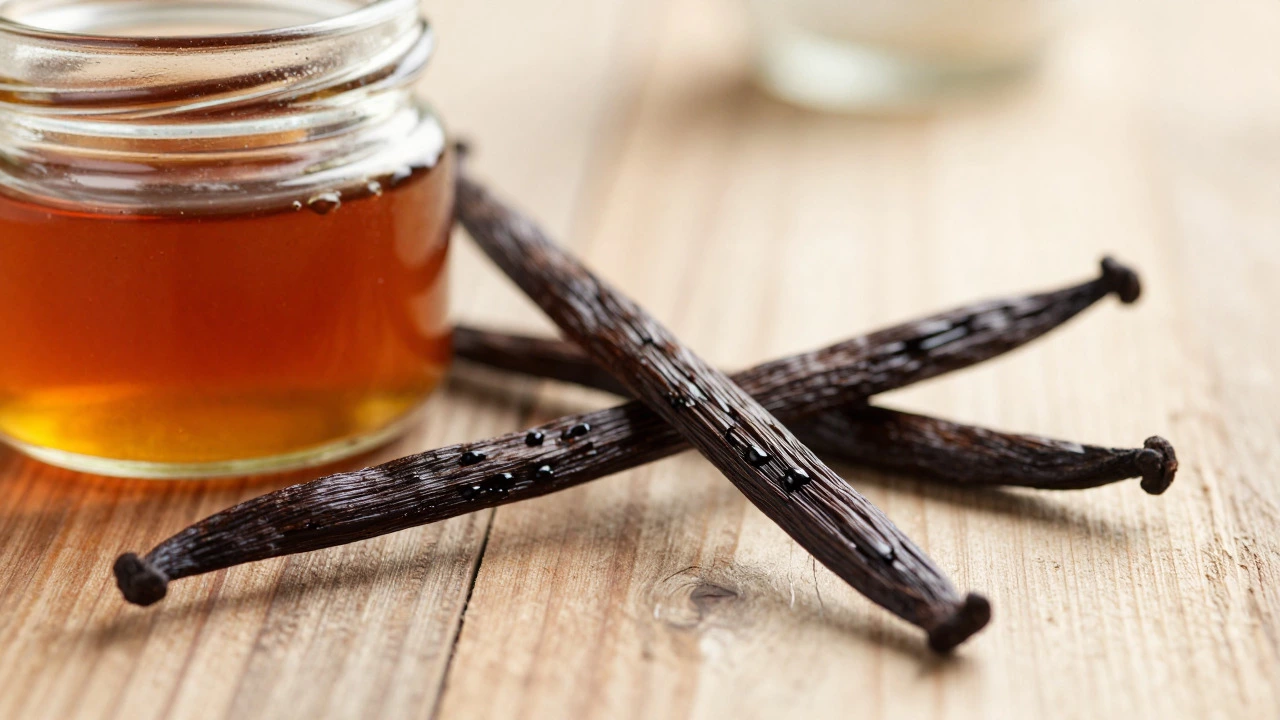
Learn how to bake pure vanilla cookies with real flavor. Discover the differences between extract, paste, and beans, plus a step-by-step recipe for authentic, aromatic treats.
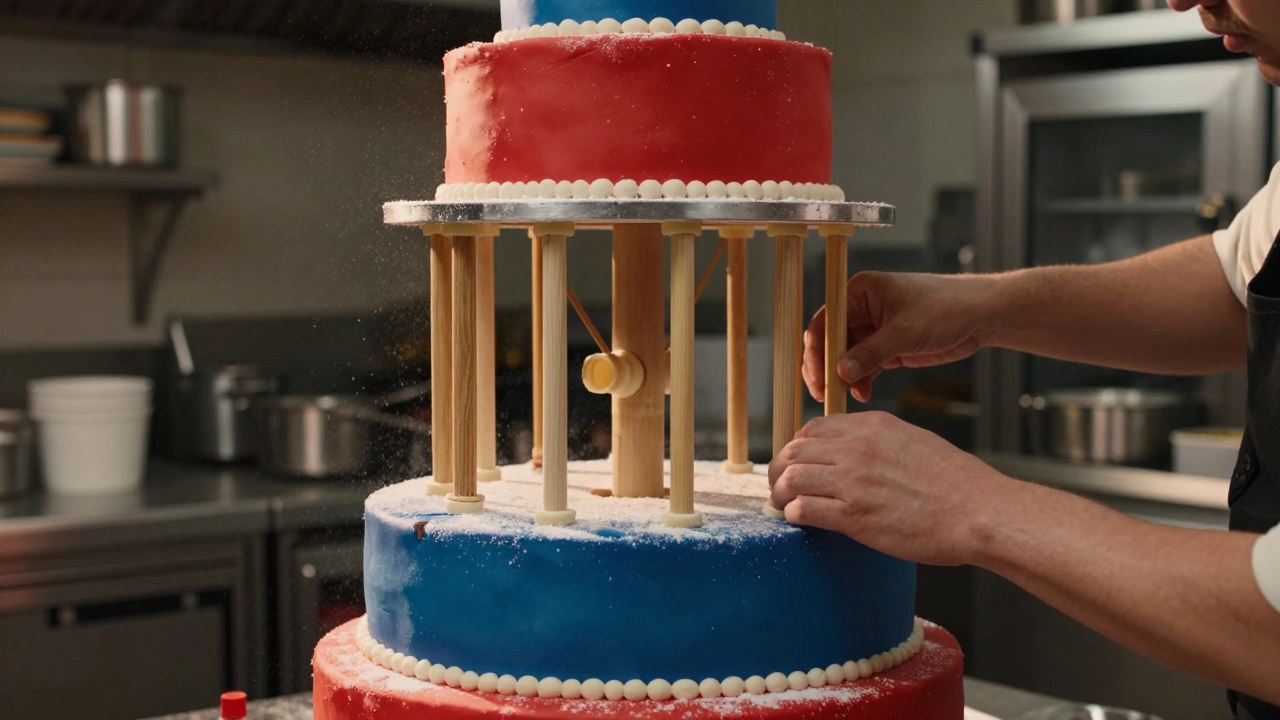
Discover why Duff Goldman is known as the Queen of Cakes. Explore his legacy, signature techniques, and how his bold style revolutionized modern cake decorating.
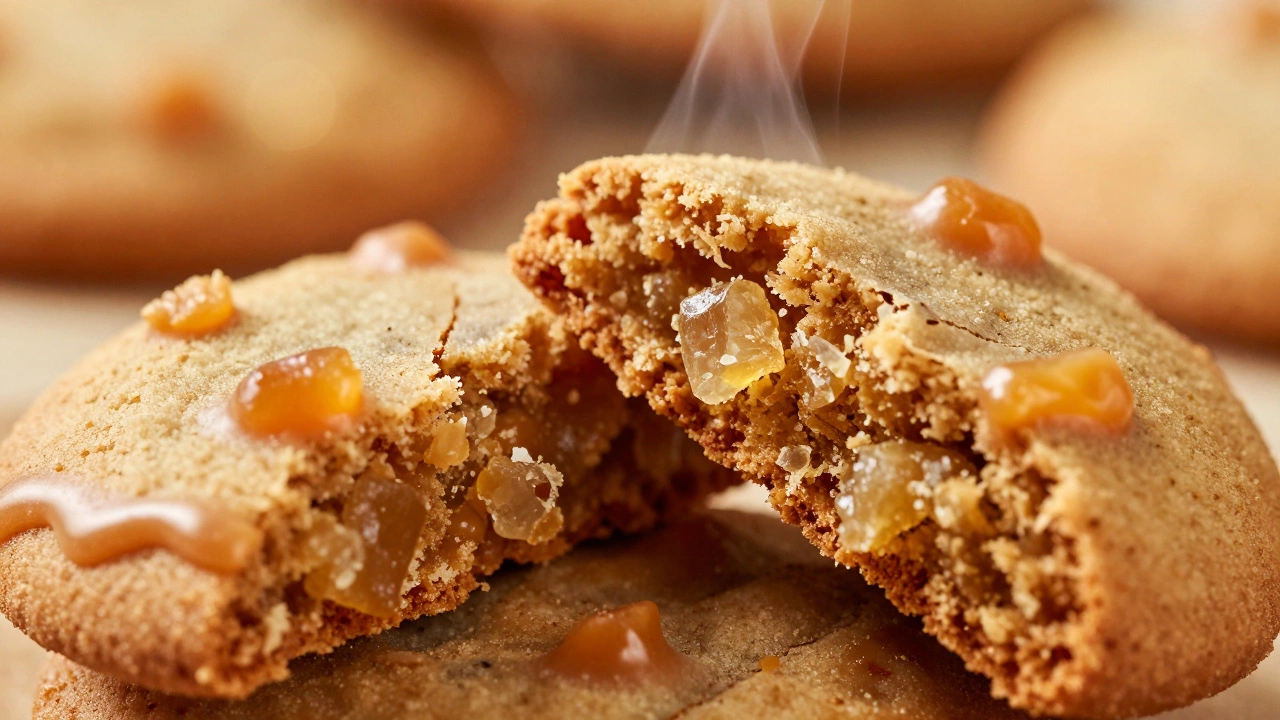
Discover the ultimate guide to spicy cookies. Explore flavor profiles of ginger, chili, and cardamom to decide which spice reigns supreme in your baking.
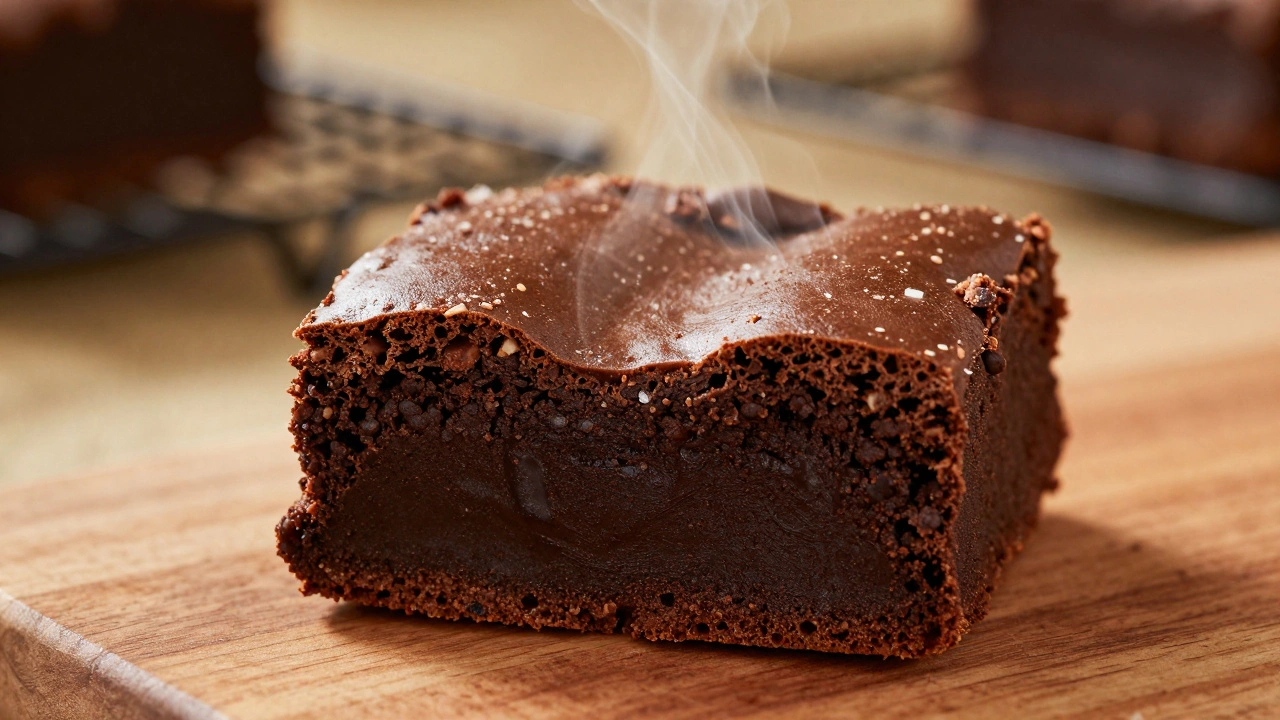
Learn exactly where to store brownies to keep them fresh. Discover storage methods for the counter, fridge, and freezer, plus tips to fix dry or soggy textures.
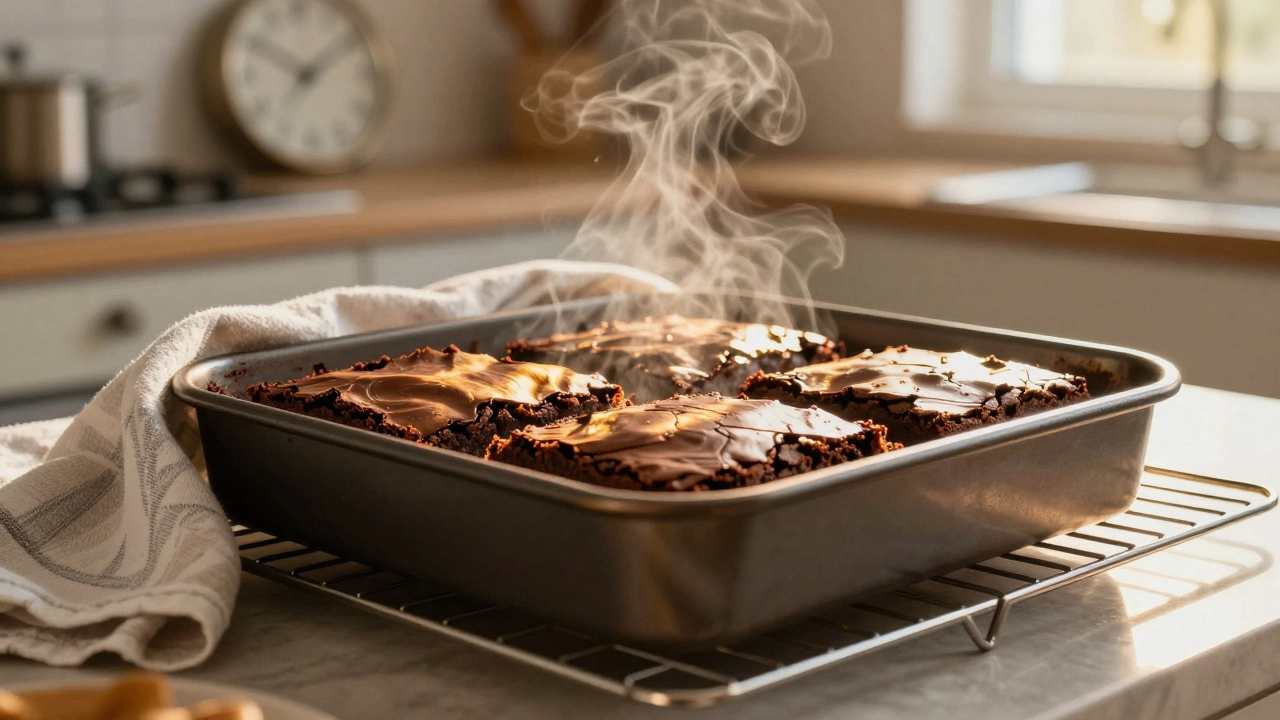
Letting brownies cool overnight improves texture and flavor. Science shows moisture redistributes evenly, making them fudgier and easier to cut. Skip the fridge-room temperature is key.
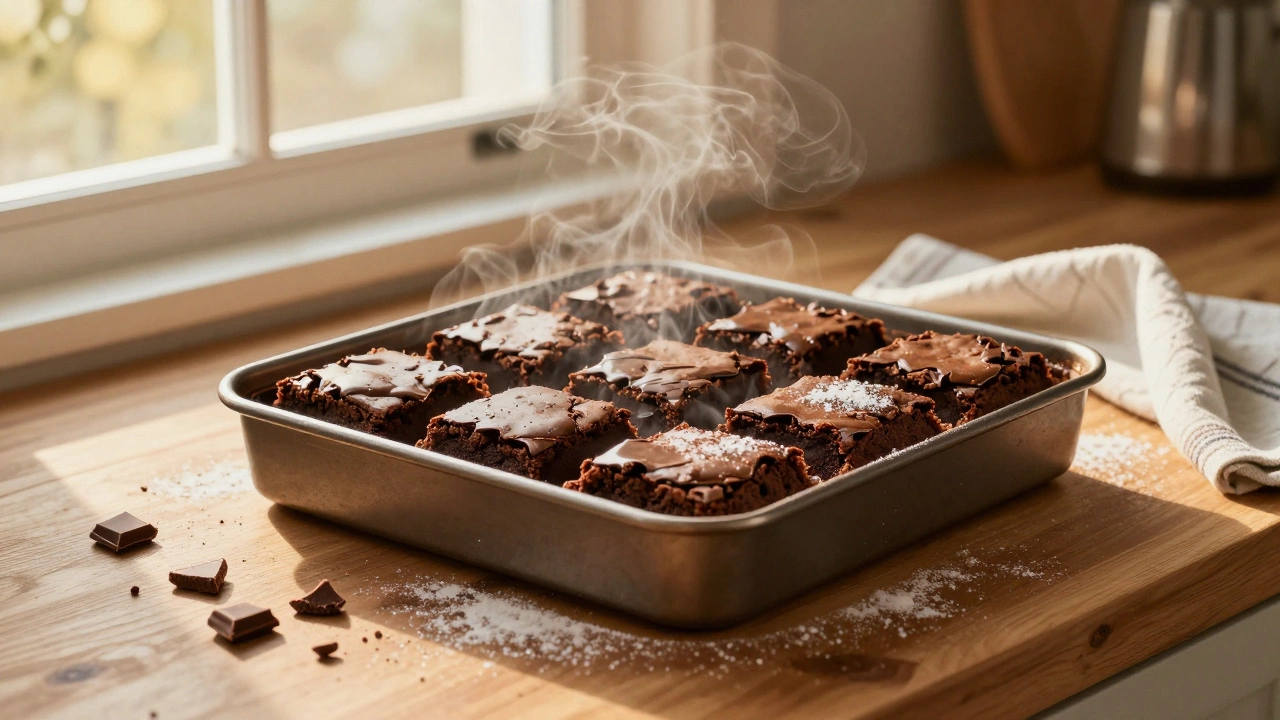
Brownies taste better the next day because time lets chocolate, sugar, and fats meld into a richer, chewier treat. Learn why waiting pays off and how to store them right.
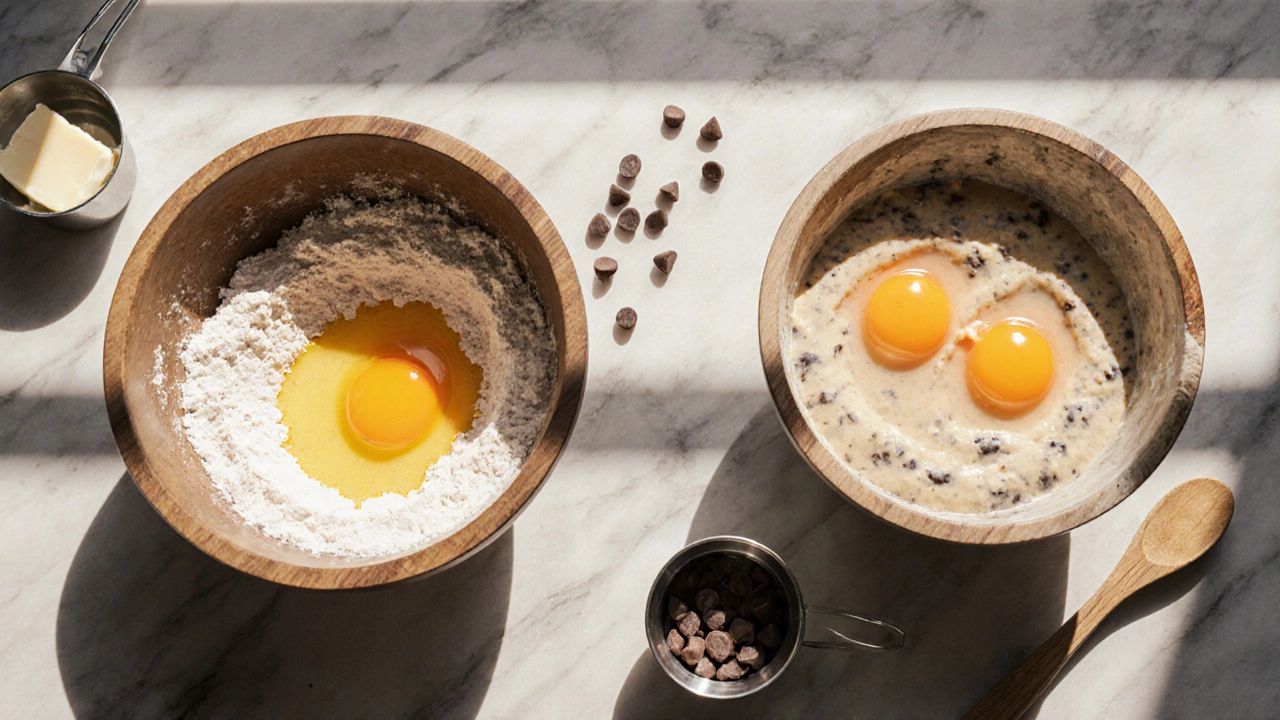
Discover how adding a second egg changes cookie moisture, spread, texture, and flavor, plus tips to balance or fix over‑egged batches.

Discover why cookies turn hard and how to get that perfectly soft, bakery-style cookie every time. Use science-backed tips and smart baking tweaks.
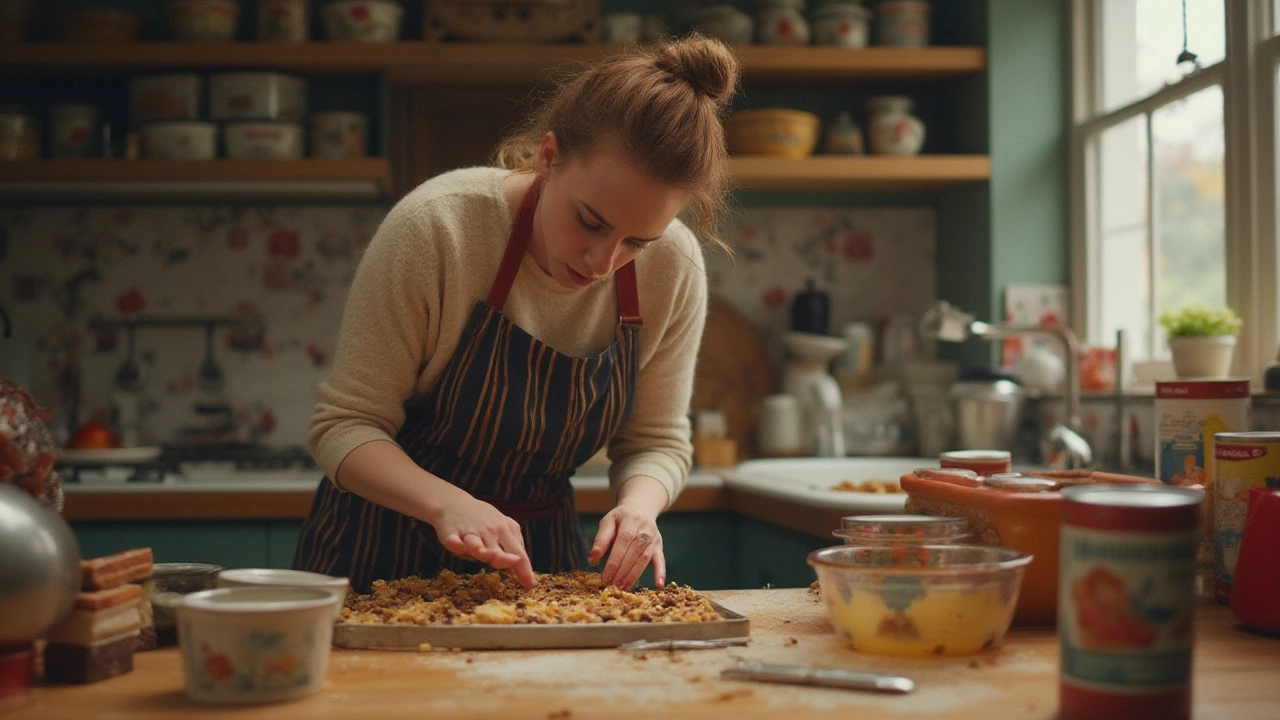
Struggling with your 3 ingredient fudge not setting? Get practical, in-depth solutions and learn where easy fudge recipes sometimes go wrong.