Global Cake Matchmaker
Can't decide what to bake or buy? Answer three simple questions about your mood and preferences, and we'll recommend the world's tastiest cake for you.
Step 1: What is your primary craving?
Coffee & Cocoa
Rich, complex, adult flavorsFresh Fruit
Light, airy, refreshingDense & Tangy
Heavy, creamy, substantialStep 2: How do you feel about sweetness?
Subtle / Natural
Not too sugaryBalanced
Just rightSweet Tooth
Go big or go homeStep 3: What texture appeals to you most?
Airy & Light
Melts in mouthDense & Smooth
Fudgy or creamyVelvety Crumb
Soft sponge with frostingYour Perfect Match
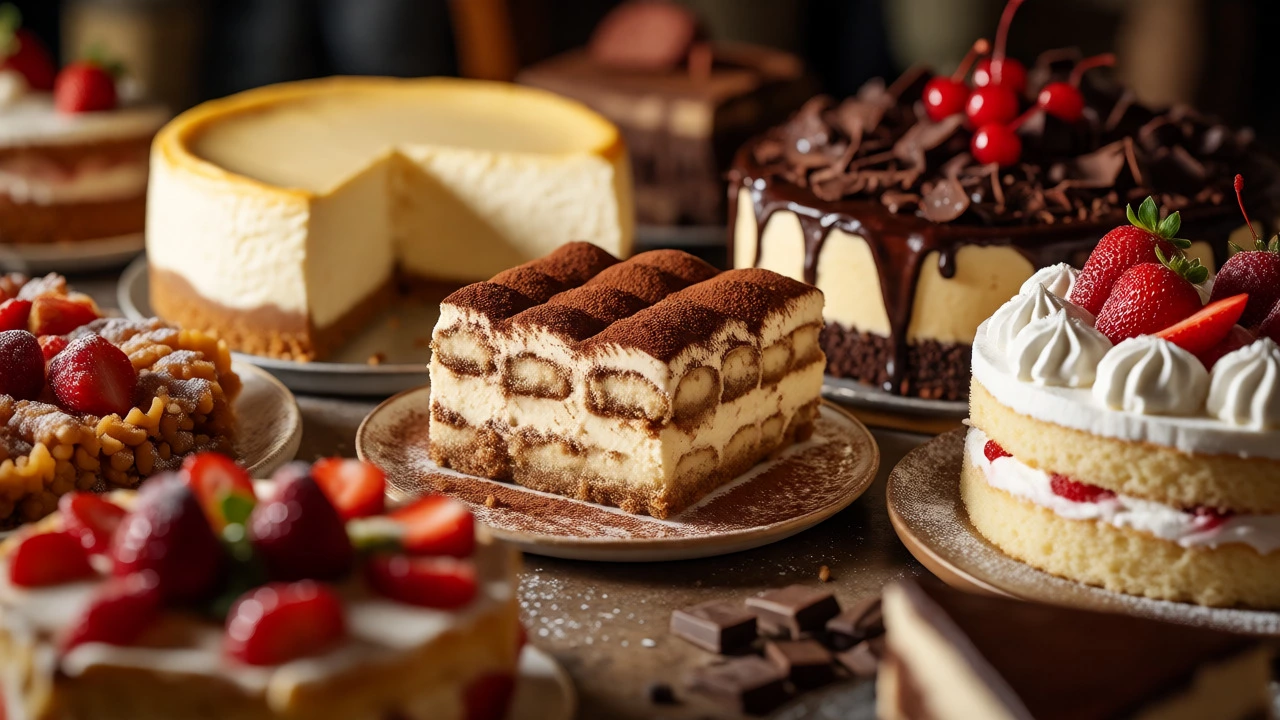
You ask ten people what the tastiest cake in the world is, and you’ll get ten different answers. One person swears by a dense, fudgy German chocolate cake. Another insists that nothing beats a light, airy Japanese strawberry shortcake. Then there’s the French purist who thinks anything without layers of buttercream is just bread with sugar on top.
Here’s the truth: there is no single scientific answer to this question. Taste is subjective, deeply cultural, and heavily influenced by nostalgia. But if we look at global popularity, sales data, and culinary consensus, certain cakes consistently rise to the top. We’re not talking about obscure regional treats here. We’re talking about the heavy hitters-the ones that have conquered bakeries from Paris to Tokyo to New York.
The Subjectivity of Sweetness
Before we crown a king, let’s talk about why this debate exists. Your preference for sweetness isn’t just personal; it’s geographic. Studies show that average sugar consumption varies wildly between countries. This means the "ideal" level of sweetness shifts depending on where you grew up.
For example, American cakes are often perceived as extremely sweet by European standards. A typical US vanilla cake might use three times more sugar than its French equivalent. So, when an American calls a French opera cake "too subtle," they aren’t wrong-they’re just calibrated differently. Understanding this bias helps us appreciate why different cultures champion different desserts.
Global Contenders for the Title
If we strip away personal bias and look at global recognition, a few names come up repeatedly. These aren’t just popular because of marketing; they offer something unique in terms of texture, flavor balance, or technique.
Tiramisu is often cited as the most beloved dessert worldwide. While technically a layered mousse cake rather than a baked sponge, it checks every box for modern palates. It combines the bitterness of espresso with the richness of mascarpone and the sweetness of ladyfingers soaked in Marsala wine. The contrast is what makes it addictive. You don’t get a sugar crash; you get a complex, creamy experience that feels sophisticated yet comforting.
Then there’s the Black Forest Gâteau. Originating from Germany, this cake is a masterclass in balance. It uses sour cherries to cut through the heavy whipped cream and dark chocolate shavings. The kirsch (cherry brandy) adds a boozy kick that elevates the fruit. It’s rich, but the acidity keeps it from feeling cloying. If Tiramisu is the crowd-pleaser, Black Forest is the dramatic showstopper.
We can’t ignore New York Cheesecake. Unlike the fluffy Japanese style, NY cheesecake is dense, tangy, and baked until just set. The secret lies in the sour cream or crème fraîche mixed into the cream cheese base. This gives it a sharpness that contrasts beautifully with a graham cracker crust. It’s heavy, yes, but in a satisfying, substantial way that appeals to those who prefer substance over airiness.
Why Texture Matters More Than Flavor
You might think flavor is everything, but food scientists will tell you that texture drives repeat purchases. Think about why you love a specific cake. Is it the taste? Or is it the way it melts in your mouth? Or perhaps the crunch of the crust?
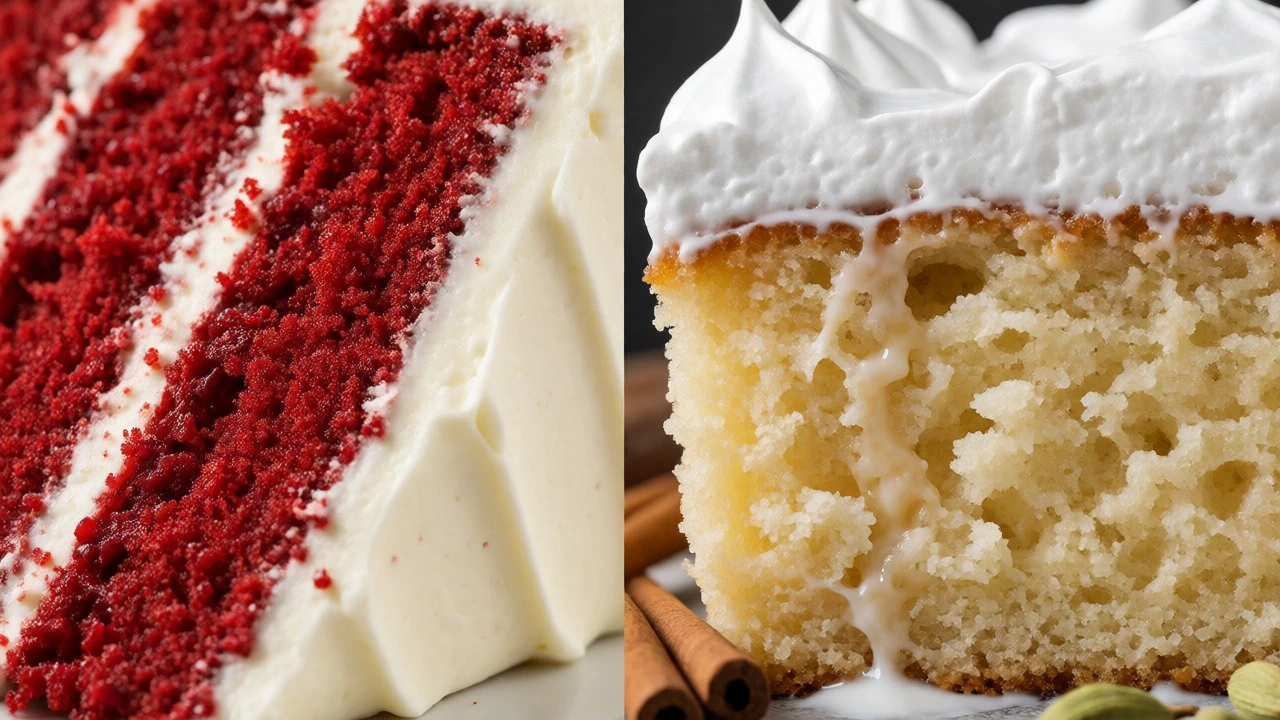
Cakes like the Red Velvet survive despite being controversially simple because of their unique texture. The combination of cocoa, buttermilk, and vinegar creates a tender, velvety crumb that is distinct from standard yellow cake. The cream cheese frosting isn’t just a topping; it’s a structural element that provides a cool, tangy counterpoint to the warm, spiced cake. Without that specific textural interplay, Red Velvet would just be another chocolate cake.
Compare this to the Japanese Strawberry Shortcake. Its appeal is entirely about lightness. The sponge is so airy it barely holds its shape, and the whipped cream is lightly sweetened. It’s refreshing. In hot climates or after a heavy meal, this cake wins because it doesn’t weigh you down. It’s the palate cleanser of the dessert world.
The Science of Satisfaction
What makes a cake truly "tasty"? Neurologically, we crave the combination of fat, sugar, and salt. Most successful cakes hit all three. Even a sweet cake needs salt to make the flavors pop. If you’ve ever tasted a homemade cake that felt "flat," check your salt content.
Furthermore, aroma plays a huge role. Vanilla, cinnamon, and toasted nuts release volatile compounds that trigger pleasure centers in the brain before you even take a bite. That’s why a freshly baked carrot cake smells better than it tastes sometimes. The anticipation sets the stage.
| Cake Name | Origin | Key Flavor Profile | Texture | Best For |
|---|---|---|---|---|
| Tiramisu | Italy | Coffee, Cocoa, Cream | Soft, Mousse-like | Coffee lovers, Adults |
| Black Forest | Germany | Cherry, Chocolate, Kirsch | Light Sponge, Creamy | Fruit fans, Bold flavors |
| NY Cheesecake | USA | Tangy, Rich, Sweet | Dense, Smooth | Indulgence seekers |
| Red Velvet | USA | Mild Cocoa, Tangy Frosting | Velvety, Moist | Visual impact, Mild sweet tooths |
| Strawberry Shortcake | Japan | Berries, Light Cream | Airy, Delicate | Summer parties, Light eaters |
Regional Favorites That Deserve More Love
The big names get the headlines, but some regional specialties are arguably tastier if you know what to look for.
Take the Baklava Cake concept from the Middle East. While traditional baklava is pastry, modern bakers have adapted the phyllo dough and honey-nut filling into cake formats. The result is a sticky, crunchy, aromatic explosion that hits differently than Western cakes. It’s less about cream and more about spice-cinnamon, cardamom, and cloves.
In Latin America, the Tres Leches Cake reigns supreme. Three types of milk (evaporated, condensed, and heavy cream) soak into a sponge cake until it’s practically liquid. It’s messy, incredibly moist, and topped with meringue or whipped cream. If you hate dry cake, this is your holy grail. The sweetness is intense, but the cold temperature and airy topping balance it out.
How to Choose Your Perfect Cake
So, how do you decide which one is the tastiest for you? Ask yourself these questions:
- Do you like coffee? Go with Tiramisu or a Coffee Walnut Cake.
- Do you prefer fruit? Black Forest or Japanese Strawberry Shortcake are your best bets.
- Are you looking for comfort? Red Velvet or Carrot Cake offer nostalgic warmth.
- Do you want something light? Avoid cheesecakes and pound cakes; stick to sponges and mousses.
- Do you enjoy alcohol in desserts? Rum Cake or Tres Leches provide a sophisticated kick.
Remember, the "best" cake is the one that matches the occasion and your current mood. A dense chocolate cake might feel too heavy at a summer barbecue, while a light chiffon cake might seem underwhelming at a winter holiday dinner.
The Verdict
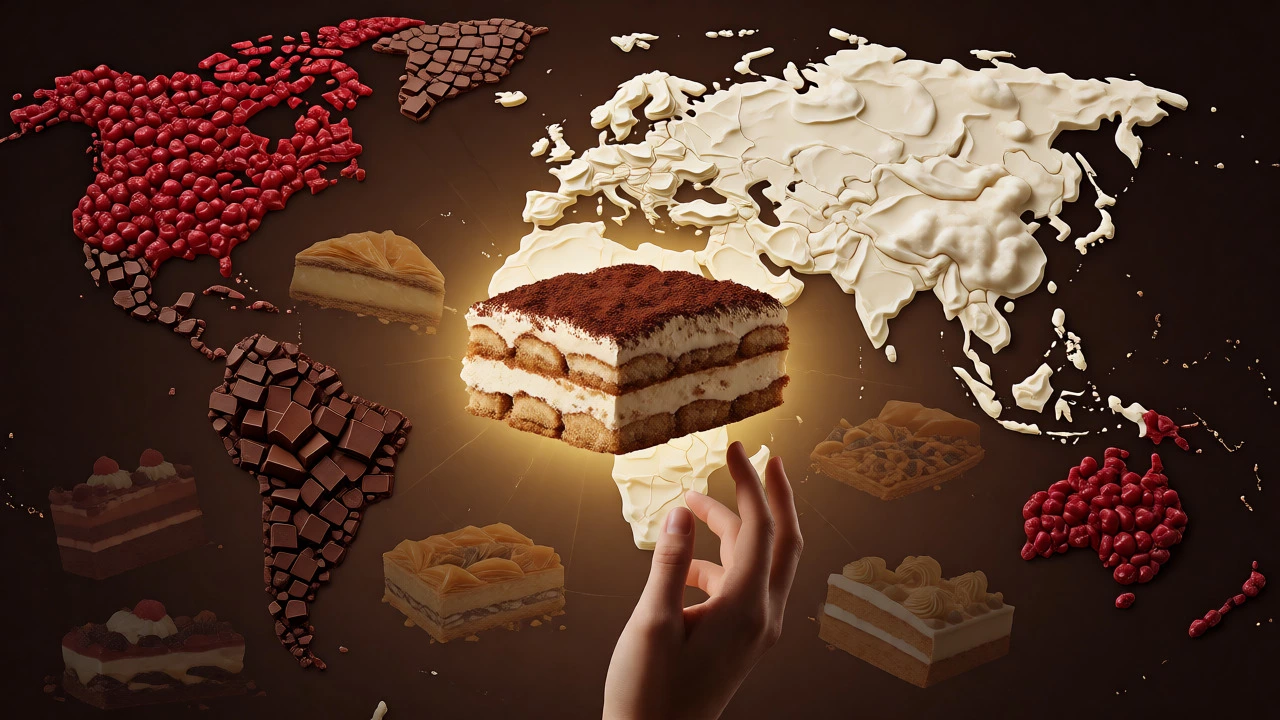
If forced to pick a single winner based on global reach and universal appeal, Tiramisu takes the crown. It bridges the gap between dessert and drink, offers complex flavors without excessive sugar, and is loved across generations and borders. But don’t let that stop you from exploring. The world of baking is vast, and your perfect cake might be hiding in a recipe book from Portugal or Thailand.
Next time you’re planning a birthday party, skip the generic sheet cake. Try making one of these contenders. You might just find your new favorite.
Is Tiramisu considered a cake?
Technically, Tiramisu is a no-bake dessert made with ladyfinger biscuits, not a traditional baked sponge cake. However, because it is served in slices and has layered components similar to a torte, it is widely categorized alongside cakes in global dessert rankings.
Why is Red Velvet cake so popular?
Red Velvet is popular due to its striking visual appeal and unique flavor profile. The reaction between cocoa powder, buttermilk, and vinegar creates a tender, slightly tangy crumb that pairs perfectly with sweet cream cheese frosting, offering a balanced taste that isn't overly chocolatey.
What is the least sweet cake in the world?
Japanese Strawberry Shortcake is often considered one of the least sweet mainstream cakes. It relies on fresh fruit and lightly sweetened whipped cream, allowing the natural flavors of the berries and the delicate egg-based sponge to shine without overwhelming sugar.
Can I make Tiramisu ahead of time?
Yes, Tiramisu actually tastes better when made ahead. The flavors meld together as it rests in the refrigerator for at least 4 hours, or ideally overnight. This allows the ladyfingers to absorb the coffee mixture fully, creating a cohesive texture.
Which cake lasts the longest?
Fruitcakes and Pound Cakes tend to last the longest due to their high sugar and fat content, which acts as a preservative. Properly stored in an airtight container, a traditional Fruitcake can remain edible for weeks or even months, whereas cream-based cakes like Tiramisu should be eaten within 2-3 days.