Macarons: Your Go‑to Guide for Baking, Towers & Fun Facts
If you’ve ever stared at a picture of a pastel‑colored macaron and wondered how to make one yourself, you’re in the right place. We’ll walk you through the most common questions – the right flour, how heavy a macaron should be, why they sometimes crack, and even how to turn a handful of shells into a show‑stopping tower.
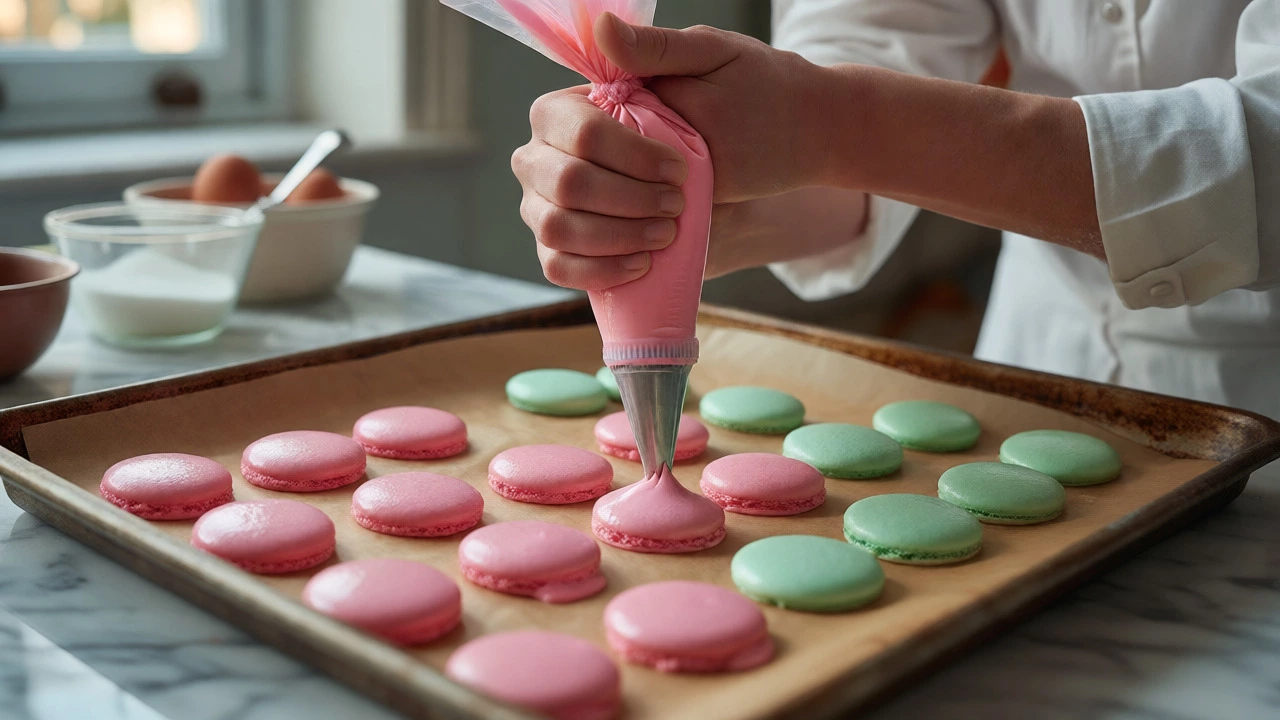
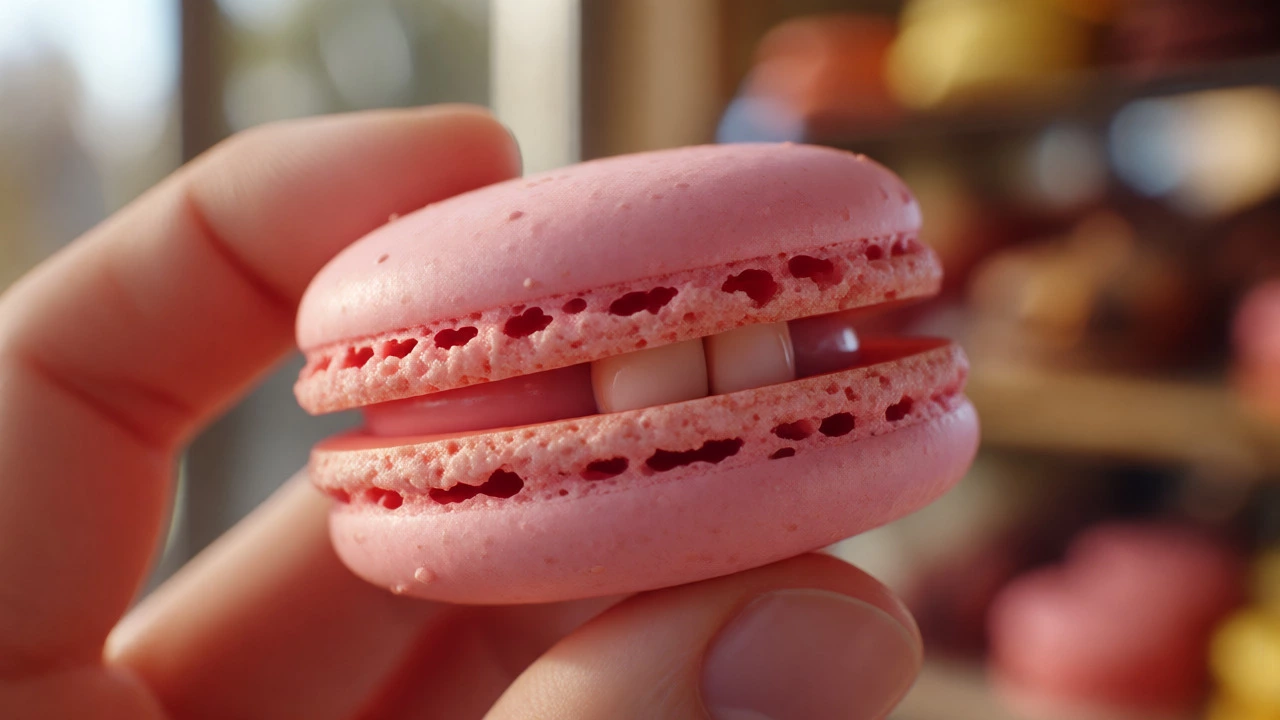
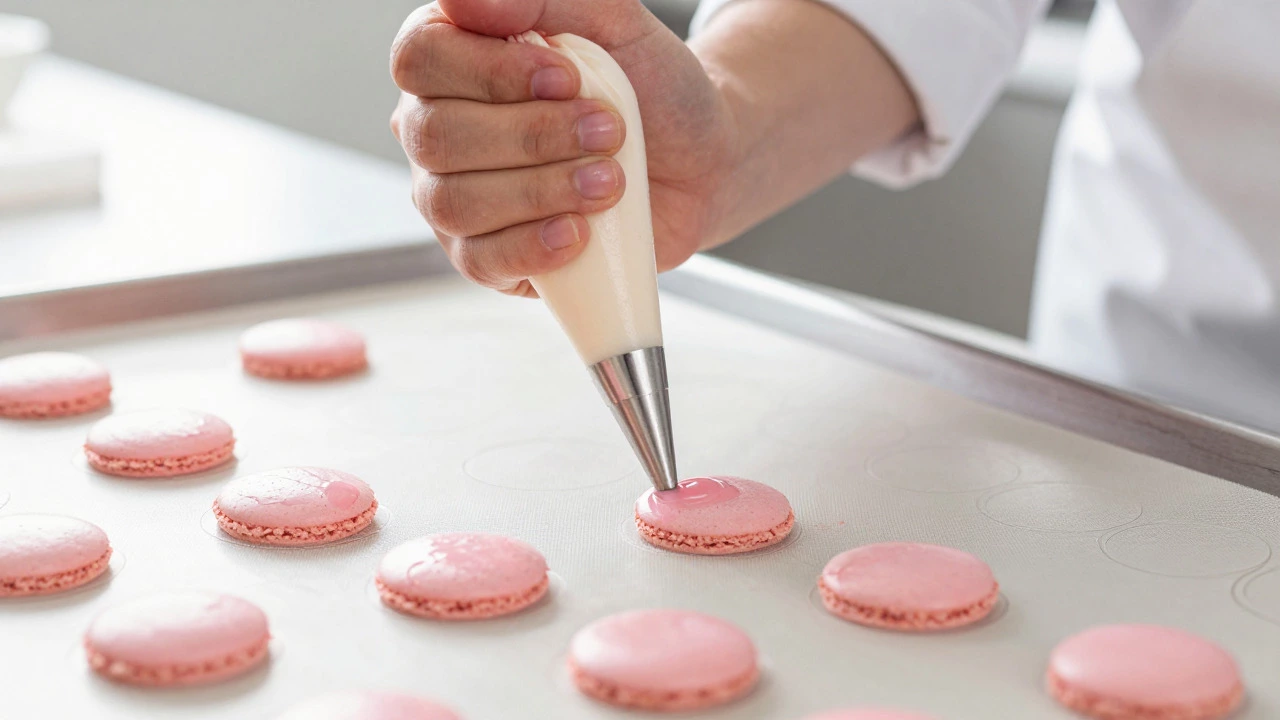
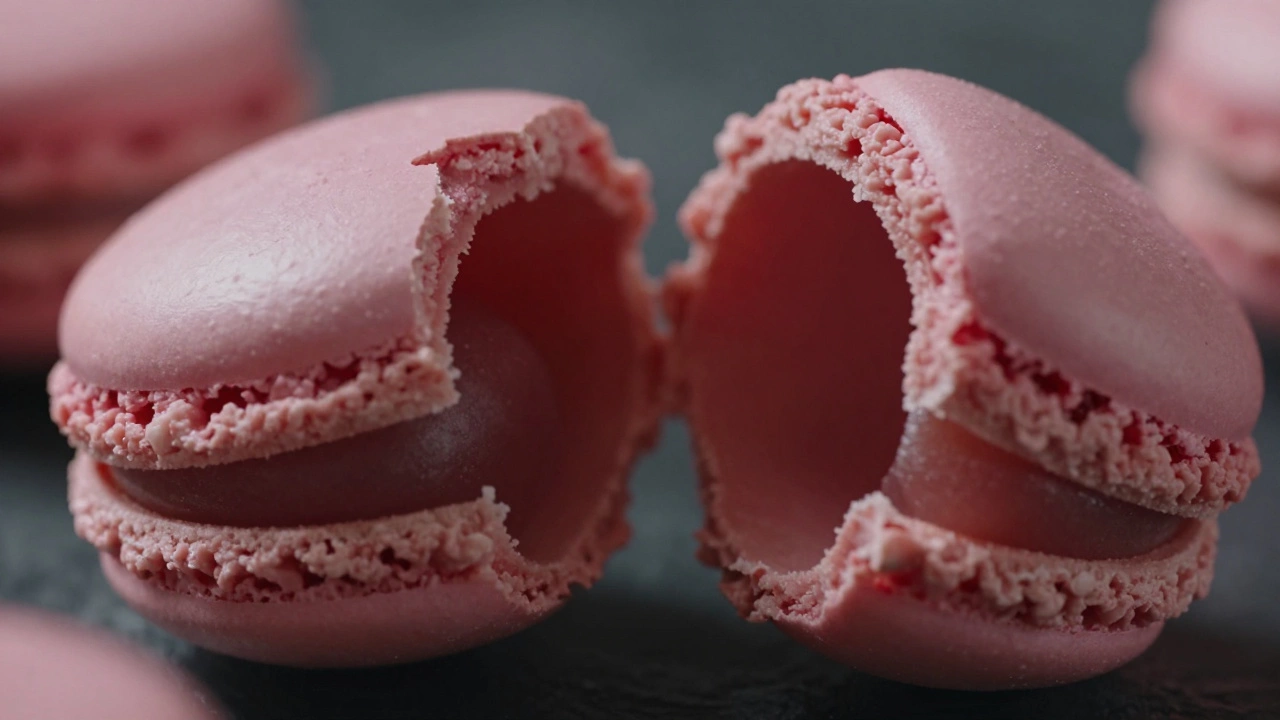
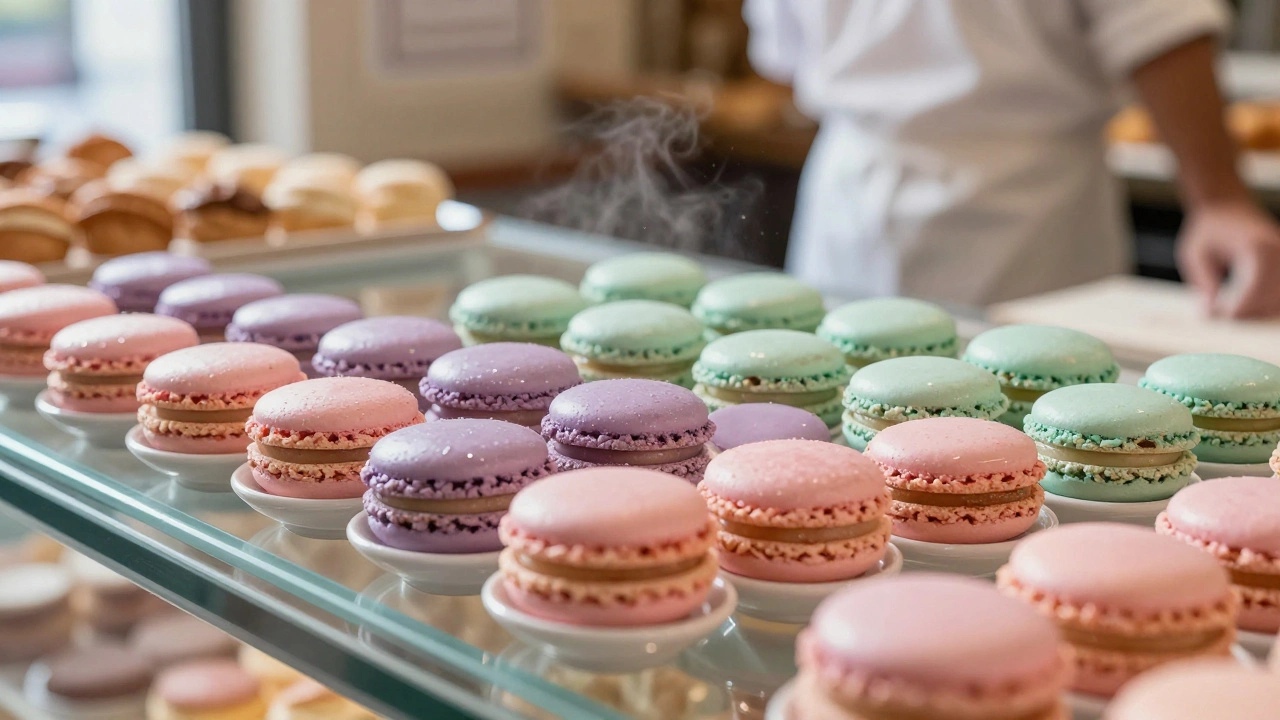
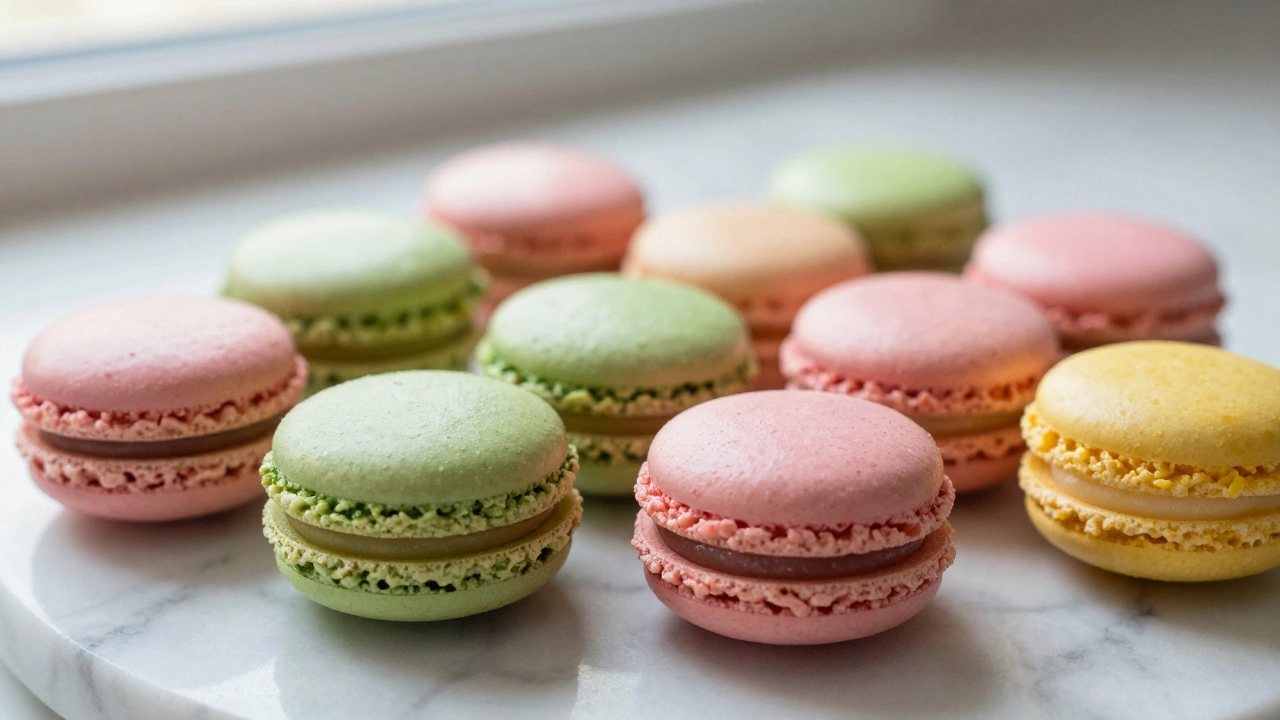
First things first: a macaron isn’t just a fancy cookie. It’s a delicate French pastry with a crisp outer shell, a soft, chewy interior, and a creamy filling that can be anything from vanilla buttercream to salted caramel. Getting that perfect “foot” – the little rise at the base – is the real test. One mistake with the batter or oven temperature, and you’ll end up with a flat or cracked cookie. Below are the basics that will help you avoid those pitfalls.
Choosing the Right Ingredients
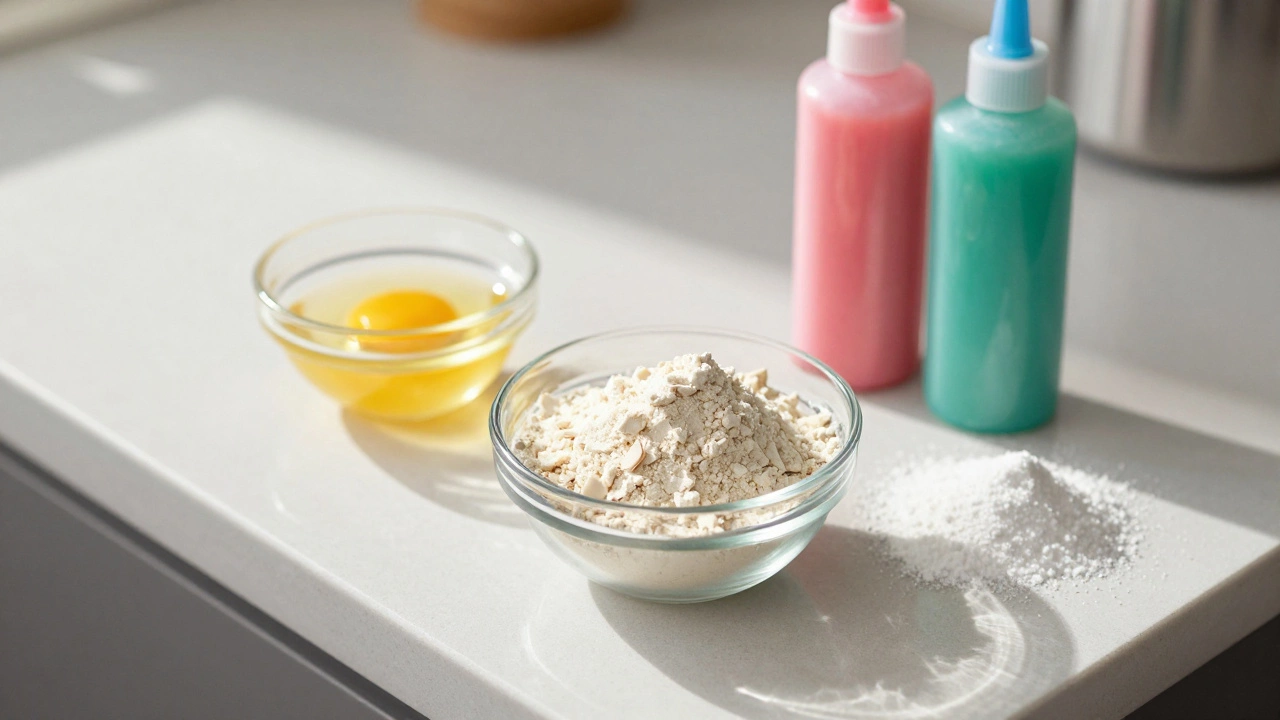
Not all almond flours are created equal. The best macaron flour is fine‑ground, low‑fat, and free of added sugars. A cheap bulk almond flour often leaves you with gritty shells or uneven rises. If you can, sift the flour twice and then sift it together with powdered sugar. This double‑sift removes any lumps and creates a smooth batter that spreads evenly.
Egg whites are the other star. Fresh, room‑temperature whites whip up to a glossy meringue faster than older ones. Some bakers separate the whites the night before and let them rest in the fridge – this gives them a thicker consistency that’s easier to fold.
Finally, don’t skimp on the cream of tartar or a pinch of lemon juice. These acids stabilize the meringue and keep the shells from cracking. A typical ratio is 100 g almond flour, 100 g powdered sugar, and 70 g egg whites for a batch of about 30 macarons.
Building a Macaron Tower
Once you’ve nailed the basic recipe, you can start thinking about presentation. A macaron tower is essentially a conical stack of shells, each layer slightly smaller than the one below. To figure out how many macarons you need, decide on the tower’s height and base diameter. A three‑tier tower (about 2 ft tall) usually requires 200–250 macarons.
Start with a sturdy base – a cake board or a sturdy platter works best. Use a dowel or a metal rod in the center for support, especially if you’re going taller than three tiers. Then, attach the first ring of macarons with a dab of frosting on the back of each shell. Keep the rings tight but not too tight; you want a bit of give so the tower doesn’t wobble.
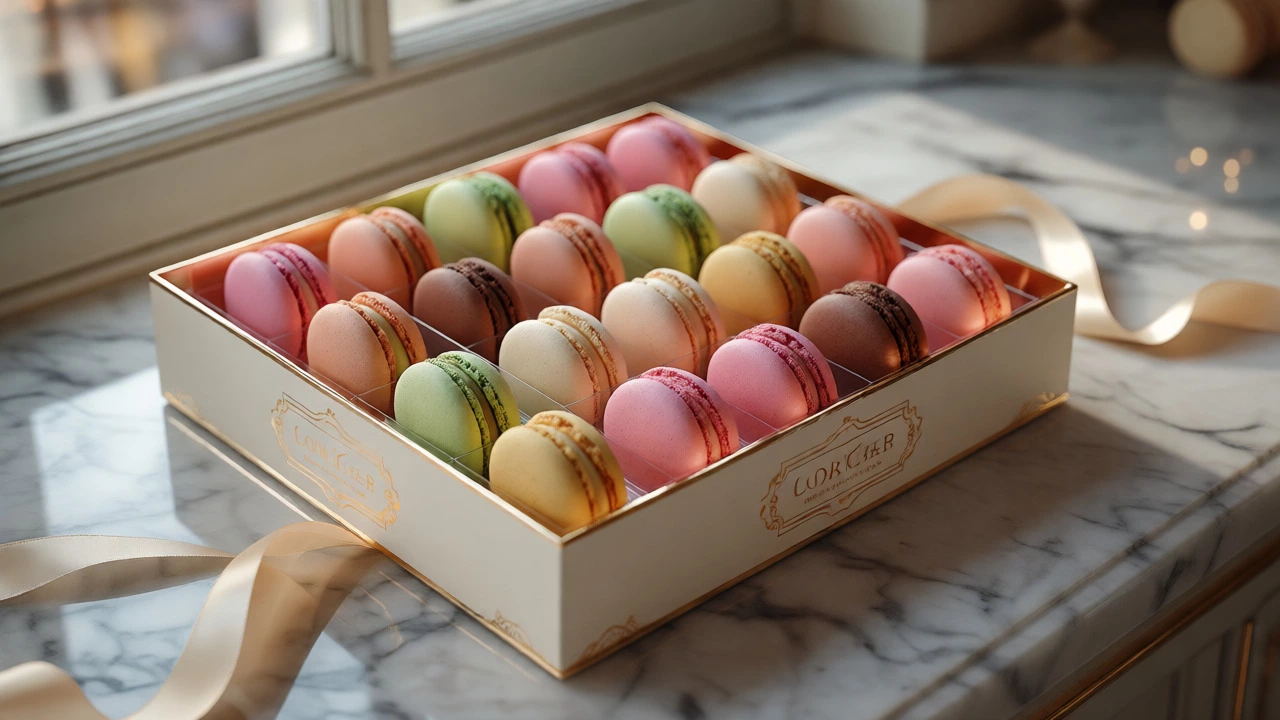
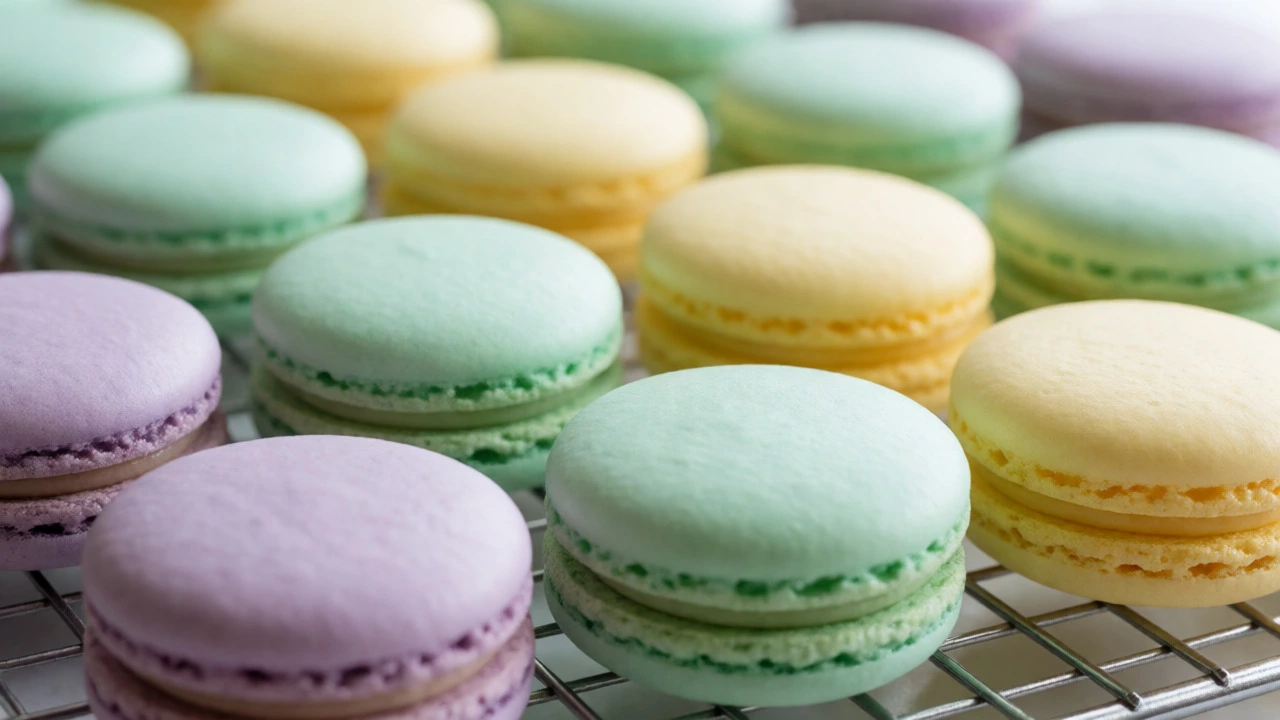
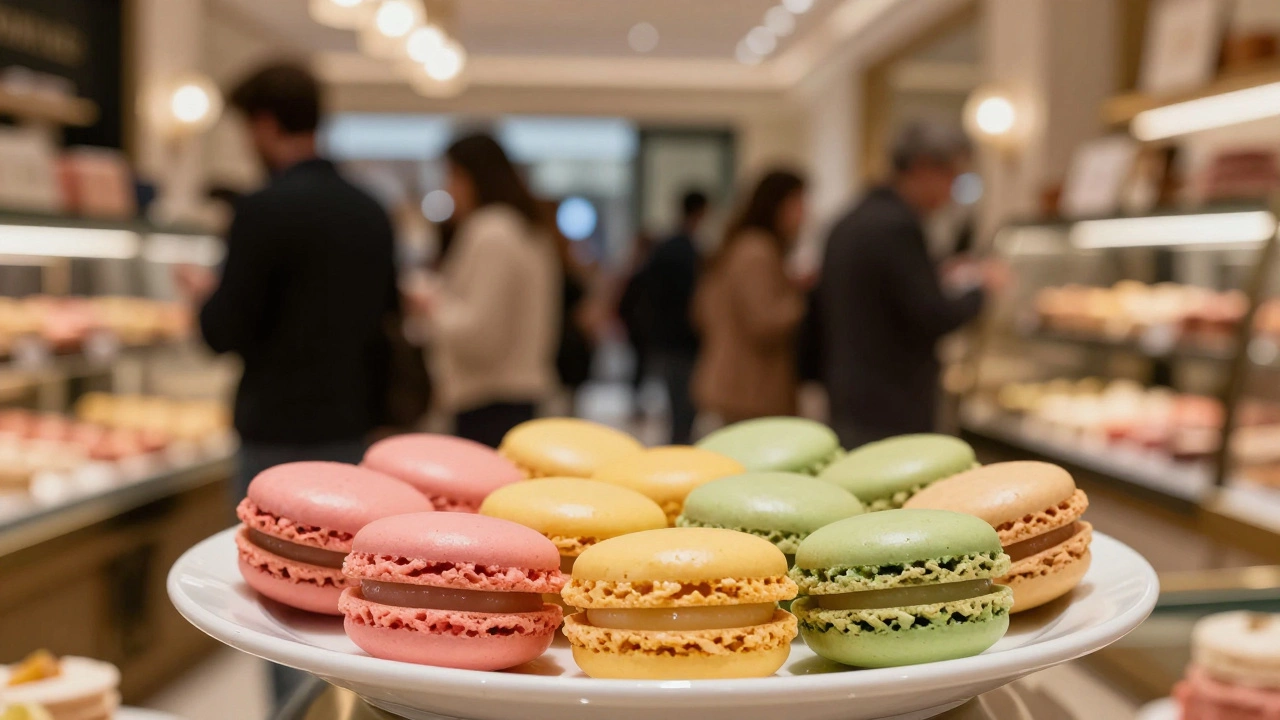
When choosing flavors, think about color contrast and taste balance. A classic trio could be vanilla, pistachio, and raspberry – the colors pop and the flavors complement each other. Mix and match to suit the event – weddings often go for pastel shades, while birthdays can handle bright, bold hues.
Don’t forget the cost factor. A homemade tower will cost less than a bakery’s, but you still need to budget for high‑quality ingredients and the time it takes to bake, assemble, and transport. Expect to spend around $15‑$20 per dozen shells if you buy premium almond flour and pure extracts.
Now that you know the basics, you can experiment with fillings, flavors, and decorations. Try a coffee‑infused ganache, a rose‑water buttercream, or even a salty caramel for a surprise twist. Remember, the key to perfect macarons is patience – measure, mix, and bake carefully, and the results will speak for themselves.
Happy baking! Whether you’re making a single batch for a family snack or planning a towering centerpiece for a big event, the world of macarons is full of delicious possibilities.
Discover how much macarons cost in France in 2026. From budget-friendly local bakeries to luxury brands like Ladurée, learn the real prices, regional differences, and tips to save money while enjoying this iconic French pastry.