Mozzarella Matchmaker
Confused by the spelling? Unsure which cheese to buy? This tool helps you navigate the difference between Mozzarella (Italian) and Mussarela (Portuguese/Spanish) and recommends the right moisture level for your specific dish.
Mozzarella is the Italian spelling. Mussarela is the Portuguese/Spanish adaptation. There is no difference in taste, salt, or recipe—just language. Don't worry about the label spelling; focus on the moisture content.
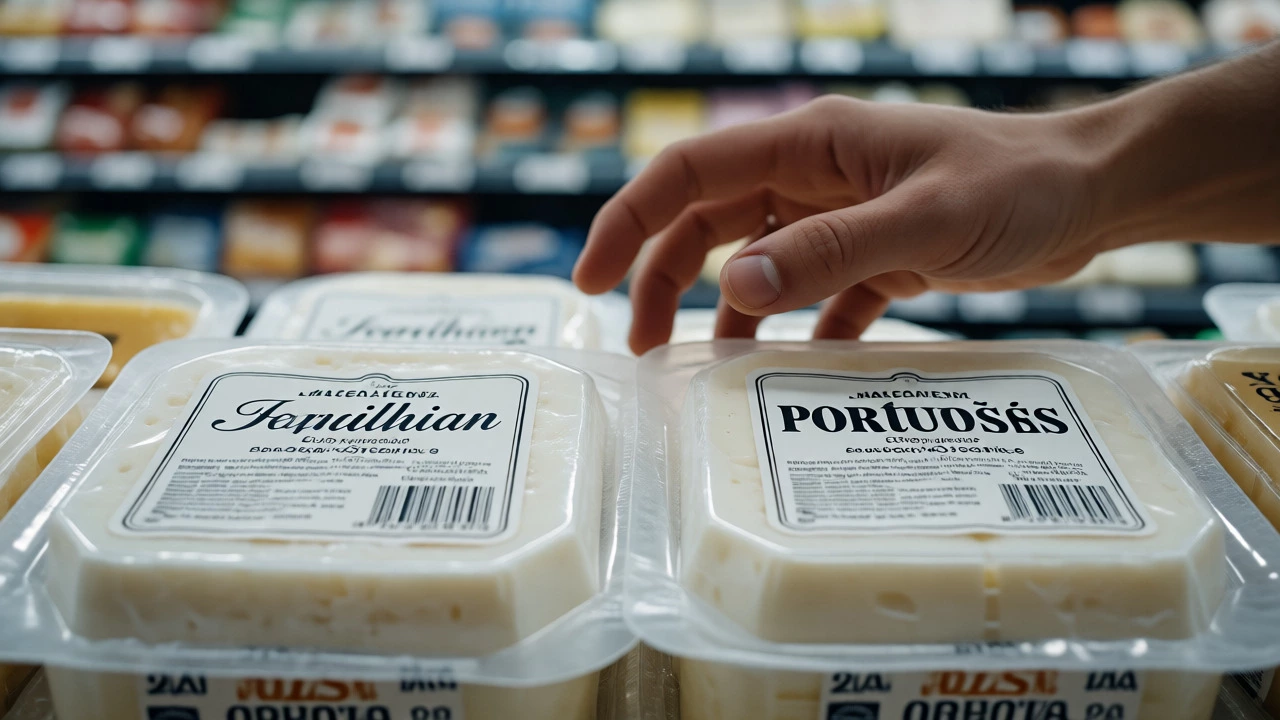
You’re standing in the supermarket aisle, staring at two packages that look identical but have different names on them. One says Mozzarella. The other says Mussarela. You’re trying to make a tiramisu, or maybe just a fancy pasta bake, and you need to know which one goes where. Spoiler alert: they are the same thing. But why does this confusion exist? And more importantly, if you put the wrong *type* of mozzarella (like fresh buffalo vs. low-moisture block) into your tiramisu, will it ruin the dessert?
Let’s clear up the spelling mystery first, because it’s not about taste-it’s about language. Then we’ll tackle the real question: how does this cheese actually behave when you try to use it in sweet dishes like tiramisu, where mascarpone is usually king?
The Spelling Game: Why Two Names for One Cheese
Here is the truth straight from Italy: Mozzarella is the correct Italian spelling. It comes from the verb mozzare, which means "to cut off," referring to the way the cheese curd is pulled apart during production. If you see Mussarela, you are looking at a Portuguese or Spanish adaptation. In Brazil, for example, everyone writes and says "mussarela." In Portugal, you might see both, but "mozzarella" is gaining ground due to global branding.
So, if you buy a block labeled "Mussarela" in a Brazilian store or a US store catering to Latin American tastes, you aren’t buying a different cow’s milk product. You are buying standard low-moisture mozzarella. The difference is purely linguistic. There is no secret recipe change. No extra salt. No different aging process. Just a different alphabet using double 's' instead of double 'z' because those languages don’t typically use the 'z' sound in that position.
| Attribute | Mozzarella (Italian) | Mussarela (Portuguese/Spanish) |
|---|---|---|
| Origin of Name | Italian verb mozzare | Linguistic adaptation of Mozzarella |
| Primary Market | Italy, Global Export | Brazil, Portugal, Spain, Latin America |
| Product Type | Cow's Milk or Buffalo Milk | Cow's Milk (usually low-moisture) |
| Taste Profile | Mild, slightly tangy, milky | Mild, salty, creamy |
| Best For | Pizza, Caprese, Lasagna | Pizza, Baked Dishes, Sandwiches |
Fresh vs. Low-Moisture: The Real Difference That Matters
While the spelling doesn’t matter, the moisture content absolutely does. This is where people get tripped up when moving from savory to sweet applications. When you hear "mozzarella," most Americans picture the rubbery white block in the fridge. Italians picture a ball floating in brine. These are two completely different products with different jobs.
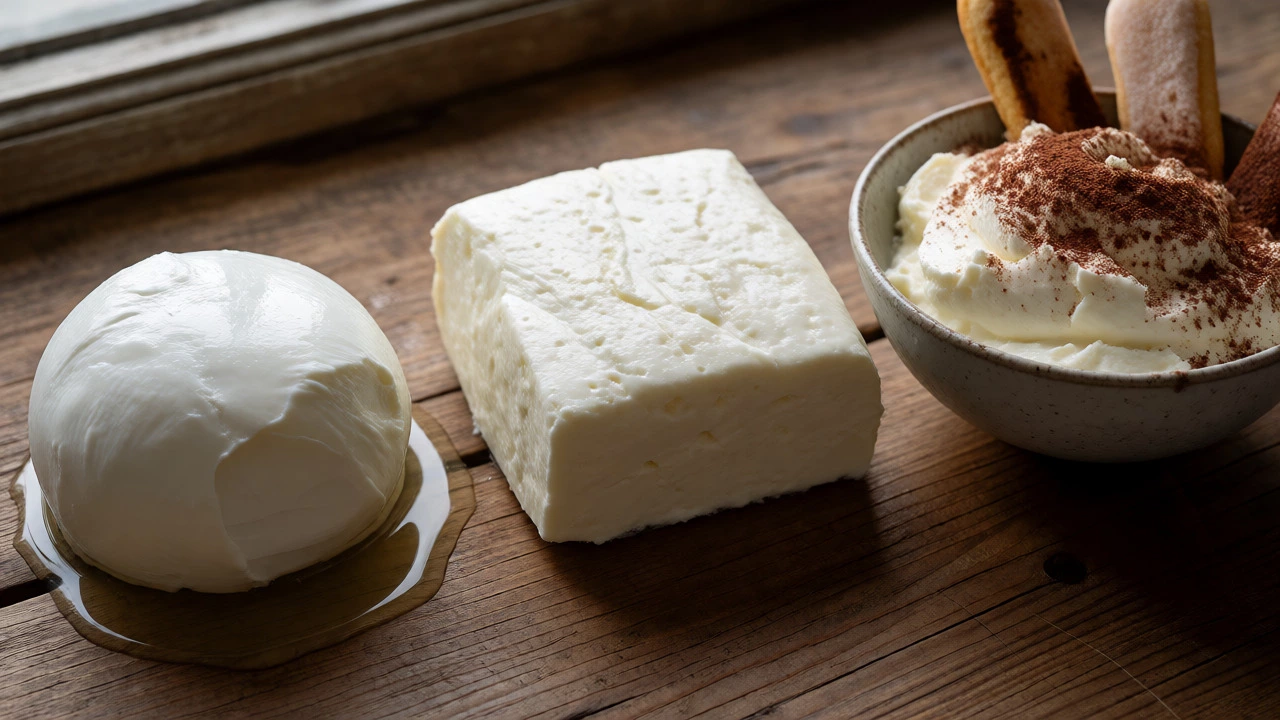
Fresh Mozzarella (Mozzarella di Bufala or Fior di Latte) is soft, wet, and delicate. It has a high water content, often around 60%. It melts beautifully but releases a lot of liquid. Low-Moisture Mozzarella is aged longer, pressed harder, and contains less water (around 45-50%). It’s designed to stretch without weeping.
If you are making a classic Margherita pizza, fresh mozzarella gives you that beautiful blistered, juicy texture. If you are making a lasagna that needs to hold its shape when sliced, low-moisture is better. But what about tiramisu? This is where things get weird.
Can You Use Mozzarella in Tiramisu?
Traditional tiramisu uses Mascarpone, a rich, sweet Italian cream cheese with a fat content of at least 33%. It is thick, spreadable, and neutral enough to let the coffee and cocoa shine. Mozzarella is salty. Even the best fresh mozzarella has a distinct savory, milky tang. Does that work with espresso-soaked ladyfingers?
Honestly? Not really. Unless you are experimenting with a savory twist, mozzarella will clash with the sugar and coffee. The saltiness can enhance sweetness in small doses (think salted caramel), but in a large quantity like a tiramisu layer, it tastes odd. Imagine biting into a cheesecake and getting a whiff of pizza crust. That’s the risk.
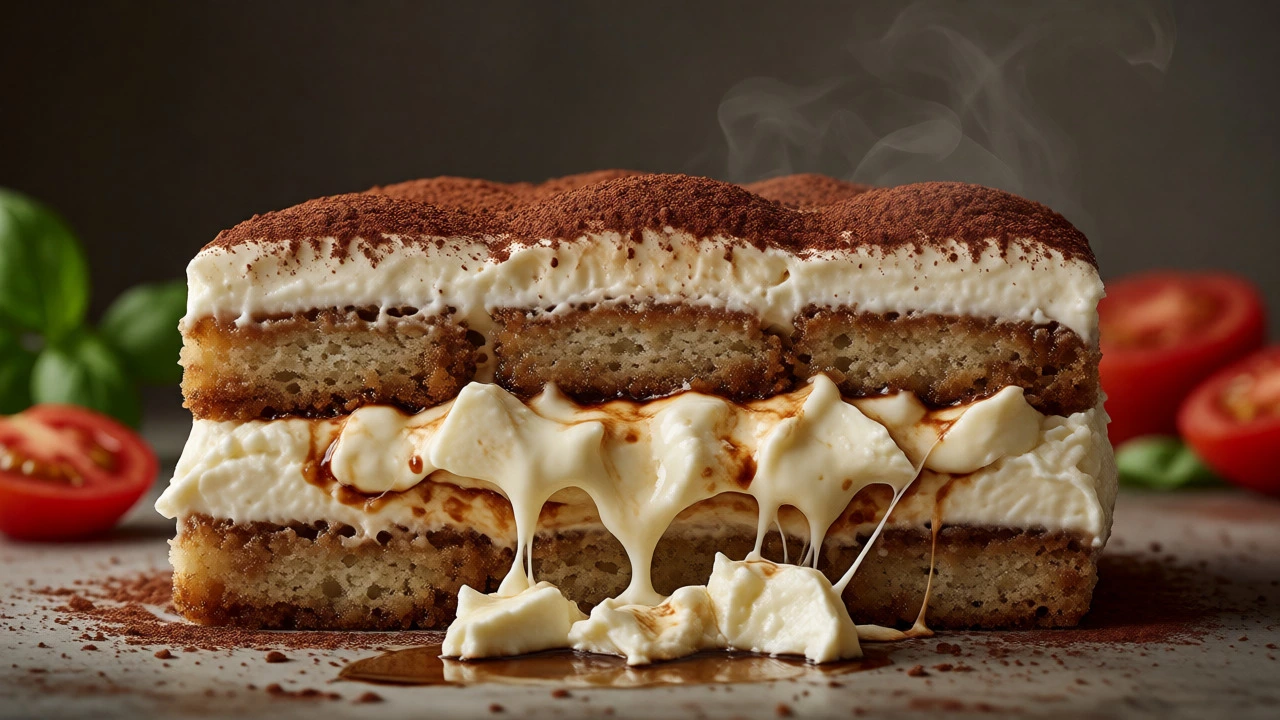
However, some modern chefs experiment with Buffalo Mozzarella in deconstructed desserts paired with balsamic glaze and strawberries. But for a standard tiramisu? Stick to mascarpone. If you must substitute, ricotta mixed with heavy cream gets closer to the texture than mozzarella ever could.
Why Confusion Happens in Recipe Blogs
A lot of online recipes are translated poorly. A Brazilian blogger writes "use mussarela" for a pizza recipe. An automated translator sees "mussarela" and translates it to "mozzarella" for an English audience. Then an American reader tries to use fresh mozzarella balls on their homemade pizza and wonders why the crust got soggy. Or worse, someone tries to use low-moisture mozzarella in a caprese salad and ends up with chewy rubber bands instead of creamy clouds.
Context is key. Always check the visual cues in the recipe photo. If the cheese looks like a solid white brick, it’s low-moisture. If it’s sitting in a puddle of water, it’s fresh. The name on the package matters less than the physical state of the cheese.
How to Choose the Right Mozzarella for Your Dish
Stop worrying about the spelling. Start worrying about the application. Here is a quick decision tree to help you pick the right cheese every time.
- Making Pizza: Use low-moisture mozzarella (block or shredded). Fresh mozzarella makes the center too wet unless you tear it into tiny pieces and pat it dry aggressively.
- Making Caprese Salad: Use fresh mozzarella (Fior di Latte or di Bufala). Low-moisture is too dense and salty; it won’t pair well with the acidity of tomatoes and basil oil.
- Making Lasagna: A mix is often best. Use low-moisture for the layers that need structure and fresh mozzarella dollops for pockets of creaminess.
- Making Tiramisu: Do not use mozzarella. Use Mascarpone. If you are out of mascarpone, blend ricotta with heavy cream and sugar until smooth.
- Making Bread Sticks or Calzones: Low-moisture mozzarella is superior here because it browns nicely and holds the filling together.
Storage Tips to Keep Your Cheese Perfect
Whether it’s spelled with a Z or an S, mozzarella spoils quickly. Fresh mozzarella should be stored in its brine in the fridge and used within three days. If you drain it, it dries out and becomes tough. Low-moisture mozzarella lasts longer-up to two weeks unopened-but once opened, wrap it tightly in plastic to prevent mold.
Never freeze fresh mozzarella. The ice crystals destroy the protein structure, turning it into a crumbly mess upon thawing. Low-moisture mozzarella freezes okay for cooking purposes (like pizza), but never for salads. The texture changes permanently.
The Bottom Line on Spelling and Substance
There is no culinary difference between Mozzarella and Mussarela. They are the same cheese wearing different passports. The real distinctions lie in moisture content, milk source (cow vs. buffalo), and freshness. For your tiramisu, ignore both spellings and reach for the mascarpone. For your pizza, grab the low-moisture block. For your salad, buy the fresh ball in water. Once you stop obsessing over the label and start looking at the cheese itself, your cooking will improve instantly.
Is Mussarela spicier than Mozzarella?
No, there is no difference in spice level. Mussarela is simply the Portuguese/Spanish spelling of Mozzarella. The flavor profile depends on the brand and whether it is made from cow's or buffalo's milk, not the spelling.
Can I use Mozzarella instead of Mascarpone in Tiramisu?
It is not recommended. Mozzarella is savory and salty, while Mascarpone is sweet and creamy. Using mozzarella will result in a strange, cheesy flavor that clashes with the coffee and cocoa. Ricotta blended with cream is a better substitute.
Which is better for pizza: Fresh Mozzarella or Low-Moisture?
For a Neapolitan-style pizza, fresh mozzarella is traditional and provides a creamy, juicy experience. For a New York-style or home oven pizza, low-moisture mozzarella is better because it stretches well and doesn't make the crust soggy.
Does Buffalo Mozzarella taste different from Cow Mozzarella?
Yes. Buffalo mozzarella (Mozzarella di Bufala) has a stronger, tangier, and more complex flavor compared to the milder, sweeter taste of cow's milk mozzarella (Fior di Latte).
Why is my mozzarella rubbery?
Rubbery texture usually happens when low-moisture mozzarella is overheated or when fresh mozzarella is frozen and then thawed. High heat causes the proteins to tighten excessively, squeezing out moisture and creating a tough chew.