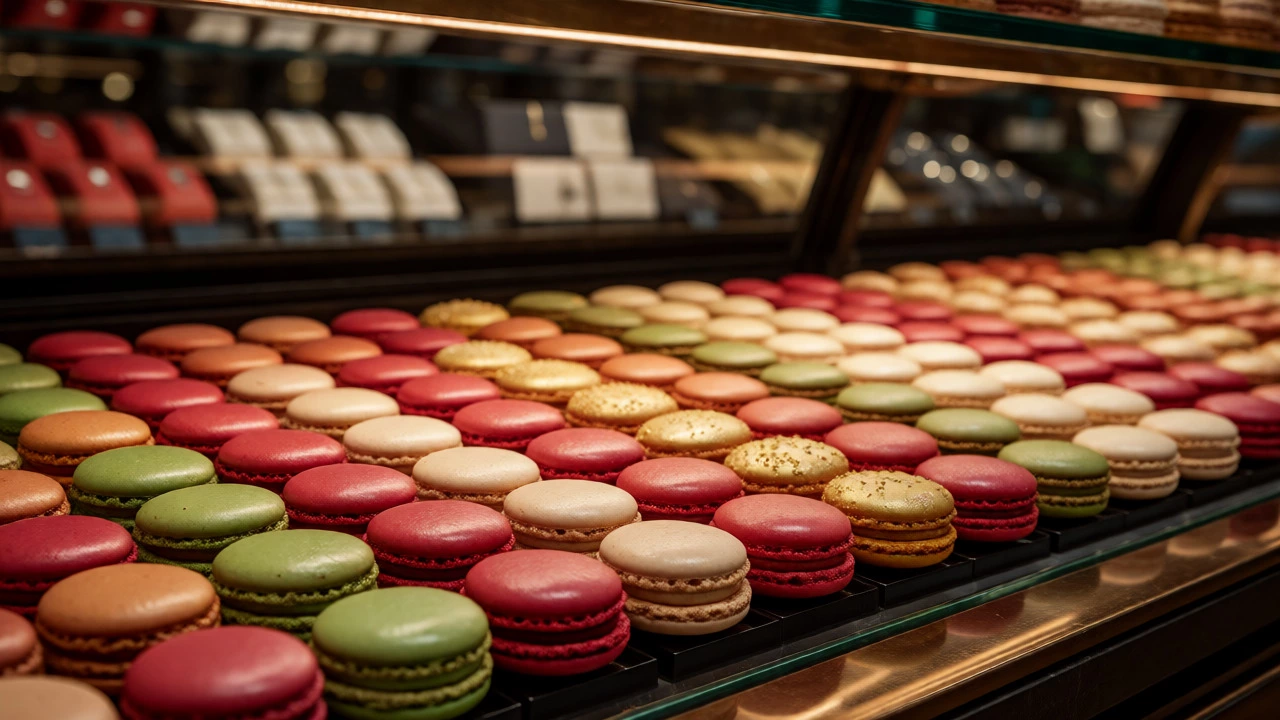
Cento Macaron Cost Estimator
Estimate your budget for a cento (100 macarons). Adjust the settings below to see how different factors impact the final price.
Configure Your Order
Select options and click Calculate to see your estimate.
You are planning a party, a wedding, or maybe just treating yourself to a serious sugar fix. You hear the term "cento" floating around bakeries and catering quotes, but what does it actually mean for your wallet? A cento is simply Italian for one hundred, so when a baker talks about a cento of macarons, they are quoting a price for exactly 100 units. But here is the catch: there is no single sticker price. Depending on where you buy them, who makes them, and how fancy the fillings are, that number can swing wildly from $80 to over $400.
Why such a huge gap? Because a macaron isn't just a cookie. It is a technical challenge involving almond flour, egg whites, and precise temperature control. When you pay for a cento, you aren't just buying ingredients; you are paying for the skill required to get those smooth tops and ruffled feet every single time. Let's break down exactly what you should expect to pay in late 2026, why the costs vary, and how to decide if you should buy them or bake them yourself.
The Real Math Behind the Price Tag
Before we look at specific dollar amounts, you need to understand the unit economics. Most people calculate dessert budgets by the dozen (12 units). A cento is roughly 8.3 dozen. If a local bakery charges $25 for a half-dozen, that sounds reasonable until you do the math. That equates to about $4.16 per macaron. Multiply that by 100, and your cento costs $416. Suddenly, that "cheap" box doesn't look so cheap.
Bakers often offer discounts for bulk orders because it saves them packaging time and setup costs. However, macarons have a short shelf life-usually 3 to 5 days in the fridge. This perishability limits how much inventory a baker can hold, keeping prices higher than long-lasting treats like brownies or cookies. If you see a cento priced under $100, ask yourself: Are these mass-produced frozen imports? Are they using artificial flavors instead of real fruit purees? Cheap macarons often taste like sweetened chalk with a hint of vanilla extract.
Commercial Bakery Prices vs. Home Bakers
The biggest factor influencing the cost of a cento is who is making them. The market splits into three distinct tiers, each with its own value proposition.
| Source Type | Price Range per Cento | Cost Per Unit | Quality Expectation |
|---|---|---|---|
| Supermarket / Frozen Brands | $60 - $90 | $0.60 - $0.90 | Inconsistent texture, artificial flavors, thick shells. |
| Local Artisan Bakery | $180 - $280 | $1.80 - $2.80 | Freshly baked, standard flavors, reliable quality. |
| Luxury Patisserie / Wedding Specialist | $300 - $500+ | $3.00 - $5.00+ | Gourmet fillings, custom colors, perfect symmetry, premium branding. |
| Home Baker (Custom Order) | $120 - $200 | $1.20 - $2.00 | Variable consistency, great value for flavor, limited capacity. |
Artisan bakeries typically charge between $1.80 and $2.80 per piece. They have overheads: rent, commercial ovens, insurance, and staff. When you order a cento from them, you are supporting a business infrastructure. These are safe bets for corporate events or casual parties where reliability matters more than wow-factor.
Luxury patisseries operate differently. Think of brands like Pierre Hermé or Ladurée, or high-end local equivalents. Their pricing reflects brand prestige and extreme attention to detail. A cento here might include gold leaf, rare spice infusions like saffron or yuzu, or complex ganaches. For a wedding favor or a VIP gift bag, this price point is common. You are paying for the experience and the guarantee that every single macaron looks identical.
Home bakers occupy the middle ground. Many passionate hobbyists sell out of their kitchens (where cottage food laws allow). They lack the overhead of a storefront, so they can offer competitive rates, often around $1.50 per unit. However, their capacity is limited. Ordering 100 macarons from a home baker means asking them to spend an entire day baking. Communication is key here-ask about their lead times early.
Hidden Costs That Inflate Your Bill
The base price per macaron is just the starting line. Several factors can push your total up significantly.
- Flavor Complexity: Standard flavors like chocolate, vanilla, and raspberry are usually included in the base price. But if you want salted caramel, pistachio, or lemon basil, some bakers add a surcharge of $0.20-$0.50 per unit. Why? Because sourcing high-quality pistachio paste or fresh basil is expensive and labor-intensive.
- Color Customization: Natural dyes are pricey. Achieving a deep navy blue or a vibrant neon pink without artificial coloring requires large amounts of natural pigments (like beet powder or butterfly pea flower). Some bakers charge extra for "custom color matching" to fit your event theme.
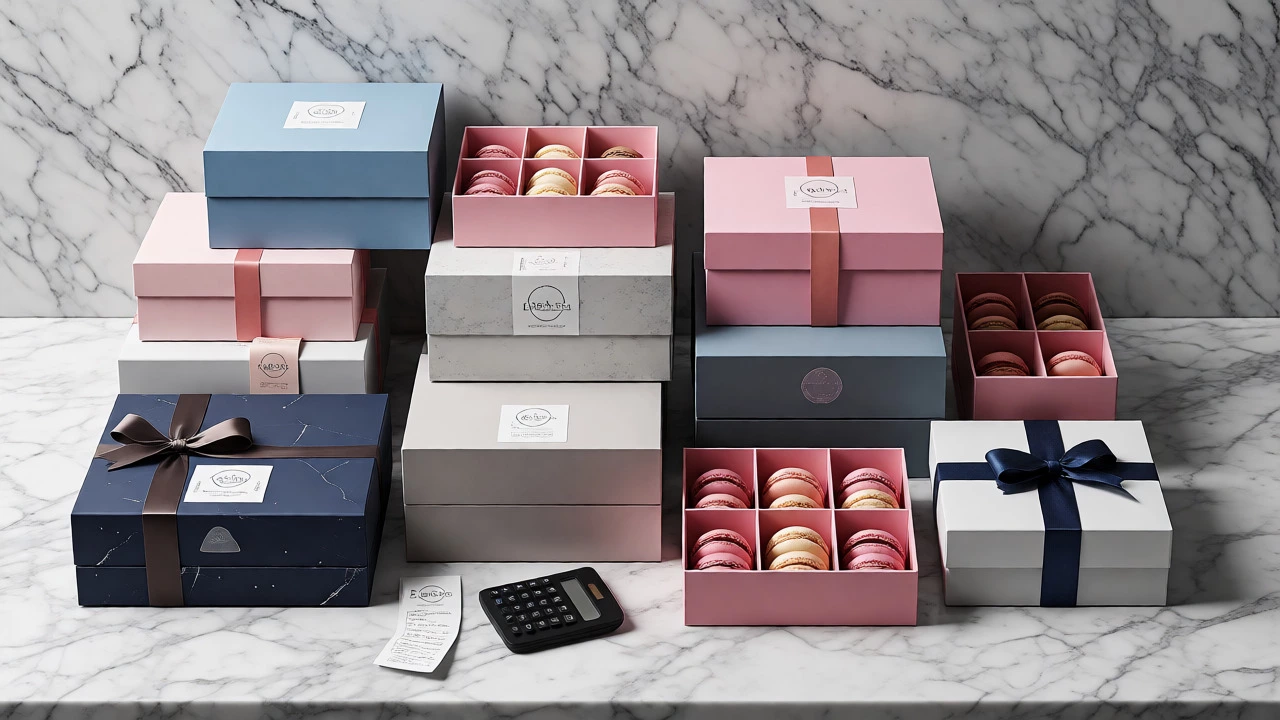
- Packaging: Do you need individual boxes? Ribbon ties? Branded stickers? Packaging adds up fast. A simple clear clamshell holding 6 macarons might be free, but a luxury gift box with foam inserts could add $2-$5 per box. For a cento, that’s 16+ boxes. That’s an easy $50-$80 addition to your bill.
- Delivery Fees: Macarons are fragile. Temperature fluctuations during transport can ruin them. Many bakers require professional courier services for large orders, which can cost $30-$75 depending on distance.
DIY: Is Making a Cento Worth the Effort?
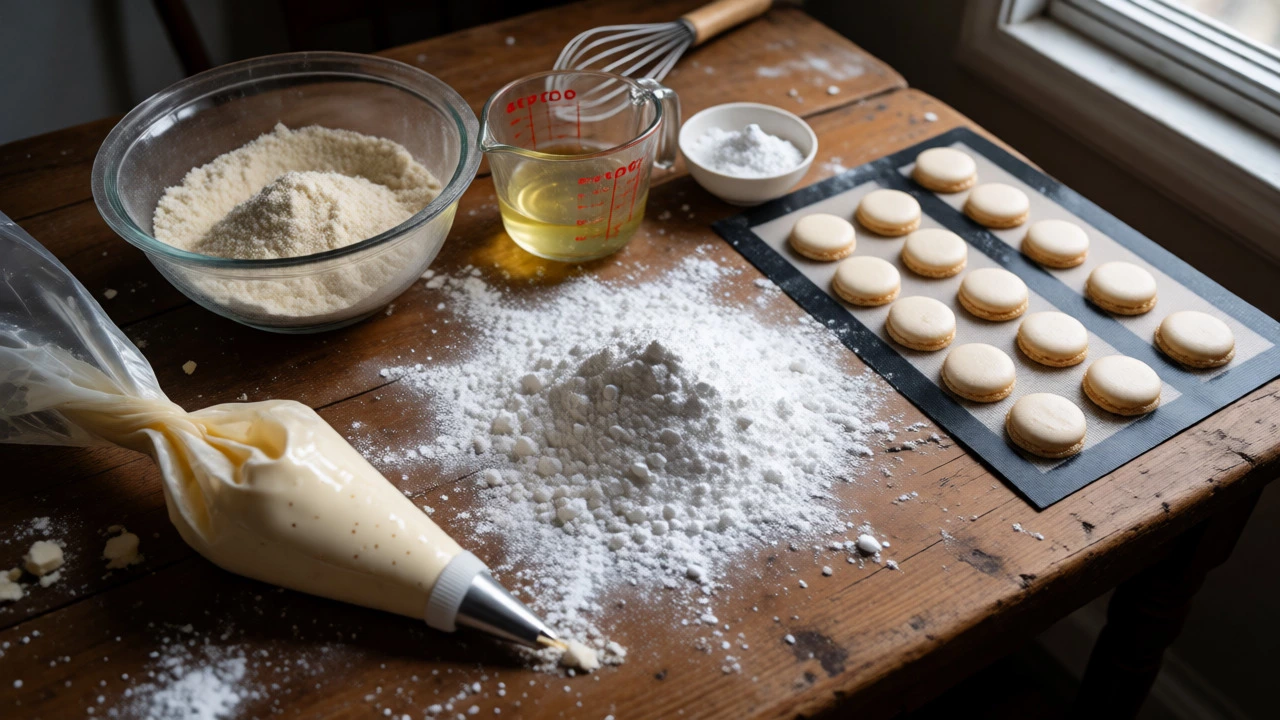
Let's flip the script. What if you made them yourself? The ingredient cost for a cento is surprisingly low. Almond flour, powdered sugar, egg whites, granulated sugar, and cream cheese or butter for filling. Roughly speaking, raw ingredients might cost you $0.30-$0.50 per macaron. So, your material cost for 100 macarons is only $30-$50.
But wait. Time is money. To make 100 macarons, you need to pipe, dry, bake, cool, fill, and mature them. This process takes 12-16 hours of active and passive work spread over two days. If you value your time at even $15/hour, the DIY route suddenly costs $180-$240 plus materials. And that assumes you don't burn a batch. Macarons are notorious for failing. Hollow shells, cracked tops, and sticky bottoms are common first-timer disasters.
Here is a quick decision tree:
- Do you love baking technically challenging recipes? Yes → Try DIY. No → Buy.
- Is the event critical (e.g., wedding)? Yes → Buy from a pro. No → DIY or hire a home baker.
- Do you have multiple oven racks and help? Yes → DIY is feasible. No → Buying is safer.
How to Save Money Without Sacrificing Quality
If the quote for a cento stings, try these strategies to lower the cost while keeping the dessert impressive.
Mix and Match Sizes: Not all macarons need to be giant. Mini macarons use less batter and filling. Some bakers offer a "mini cento" at a lower rate. Alternatively, combine a smaller quantity of full-size macarons with other desserts like truffles or petit fours. This reduces the total count of macarons needed while still providing variety.
Choose Seasonal Flavors: Ask the baker what fruits are currently abundant. In November, apples, pears, and citrus are plentiful and cheaper than imported berries. A pear-ginger macaron might be cheaper than a strawberry-basil one because the ingredients are locally sourced and in season.
Order Earlier: Last-minute orders often incur rush fees. Placing your order 2-3 weeks in advance allows the baker to plan their production schedule efficiently, potentially saving you a 10% rush surcharge.
Skip the Fancy Packaging: Buy the macarons in bulk trays (if the baker allows) and package them yourself. You can buy elegant ribbons and small boxes online for pennies. Presenting them beautifully at the venue saves the markup the baker adds for pre-packaged goods.
What Should You Actually Pay? A Final Verdict
So, what is the fair market value for a cento of macarons right now? If you are looking for decent, tasty macarons for a birthday party or office meeting, aim for the $150-$200 range. This gets you good quality from a reputable local bakery or a skilled home baker without breaking the bank.
For weddings or high-stakes corporate events, budget $250-$350. This ensures professional presentation, consistent quality, and likely includes better packaging options. Anything above $400 is reserved for luxury experiences where the brand name and exotic ingredients drive the price.
Remember, macarons are a luxury item. They are not meant to be eaten in large quantities like popcorn. A cento is a lot of macarons! For most gatherings, 2-3 per guest is plenty. Adjust your order size based on your guest list rather than sticking rigidly to the "cento" metric if it leads to waste.
Why are macarons so expensive compared to regular cookies?
Macarons require expensive ingredients like almond flour and high-quality chocolate or fruit purees. More importantly, they demand significant labor and skill. The process involves precise weighing, folding, piping, drying, and baking. High failure rates mean bakers must account for wasted batches in their pricing. Regular cookies are forgiving and can be made quickly in large batches with cheaper ingredients like wheat flour.
Can I freeze a cento of macarons to save money later?
Yes, macarons freeze very well. In fact, many experts say they taste better after maturing in the freezer for 24 hours. You can buy them on sale or in bulk, freeze them in airtight containers, and thaw them in the fridge for 24 hours before serving. This strategy works best with robust flavors like chocolate or coffee; delicate fruit fillings may change texture slightly.
Does the shape of the macaron affect the price?
Generally, no. Whether round, heart-shaped, or oval, the amount of batter and filling remains similar. However, intricate shapes that require specialized molds or hand-piping skills might incur a small labor surcharge. Standard round macarons are the most efficient to produce and thus usually carry the base price.
How many macarons do I need for a wedding of 100 guests?
A standard rule of thumb is 2 to 3 macarons per guest if served as part of a dessert table alongside other sweets. If macarons are the sole dessert, plan for 4-5 per guest. For 100 guests, ordering one cento (100 pieces) would provide only one per person, which is rarely enough. Two centos (200 pieces) is a safer bet for a generous offering.
Are vegan macarons more expensive?
Often, yes. Vegan macarons replace egg whites with aquafaba (chickpea brine), which requires different handling techniques and sometimes additional stabilizers to achieve the same structure. Sourcing vegan-friendly high-quality chocolates and creams also tends to cost more. Expect a 10-20% price increase over traditional dairy-based macarons.