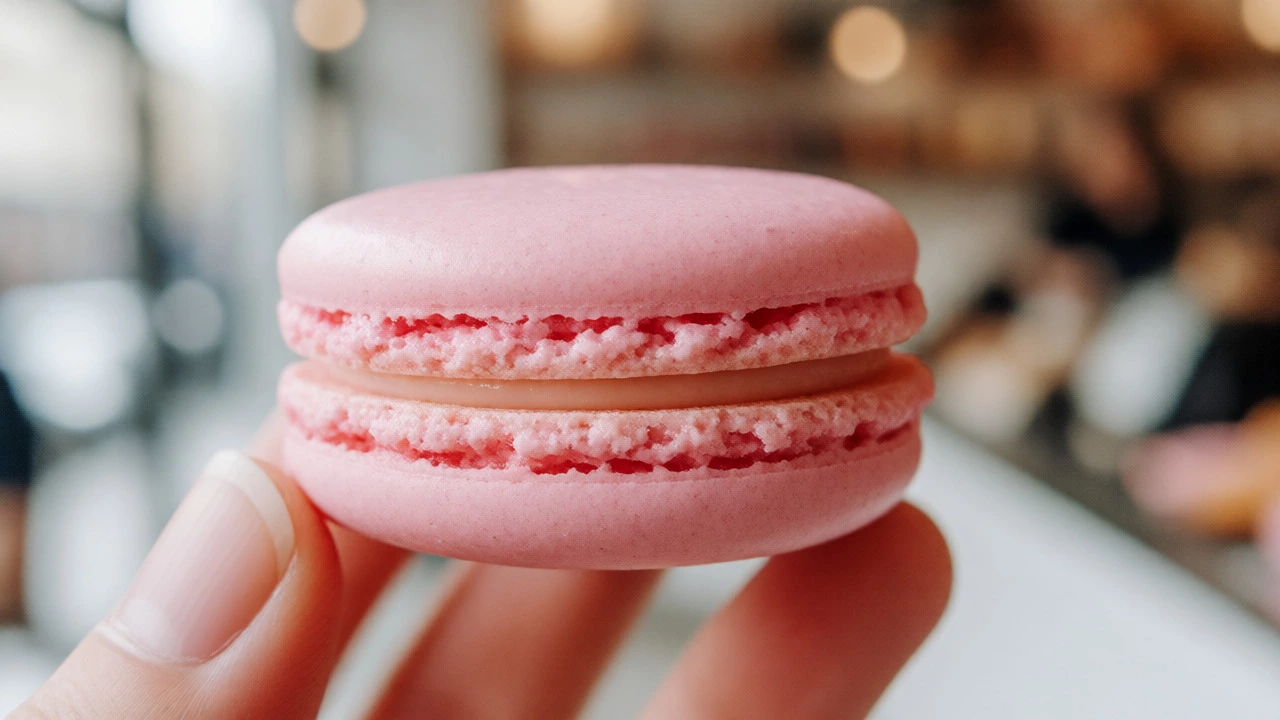
Macaron Nutrition Calculator
Not all macarons are created equal. Use this tool to estimate the real nutritional cost of your treat.
Your Macaron Details
*Based on NHS recommendation of 30g free sugars per day.
You bite into one. It’s delicate, crisp on the outside, chewy on the inside, and melts away with a burst of flavor. Then comes the guilt trip: how bad is this for my waistline?
If you’ve ever stared at a box of colorful French treats wondering if they’re a diet killer or just a harmless indulgence, you aren’t alone. The answer isn’t as simple as "it depends," but it’s closer than you think. A standard French macaron contains between 80 and 150 calories. That sounds low, right? But context matters. These aren’t just empty calories; they are dense packages of sugar and fat packed into a tiny shell.
The Quick Answer
- Average Count: One standard macaron (approx. 15-20g) has ~100 calories.
- Main Drivers: Sugar and almond flour are the primary calorie sources.
- Filling Impact: Ganache adds more calories than buttercream or jam.
- Diet Friendly? They are gluten-free but rarely low-carb or keto-friendly.
Breaking Down the Calorie Math
Let’s look at what actually goes into these little cookies. You might assume the egg whites provide most of the bulk, but that’s misleading. Egg whites are mostly water and protein, contributing very few calories. The real heavy hitters are the dry ingredients.
The shell itself is made from almond flour and powdered sugar. Almond flour is nutrient-dense but calorie-dense because almonds are high in healthy fats. Powdered sugar is pure carbohydrate energy. When you mix them, you get a base that is roughly 40-60% sugar by weight.
Then there’s the filling. This is where the numbers swing wildly. A basic ganache (chocolate and cream) is rich in saturated fats. Buttercream adds even more density. Fruit jams might seem lighter, but they often contain added pectin and extra sugar to maintain texture. So, when you ask "how many calories," you are really asking "what kind of filling did I choose?"
Standard vs. Gourmet: Why Size Matters
Not all macarons are created equal. In Bristol, where I live, artisan bakeries often make larger, taller shells compared to supermarket brands. A homemade batch might yield smaller, thinner cookies, while a luxury patisserie piece could weigh nearly double.
Here is a realistic breakdown based on common sizes found in UK bakeries and home kitchens:
| Macaron Type | Weight (grams) | Estimated Calories | Primary Filling |
|---|---|---|---|
| Mini Macaron | 8-10g | 40-50 kcal | Jam/Gelée |
| Standard Homemade | 15-18g | 80-95 kcal | Buttercream |
| Artisan/Patisserie | 20-25g | 110-130 kcal | Ganache/Curd |
| Loaded/Extra Thick | 30g+ | 150+ kcal | Caramel/Salted Butter |
Notice the jump? Going from a mini to an artisan size doesn’t just add a few calories; it can triple your intake. If you are tracking macros strictly, weighing your macarons on a kitchen scale is the only way to be accurate. Eyeballing it usually leads to underestimating by about 20%.
Sugar Shock: The Hidden Danger
Calories tell you how much energy is in the food. Glycemic impact tells you how it affects your blood sugar. And here is the problem: macarons are essentially candy disguised as pastry.
A single macaron can contain up to 10 grams of sugar. For reference, the NHS recommends adults limit free sugars to no more than 30g per day. Eating three macarons hits half your daily allowance instantly. This spike in blood glucose triggers an insulin response, which can lead to energy crashes later. If you are diabetic or pre-diabetic, a macaron is not a "safe" snack, regardless of its small size.
Is there a lower-sugar option? Technically, yes. Some bakers use erythritol or stevia blends. However, these alter the chemistry of the meringue. Sugar isn’t just for taste; it provides structure and moisture retention. Without enough sugar, macarons become brittle or fail to form their signature "feet." So, truly low-sugar macarons often sacrifice texture for health claims.
Nutritional Profile: Beyond Just Calories
Are macarons nutritious? Let’s be honest-they are desserts. But they do offer some benefits over traditional wheat-flour cakes.
Because they are made from almonds, they are naturally gluten-free. This makes them accessible for those with celiac disease or gluten sensitivity. Almonds also provide vitamin E, magnesium, and fiber. However, the quantity in one cookie is negligible. You would need to eat dozens to get significant nutritional value, which defeats the purpose due to the calorie load.
Here is a typical macro breakdown for one standard 20g macaron:
- Total Fat: 5-7g (mostly unsaturated from almonds, plus saturated from butter/cream)
- Carbohydrates: 12-15g (almost entirely sugar)
- Protein: 1-2g (from egg whites and almonds)
- Fiber: <1g
As you can see, it’s a high-carb, moderate-fat, low-protein snack. It lacks the satiety factor of a nut bar or a piece of fruit. You won’t feel full after eating one. In fact, the combination of sugar and fat often triggers cravings for more.
Can You Eat Macarons on a Diet?
Yes, but you have to be strategic. If you are counting calories, fit two macarons into your daily budget. If you are doing intermittent fasting, save them for your eating window. If you are keto, skip them unless you find a specific recipe using coconut flour and monk fruit sweetener.
Here are three rules to keep them guilt-free:
- Pair with Protein: Eat your macaron alongside a handful of nuts or a cup of Greek yogurt. The protein slows down sugar absorption.
- Choose Light Fillings: Opt for fruit curds or light whipped cream instead of dark chocolate ganache or salted caramel. You can save 20-30 calories per cookie.
- Share the Box: Buy a six-pack, share with a friend, and enjoy two each. Social enjoyment reduces mindless snacking.
DIY vs. Store-Bought: Who Wins?
Making macarons at home gives you control over ingredients. You can reduce sugar slightly, though going below 70% of the original amount risks structural failure. You can also swap butter for healthier oils, though flavor changes.
Store-bought macarons often contain preservatives like sorbic acid to extend shelf life. They may also use cheaper fillings with palm oil or corn syrup solids. While the calorie count might be similar, the ingredient quality differs. Home-made versions generally taste fresher and lack artificial additives, but require significant skill to master.
If you buy from a local bakery in Bristol, ask about their recipe. Many use premium couverture chocolate and fresh dairy. Supermarket versions often rely on stabilizers. Check the label: if the first ingredient is sugar rather than almonds, you are paying for sweetness, not substance.
Common Misconceptions About Macaron Nutrition
People often confuse macarons with macaroons. They are completely different beasts.
A coconut macaroon is a dense, sticky cookie made from shredded coconut, condensed milk, and egg whites. It is typically higher in calories and carbs than a French macaron because condensed milk is incredibly sugary. Don’t swap one for the other expecting the same nutritional profile.
Another myth: "They are light, so they must be low-calorie." Lightness refers to texture, not energy density. Air bubbles don’t have calories, but the thin walls of the shell are concentrated sugar and fat. Don’t let the airy appearance fool you.
Are macarons gluten-free?
Yes, traditional French macarons are naturally gluten-free because they use almond flour instead of wheat flour. However, always check labels for cross-contamination warnings if you have celiac disease, especially in bakeries that also handle wheat products.
Which macaron flavor has the least calories?
Fruit-based flavors like lemon, raspberry, or passionfruit usually have fewer calories than chocolate, coffee, or salted caramel. This is because fruit curds or jams are less dense than chocolate ganache or buttercream. Expect around 80-90 calories for fruit varieties versus 110+ for chocolate.
Can diabetics eat macarons?
Diabetics should consume macarons in strict moderation. Due to the high glycemic index from powdered sugar, they cause rapid blood sugar spikes. Pairing one macaron with protein or fiber can help mitigate this effect, but monitoring blood glucose levels afterward is wise.
Do mini macarons have fewer calories?
Yes, proportionally. A mini macaron weighs about half as much as a standard one, so it contains roughly half the calories (around 40-50 kcal). However, people tend to eat more minis in one sitting, negating the benefit. Stick to a set number, such as three minis, to keep intake controlled.
Are macarons healthier than regular cookies?
Not necessarily. While macarons avoid refined wheat flour, they are extremely high in sugar and fat. A standard chocolate chip cookie might have similar calories but offers more fiber if made with whole grains. Macarons are essentially confectionery, so treat them as such rather than a health food.
Final Thoughts: Enjoy Without Regret
Knowing the exact calorie count removes the anxiety. A macaron is not a diet staple, but it’s not a sin either. It’s a luxury item. By choosing smaller sizes, lighter fillings, and pairing them wisely, you can fit them into almost any lifestyle. Next time you’re tempted, grab one, savor every bite, and remember: 100 calories is a small price for a moment of joy.