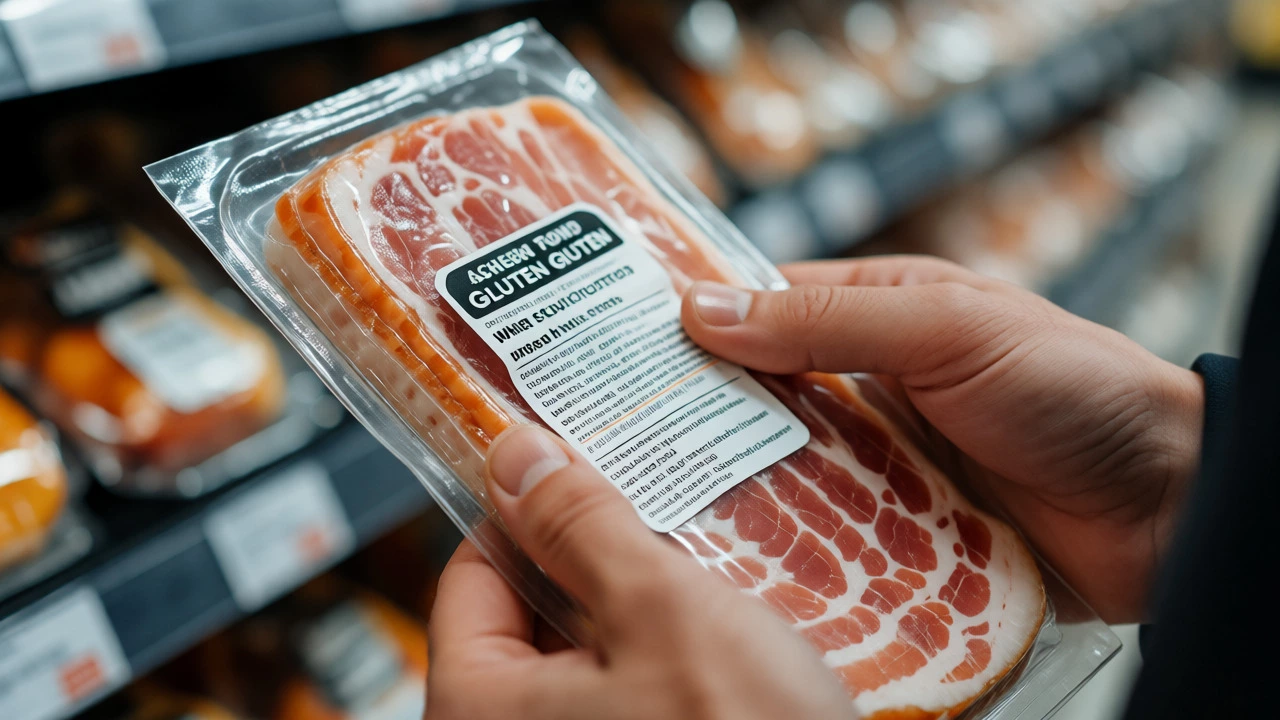
Bacon Gluten Safety Checker
Select your bacon type below to see its potential gluten risk level and what to look for on the label.
Generally Safe
Always check the ingredient list for hidden additives.What to Look For On The Label
- ✓ Ingredients should only list pork, salt, sugar, smoke flavoring, and nitrites.
- ✕ Avoid if you see: Wheat starch, modified corn starch (if not specified GF), soy sauce, or maltodextrin (unless certified).
You’re standing in the supermarket aisle, staring at a pack of streaky bacon. You’ve just been diagnosed with coeliac disease, or maybe you’re trying to cut out wheat to feel less bloated. The question hits you hard: is bacon gluten free? It seems obvious-bacon is pork, and pigs don’t eat bread, right? But if you’ve ever had a mysterious reaction after a full English breakfast, you know that "obvious" doesn’t always mean "safe." For anyone navigating a strict gluten-free diet, understanding the difference between plain meat and processed products is the difference between a good day and a week of stomach pain.
The Short Answer: Plain vs. Processed
Here is the core truth: Bacon is a cured meat product made from pork belly or back cuts, which is naturally gluten-free in its purest form. Pork itself contains no gluten. However, the processing methods used by manufacturers often introduce gluten-containing ingredients. This is where things get tricky. If you are buying raw, unflavoured bacon from a reputable butcher who slices it fresh, you are likely safe. But if you are grabbing pre-packaged, smoked, or flavoured bacon from the supermarket shelf, you need to read the label like your health depends on it-because it does.
Why would a manufacturer add gluten to bacon? Usually, it’s not because they want to make you sick. It’s about cost, texture, and flavour retention. Fillers help the meat hold water during curing, making the final product heavier and juicier when cooked. Wheat-based fillers are cheap and effective. So, while the pig didn’t eat gluten, the factory might have added it later.
Hidden Sources of Gluten in Bacon
When we talk about gluten, we usually think of bread, pasta, and beer. But gluten hides in places you’d never expect. In the world of processed meats, these hidden sources are common culprits:
- Maltodextrin: Often derived from corn (which is safe), but can be derived from wheat. In the UK and EU, if maltodextrin comes from wheat, it must be declared. In the US, it might not be, so checking the brand’s sourcing policy matters.
- Soy Sauce: Traditional soy sauce is brewed with wheat. Many bacon glazes, marinades, or injection solutions use soy sauce for saltiness and umami. Tamari is the gluten-free alternative, but it’s rarely used in mass-produced bacon unless specified.
- Flavourings: Natural flavours can sometimes contain barley malt or wheat starch as carriers. If a package says "maple-flavoured" or "honey-glazed," there’s a higher chance of additives.
- Cross-Contamination: Even if the recipe has no gluten, the bacon might be sliced on the same machine as ham containing breadcrumbs, or stored near wheat-based products in a deli counter.
This isn’t just theoretical. Coeliac UK states that while most plain bacon is safe, those with severe sensitivity should look for products marked "gluten-free" or certified by recognised bodies. The risk isn’t just about feeling unwell; repeated exposure damages the small intestine, leading to long-term nutrient deficiencies.
How to Spot Safe Bacon: Reading Labels Like a Pro
You don’t need a degree in food science to spot danger. You just need to know what to look for. Here is a practical checklist for your next shopping trip:
| Bacon Type | Gluten Risk | Common Additives to Watch | Verdict |
|---|---|---|---|
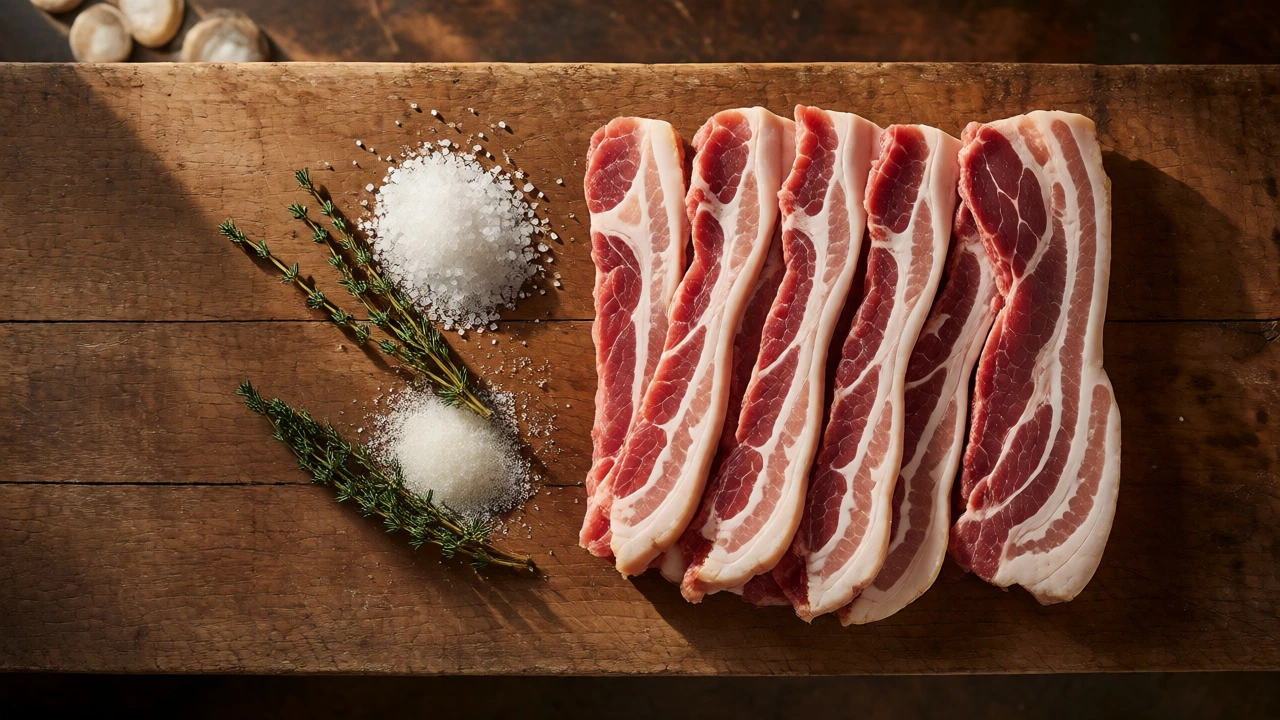
| Plain Streaky/Back Bacon (Uncooked) | Low | None (usually just pork, salt, smoke) | Generally Safe |
| Pre-Cooked / Ready-to-Eat Bacon | Medium-High | Hydrolysed vegetable protein, stabilisers | Check Label Carefully |
| Maple / Honey Flavoured | High | Syrups, flavour enhancers, soy sauce | Risky - Verify Ingredients |
| Canadian Bacon (Lean Back) | Medium | Fillers, binders | Often Contains Gluten |
| Certified Gluten-Free Brand | Very Low | Controlled supply chain | Safe |
Look for specific phrases on the packaging. In the UK, "No Gluten Containing Ingredients" is a legally protected claim if followed correctly. In the US, the FDA requires "Gluten-Free" labels to mean less than 20 parts per million (ppm) of gluten. If you see "may contain traces," proceed with caution. For someone with active coeliac disease, "traces" can still trigger symptoms.
Cooking Methods That Introduce Gluten
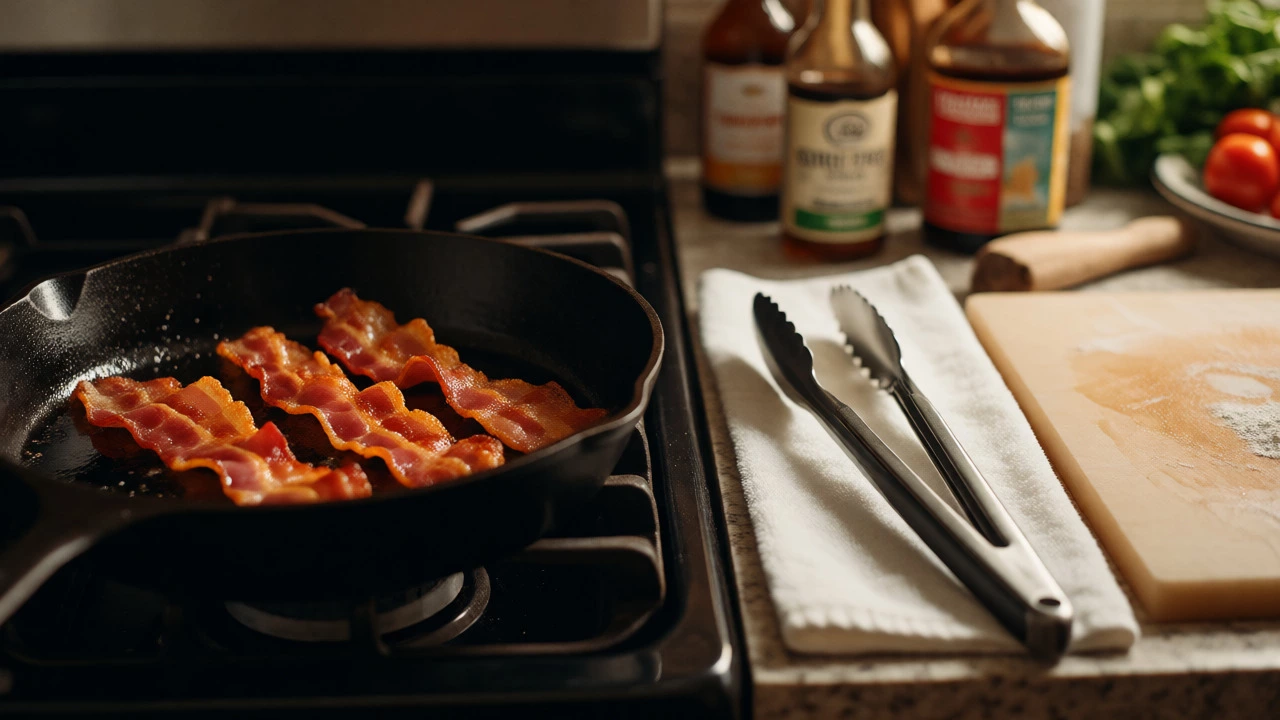
Even if you buy perfectly safe bacon, you can ruin it in the kitchen. Cross-contamination happens more often than people realise. Think about your toaster. If you toast gluten-free bread in a slot that previously held a slice of white sourdough, crumbs remain. Now imagine frying bacon in a pan that was used to cook crumb-coated chicken schnitzel earlier that morning. Those microscopic particles transfer instantly.
To keep your bacon truly gluten-free, follow these rules:
- Dedicated Utensils: Use separate tongs, spatulas, and cutting boards. Don’t let them touch anything with flour.
- Clean Surfaces: Wipe down counters before placing raw bacon on them. Flour dust floats around kitchens easily.
- Avoid Shared Fryers: If you’re eating out, ask if the bacon is fried in shared oil. Battered fish or onion rings fried in the same oil will contaminate your bacon immediately.
- Watch the Sides: Your bacon might be safe, but what about the baked beans? Or the toast? Or the gravy? One unsafe side dish can undo the safety of the main event.
UK-Specific Advice for Bacon Lovers
Living in Bristol, I’ve noticed that local butchers are often more transparent than big supermarkets. When you buy from a traditional butcher, you can ask exactly how the meat is processed. Most independent butchers cure their own bacon using simple brines of salt, sugar, and nitrites. They rarely use wheat-based fillers because they pride themselves on quality meat, not weight-padding.
However, supermarket brands vary wildly. Some major UK retailers now offer dedicated gluten-free ranges, clearly labelled with a crossed-grain symbol. Brands like Hungry Howie's or specific lines from Waitrose and M&S often have clearer labelling. Always check the allergen information section, which is bolded in ingredient lists. If you see "Wheat" or "Barley" listed there, put it back.
What About Ham and Other Cured Meats?
If you’re worried about bacon, you should probably worry about ham too. Ham is even more likely to contain gluten than bacon. Why? Because hams are often injected with solutions to improve tenderness and moisture retention. These injections frequently include modified corn starch, potato starch, or-crucially-wheat starch. Dry-cured hams are safer, but wet-cured ones are a minefield.
Similarly, watch out for sausages. While not bacon, they often appear on the same breakfast plate. Many British sausages use rusk (dried bread) as a filler. Unless the packet explicitly says "gluten-free sausage," assume it contains wheat. The same logic applies to black pudding, which traditionally uses oatmeal or barley, both of which are problematic for many coeliacs (oats require special certification due to cross-contamination risks).
Beyond Breakfast: Using Bacon in Gluten-Free Cooking
Once you’ve secured a safe source of bacon, you can start enjoying it again without fear. Bacon adds depth to salads, wraps, and even desserts. Since this site focuses on gluten-free cakes, you might wonder: does bacon belong in cake? Actually, yes. Savoury-sweet combinations are trending. Imagine a cheddar and spring onion scone made with gluten-free flour mix, topped with crispy bacon. Or a chocolate brownie with sea salt and candied bacon bits. Just ensure your baking powder is gluten-free (some cheap brands use wheat starch as an anti-caking agent) and your bacon is certified safe.
For everyday meals, try wrapping chicken breasts in bacon instead of using breadcrumb coatings. It gives you that crunch without the carbs. Or chop up leftover safe bacon into omelettes. It’s a versatile protein that fits perfectly into a paleo, keto, or gluten-free lifestyle, provided you do your homework on the source.
Is all bacon naturally gluten free?
Plain, unprocessed pork is naturally gluten-free. However, most commercially available bacon undergoes processing that may involve gluten-containing additives like wheat starch, maltodextrin, or soy sauce. Therefore, not all bacon is automatically safe for people with coeliac disease.
Can I eat Canadian bacon on a gluten-free diet?
Canadian bacon often contains gluten because it is typically cured with a solution that includes wheat-based fillers or stabilisers. You must check the ingredient list specifically for wheat, barley, or rye derivatives. Look for brands that explicitly state "gluten-free" on the packaging.
Does smoking bacon add gluten?
Smoking itself does not add gluten, as it involves exposing meat to wood smoke. However, some smokers use liquid smoke flavourings or apply rubs that might contain wheat flour as a binder. Always verify the ingredients list rather than assuming the smoking process is the only factor.
Are oats safe for coeliacs if they aren't certified gluten-free?
Pure oats are technically gluten-free, but they are highly susceptible to cross-contamination with wheat, barley, and rye during growing, harvesting, and processing. Most coeliacs react to contaminated oats. Only consume oats that are certified gluten-free to ensure safety.
How do I avoid cross-contamination when cooking bacon at home?
Use clean pans and utensils that haven't touched gluten-containing foods recently. Avoid using shared fryers or grills where battered items are cooked. Store bacon separately from bread or crumb-heavy items in the fridge to prevent airborne flour dust contamination.