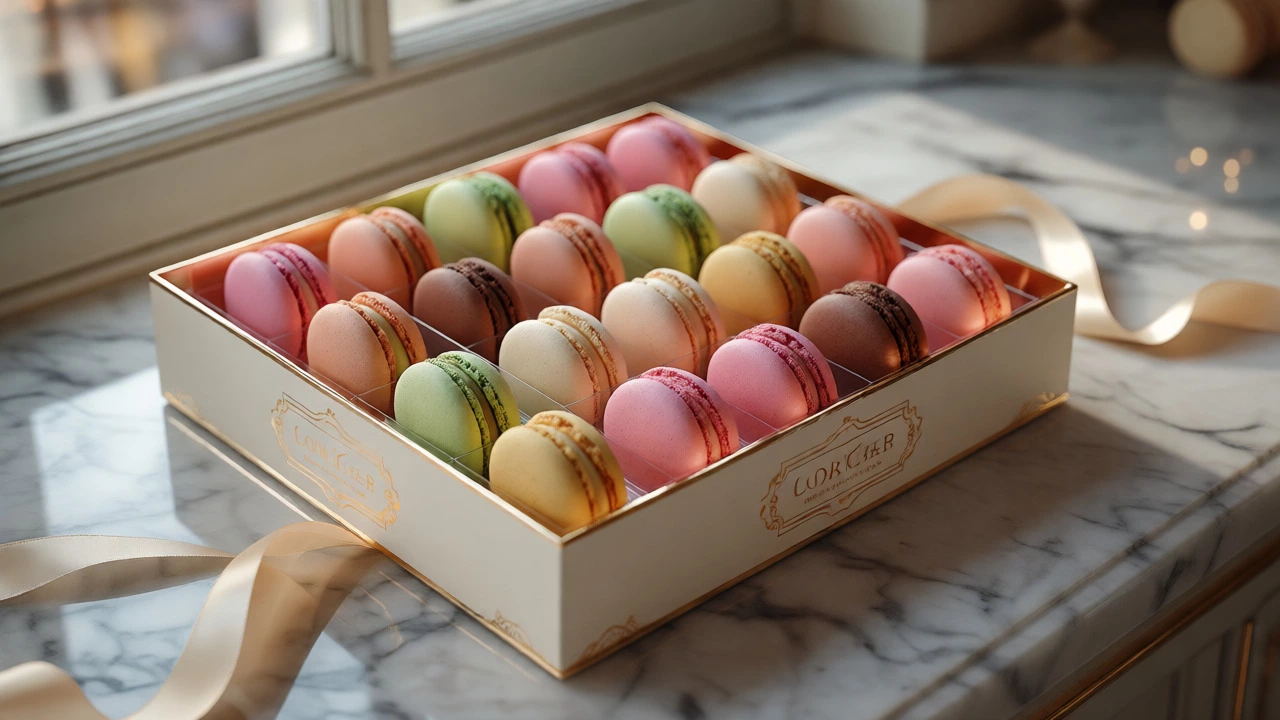
Macaron Box Cost Estimator
Estimate the cost for your specific occasion. Adjust the settings below to see how vendor choice and flavor selection impact your total bill.
Estimated Total
You’re planning a party or just craving something sweet, and the question hits you: how much do 20 macarons cost? It’s not as simple as grabbing a bag of chips. These delicate French confections vary wildly in price depending on who made them, where you buy them, and what flavor is inside. If you walk into a high-end patisserie in London or New York, you might pay £3 per piece. But if you know where to look-or bake them yourself-you can get that same box for a fraction of that cost.
Here is the reality: there is no single "standard" price. A batch of 20 could range from £15 at a local bakery to over £80 at a luxury hotel. This guide breaks down exactly why prices differ, what you should expect to pay in different scenarios, and how to decide if it’s worth spending the extra cash.
The Real Cost Breakdown: Why Prices Vary
To understand the price tag, you have to look at the ingredients and labor. Unlike cookies, which are forgiving, macarons are notoriously difficult to make. They require precise temperature control, aging egg whites, and almond flour, which is significantly more expensive than wheat flour. One bad oven cycle can ruin an entire batch. That risk is baked into the price.
When you buy a box of 20, you aren't just paying for sugar and almonds. You are paying for:
- Labor Intensity: Each shell is piped individually. A skilled pastry chef might pipe 100 shells an hour, but they also need time to rest, bake, cool, and fill them.
- Ingredient Quality: Premium brands use organic almond flour and real vanilla beans instead of extracts. The difference in taste is subtle but noticeable to those who care.
- Brand Prestige: Buying from a famous name like Pierre Hermé or Ladurée carries a markup similar to designer handbags. You’re paying for the logo and the guarantee of consistency.
If you are wondering why a supermarket version costs £10 while a boutique version costs £40, it usually comes down to shelf life and texture. Supermarket macarons often contain stabilizers to keep them soft for weeks. Artisan versions are meant to be eaten within 24-48 hours, offering a crisp shell and moist interior that mass production struggles to replicate.
Retail vs. Wholesale: Where to Buy Your Box
Your location dictates your budget. Let’s look at three common purchasing channels and what they charge for a standard box of 20 classic flavors (vanilla, chocolate, pistachio).
| Vendor Type | Price Range (GBP) | Quality Expectation | Best For |
|---|---|---|---|
| Supermarket / Mass Market | £10 - £15 | Inconsistent texture; long shelf life; artificial flavors common. | Casual snacking; low-budget events. |
| Local Bakery / Café | £20 - £35 | Freshly made daily; better ingredients; variable skill level. | Office parties; personal treats. |
| Luxury Patisserie | £45 - £70+ | Precision baking; exotic flavors; elegant packaging. | Weddings; gifts; special occasions. |
| Home Baker (Direct Purchase) | £15 - £25 | Highly variable; often freshest; supports small business. | Community support; unique custom orders. |
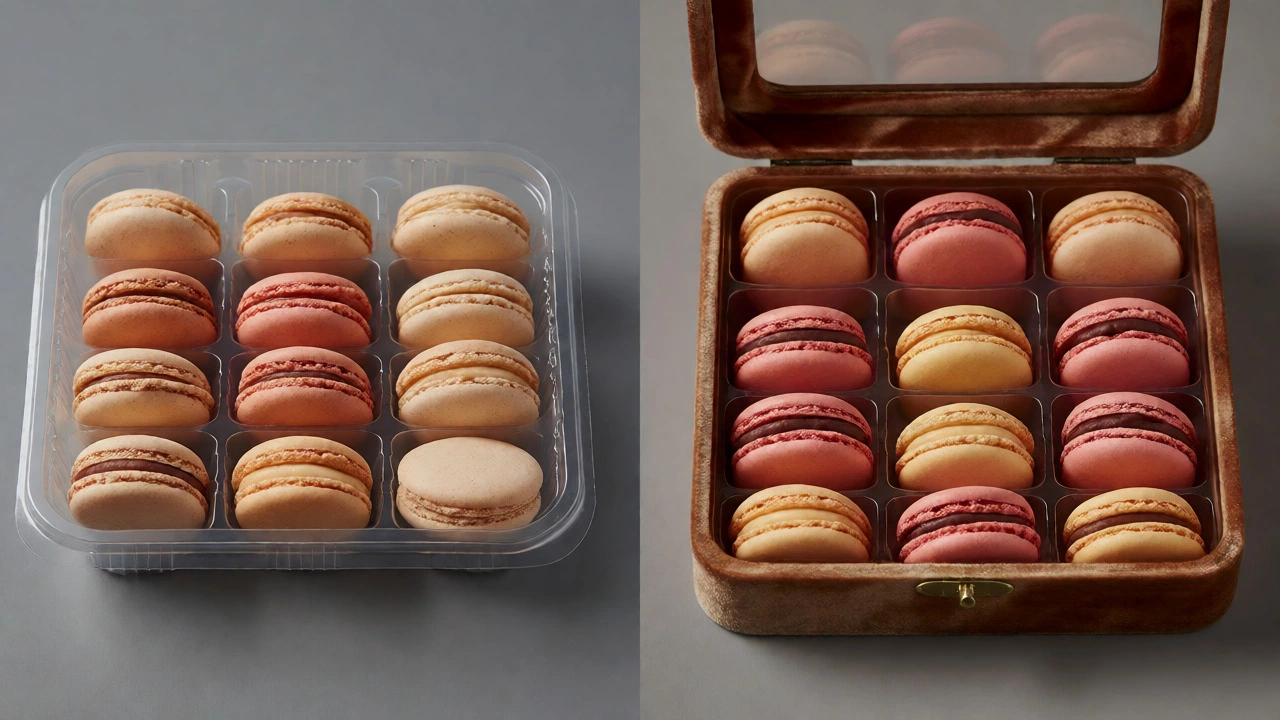
Notice the jump between a local bakery and a luxury brand. That £20 gap isn’t just about taste-it’s about presentation. Luxury boxes come with rigid dividers, branded ribbons, and sometimes even a certificate of authenticity. If you are serving these at a wedding, the unboxing experience matters. If you are eating them at your desk, it doesn’t.
Flavor Impact: Does Pistachio Cost More Than Vanilla?
Yes, it does. Not all macarons are created equal when it comes to ingredient costs. While the base batter (almond flour, sugar, egg whites) remains consistent, the filling drives the final price.
Classic flavors like vanilla, chocolate, and raspberry are cheaper because their ingredients are stable and widely available. However, if you want salted caramel, matcha, or lavender honey, expect to pay a premium. Here is why:
- Sourcing Difficulty: High-quality matcha powder or genuine saffron threads cost significantly more per gram than cocoa powder.
- Complexity: Salted caramel requires cooking sugar to precise temperatures and mixing with cream and butter. It adds labor time compared to a simple ganache.
- Niche Appeal: Flavors like rosewater or yuzu are produced in smaller batches, reducing economies of scale.
A practical rule of thumb: add 10-15% to the base price for every "premium" flavor included in your mix. If you order 20 macarons with five different gourmet flavors, you will likely hit the higher end of the price spectrum.
The DIY Option: Is Baking Cheaper?
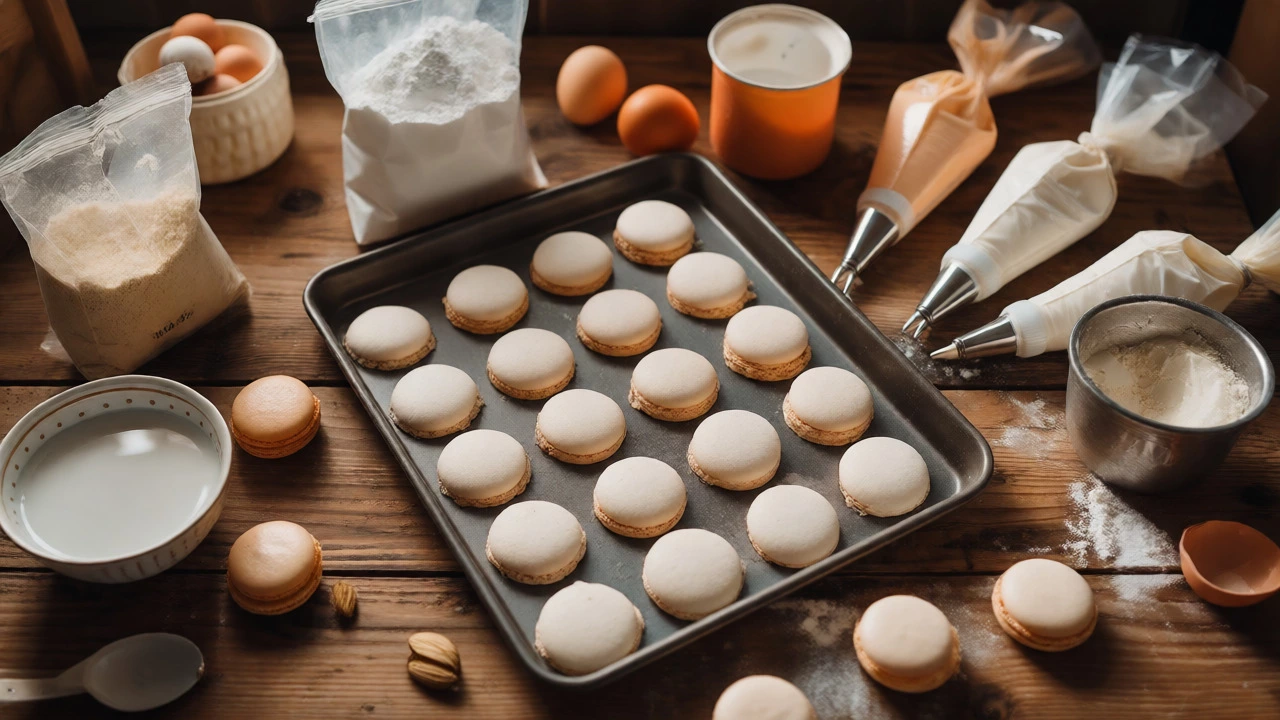
Many people ask, "Why pay £40 when I can buy ingredients for £10?" The answer is failure rate. Macarons are unforgiving. If your meringue collapses or your shells crack, you’ve wasted £10 worth of ingredients and two hours of work.
Let’s break down the home-baking math for 20 finished macarons (which requires making roughly 40 shells, accounting for breakage):
- Almond Flour (200g): ~£3.50
- Icing Sugar (200g): ~£1.00
- Egg Whites (4 large): ~£0.80
- Filling Ingredients (Chocolate/Cream): ~£2.50
- Total Ingredient Cost: ~£7.80
On paper, this looks like a steal. But factor in electricity, wear on your piping bags, and the value of your time. If you are a beginner, you might burn three batches before getting one good result. In that scenario, your "cheap" box of macarons actually cost you £30 plus frustration. For experienced bakers, however, DIY is the most cost-effective way to feed a crowd.
Buying Tips: How to Get the Best Value
You don’t always have to pay full retail price. Here are strategies to lower your bill without sacrificing quality:
- Buy Near Expiry: Many bakeries discount macarons late in the day or near their best-before date. Since they are best eaten fresh, this is a win-win.
- Choose Seasonal Flavors: Out-of-season fruits (like strawberries in winter) drive up costs. Stick to seasonal offerings for better prices and freshness.
- Mix Sizes: Some shops sell "petit fours" sized macarons. If you only need 20 pieces for tasting, smaller sizes reduce the ingredient volume and price.
- Check Online Retailers: Companies like Goldbelly or local delivery services sometimes offer bulk discounts on multi-box purchases.
Also, consider the context. Are you serving these to guests who will appreciate the nuance of a perfectly aged ganache? Or are they just colorful decor for a table? If it’s decor, supermarket brands are fine. If it’s dessert, invest in the mid-range artisan options.
Final Verdict: What Should You Pay?
So, how much should you actually spend? For a standard box of 20 decent, freshly made macarons from a reputable local bakery, aim for £25-£30. This is the sweet spot where quality meets affordability. Below £15, you are likely getting industrial products. Above £50, you are paying for brand prestige and packaging.
Remember, macarons are a luxury treat. Don’t feel guilty about splashing out occasionally, but don’t feel pressured to buy the most expensive option unless the occasion demands it. Your palate-and your wallet-will thank you for finding the balance.
How many macarons are in a standard box?
Standard boxes typically contain 6, 12, 24, or 36 macarons. A box of 20 is less common in pre-packaged retail sets but is frequently available through custom orders or bakeries that allow mix-and-match selections. If you see a "box of 20," it is often a curated selection or a discounted bundle.
Do macarons expire quickly?
Artisan macarons are best consumed within 24 to 48 hours of purchase for optimal texture. They can last up to a week in the refrigerator if stored in an airtight container, but the shells may soften due to moisture migration from the filling. Freezing extends their life to several months, though thawing must be done carefully to maintain crispness.
Why are macarons so expensive compared to other cookies?
The primary reasons are ingredient cost and labor. Almond flour is significantly more expensive than wheat flour, and the baking process is technically demanding with a high margin for error. Each macaron requires individual piping and assembly, unlike drop cookies that can be scooped rapidly. This combination of costly materials and intensive manual labor drives up the price.
Can I find vegan macarons at the same price?
Vegan macarons, which use aquafaba (chickpea water) instead of egg whites, are often priced similarly to traditional ones. However, some specialty vegan bakeries may charge a slight premium due to the niche market and specialized processing required to achieve the correct meringue stability. Prices generally align with mid-to-high-end artisan standards.
Is it cheaper to buy macarons online or in-store?
In-store is usually cheaper because you avoid shipping fees and protective packaging costs. Macarons are fragile, requiring insulated boxes and cold packs for online delivery, which can add £5-£10 to the total. However, online retailers sometimes offer sales on larger quantities (e.g., 50+ units) that offset the shipping cost.