Macaron Flavor & Texture Explorer
Discover what makes each macaron unique by selecting a flavor profile.Classic Almond
Vanilla BeanDark Chocolate
Ganache FillingFruit Curd
Raspberry/LemonExotic Blend
Earl Grey/LavenderSelect a macaron type above to explore its flavor profile and texture notes.
You bite into that delicate, colorful shell, expecting a crunch. Instead, your teeth sink through a crisp exterior into something soft, chewy, and almost gooey. It’s confusing the first time you try one. Is it a cookie? A meringue? A cake? The answer is none of those things, which is exactly why macarons are so fascinating. If you’ve ever stared at a bakery display wondering if they’re worth the price tag, or if you’re just curious about that distinct mouthfeel, you’re in the right place. Let’s break down exactly what hits your palate when you eat a French macaron.
The Core Flavor Profile: Sweetness and Nuttiness
At its heart, a traditional French macaron is a sweet meringue-based confection made with egg whites, granulated sugar, icing sugar, and ground almonds. Because the base is essentially almond flour and sugar, the foundational taste is nutty and intensely sweet. Think of marzipan, but lighter and airier. If you dislike marzipan, you might find plain vanilla macarons too rich. However, most modern macarons aren’t just "vanilla." They are vehicles for other flavors.
The sweetness level varies wildly depending on the filling. A ganache-filled chocolate macaron will have a bitter counterpoint to the sugary shell. A fruit curd-filled lemon macaron will cut through the sugar with sharp acidity. But without that filling? You’re getting straight-up sugar and toasted almond notes. This is why bakers obsess over balancing the shells. Too much sugar, and it tastes like candy; too little, and the structure fails.
Texture: The Real Star of the Show
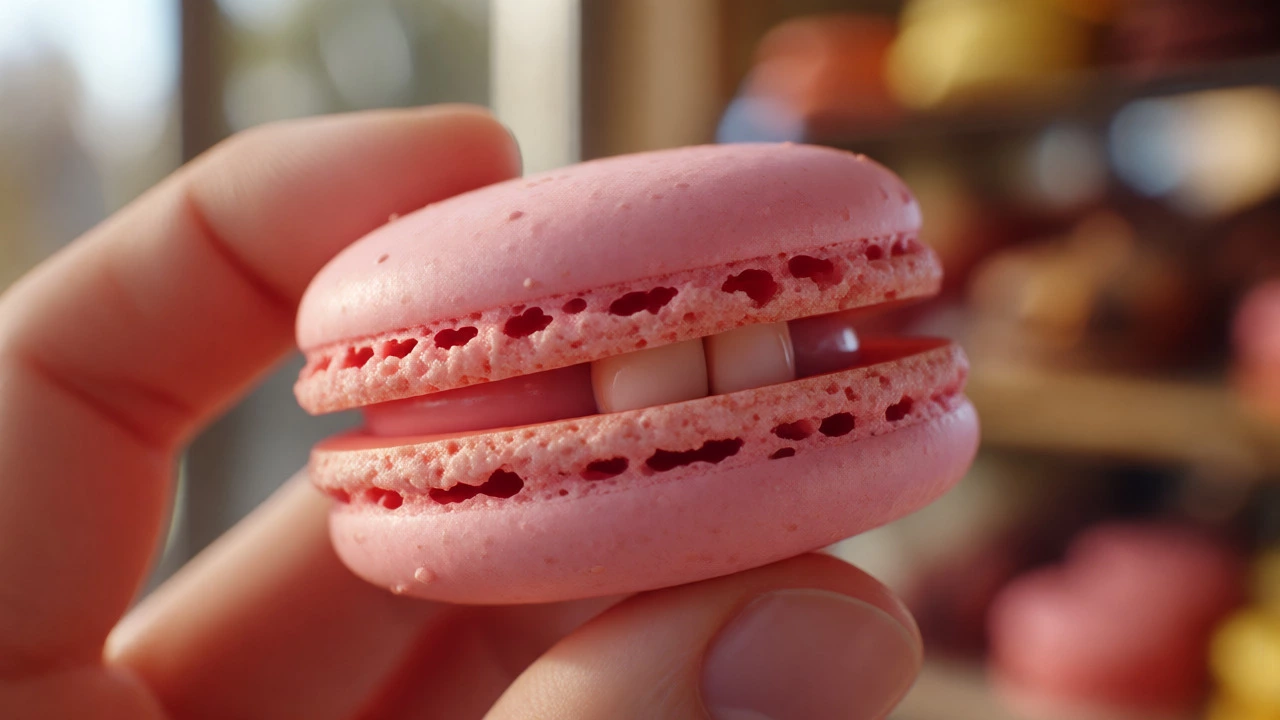
Honestly, the taste is secondary to the texture. When people say they love macarons, they’re usually talking about the contrast between the crisp shell and the soft interior. This is often described as the "chew." It’s not tough like a caramel; it’s tender. Imagine biting into a marshmallow that has been baked until the outside forms a thin, brittle crust. That’s the sensation.
This textural duality relies on proper aging of the batter. If the batter isn’t rested long enough, the shells crack and lose their signature smooth dome. If they are overmixed, they spread out and become flat pancakes with no chew. The perfect macaron should shatter slightly when bitten, then collapse gently into the creamy center. This physical experience amplifies the flavor perception. Your brain registers the crunch as freshness and the softness as richness.
Filling Matters More Than the Shell
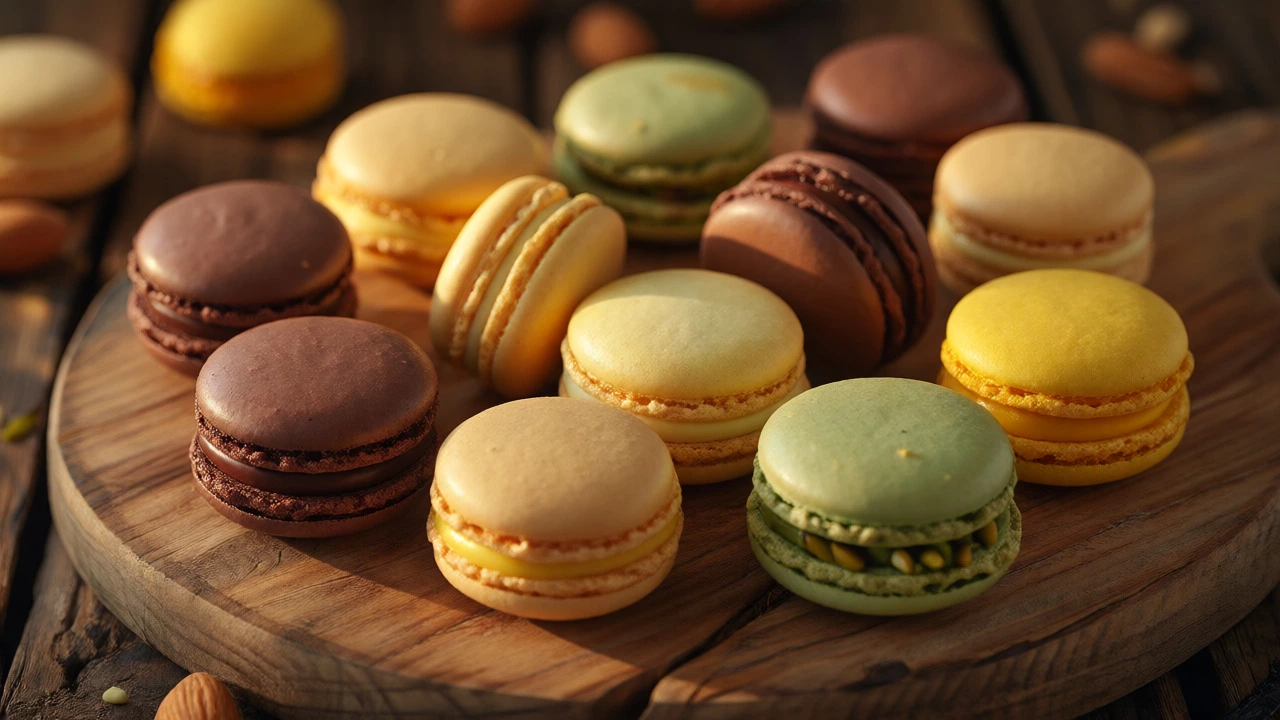
While the shell provides the structure, the filling delivers the personality. In Bristol, where I live, local bakeries often push creative boundaries here. You won’t just find strawberry or pistachio. You’ll find salted caramel, Earl Grey tea, lavender honey, or even spicy chili lime. The filling acts as a bridge between the dry, sweet shell and your tongue.
| Filling Type | Taste Profile | Texture Contribution |
|---|---|---|
| Ganache | Rich, deep, often bitter (if dark chocolate) | Silky, dense, melts slowly |
| Buttercream | Creamy, buttery, mild | Airy, light, spreads easily |
| Fruit Curd | Tart, bright, acidic | Jammy, sticky, intense |
| Peanut Butter | Salty-sweet, savory undertones | Thick, creamy, robust |
Notice how the filling changes the entire equation. A dark chocolate ganache macaron tastes sophisticated because the bitterness balances the almond sugar. A raspberry jam filling makes the whole thing taste like summer because the acid cuts the fat. Never judge a macaron by its color alone. A green shell could be matcha (earthy, grassy) or mint (cooling, artificial). Always ask what’s inside.
Why Do Some Macarons Taste Bitter?
If you’ve had a bad macaron experience, it likely tasted bitter or chemical. This usually stems from two sources: burnt almond flour or low-quality extracts. Almond flour burns quickly during baking. Since macaron shells are baked at relatively high temperatures for short periods, precision is key. Burnt almonds add an acrid, unpleasant note that lingers.
Another culprit is imitation vanilla or artificial coloring. Many cheap commercial macarons use heavy synthetic dyes and fake flavorings. These can impart a metallic or soapy aftertaste. High-end patisseries use natural ingredients-real fruit purees, essential oils, or zest. If your macaron tastes like soap, check the ingredient list for artificial vanillin or excessive food coloring. Freshly made macarons should smell like the main ingredient, not like a chemistry set.
How Freshness Changes the Taste
Here’s a secret most buyers don’t know: macarons taste better after sitting for 24 hours. This process is called "maturing." When fresh out of the oven, the shells are very crisp and the filling is stiff. As they sit in the fridge, moisture migrates from the filling into the shell. This softens the shell slightly, making it more tender and allowing the flavors to meld together.
Eating a macaron immediately after baking gives you a sharper crunch and distinct separation between components. Eating it the next day gives you a cohesive, unified flavor profile where the almond and filling blend seamlessly. Most professional chefs recommend waiting at least 12 to 24 hours before serving. So, if you buy them, resist the urge to eat them all instantly. Let them rest. You’ll notice the difference in complexity.
Are Macarons Gluten-Free?
Yes, traditionally, macarons are gluten-free because they use almond flour instead of wheat flour. This makes them a great option for people with celiac disease or gluten sensitivity. However, cross-contamination is a real risk in bakeries that also handle breads and cakes. Always ask if the kitchen is dedicated gluten-free.
Also, keep in mind that while they are gluten-free, they are not low-calorie. The combination of almond flour, sugar, and butter-heavy fillings makes them calorie-dense. One small macaron can contain 70-100 calories. They are indulgences, not health foods. Enjoy them as such.
Final Thoughts on Choosing Your First Batch
If you’re new to macarons, start with classic flavors. Vanilla bean, pistachio, or dark chocolate are safe bets that let you evaluate the quality of the shell itself. Once you trust the baker’s technique, branch out to exotic combinations. Look for smooth tops, ruffled feet (the little bubbly edge at the bottom), and uniform size. These visual cues predict a good taste experience.
Remember, a good macaron shouldn’t make your jaw ache. It should dissolve pleasantly. If it’s hard as a rock, it’s stale or underbaked. If it’s soggy, it’s over-aged or stored improperly. Trust your senses. The best macarons balance sweet, tart, and nutty elements with a texture that feels like a cloud wrapped in silk.
Do macarons taste like cookies?
No, macarons do not taste like typical cookies. While they look like sandwich cookies, their texture is completely different. Cookies are usually crispy or chewy throughout due to wheat flour and butter. Macarons have a crisp outer shell and a soft, meringue-like interior made from egg whites and almond flour. The taste is closer to marzipan or nougat than to a chocolate chip cookie.
Why does my macaron taste bitter?
A bitter taste in macarons usually comes from burnt almond flour or the skin of the almonds if they weren't blanched properly. It can also result from using poor quality vanilla extract or artificial flavorings. Sometimes, if the shells are over-baked, the sugars caramelize too much, creating a bitter edge. Check the ingredient list for natural vs. artificial flavors.
Are macarons supposed to be crunchy or soft?
They are supposed to be both. A proper macaron has a thin, crisp shell that cracks slightly when you bite it. Inside, the texture should be soft, moist, and chewy. This contrast is the hallmark of a well-made macaron. If it is entirely crunchy, it may be stale or underfilled. If it is entirely soft and soggy, it may be old or poorly baked.
Can people with nut allergies eat macarons?
Generally, no. Traditional macarons are made with almond flour, which is a tree nut. People with nut allergies should avoid them unless specifically labeled otherwise. Some bakers experiment with coconut flour or sunflower seed flour to create nut-free versions, but these are rare and taste significantly different from the classic almond version.
How long do macarons last?
In the refrigerator, macarons typically last up to a week in an airtight container. For the best taste, bring them to room temperature for 15-20 minutes before eating. They can also be frozen for up to three months. Freezing actually helps preserve their texture better than leaving them at room temperature for days, which can make them stale or overly soft.