Macaron Cost Calculator: Homemade vs. Store-Bought
Results for One Dozen (12) Macarons
0% cheaper than buying
You’ve probably walked past a bakery window, seen those perfect, pastel-colored discs stacked neatly, and felt a mix of admiration and confusion. Why are they so expensive? A single box can easily run you $20 or more. But if you decide to make them at home, what does that actually cost your wallet? The short answer is: significantly less than buying them, but not as cheap as making chocolate chip cookies.
Understanding the true cost of making macarons requires looking beyond just the price of almond flour. It involves equipment, trial-and-error waste, ingredient quality, and even the hidden cost of time. Let’s break down exactly where your money goes when you bake these delicate French treats from scratch.
The Ingredient Bill: What You Actually Need
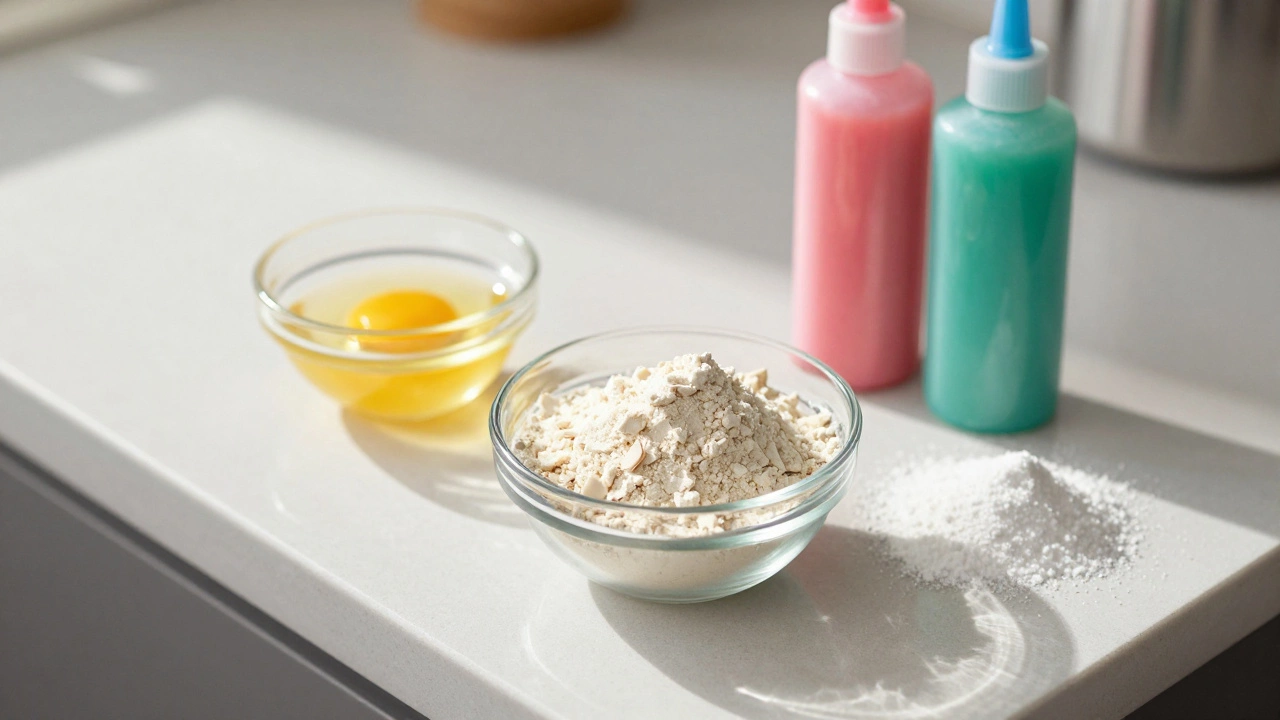
To calculate the cost per batch, we first need to list what goes into a standard recipe. A typical batch yields about 30-40 shells (15-20 filled sandwiches). Here is the shopping list for one batch:
- Almond Flour: This is your most critical ingredient. You need finely ground, blanched almonds. Supermarket pre-ground flour often contains too much skin or isn’t fine enough, leading to cracked shells. High-quality brands like Bob’s Red Mill or King Arthur Flour cost around $8-$12 for a 16oz bag. One bag makes roughly four batches.
- Powdered Sugar: Standard confectioners’ sugar works fine. A 2lb bag costs about $3-$4 and lasts for many batches.
- Egg Whites: You need aged egg whites (room temperature) for stability. Buying a carton of large eggs ($4-$5) gives you plenty of whites. If you’re strict about food safety, pasteurized liquid egg whites in a bottle cost about $5 for 12oz.
- Cream of Tartar: Just a pinch per batch. A small container lasts forever.
- Food Coloring: Gel colors are essential because liquid colors throw off the batter consistency. A set of six high-quality gel colors costs $15-$20, but each bottle lasts for dozens of batches.
- Filling Ingredients: Buttercream, ganache, or jam. For a basic buttercream, you need butter ($5/lb), powdered sugar, and flavorings like vanilla extract or cocoa powder.
If you buy everything fresh for a single batch, your raw ingredient cost might hit $25-$30. However, since most items are pantry staples that last for months, the amortized cost drops drastically. Once your pantry is stocked, the variable cost for ingredients alone is about $3-$5 per batch.
The Equipment Investment: One-Time Costs
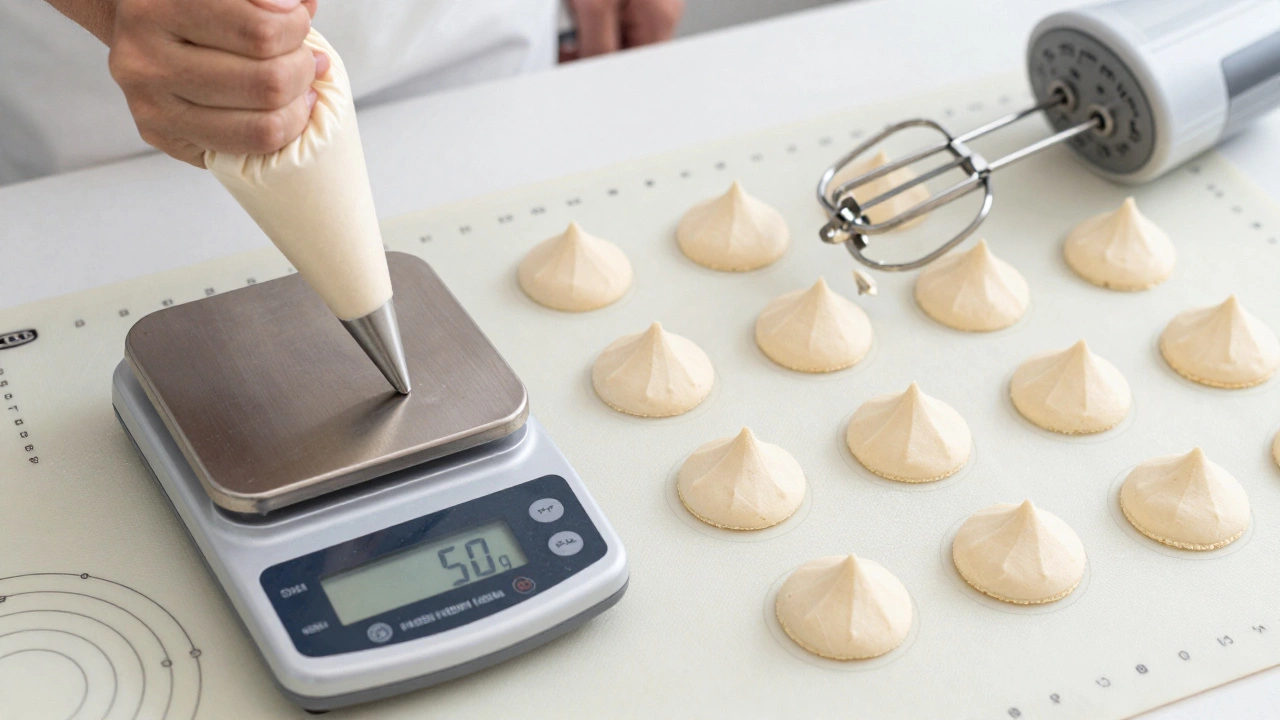
Macarons are unforgiving. They demand precision. While you *can* make them with a hand mixer and a regular spoon, your success rate-and therefore your cost efficiency-improves with specific tools. These are one-time investments, but they factor into the initial "cost" of starting this hobby.
| Tool | Why It Matters | Estimated Cost |
|---|---|---|
| Digital Kitchen Scale | Macarons require gram-level precision. Volume measurements (cups) fail here. | $15 - $25 |
| Silicone Piping Mat | Provides non-slip surface and printed guides for consistent shell size. | $10 - $15 |
| Piping Bags & Tips | Round tips (usually 1/2 inch) for filling; bags must be sturdy. | $10 - $20 |
| Stand Mixer or Hand Mixer | Crucial for achieving the correct meringue stiffness without over-beating. | $50 - $300+ |
| Baking Sheets | Rigid sheets ensure even heat distribution. Warped sheets cause uneven feet. | $15 - $25 each |
If you already own a decent mixer and baking sheets, your entry cost is under $50. If you’re starting from zero, expect to spend $100-$150 on gear. Remember, these tools aren’t exclusive to macarons. A digital scale helps with sourdough bread; piping bags help with cupcakes. The cost spreads across many future projects.
The Hidden Cost: Trial and Error
This is the part most tutorials skip. Your first batch will likely fail. Maybe the shells crack, maybe they have no feet, or perhaps they taste like raw egg because they didn’t cook through. Each failed batch wastes ingredients and time.
Consider this scenario:
- Batch 1: Failed due to under-mixing. Waste: $5 in ingredients.
- Batch 2: Failed due to oven temperature fluctuation. Waste: $5.
- Batch 3: Successful! Yield: 20 macarons.
In this case, the real cost of those 20 edible macarons includes the wasted ingredients from the first two attempts. That brings the effective cost per successful batch to around $15. Divided by 20 macarons, that’s $0.75 per cookie. Compare that to the $1.50-$2.00 you’d pay at a boutique bakery, and you’re still saving money. But if you’re a beginner, budget for at least three tries before you get it right.
Homemade vs. Store-Bought: The Math
Let’s put numbers to the comparison. We’ll look at the cost per unit for both options, assuming a standard 12-piece box.
Store-Bought Macarons: A high-end bakery charges $24 for a dozen. That’s $2.00 per macaron. A mid-range grocery store brand might charge $15 for a dozen, or $1.25 each. Quality varies wildly; grocery store versions often use stabilizers and artificial flavors.
Homemade Macarons (After Learning Curve): Once you’ve mastered the technique and your pantry is stocked, the ingredient cost for a dozen is roughly $3-$4. Even if you include the depreciation of your equipment over 100 batches, the cost stays under $5 for a dozen. That’s $0.25-$0.40 per macaron.
The savings are clear. Homemade macarons cost about 60-80% less than store-bought ones. Plus, you control the sugar content, allergens, and flavor combinations. Want a spicy chili chocolate filling? You can do that. Want to reduce sugar by 20%? Easy.
Factors That Increase Your Costs
Not all macaron recipes are created equal. Some choices drive up the price tag:
- Premium Flavors: Using real raspberry puree instead of red food coloring and strawberry extract costs more. Sourcing organic, fair-trade cocoa powder adds to the bill. Exotic fillings like yuzu curd or salted caramel with imported sea salt increase ingredient costs by 30-50%.
- Small Batch Inefficiency: Buying tiny amounts of specialty ingredients means you pay a premium per ounce. Bulk buying almond flour and powdered sugar saves money long-term.
- Energy Costs: Macarons require precise oven temperatures. If your oven runs hot or cold, you might need an oven thermometer ($10) and potentially leave the door ajar with a wooden spoon, which slightly increases energy usage during cooling phases.
- Time Value: Making macarons takes time. Aging egg whites, whipping meringue, piping, resting, baking, and filling can take 3-4 hours total. If you value your time at $20/hour, the labor cost adds another $60-$80 to the batch. Economically, buying them might be cheaper if you’re busy. But for the joy of creation, many bakers don’t count time as a monetary cost.
Pro Tips to Keep Costs Down
You don’t have to break the bank to bake beautiful macarons. Here are practical ways to manage expenses:
- Grind Your Own Almonds: Buy whole blanched almonds in bulk ($5/lb) and grind them yourself. Use a food processor, but pulse carefully to avoid turning them into almond butter. Sieve out any large pieces. This ensures freshness and saves $2-$3 per batch compared to pre-ground flour.
- Use Leftover Egg Yolks: Separating eggs leaves you with yolks. Don’t let them go to waste. Use them for custards, pasta, or rich cakes. This offsets the cost of the whites used for macarons.
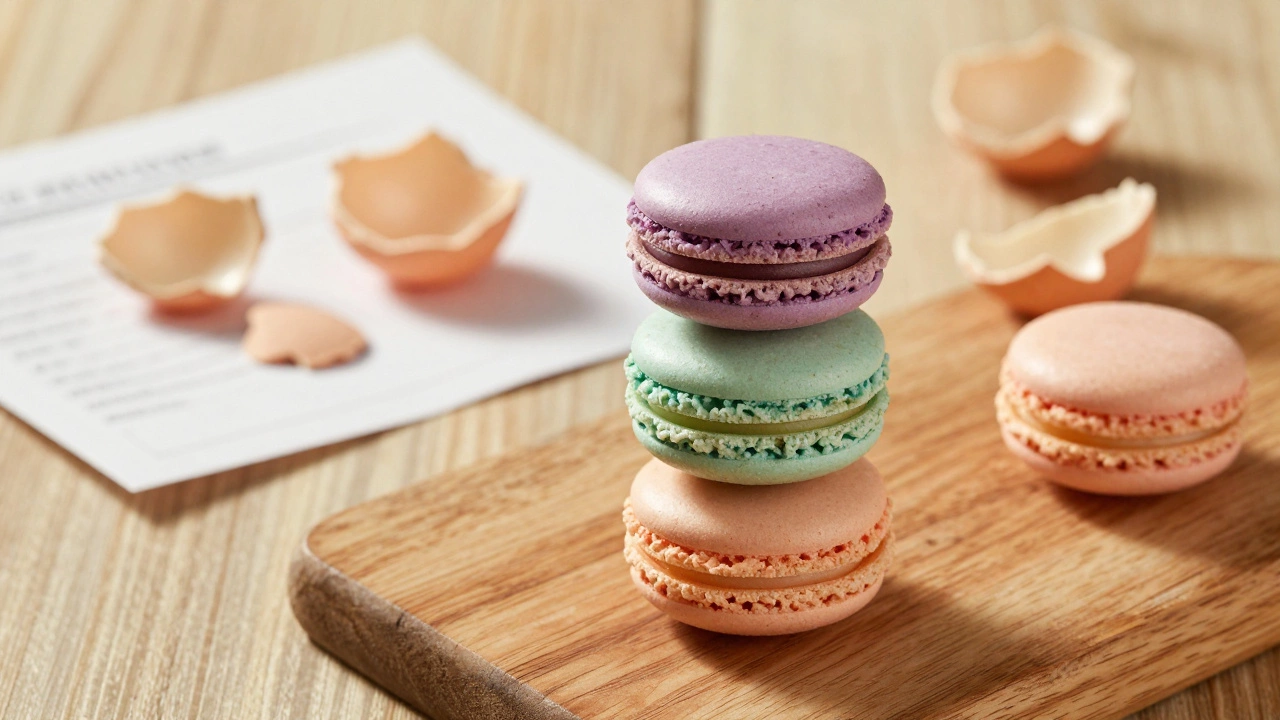
- Repurpose Imperfect Shells: Cracked or misshapen shells still taste great. Crush them and mix with buttercream for a crunchy texture, or serve them with ice cream. Never throw away a failed shell unless it tastes bad.
- Stick to Basic Fillings First: Master plain vanilla buttercream or simple chocolate ganache before moving to complex fruit curds or mousses. Simple fillings use common ingredients you likely already have.
- Buy Quality Gel Colors in Bulk: Instead of buying single tubes, look for multi-packs or larger bottles from reputable brands like AmeriColor or Wilton. The cost per drop drops significantly.
Is It Worth It?
Financially, yes. You save a significant amount of money compared to buying artisanal macarons. But the real value lies in the customization and satisfaction. When you bite into a macaron you made yourself, knowing exactly what went into it, the experience is richer than any store-bought version.
Start small. Buy one bag of good almond flour, a few eggs, and some powdered sugar. Use the tools you already have. Accept that your first batch might not look perfect. The cost of learning is low, and the reward-a tray of beautiful, delicious macarons-is high.
What is the most expensive ingredient in macarons?
Almond flour is typically the most costly ingredient. High-quality, finely ground blanched almond flour is essential for smooth shells and proper structure. Pre-ground supermarket flour is often too coarse or contains too much skin, leading to failure. Investing in a reputable brand like Bob's Red Mill or grinding your own from whole blanched almonds ensures best results.
Do I need a stand mixer to make macarons?
No, you do not strictly need a stand mixer. A good quality hand mixer works perfectly well for whipping the meringue. The key is consistency and speed control. Many professional bakers prefer hand mixers for macarons because they allow for better visual monitoring of the meringue peaks. A stand mixer is convenient but not mandatory.
Can I use regular flour instead of almond flour?
No, you cannot substitute regular wheat flour for almond flour in traditional macarons. Macarons rely on the fat and protein structure of almonds to create their unique chewy interior and crisp exterior. Wheat flour would result in a cake-like texture, completely changing the nature of the cookie. There are gluten-free variations using other nut flours, but almond is the standard.
Why are macarons so expensive in stores?
Store-bought macarons are expensive due to several factors: high-quality ingredients (especially almond flour and premium chocolates/butters), skilled labor required for precise preparation, high failure rates during production, packaging costs, and brand markup. Artisanal bakeries also factor in rent, utilities, and marketing. Essentially, you're paying for expertise and convenience.
How long do homemade macarons last?
Homemade macarons actually taste better after resting. They should be stored in an airtight container in the refrigerator for 24-48 hours before eating. This "maturing" process allows the shells to absorb moisture from the filling, creating the signature soft, chewy texture. Properly stored, they last up to one week in the fridge or three months in the freezer.