Cheesecake Style Matcher
Not sure which cheesecake fits your mood? Answer these three questions to find your perfect match.
You’ve probably stood in a bakery or scrolled through a menu, staring at the word "cheesecake" with a vague sense that not all of them are created equal. One is dense and rich, another is light and airy, and a third might even have a crust made of ladyfingers instead of biscuits. It’s confusing because, technically, they are all cheesecakes. But if you want to order with confidence or bake the right style for your guests, you need to know the difference.
The world of cheesecake is a broad category of desserts defined by a sweet filling based on soft cheese, usually served on a crust. While there are dozens of regional variations, three distinct styles dominate the global conversation. These are the New York style, the Philadelphia style, and the Italian (or Ricotta) style. Each has a specific texture, ingredient list, and baking method that sets it apart from the rest.
New York Cheesecake: The Dense Standard
When people say "cheesecake" without any qualifiers, they are almost always talking about the New York variety. This is the heavyweight champion of the dessert world. If you’ve ever had a slice that felt substantial enough to count as a meal, this was likely it.
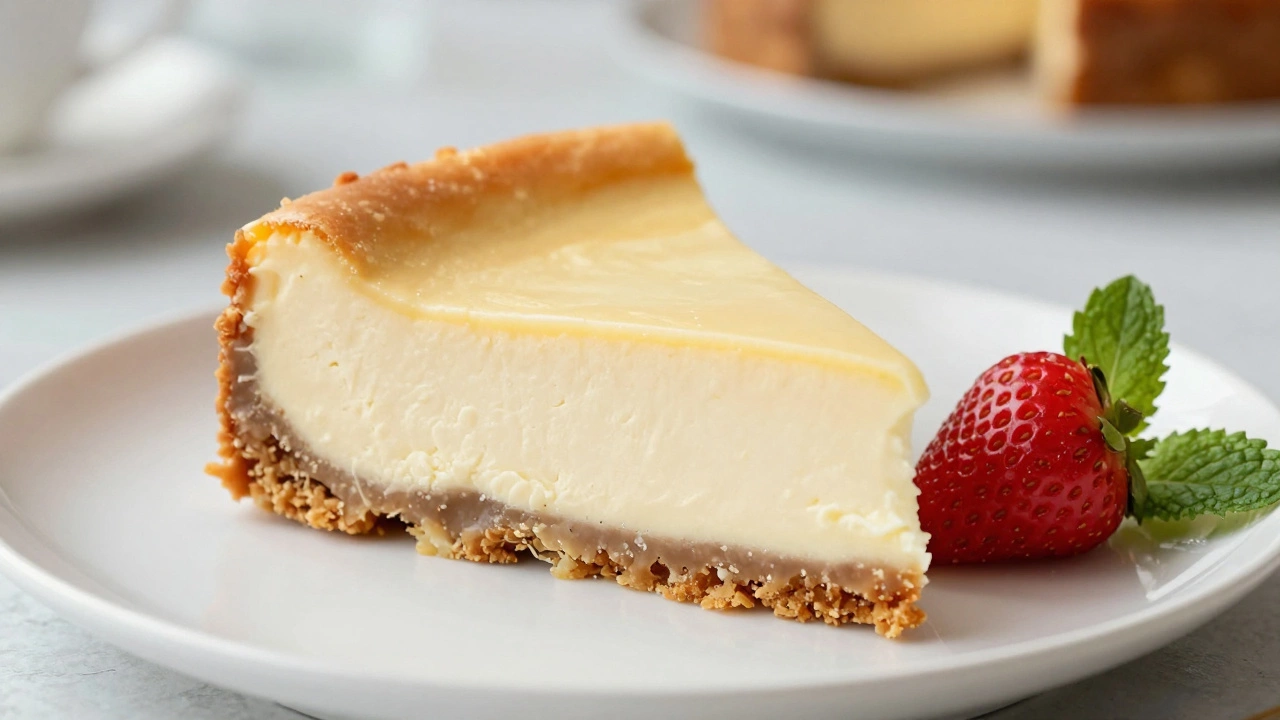
New York cheesecake is a dense, rich, and creamy cheesecake made primarily with cream cheese, sugar, eggs, and sour cream, typically baked in a water bath. The key here is density. Unlike lighter versions, this cake packs a punch. It relies heavily on full-fat cream cheese-usually brands like Philadelphia or Kiri-and often includes extra egg yolks to increase richness without adding too much liquid.
The texture is smooth, almost like a very firm mousse or a heavy custard. It shouldn’t jiggle when you tap the pan; it should feel solid. To achieve this, bakers often use a water bath is a baking technique where the cake pan is placed inside a larger pan filled with hot water to ensure gentle, even heating. This prevents the top from cracking and ensures the center cooks evenly without curdling the eggs.
A classic New York cheesecake also features a thick, buttery crust. Traditionally, this is made from crushed graham crackers mixed with melted butter and sugar. In the UK, you’d swap those for digestive biscuits. The contrast between the crunchy, sweet base and the tangy, dense filling is what makes this style so iconic. It’s the kind of cheesecake you serve at formal dinners or holidays, sliced thinly because one piece is plenty.
Philadelphia Cheesecake: No-Bake and Light
If New York cheesecake is the formal suit, Philadelphia cheesecake is the comfortable weekend outfit. There is a common misconception that "Philadelphia cheesecake" refers to a baked cake made with Philadelphia-brand cream cheese. That’s not quite right. True Philadelphia-style cheesecake is defined by its preparation method: it is no-bake.
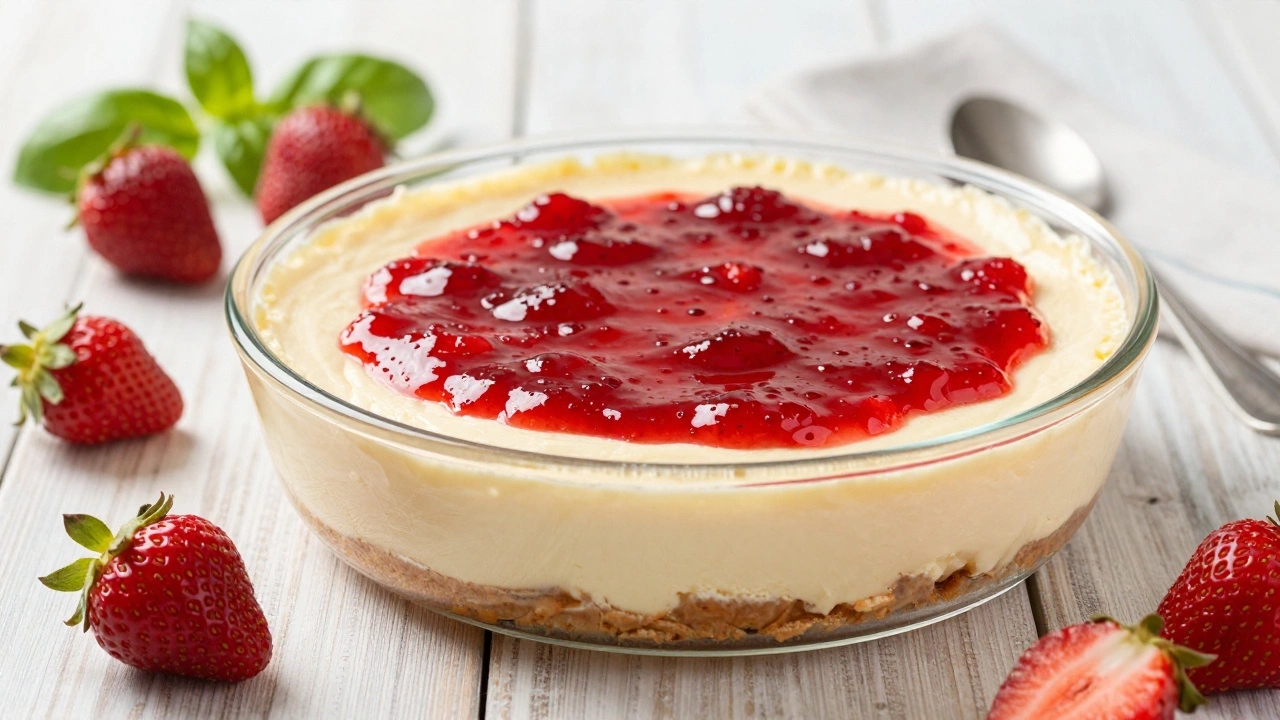
Philadelphia cheesecake is a no-bake cheesecake that sets in the refrigerator rather than the oven, resulting in a lighter, fluffier texture. Because it doesn’t go into the oven, the structure relies entirely on the chilling process. The cream cheese is whipped with sugar and sometimes gelatin or whipped cream to create a stable, airy mixture.
This method changes everything about the eating experience. Without the heat to cook out the moisture and tighten the proteins, the texture remains softer and more delicate. It’s less dense than its New York cousin. You can scoop it up with a spoon almost as easily as you can cut it with a knife. The flavor profile is also slightly different; since there’s no Maillard reaction (browning) happening in an oven, the taste is purely dairy-forward-sweet, tangy, and fresh.
The crust is still present, but it’s often simpler. Since the filling isn’t hot, you don’t need to worry about the crust getting soggy from steam. Many recipes use a pre-made biscuit base or press crumbs into the bottom of the tin and let them set alongside the filling. This style is perfect for summer parties or when you don’t want to turn on the oven. It’s forgiving, quick to assemble, and delivers that classic cheesecake hit without the technical stress of a water bath.
Italian Cheesecake: Ricotta and Rustic Charm
Now we move away from cream cheese entirely. If you’ve ever traveled to Italy or eaten at an authentic Italian restaurant, you might have encountered a cheesecake that looks and tastes completely different. This is the Italian style, and it revolves around one key ingredient: ricotta.
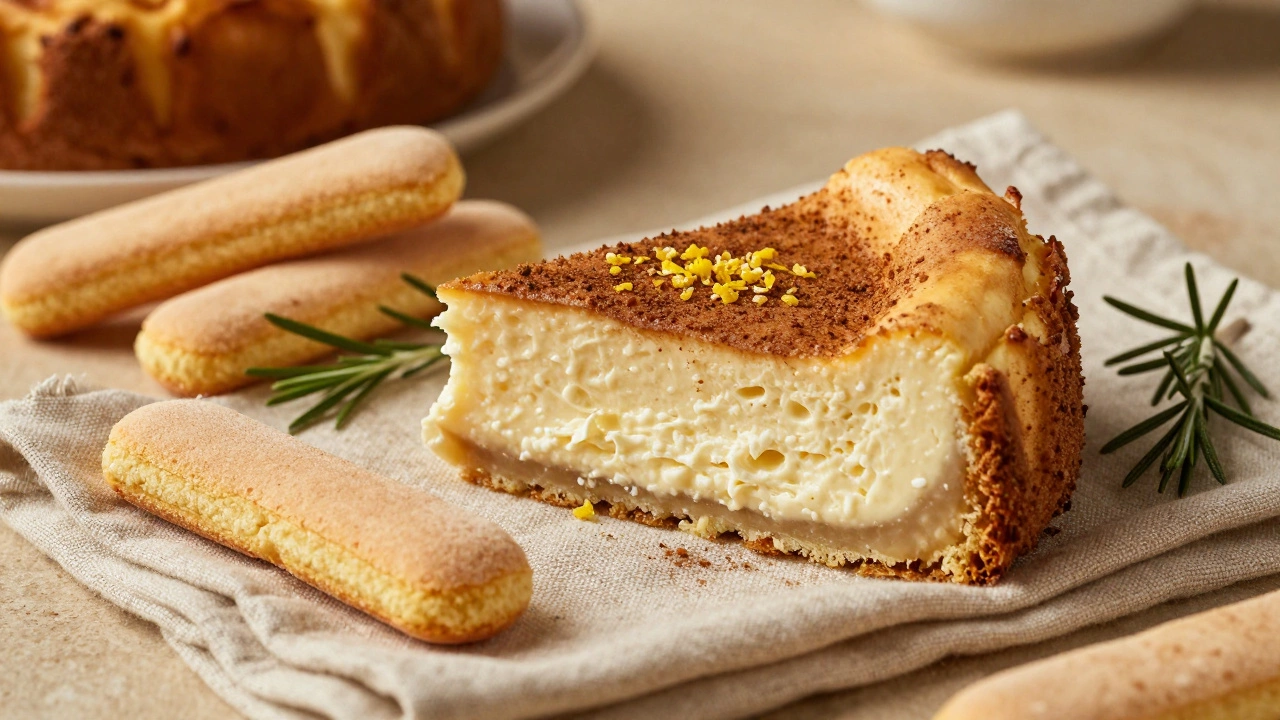
Italian cheesecake is a rustic cheesecake made with ricotta cheese instead of cream cheese, often featuring lemon zest, cinnamon, and a lighter, grainier texture. Ricotta is a whey cheese, which means it has higher moisture content and a distinct granular texture compared to the smooth paste of cream cheese. When used in cheesecake, it creates a filling that is lighter, airier, and less rich.
The flavor profile shifts dramatically here. Cream cheese is sharp and tangy. Ricotta is mild, slightly sweet, and nutty. To compensate for the lack of sharpness, Italian cheesecakes often lean heavily on citrus. Lemon zest and juice are standard additions, cutting through the fat and brightening the palate. Cinnamon and vanilla are also common, giving it a warm, comforting aroma.
Texture-wise, expect some graininess. Even if you blend the ricotta until smooth, it will never be as silky as a cream cheese base. Some people love this rustic quality; others find it off-putting if they’re expecting the New York standard. The crust is often made with sponge cake layers or ladyfingers (savoiardi) soaked in coffee or liqueur, rather than a crumbly biscuit base. This turns the dessert into something closer to a trifle or a tiramisu hybrid. It’s baked, but usually at a lower temperature and for a shorter time, preserving the delicate nature of the ricotta.
Comparing the Three Styles
To help you decide which one fits your needs, let’s look at how they stack up against each other in terms of ingredients, texture, and effort.
| Feature | New York Style | Philadelphia Style | Italian Style |
|---|---|---|---|
| Main Cheese | Cream Cheese | Cream Cheese | Ricotta |
| Texture | Dense, Firm, Smooth | Light, Fluffy, Soft | Grainy, Airy, Rustic |
| Preparation | Baked (Water Bath) | No-Bake (Chilled) | Baked (Low Temp) |
| Crust Type | Graham Cracker/Biscuit | Biscuit/Cookie | Sponge/Ladyfingers |
| Flavor Profile | Rich, Tangy, Heavy | Fresh, Sweet, Dairy-Focused | Mild, Citrusy, Nutty |
| Difficulty Level | High (Technical) | Low (Easy) | Medium (Ingredient Prep) |
Which One Should You Choose?
Your choice depends entirely on the occasion and your personal preference for texture.
If you are hosting a dinner party and want to impress with a showstopper, go for the New York cheesecake. It looks elegant, slices cleanly, and satisfies those who crave intense richness. Just be prepared for the technical challenge of the water bath and the patience required to let it cool slowly to avoid cracks.
If you are making a dessert for a casual gathering, a potluck, or simply don’t want to deal with oven temperatures, the Philadelphia style is your best friend. It’s incredibly versatile. You can fold in chocolate chips, strawberry puree, or mint without worrying about the structure collapsing. It’s the safest bet for beginners.
If you prefer a lighter dessert that doesn’t sit heavy in your stomach, or if you have a sensitivity to the high fat content of cream cheese, try the Italian ricotta cheesecake. It feels more wholesome and less processed. It pairs beautifully with strong coffee or a glass of sweet wine, making it a great end to a Mediterranean-inspired meal.
Troubleshooting Common Issues
Regardless of the type, cheesecake can be tricky. Here are a few quick tips to keep in mind:
- Cracking Tops: This is most common in New York style. It happens due to rapid temperature changes. Always cool the cheesecake in the turned-off oven with the door ajar for an hour before moving it to the fridge.
- Soggy Crusts: In no-bake styles, the moisture from the filling can seep into the crust. Brush the bottom of the biscuit base with melted chocolate or jam before adding the filling to create a barrier.
- Grainy Ricotta: If you’re making Italian style and hate the texture, strain your ricotta through a fine-mesh sieve for a few hours before mixing. This removes excess whey and smooths out the grains.
Understanding these three types gives you the vocabulary to order confidently and the knowledge to bake intentionally. Whether you love the weight of a New York slice or the brightness of an Italian lemon tart, there’s a cheesecake style that matches your mood.
Is Philadelphia cheesecake the same as New York cheesecake?
No, they are different. New York cheesecake is baked and dense, while Philadelphia cheesecake is no-bake and lighter. The confusion arises because both use cream cheese, and the brand "Philadelphia" is synonymous with cream cheese in many countries.
Can I make Italian cheesecake with cream cheese?
Technically yes, but it won’t be Italian style. Italian cheesecake is defined by the use of ricotta cheese, which provides a unique grainy texture and milder flavor. Using cream cheese would turn it into a variation of New York or Philadelphia style.
Why does my cheesecake crack on top?
Cracking is usually caused by overmixing (incorporating too much air), baking at too high a temperature, or cooling too quickly. For dense cheesecakes, using a water bath and cooling the cake gradually in the oven helps prevent this.
Do I need a springform pan for cheesecake?
It is highly recommended, especially for baked styles like New York cheesecake. A springform pan allows you to remove the sides easily without damaging the delicate cake. For no-bake styles, you can use regular cake tins, but removal will be harder.
Which cheesecake is the healthiest?
Italian ricotta cheesecake is generally considered the lightest option because ricotta has less fat than cream cheese. However, all cheesecakes are high in calories and sugar. You can reduce the impact by using Greek yogurt in place of some cream cheese or reducing the sugar content.