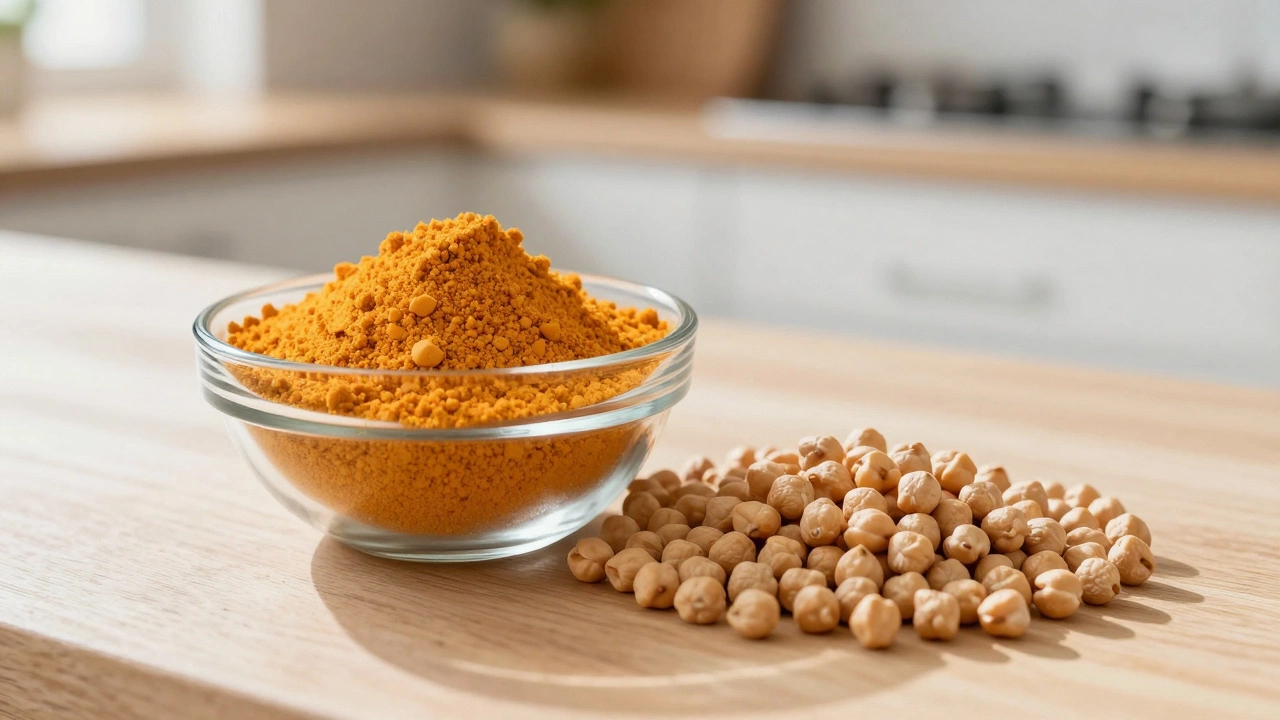
Gluten-Free Chickpea Safety & Baking Calculator
Select your chickpea product type and answer the questions below to determine safety risk.
| Product | Risk |
|---|---|
| Bulk Dried | High |
| Canned | Medium |
| Flour | High |
| Snacks | Very High |
Calculate the correct ratio of chickpea flour to other gluten-free flours for optimal cake texture.
| Problem | Solution |
|---|---|
| Bitter taste | Grind in short bursts |
| Too dense | Add tapioca starch |
| Falls flat | Add extra egg/vinegar |
| Dry crumb | Increase liquid slightly |
Imagine you are craving a dense, moist chocolate cake. You remember that recipe using chickpea flour, which is a versatile ingredient made from ground chickpeas that adds protein and moisture to baked goods. It sounds perfect. But then the doubt creeps in. Are chickpeas actually safe if you have celiac disease or gluten sensitivity? You can't risk it. One bite of hidden gluten could ruin your day, or worse, make you sick.
The short answer is yes. Plain chickpeas are naturally gluten-free. They belong to the legume family, not the grain family. Wheat, barley, and rye contain gluten. Chickpeas do not. However, "naturally gluten-free" does not always mean "safe for consumption." The real danger lies in how they are processed, stored, and packaged. If you are baking gluten-free cakes, understanding the difference between pure ingredients and contaminated ones is the only way to stay safe while enjoying delicious food.
Why Chickpeas Are Naturally Safe
To understand why chickpeas are generally okay, we need to look at what they are. A chickpea, also known as a garbanzo bean, is a legume native to the Near East that has been cultivated for thousands of years. Legumes are plants whose seeds grow in pods. This is completely different from grasses like wheat, which produce grains containing gluten proteins (gliadin and glutenin).
Because chickpeas are legumes, their biological structure never produces gluten. Whether you eat them whole, canned, or as a powder, the base ingredient contains zero gluten. This makes them a powerhouse for people following a gluten-free diet. They provide fiber, protein, and a nutty flavor that enhances texture without the chewiness of wheat flour. For bakers, this is gold. You get structure and moisture retention that many other gluten-free flours struggle to achieve.
However, biology is only half the story. The environment where these beans live matters just as much. In a natural state, a chickpea growing in a field is pure. But once it leaves the farm, it enters a complex supply chain where risks emerge.
The Hidden Danger: Cross-Contamination
This is where most mistakes happen. Just because an ingredient is naturally gluten-free doesn't mean it stays that way. Cross-contamination occurs when gluten-free foods come into contact with gluten-containing foods during processing, storage, or transport.
Consider a large grain mill. If a facility processes wheat one hour and chickpeas the next, tiny particles of wheat dust can remain on machinery, conveyor belts, and storage silos. Even thorough cleaning might not remove every microscopic speck. For someone with mild sensitivity, this might be fine. For someone with celiac disease, even trace amounts-less than 20 parts per million (ppm)-can trigger an immune response and damage the intestinal lining.
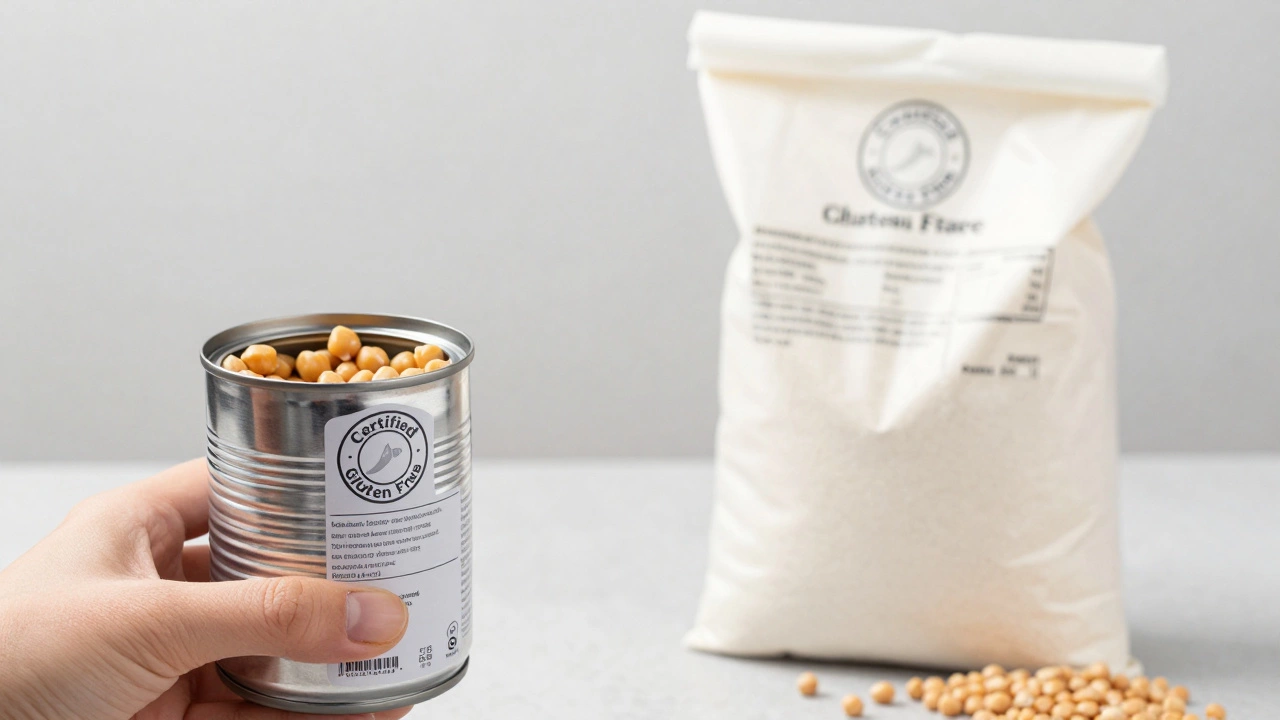
Canned chickpeas pose a similar risk. Many factories process multiple types of beans and grains in the same lines. If the label doesn't explicitly state "gluten-free," you are guessing. And when it comes to your health, guessing is a bad strategy. Always look for certification. Look for symbols from organizations like the Gluten Intolerance Group (GIG) or local equivalents that verify products meet strict safety standards.
| Product Type | Gluten Risk Level | Safety Tip |
|---|---|---|
| Dried Whole Chickpeas (Bulk) | High | Avoid unless sold in a dedicated gluten-free bin with separate scoops. |
| Canned Chickpeas | Medium | Check for "Certified Gluten-Free" label. Avoid shared facilities. |
| Chickpea Flour (Besan) | High | Flour mills often process wheat. Buy only certified GF brands. |
| Roasted Snack Chickpeas | Very High | Often seasoned with malt vinegar or wheat-based spices. Read labels carefully. |
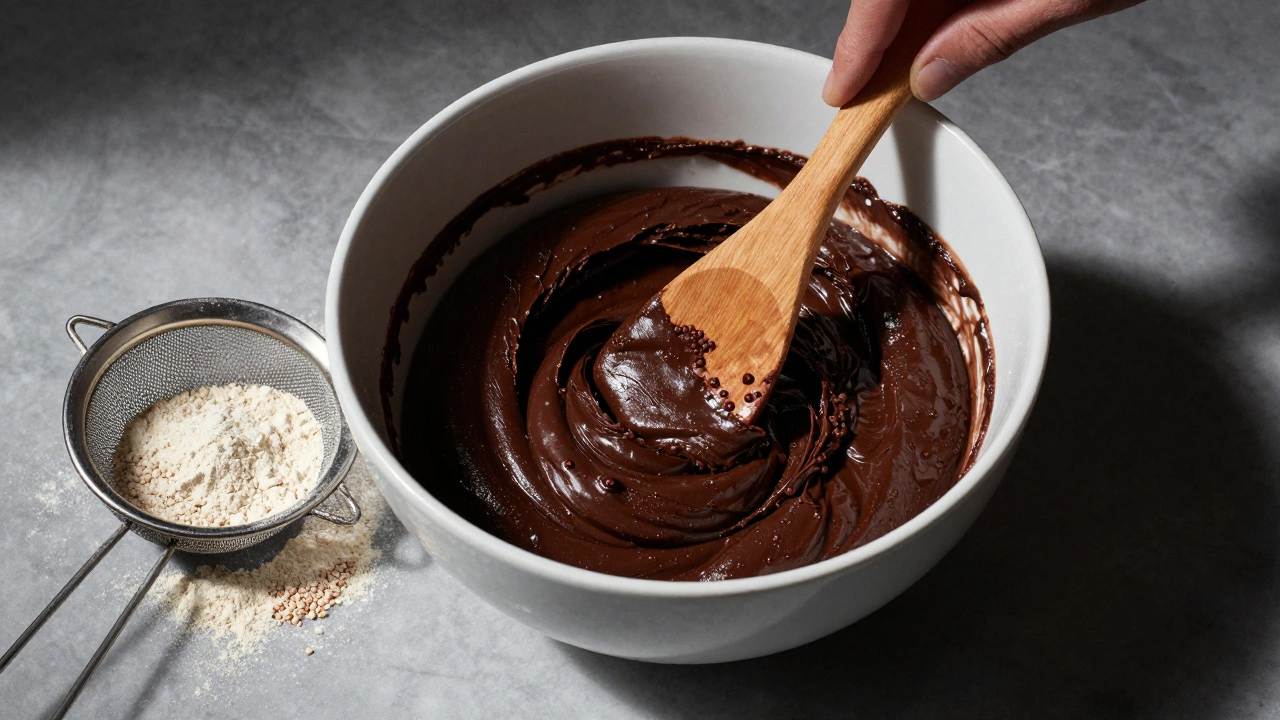
Baking with Chickpea Flour: A Game Changer
If you have mastered the art of finding safe chickpeas, you unlock one of the best secrets in gluten-free baking. Chickpea flour, often called besan, is a fine powder made from dried chickpeas that serves as a nutritious alternative to wheat flour. Unlike rice flour, which can be gritty, or almond flour, which is expensive and high in fat, chickpea flour offers a balanced profile. It is rich in protein and fiber, which helps bind cakes together without needing excessive eggs or gums like xanthan gum.
When you use chickpea flour in cakes, you notice a distinct texture. It creates a denser, fudgier crumb. This is ideal for chocolate cakes, brownies, and savory galettes. The flavor is earthy and slightly sweet, which complements cocoa, cinnamon, and vanilla beautifully. You don't need to mask it; you work with it.
Here is a simple rule of thumb for substitution. You cannot simply swap 1 cup of all-purpose wheat flour for 1 cup of chickpea flour in every recipe. Chickpea flour absorbs more liquid and lacks the elasticity of gluten. Start by replacing 25% to 50% of the total flour weight with chickpea flour. For a standard cake, mixing chickpea flour with rice flour or oat flour (certified gluten-free) creates a lighter texture while maintaining the benefits of the legume.
Reading Labels Like a Pro
Walking down the grocery aisle can feel like a minefield. Labels are full of legal jargon designed to protect companies, not inform you. Here is how to cut through the noise.
First, ignore phrases like "made from gluten-free ingredients." This means nothing legally. It implies the components are safe, but it says nothing about the manufacturing process. Instead, hunt for the words "Certified Gluten-Free." This certification means the product has been tested and contains less than 20 ppm of gluten. It is the gold standard.
Second, watch out for hidden names. Gluten rarely shows up as "wheat" on a label. It hides behind terms like:
- Malt or malt flavoring (usually from barley)
- Modified food starch (if the source isn't specified, assume corn or potato, but check for wheat warnings)
- Natural flavors (sometimes derived from wheat or barley)
- Soy sauce or hydrolyzed vegetable protein (often wheat-based)
If you see "may contain traces of wheat" or "processed in a facility that also processes wheat," put it back. These warnings indicate a high risk of cross-contamination. For those with celiac disease, these products are not safe. For those with non-celiac gluten sensitivity, you might tolerate them, but consistency is key to managing symptoms.
Creating Your Own Safe Supply Chain
The safest option is often the most labor-intensive: buying dried chickpeas and making your own flour. When you buy whole, dried chickpeas from a trusted brand in a sealed bag, the risk of contamination drops significantly. There is no grinding machinery involved in your home kitchen that has touched wheat.
To make chickpea flour at home, you need a high-powered blender or a coffee grinder. Wash the dried chickpeas thoroughly to remove any debris. Let them dry completely. Then, blend them in small batches until they turn into a fine powder. Sift the flour through a mesh sieve to remove larger chunks. Store the flour in an airtight container in the fridge or freezer. Chickpea flour contains oils that can go rancid quickly at room temperature. Keeping it cold preserves freshness and prevents off-flavors in your cakes.
This method costs more in time but saves money in the long run. Commercial gluten-free chickpea flour is often priced at a premium due to the specialized handling required. By controlling the process, you ensure purity. Plus, freshly ground flour has a brighter, fresher taste than pre-packaged versions that may have sat on shelves for months.
Troubleshooting Common Issues
Even with safe ingredients, baking with chickpeas can present challenges. If your cake turns out bitter, it might be due to over-roasting the flour during grinding or using old chickpeas. Freshness matters. If the texture is too dense, you likely used too much chickpea flour. Remember, it is heavy. Balance it with lighter flours like tapioca or arrowroot starch to create lift.
If your cake falls flat, check your leavening agents. Chickpea flour reacts differently to baking soda and baking powder. Sometimes, adding an extra egg or a tablespoon of apple cider vinegar helps activate the leavening better. Experimentation is part of the journey. Keep a notebook. Record ratios, baking times, and results. What works for one oven might need adjustment in another.
Are canned chickpeas safe for a gluten-free diet?
Most canned chickpeas are safe, but you must check the label. Look for a "Certified Gluten-Free" seal. Some brands process chickpeas in facilities that also handle wheat, leading to potential cross-contamination. If the label mentions "may contain wheat," avoid it if you have celiac disease.
Can I substitute chickpea flour for all-purpose flour in any cake recipe?
No, you should not do a 1:1 substitution for all recipes. Chickpea flour is denser and absorbs more liquid. It works best when mixed with other gluten-free flours like rice or oat flour. Start by replacing 25-50% of the total flour weight to maintain a light texture.
What is the difference between chickpeas and garbanzo beans?
There is no difference. "Garbanzo bean" is the term commonly used in North America, while "chickpea" is used elsewhere. Both refer to the same legume, Cicer arietinum, and both are naturally gluten-free.
Why does my chickpea flour taste bitter?
Bitterness usually comes from over-heating the flour during grinding or using old, stale chickpeas. Ensure your blender doesn't get too hot by grinding in short bursts. Also, store your flour in the refrigerator to keep it fresh and prevent oxidation.
Is hummus gluten-free?
Plain hummus made from chickpeas, tahini, lemon juice, and garlic is naturally gluten-free. However, flavored varieties may contain additives, soy sauce, or seasonings that include gluten. Always read the ingredient list and look for certification.