UK Vegan Crisp Checker & Guide
Quick Summary / Key Takeaways
- Vegan crisps are widely available in the UK, but you must check labels for hidden animal derivatives like whey, lactose, or natural flavors.
- Major brands like Walkers, Kettle Chips, and Tayto have extensive vegan ranges, including popular flavors like Salt & Vinegar and Cheese & Onion.
- Avoid 'natural flavors' unless specified as vegan, as they can contain dairy or meat extracts depending on the manufacturer.
- Homemade vegan crisps using potato slices, olive oil, and nutritional yeast offer a cheap, customizable alternative to store-bought options.
- Cross-contamination is rare but possible; if you have severe allergies, look for 'made in a dedicated facility' warnings.
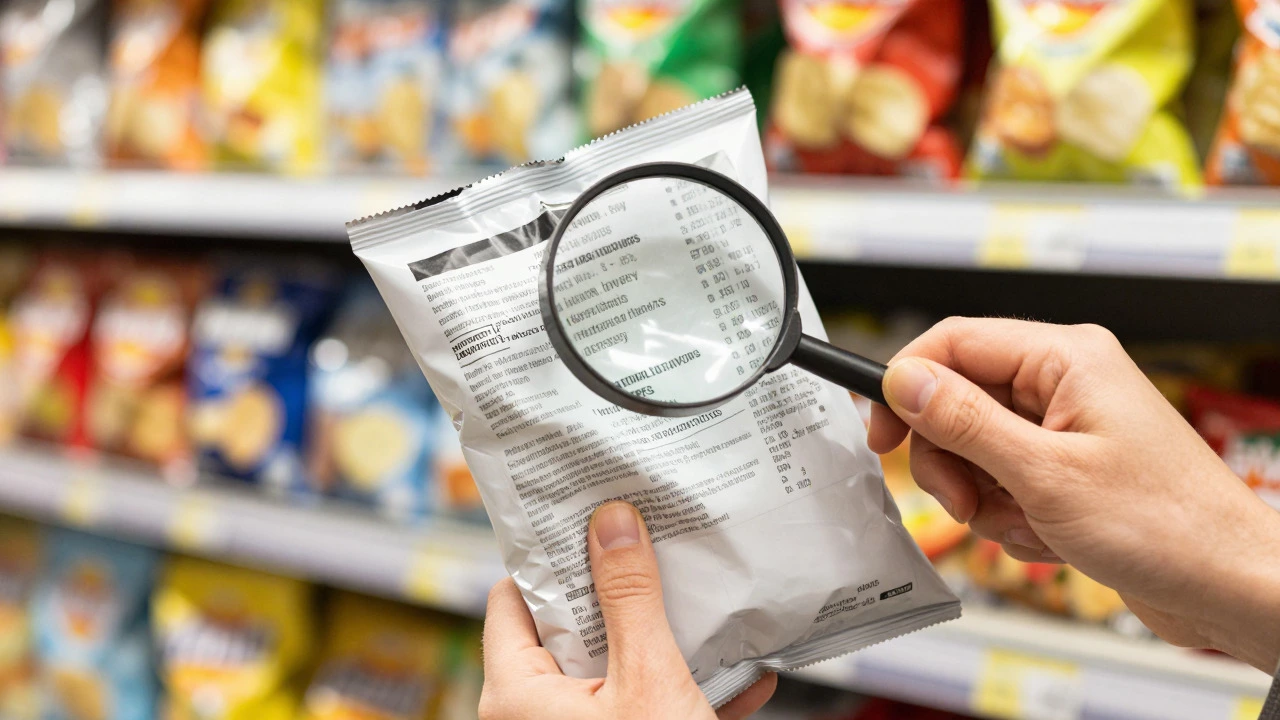
Grabbing a bag of chips at the checkout counter used to be a simple act. You picked your flavor, paid, and moved on. Today, however, that simple ritual has turned into a forensic investigation. For anyone following a vegan diet is a lifestyle choice that excludes all animal products, including meat, dairy, eggs, and honey, reading crisp packets is no longer optional-it’s mandatory. The problem isn’t just about avoiding obvious ingredients like cheese powder. It’s about navigating a minefield of ambiguous terms like 'natural flavors,' 'maltodextrin,' and 'citric acid,' which can sometimes hide traces of milk or even beef stock.
If you’ve ever stood in an aisle wondering if your favorite salt and vinegar brand secretly contains whey, you’re not alone. The snack industry has evolved rapidly over the last few years, with many major manufacturers reformulating recipes to meet the growing demand for plant-based foods. But with so many new products hitting shelves every month, keeping track of what is safe can feel overwhelming. This guide cuts through the noise, giving you a clear, up-to-date breakdown of which crisps are truly vegan, which ones to avoid, and how to make your own guilt-free versions at home.
The Hidden Dangers: Why Not All Crisps Are Created Equal
At first glance, a crisp seems innocent enough. It’s just a slice of potato, fried in oil, and seasoned. But that simplicity is often deceptive. The main culprit behind non-vegan crisps is rarely the potato itself; it’s the seasoning. Manufacturers use complex blends to create specific taste profiles, and these blends often rely on animal-derived ingredients to achieve that savory punch.
Whey and lactose are the most common offenders. These milk derivatives appear in flavors like Cheddar & Sour Cream, BBQ, and even some varieties of Salt & Vinegar. Then there’s the issue of 'natural flavors.' In the UK, this term is loosely regulated. While it often refers to plant-based extracts, it can also include hydrolyzed vegetable protein (HVP) derived from soy or wheat, or worse, animal fats. Some brands use citric acid produced via fermentation processes that may involve animal-derived cultures, though this is less common in mainstream snack foods.
Another sneaky ingredient is E100 (curcumin), a yellow coloring agent often used in cheese-flavored crisps. While curcumin itself is plant-based, it’s frequently mixed with beta-carotene or other additives that might not be vegan-friendly. Always check the full ingredient list, not just the front-of-pack claims. If a packet says 'contains milk,' it’s a definite no-go. If it says 'may contain traces of milk,' it’s usually safe for vegans but risky for those with severe allergies.
Top Vegan-Friendly Crisp Brands in the UK
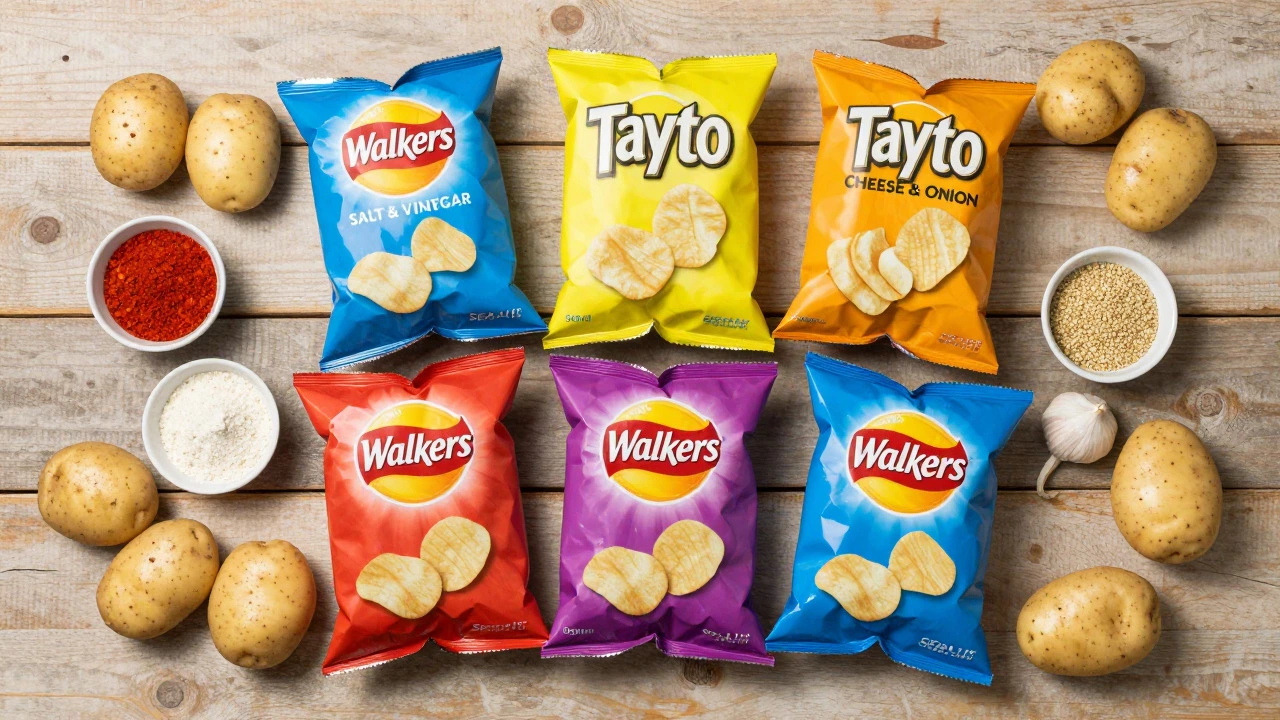
Fortunately, the market has responded to consumer demand. Many major brands now clearly label their vegan-friendly options, making shopping much easier. Here’s a rundown of the most reliable brands and their best-selling vegan flavors.
| Brand | Vegan Flavors | Notes |
|---|---|---|
| Walkers | Salt & Vinegar, Ready Salted, Cheese & Onion, Smoked Bacon & Onion | Most Walkers crisps are vegan except for those explicitly containing dairy or egg. Check for 'Suitable for Vegans' logo. |
| Kettle Chips | Sea Salt, Sea Salt & Vinegar, Paprika, Roasted Garlic | Kettle chips are known for being thicker and crunchier. Most core flavors are vegan, but always check seasonal varieties. |
| Tayto | Tayto Originals, Salt & Vinegar, Cheese & Onion, Sweet Chili | An Irish brand widely available in the UK. Their original recipe is vegan-friendly. |
| Pringles | Classic, Salt & Vinegar, Hot & Spicy | Pringles are controversial among some vegans due to potential cross-contamination and ambiguous 'natural flavors.' Check current packaging carefully. |
| Doritos | Lightly Salted, Cool Ranch (check local formulation) | Doritos formulations vary by region. In the UK, Lightly Salted is generally vegan, but flavored varieties often contain dairy. |
Walkers remains the king of the UK crisp market, and their commitment to vegan labeling is commendable. They clearly mark suitable-for-vegans products with a green leaf logo, taking the guesswork out of shopping. Similarly, Kettle Chips has built a reputation for clean ingredients, avoiding artificial preservatives and colors. Their thicker cut offers a satisfying crunch without the need for excessive seasoning.
For those who prefer international brands, Pringles and Doritos require more caution. While some flavors are technically vegan, the manufacturing process often involves shared equipment with dairy-containing products. If you have a strict ethical stance against cross-contamination, you might want to stick to brands that explicitly state 'suitable for vegans' rather than just listing vegan ingredients.
How to Spot Non-Vegan Ingredients: A Label-Reading Checklist
Even with trusted brands, formulations can change. It’s always wise to double-check the packaging before buying. Here’s a quick checklist to help you identify hidden animal products:
- Whey, Lactose, Casein: Direct indicators of milk content. Found in cheese, sour cream, and creamy flavors.
- Egg Powder: Common in breadcrumb coatings or certain spice mixes.
- Honey: Used in sweet-and-savory flavors like Honey Mustard or BBQ.
- Gelatin: Sometimes used as a binding agent in coated crisps.
- Monosodium Glutamate (MSG): Usually vegan, but check if it’s derived from animal sources (rare).
- Natural Flavors: Ambiguous. Look for additional info on the back or contact the manufacturer if unsure.
- Citric Acid: Generally vegan, but verify if it’s fermented using animal-derived cultures.
If you see any of these red flags, put the bag back. When in doubt, reach out to the brand directly. Many companies have responsive customer service teams that can clarify ingredient sourcing. Alternatively, apps like Is It Vegan? is a mobile application that helps users scan product barcodes to determine if items are vegan-friendly can provide instant verification based on user-submitted data and official brand information.
Making Your Own Vegan Crisps at Home
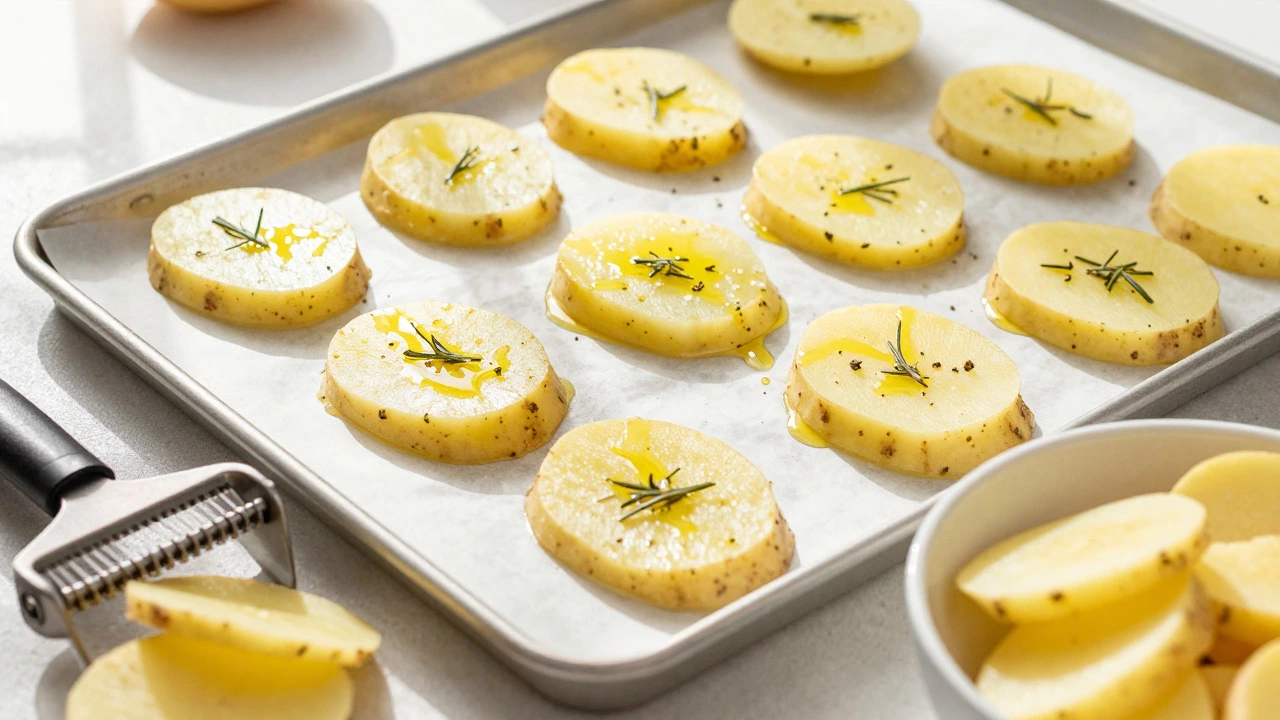
If store-bought options don’t quite hit the spot, or if you’re concerned about hidden ingredients, making your own vegan crisps is surprisingly easy. Plus, you control exactly what goes into them. All you need are potatoes, oil, and your favorite seasonings.
- Select Your Potatoes: Choose starchy varieties like Russet or Maris Piper for maximum crispiness. Waxy potatoes won’t get as crunchy.
- Slice Thinly: Use a mandoline slicer for uniform thickness. Aim for slices about 1-2mm thick. Uniformity ensures even cooking.
- Soak and Dry: Soak the slices in cold water for 30 minutes to remove excess starch. Then, pat them completely dry with a kitchen towel. Moisture is the enemy of crispness.
- Season: Toss the dried slices with a light coating of olive oil or avocado oil. Add salt, vinegar powder, garlic powder, paprika, or nutritional yeast for a cheesy flavor without the dairy.
- Bake or Air Fry: Spread the slices in a single layer on a baking sheet. Bake at 400°F (200°C) for 15-20 minutes, flipping halfway, until golden and crispy. Alternatively, use an air fryer for faster results.
Homemade crisps allow you to experiment with unique flavor combinations. Try rosemary and sea salt, chili lime, or truffle oil and parmesan-style nutritional yeast. Not only are they healthier, but they’re also cost-effective compared to premium branded crisps.
Frequently Asked Questions
Are all Walkers crisps vegan?
No, not all Walkers crisps are vegan. However, many of their core flavors, such as Salt & Vinegar, Ready Salted, and Cheese & Onion, are suitable for vegans. Always look for the 'Suitable for Vegans' logo on the packaging to be sure.
What does 'natural flavors' mean on crisp packets?
'Natural flavors' is a broad term that can refer to substances derived from plants, animals, or fungi. In crisps, it often means extractive spices or herbs, but it can sometimes include dairy or meat derivatives. If you're strict about your veganism, check with the manufacturer or choose brands that specify 'plant-based natural flavors.'
Can I eat Pringles if I'm vegan?
Some Pringles flavors are vegan, such as Classic and Salt & Vinegar. However, because they are made in facilities that handle dairy and other allergens, there's a risk of cross-contamination. Additionally, some flavors contain whey or lactose. Always read the ingredient list carefully.
Why are some vegan crisps more expensive?
Vegan crisps can be more expensive due to higher production costs associated with specialized ingredients, smaller batch sizes, or premium branding. Brands that focus on organic or non-GMO ingredients also tend to charge more. However, many mainstream brands now offer affordable vegan options.
Are homemade crisps healthier than store-bought?
Yes, homemade crisps are generally healthier because you control the amount of oil, salt, and additives used. Store-bought crisps often contain high levels of sodium, saturated fats, and artificial preservatives. By baking or air-frying your own, you can reduce calorie intake significantly while maintaining crunch.