Bake vs. Buy Cost Calculator
Determine the most economical option for your next celebration by comparing ingredient costs, labor value, and market prices.
Your Inputs
Market Benchmarks
Compare your homemade cost against typical UK prices:
Your Calculation Results
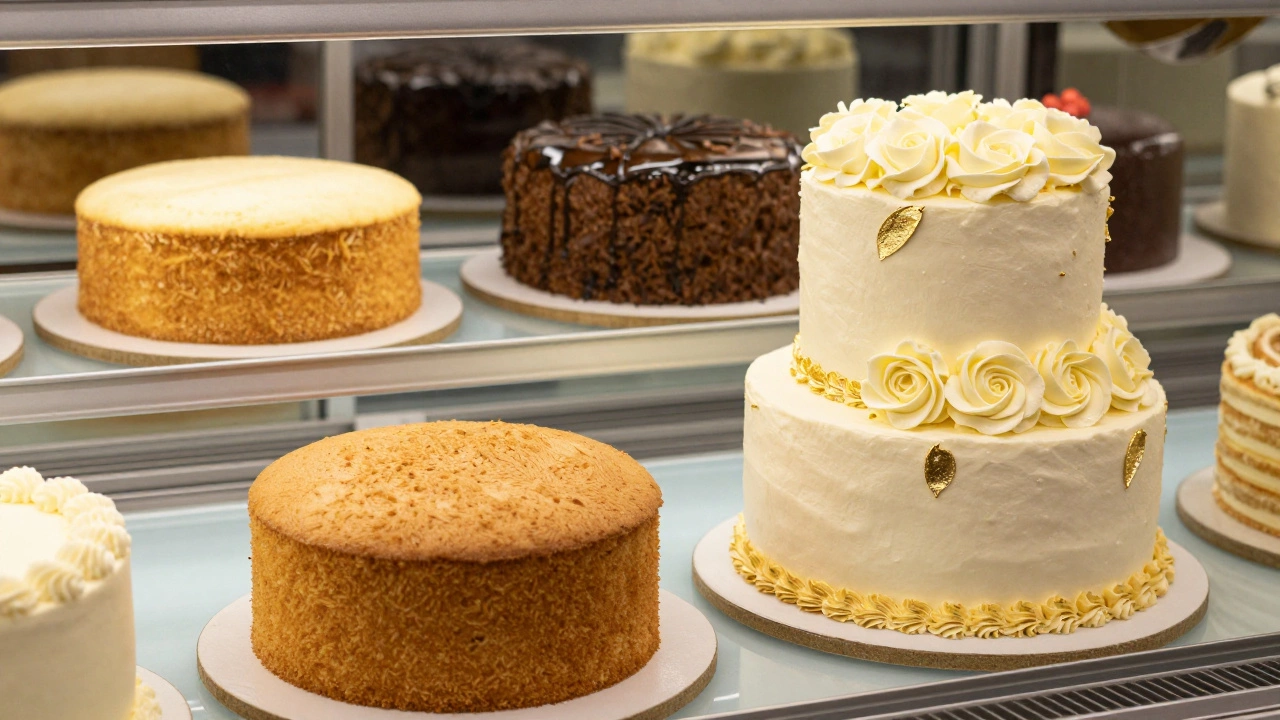
It’s June in Bristol, the air is thick with humidity, and you have a birthday party to host this weekend. You’re staring at a bakery window, eyeing a beautiful three-tier vanilla sponge with buttercream roses. The price tag says £45. Then you look at your pantry: flour, sugar, eggs, butter. A quick mental calculation suggests you could whip something up for maybe £10. But wait-does that include the electricity? The time spent mixing? The risk of it collapsing?
The question "is it cheaper to bake or buy a cake" isn’t just about the receipt total. It’s a complex equation involving ingredient inflation, labor value, skill level, and equipment depreciation. If you’re looking to save money without sacrificing quality, you need to break down the real costs of both options. Let’s pull back the curtain on the economics of a birthday cake.
The Hidden Costs of Baking at Home
When we think about baking, we usually only count the grocery bill. That’s a mistake. To get an accurate picture, we need to look at every factor that drains your wallet when you decide to bake a cake from scratch.
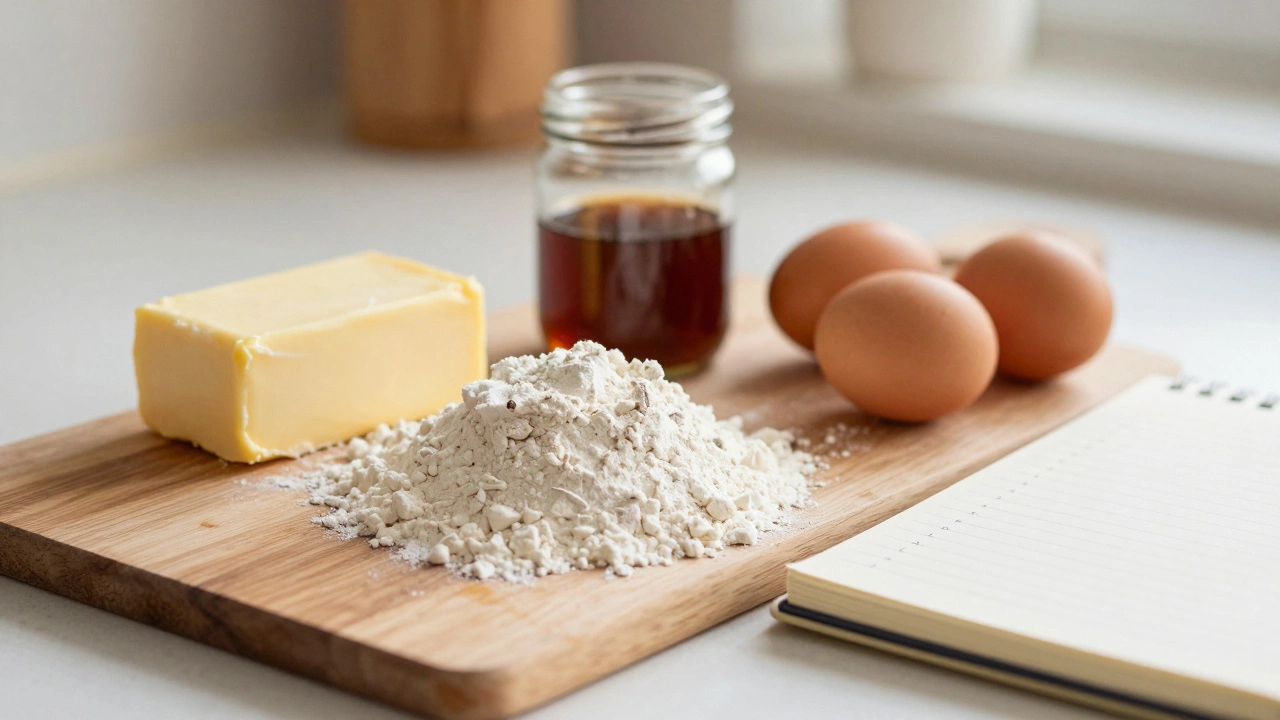
First, there are the direct ingredient costs. In 2026, food prices in the UK have stabilized slightly compared to the peaks of previous years, but they remain higher than pre-pandemic levels. For a standard 8-inch round cake serving 8-10 people, here is what you typically spend:
- Flour: Self-raising flour is cheap, roughly £0.15 per 100g. You’ll need about 250g, costing around £0.38.
- Sugar: Caster sugar is inexpensive, about £0.20 for the amount needed (200g).
- Butter: This is where the cost jumps. Unsalted block butter runs about £1.50 per 250g tub. You’ll use half, so £0.75.
- Eggs: Large free-range eggs average £0.40 each. A recipe calls for 3-4, totaling £1.20-£1.60.
- Flavorings & Extras: Vanilla extract is pricey (£3-£5 for a small bottle), but you only use a teaspoon. Add baking powder, milk, and maybe some fruit or chocolate, and you’re looking at another £1.00-£2.00.
Total ingredient cost: Approximately £3.50 to £5.50 for a basic sponge.
Now, let’s add the hidden layers. Electricity for the oven and mixer might add £0.20 to your bill. But the biggest hidden cost is failure. If you’ve never baked before, there’s a 30-40% chance your first attempt will be dense, dry, or undercooked. That means buying ingredients twice. Suddenly, your £5 cake costs £10.
Then there’s the equipment. Do you own a stand mixer? An 8-inch tin? A cooling rack? If not, you’re looking at an initial investment of £30-£50 for decent tools. Amortized over 10 cakes, that’s another £3-£5 per cake.
The True Price of Buying from a Bakery
Buying a cake seems simple: you hand over cash, you get cake. But why does a supermarket cake cost £8 while a local artisan bakery charges £45? And which one are you actually comparing against?
There are three tiers of purchased cakes, each with different value propositions:
- Supermarket Own-Brand: These are mass-produced, often using cheaper fats (margarine instead of butter) and artificial flavorings. They cost between £6 and £10 for an 8-inch cake. The downside? Texture can be gummy, and freshness is questionable if bought more than a day in advance.
- Premium Supermarket / Chain Bakeries: Think Tesco Finest or Greggs’ high-end offerings. Prices range from £12 to £20. Better ingredients, better texture, but still lacking personalization.
- Local Artisan / Custom Bakeries: This is where you go for specific flavors (like lemon drizzle with raspberry coulis), intricate designs, or dietary needs (gluten-free, vegan). Prices start at £25 and can exceed £60 for multi-tier or decorated cakes.
When you buy from an artisan baker, you’re paying for expertise. That baker has spent years perfecting their crumb structure. They’re paying for commercial-grade ovens, insurance, rent, and skilled labor. Their profit margin is slim because the volume is low. When you pay £45, you’re supporting a small business and getting a product made with premium ingredients like real vanilla bean paste and European-style butter.
| Factor | Homemade (Basic) | Supermarket (Own-Brand) | Artisan Bakery (Custom) |
|---|---|---|---|
| Average Cost | £4 - £8 | £8 - £12 | £25 - £50+ |
| Time Investment | 1.5 - 2 hours | 10 minutes (shopping) | 0 minutes |
| Ingredient Quality | You choose (High control) | Low to Medium | High (Premium) |
| Customization | Full control | Limited | Full control |
| Risk of Failure | High for beginners | None | None |
Factoring in Your Time: The Labor Value
This is the most controversial part of the equation. Economists argue that your time has value. If you earn £15 an hour, spending two hours baking a cake costs you £30 in lost wages. By that logic, buying a £10 supermarket cake is infinitely cheaper.
But life isn’t a spreadsheet. For many people, baking is a hobby, a form of stress relief, or a way to connect with family. If you enjoy the process, the "cost" of your time is negative-you’re gaining joy. However, if you dread cleaning up flour dust and washing bowls, your time is a burden.
Consider the cleanup. Baking doesn’t end when the cake comes out of the oven. You have to cool it, make the frosting, assemble it, and then wash the mixers, bowls, and spatulas. Add another 30-45 minutes for cleanup. So, a "2-hour bake" is really a 2.5-hour commitment.
If you’re a busy professional working full-time, that 2.5 hours might be worth more to you than the £20 difference between a homemade and a bought cake. In that case, buying is the smarter financial decision because it buys you back your evening.
When Baking Wins: The DIY Advantage
Baking becomes the clear winner financially and qualitatively in specific scenarios. Here’s when you should definitely pick up a whisk:
- Dietary Restrictions: Gluten-free, nut-free, or vegan cakes are significantly more expensive to buy. A gluten-free artisan cake can cost £35+, whereas the extra cost of gluten-free flour and egg replacers adds only £2-£3 to your homemade budget.
- Simple Designs: If the cake doesn’t need intricate piping or structural engineering, a naked cake or a simple drizzle looks rustic and charming. You save on the decorator’s fee.
- Batch Cooking: If you’re making multiple cakes (e.g., for a large family gathering), the economies of scale kick in. Buying five supermarket cakes costs £50+. Baking five uses the same setup time and spreads the equipment cost.
- Personalization: Want a secret ingredient like lavender honey or black pepper chocolate? You can’t get that off the shelf easily, but it’s easy in your kitchen.
When Buying Wins: The Convenience Factor
Don’t feel guilty about buying. There are times when purchasing a cake is the superior choice:
- Complex Decorations: If you want fondant figures, airbrushing, or multi-tier stability, leave it to the pros. The risk of a homemade disaster is too high.
- Small Quantities: If you only need a slice or a tiny cake for one person, buying a single portion from a cafe is cheaper than wasting half a bag of flour.
- Heatwaves: We’re in June. If it’s 30°C in Bristol, buttercream melts. Store-bought cakes often use stabilizers or meringue-based frostings that hold up better in heat than homemade buttercream.
- Lack of Equipment: If you don’t have a reliable oven (common in older UK apartments), buying ensures consistent results.

Hybrid Approach: The Smart Middle Ground
You don’t have to choose extremes. Many bakers use a hybrid model to save money and effort. For example, buy a high-quality plain sponge from a supermarket or bakery, but make your own frosting and fillings. This cuts your active time by half while allowing you to customize flavors and avoid preservatives. Alternatively, use a cake mix for the base (cheap and foolproof) but upgrade the add-ins with fresh fruit, premium chocolate chips, or a homemade glaze.
Final Verdict: What Should You Do?
If your goal is purely cost savings, baking is almost always cheaper, provided you succeed on the first try. The ingredient markup in retail is significant. However, if you value your time, hate cleaning, or lack confidence in your skills, buying a mid-range supermarket cake offers the best balance of price and convenience.
For special occasions where presentation matters, investing in a local artisan baker supports the community and guarantees a stunning result. For everyday birthdays, especially for kids who care more about the candles than the crumb, a homemade cake is a rewarding, economical, and delicious choice.
How much does it cost to bake a cake from scratch in the UK?
For a standard 8-inch cake, expect to spend between £4 and £8 on ingredients alone. This includes flour, sugar, butter, eggs, and flavorings. If you already own the equipment, this is the final cost. If you need to buy new tins or mixers, add £30+ to your initial outlay.
Is it cheaper to buy a cake from Tesco or Sainsbury's?
Prices vary by promotion, but generally, own-brand cakes from major supermarkets like Tesco or Sainsbury's range from £6 to £10. Look for "Buy One Get One Free" deals or loyalty card discounts to lower the effective cost to under £5 per cake.
Why are custom birthday cakes so expensive?
Custom cakes involve high labor costs for design and decoration, premium ingredients, and specialized equipment. Bakers also factor in the risk of damage during transport and the exclusivity of their service. You are paying for artistry and reliability, not just food.
Can I save money by baking gluten-free cakes?
Yes. Gluten-free flours and binders (like xanthan gum) are more expensive than regular flour, but the markup on store-bought gluten-free cakes is massive. Baking GF cakes at home can save you 50-70% compared to buying them from a bakery.
Does baking at home save energy?
Not necessarily. Ovens consume significant electricity or gas. However, industrial bakery ovens are far more efficient. From an environmental perspective, buying local reduces transport emissions, but baking at home allows for precise portion control, reducing food waste.