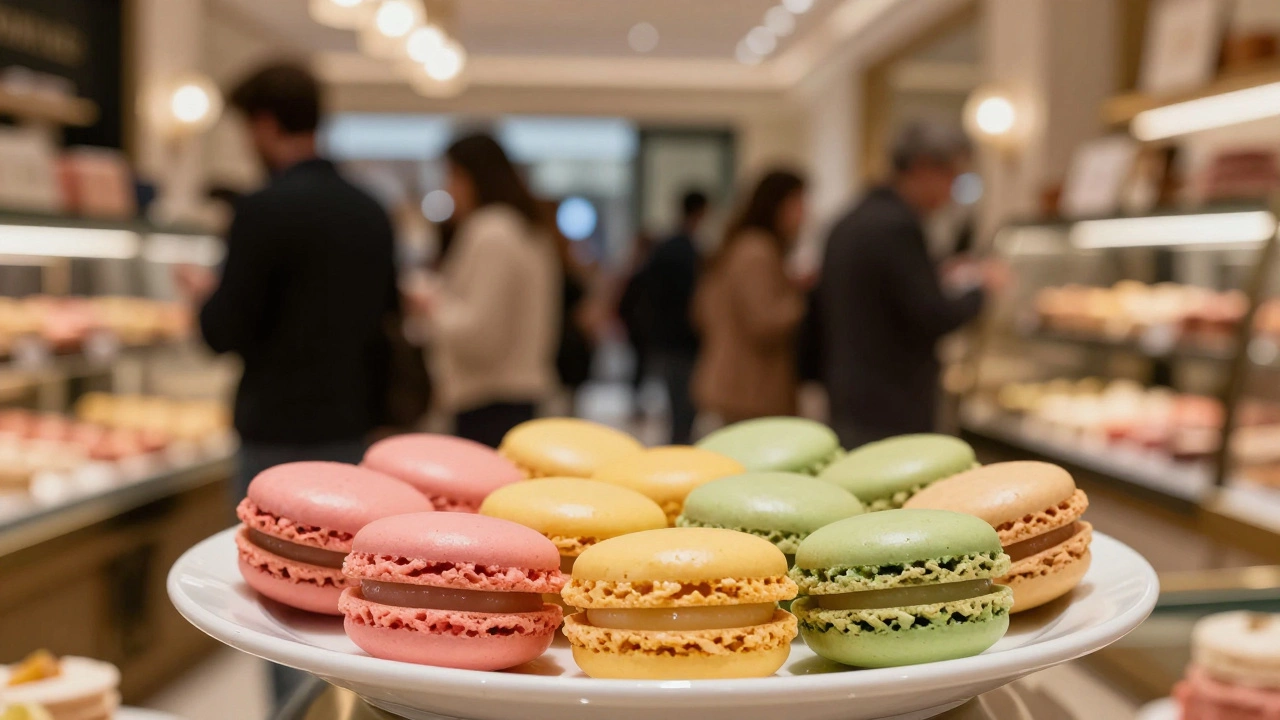
It is a common misconception that the delicate almond cookie sandwiched with ganache or buttercream is an ancient Brazilian tradition. If you are standing in line at a high-end bakery in São Paulo, waiting for those vibrant, ruffled-edged treats, you might wonder who exactly introduced this French delicacy to South America. The short answer is not a single immigrant from the 19th century, but rather a wave of globalized luxury gastronomy in the late 20th and early 21st centuries.
The story of how macarons arrived in Brazil is less about discovery and more about adoption. While Brazil has a rich history of confectionery-thanks largely to Portuguese colonial influences like brigadeiros and beijinhos-the specific French macaron remained a rarity until international chefs decided to plant their flags on Brazilian soil.
The Early Days: A Niche Luxury
In the 1980s and 1990s, if you wanted a true French macaron in Brazil, your options were virtually non-existent. You might find imitations in upscale hotels, but they often lacked the signature "foot" (the ruffle at the base) and the crisp-yet-chewy texture that defines the authentic product. The technique requires precise temperature control and humidity management, two things that are challenging in many tropical regions without specialized equipment.
The first real push came with the rise of expatriate communities in cities like São Paulo and Rio de Janeiro. Small boutique bakeries began importing ingredients and hiring trained patissiers from France. However, these were isolated pockets. The macaron was seen as an exotic novelty, a treat reserved for special occasions or diplomatic events, rather than a staple of the local dessert scene.
The Turning Point: Pierre Hermé and Ladurée
If we have to name names, the person most responsible for popularizing the modern macaron in Brazil is Pierre Hermé. Known globally as the "Picasso of Patisserie," Hermé revolutionized the macaron by introducing complex, savory-sweet flavor combinations like basil-lemon or olive oil-honey. He didn't just bring the recipe; he brought the standard.
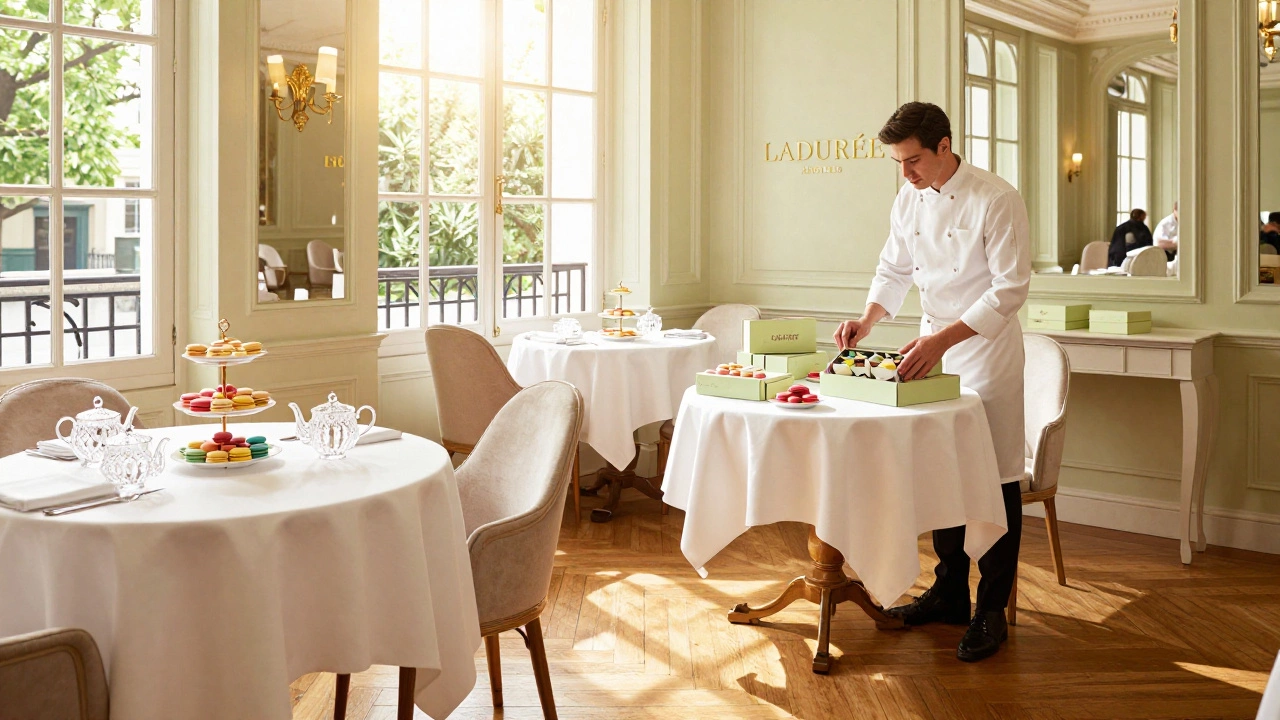
In 2013, Ladurée, the historic Parisian tea room famous for its own version of the macaron, opened its first store in São Paulo at the Jardins neighborhood. This was a seismic shift. It wasn't just a bakery opening; it was a cultural import. Suddenly, Brazilians could taste the difference between a generic almond cookie and a meticulously crafted macaron made with European techniques.
Shortly after, Pierre Hermé’s brand also established a presence in Brazil. The competition between Ladurée and Pierre Hermé sparked a nationwide conversation about what makes a good macaron. People started paying attention to the shell's texture, the filling's balance, and the aesthetic perfection. This rivalry forced local Brazilian bakers to elevate their game.
Rise of Local Brazilian Masters
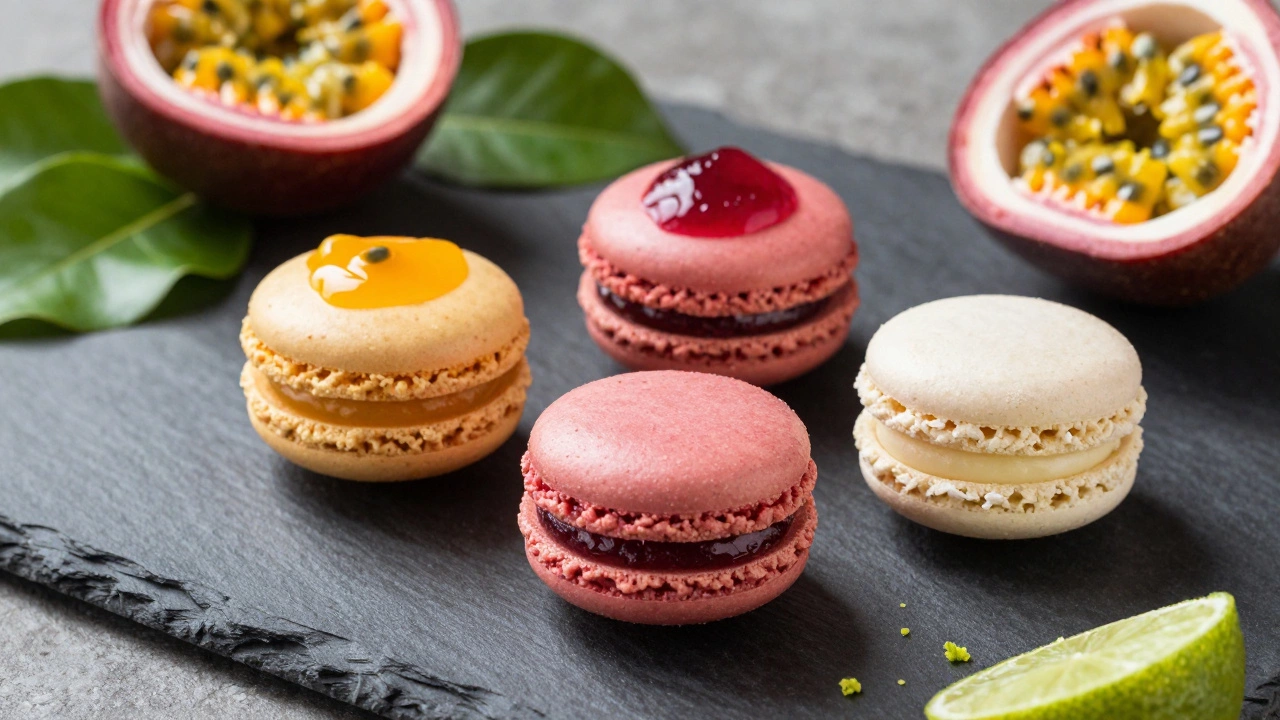
The influx of French giants didn't stifle local talent; it inspired it. Brazilian pastry chefs, already known for their creativity with tropical fruits, began experimenting with macarons using native ingredients. Imagine macarons filled with passion fruit (maracujá), guava (goiaba), or even coconut and lime. These flavors resonated deeply with the local palate.
Chefs like Alex Atala, though primarily known for his restaurant D.O.M., influenced the broader culinary landscape to value high-quality, innovative desserts. Meanwhile, dedicated macaron specialists emerged in major cities. Bakeries in Brasília, Belo Horizonte, and Porto Alegre began producing small-batch macarons that rivaled their French counterparts in quality while offering unique Brazilian twists.
| Style | Origin | Key Characteristics | Popular Flavors in Brazil |
|---|---|---|---|
| French Classic | Paris | Thin shells, delicate ganache, subtle sweetness | Rose, Vanilla, Pistachio |
| Hermé Style | France | Bolder flavors, unexpected pairings, artistic presentation | Basil-Lemon, Olive Oil-Honey |
| Brazilian Fusion | São Paulo/Rio | Tropical fillings, vibrant colors, slightly larger size | Passion Fruit, Guava, Coconut-Lime |
Why São Paulo Became the Capital
You will notice that almost all discussions about macarons in Brazil center around São Paulo. Why? Because São Paulo is the economic and cultural engine of the country. It has the highest concentration of affluent consumers willing to pay premium prices for imported goods and artisanal foods. Additionally, the city's diverse population includes a significant number of food enthusiasts who travel frequently to Europe, bringing back expectations for authenticity.
The infrastructure in São Paulo also supports this boom. Specialized suppliers now deliver fresh egg whites, almond flour, and high-quality cocoa beans directly to local bakeries. This supply chain maturity allows Brazilian macarons to maintain consistency year-round, something that was impossible a decade ago.
Challenges of Tropical Baking
Making macarons in Brazil isn't easy. The humidity can ruin a batch in minutes. In Paris, the air is dry and cool. In Rio de Janeiro or Salvador, the heat and moisture are relentless. Chefs had to adapt. They installed industrial dehumidifiers in their kitchens and adjusted drying times. Some even developed recipes with higher sugar content to help the shells hold their shape in humid conditions.
This technical challenge created a barrier to entry. Only serious bakers could master the craft. As a result, when you buy a macaron in Brazil today, you are likely getting a product from someone who has invested heavily in both skill and equipment. This scarcity adds to the perceived value and allure of the treat.
Where to Find the Best Macarons Today
If you are looking to try the best macarons in Brazil, here are a few reliable spots:
- Pierre Hermé (São Paulo): For the purist experience. Their seasonal flavors are always worth trying.
- Ladurée (São Paulo & Rio): Ideal for a classic, elegant taste with beautiful packaging.
- Local Boutique Bakeries: Look for shops specializing in "macarons artesanais" in neighborhoods like Vila Madalena or Leblon. They often offer unique local fruit infusions.
- Online Delivery Services: Many top chefs now ship nationwide via refrigerated logistics, ensuring freshness even if you live outside major cities.
The Future of Macarons in Brazil
The trend shows no signs of slowing down. We are seeing a move towards healthier options, such as gluten-free (naturally) and vegan macarons using aquafaba instead of egg whites. There is also a growing interest in sustainable sourcing, with some bakeries highlighting organic almonds and fair-trade chocolate.
As Brazilian pastry continues to gain international recognition, the macaron has become a symbol of this culinary evolution. It represents a blend of French technique and Brazilian creativity. So, while no single person "brought" macarons to Brazil in a historical sense, figures like Pierre Hermé and the collective effort of local artisans transformed them from a foreign curiosity into a beloved national indulgence.
Did Pierre Hermé invent the macaron?
No, Pierre Hermé did not invent the macaron. The macaron originated in Italy in the 16th century and was refined in France in the 18th century. However, Pierre Hermé is credited with revolutionizing the modern macaron by introducing complex, gourmet flavor combinations and elevating it to a high-art status in the early 2000s.
Are macarons gluten-free?
Yes, traditional macarons are naturally gluten-free. They are made from almond flour, egg whites, and sugar. However, cross-contamination can occur in bakeries that also handle wheat, so it is important to check with the specific bakery if you have celiac disease or severe allergies.
What is the difference between a macaron and a macaroon?
A macaron is a French meringue-based confection made with almond flour, featuring a smooth top and ruffled foot. A macaroon is typically a coconut-based cookie, often associated with Jewish holiday baking or American-style sweets. They are completely different products despite similar names.
How long do macarons last in Brazil's climate?
Due to the heat and humidity, macarons should be stored in the refrigerator and consumed within 3-5 days for optimal freshness. If shipped, they require insulated packaging with ice packs to prevent melting or sogginess during transit.
Which city in Brazil has the most macaron bakeries?
São Paulo is the undisputed capital of macarons in Brazil. It hosts the flagship stores of international brands like Ladurée and Pierre Hermé, as well as a dense network of high-quality local artisanal bakeries.