Pure Vanilla Cookie Flavor Calculator
Select ingredients that will be in your cookie:
Flavor Analysis
Select a vanilla type to see the analysis.
Have you ever bought a box of cookies that promised "real vanilla" but tasted like chemical soap? You are not alone. Most commercial baked goods rely on artificial vanillin or low-grade imitation extracts because they are cheap and stable. But when you want that deep, complex, floral aroma that makes your kitchen smell like heaven, you need to do things differently. Getting pure vanilla cookies isn't just about adding more extract; it is about understanding the source of the flavor and how to handle it so it survives the heat of the oven.
Understanding What Makes Vanilla "Pure"
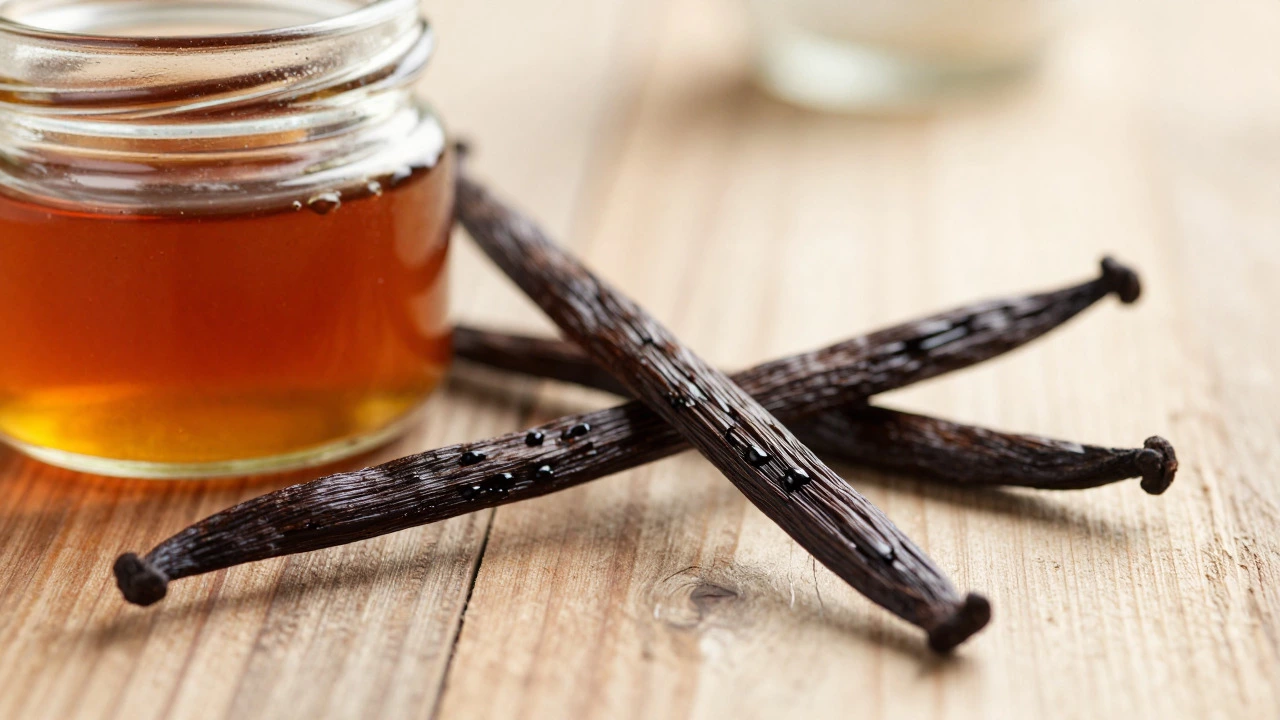
To bake with true vanilla, you first need to know what you are buying. The term "vanilla" on a label can be misleading. In many countries, if a product contains less than 35% alcohol by volume and lacks sufficient vanillin content from actual beans, it can still be labeled as an "imitation" or "flavoring." For pure flavor, you are looking for one of three specific entities: Pure Vanilla Extract, a solution made by macerating and percolating vanilla beans in ethyl alcohol and water, Vanilla Bean Paste, a thick syrup containing ground vanilla bean seeds suspended in sugar and water, or whole Vanilla Beans, the cured seed pods of the Vanilla planifolia orchid.
The difference in cost is significant. Pure extract costs roughly ten times more than imitation. However, the flavor profile is night and day. Imitation vanilla is one-dimensional-sharp and sweet. Pure vanilla has notes of chocolate, tobacco, almond, and caramel. When you bake with the real thing, those subtle notes deepen during the Maillard reaction (browning process), creating a cookie that tastes rich and sophisticated rather than just sugary.
Choosing Your Vanilla Source
Not all pure vanilla is created equal. The origin of the bean affects the final taste of your cookies. Here is a breakdown of the most common types you will find in stores:
| Type | Flavor Profile | Best For | Cost Level |
|---|---|---|---|
| Mexican Vanilla | Spicy, woody, warm | Chewy cookies, spiced desserts | High |
| Tahitian Vanilla | Floral, fruity, anise-like | Fruit tarts, light cakes | Very High |
| Madagascar Bourbon | Creamy, sweet, classic vanilla | Classic chocolate chip, sugar cookies | Medium-High |
| Guatemalan Vanilla | Bold, smoky, earthy | Dark chocolate pairings | Medium |
For most standard cookie recipes, Madagascar Bourbon Vanilla is the gold standard. It provides that familiar, comforting vanilla taste that pairs perfectly with butter and brown sugar. If you prefer a more exotic twist, try Tahitian, but keep in mind its floral notes might clash with heavy spices like cinnamon.
The Chemistry of Cookie Dough
Getting pure vanilla flavor into the final cookie requires managing moisture and fat. Vanilla extract is roughly 35% alcohol and 65% water. Adding too much liquid can make your cookies spread too thin or become cakey instead of chewy. This is where Vanilla Bean Paste becomes a game-changer. Because it is thicker and contains less free water than extract, it allows you to pack more vanilla flavor without altering the dough's hydration balance.
If you use whole beans, you must scrape the seeds carefully. These tiny black specks contain the highest concentration of vanillin. Do not throw away the pod after scraping! Steep the empty pod in your granulated sugar for two weeks to create vanilla sugar. Using this sugar in your cookie dough adds a secondary layer of infused flavor that extract alone cannot achieve.
Step-by-Step: Making Pure Vanilla Sugar Cookies
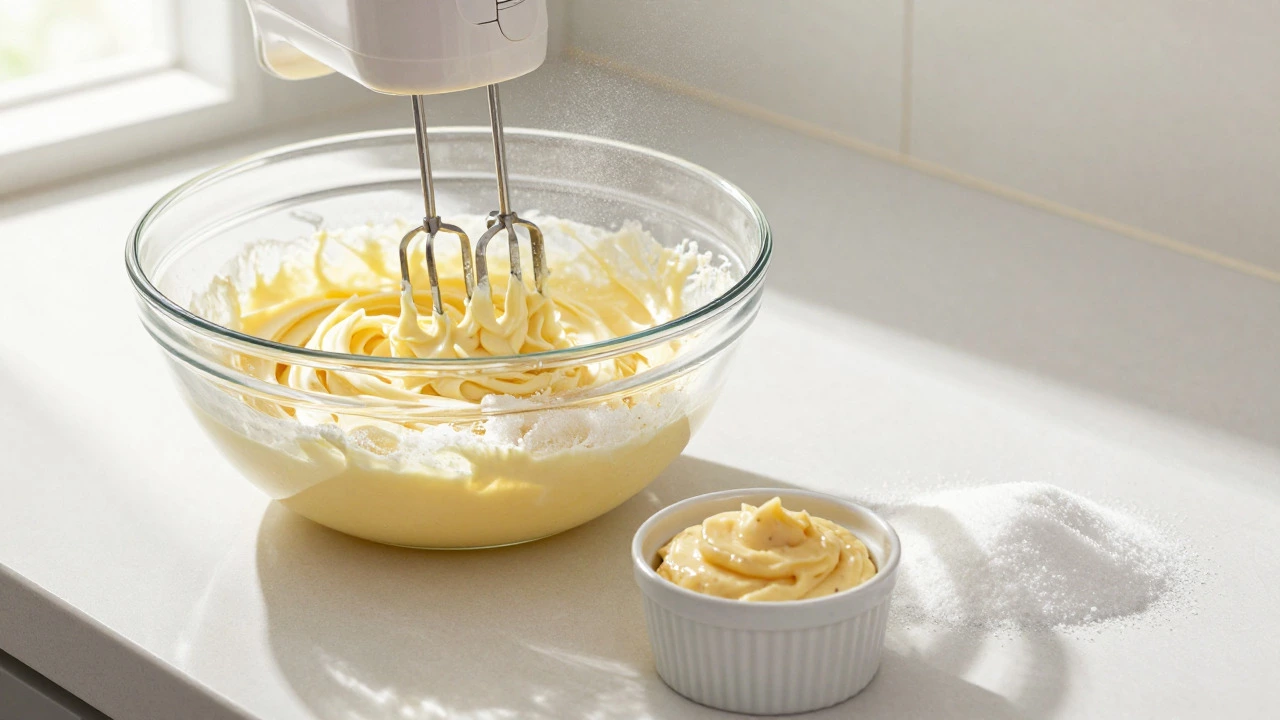
Let’s put theory into practice. This simple recipe highlights the vanilla rather than hiding it behind chocolate chips or nuts. The key here is creaming the butter and sugar properly to incorporate air, which helps carry the volatile aromatic compounds of the vanilla.
- Gather Ingredients: You will need 1 cup (2 sticks) of unsalted butter at room temperature, 1.5 cups of granulated sugar (preferably vanilla-infused), 2 large eggs, 3 cups of all-purpose flour, 1 teaspoon of baking powder, 1/2 teaspoon of salt, and 2 teaspoons of high-quality Madagascar vanilla extract or 1 tablespoon of vanilla bean paste.
- Cream Butter and Sugar: In a large bowl, beat the butter and sugar together until light and fluffy, about 3-4 minutes. This step is crucial. If you rush it, the cookies will be dense, and the vanilla aroma won't lift properly.
- Add Wet Ingredients: Beat in the eggs one at a time, ensuring each is fully incorporated before adding the next. Stir in the vanilla extract or paste. Notice how the mixture darkens slightly? That is the vanilla integrating.
- Combine Dry Ingredients: In a separate bowl, whisk together the flour, baking powder, and salt. Gradually add this to the wet mixture, mixing on low speed just until combined. Overmixing develops gluten, leading to tough cookies.
- Chill the Dough: Cover the dough and refrigerate for at least 30 minutes. Chilling solidifies the fat, preventing excessive spreading. It also allows the flour to hydrate fully, resulting in a better texture.
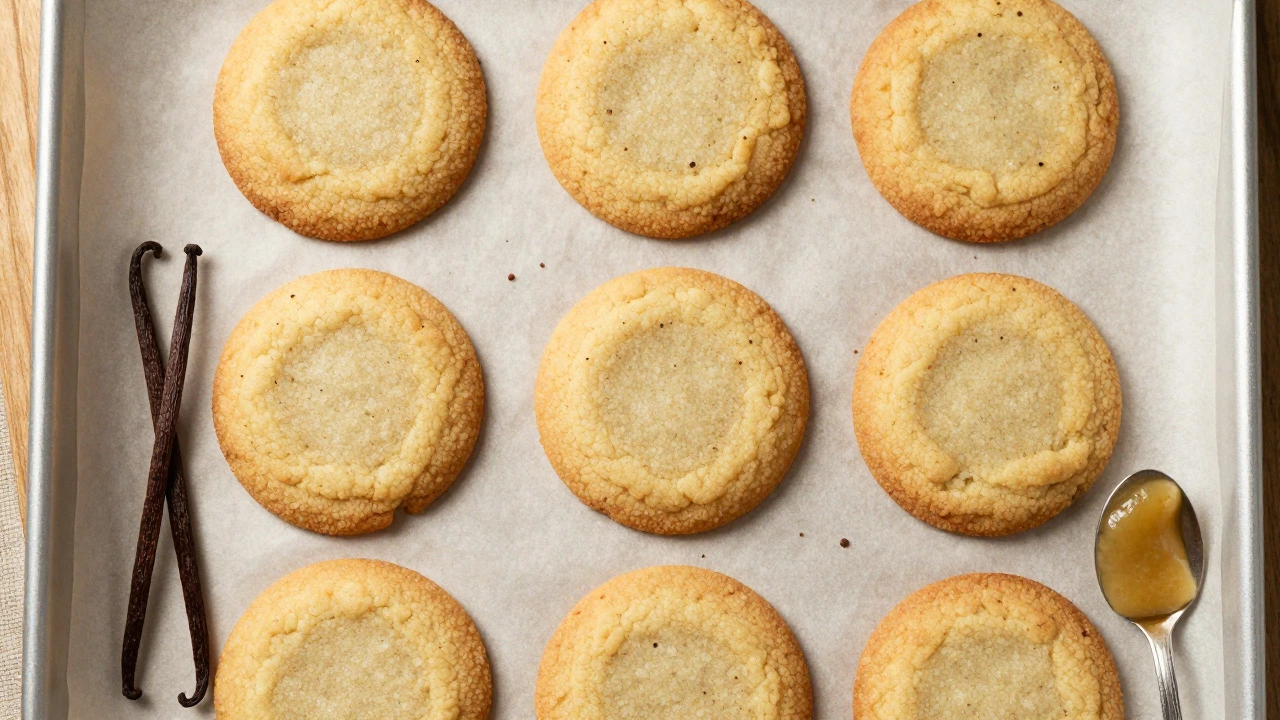
- Bake: Preheat your oven to 350°F (175°C). Roll dough into balls and place them on a parchment-lined baking sheet. Bake for 10-12 minutes, or until the edges are golden but the centers still look slightly soft.
Common Mistakes That Kill Vanilla Flavor
Even with the best ingredients, you can lose that pure vanilla punch if you make these common errors:
- Using Old Extract: While vanilla extract doesn't spoil, it loses potency over time if not stored correctly. Keep it in a cool, dark place. If your bottle smells mostly like alcohol, it’s time to replace it.
- Adding Vanilla Too Early: Some bakers add vanilla to the dry mix. Always add it with the wet ingredients. Alcohol-based extracts emulsify better with fats and liquids, distributing the flavor evenly throughout the dough.
- Overpowering Pairings: Vanilla is delicate. If you pair it with strong flavors like espresso, dark chocolate (70%+ cocoa), or heavy spices, the vanilla will disappear. For pure vanilla cookies, stick to mild companions like white chocolate, lemon zest, or plain buttercream.
- Burning the Cookies: Vanillin burns easily. If your cookies turn dark brown, the vanilla flavor turns bitter. Aim for pale golden edges to preserve the sweet, creamy notes.
Storage and Shelf Life
Pure vanilla cookies are best eaten fresh, but they can last up to a week if stored correctly. Place them in an airtight container at room temperature. Avoid the refrigerator, as cold temperatures can cause the starches to retrograde, making the cookies stale faster. If you need to store them longer, freeze the unbaked dough balls. They will thaw and bake beautifully months later, retaining their full vanilla aroma.
Why Pay More for Pure Vanilla?
In a world of mass-produced snacks, choosing pure vanilla is a small act of culinary rebellion. It supports sustainable farming practices in places like Madagascar and Mexico, where farmers often struggle against climate change affecting crop yields. More importantly, it transforms baking from a chore into a sensory experience. The next time you bite into a cookie made with real vanilla, you’ll taste the difference-not just in sweetness, but in depth, complexity, and authenticity.
Can I substitute vanilla bean paste for extract in any cookie recipe?
Yes, you can generally substitute vanilla bean paste for extract in a 1:1 ratio. However, because paste is thicker and contains sugar, you may need to reduce other liquids in the recipe slightly if you are using a large amount. It provides a more intense flavor and visible specks of vanilla seed.
Is organic vanilla extract better for cookies?
Organic vanilla ensures no synthetic pesticides were used during cultivation, which is better for health and the environment. However, in terms of flavor intensity, organic does not always mean stronger. Look for certifications like USDA Organic or EU Organic, but prioritize the origin (e.g., Madagascar) for flavor quality.
Why do my vanilla cookies taste bitter?
Bitterness usually comes from burning the vanilla. Vanillin has a low smoke point. If your oven runs hot or you bake too long, the vanilla compounds break down and turn acrid. Ensure your oven temperature is accurate with a thermometer and pull cookies out when edges are just golden.
How long does pure vanilla extract last?
Pure vanilla extract has an indefinite shelf life if stored in a cool, dark place. The alcohol acts as a preservative. Over many years, it may darken and mellow in flavor, but it rarely goes bad. Imitation vanilla, however, degrades much faster and should be replaced every 6-12 months.
What is the best type of sugar for vanilla cookies?
Granulated white sugar creates crisp edges, while brown sugar adds chewiness due to molasses. For pure vanilla cookies, a mix of both works well. Using vanilla-infused sugar (made by steeping beans in sugar) elevates the flavor significantly without adding extra liquid.