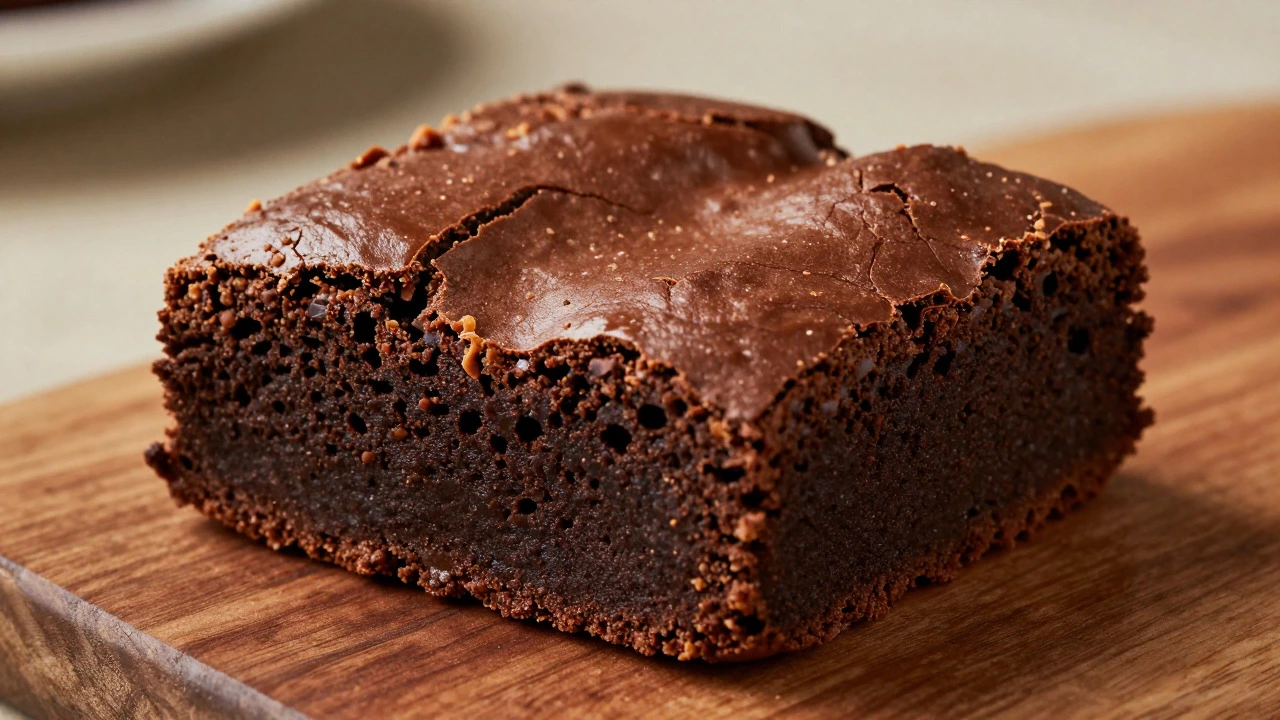
Brownie Texture & Quality Estimator
Dial in your recipe and see how flour, fat, and leavening shift a brownie from fudgy to cakey — then score it against the hallmarks of a quality bake.
Drag to preview where this recipe lands on the fudgy-to-cakey scale.
Recipe Ingredients
Quality Checklist
Have you ever stared at a box of brownies is a square-shaped, dense chocolate confection that sits between a cookie and a cake in texture and structure and wondered exactly what makes them different from other desserts? The word itself has a specific culinary definition, but for many home bakers, it’s more about the feeling of biting into something rich, moist, and deeply satisfying. Understanding what "brownies" actually means goes beyond just knowing they are made with cocoa; it involves grasping their unique textural identity, their historical roots, and the science behind why some turn out dry while others stay perfectly gooey.
In this guide, we’ll break down the true meaning of brownies, explore where they came from, and explain the technical differences that define a good one versus a bad one. Whether you’re a curious eater or an aspiring baker, this will clear up the confusion around this iconic treat.
The Literal Definition and Culinary Identity
At its core, a brownie is a baked good characterized by its dark color, high sugar content, and lack of leavening agents like baking powder in traditional recipes. Unlike cakes, which rely on air incorporation to rise, brownies depend on fat and sugar to create their structure. This results in a denser, heavier product. The term "brownie" specifically refers to the visual appearance-the deep, mahogany hue derived from melted chocolate or cocoa powder-and the interior crumb, which should be tender yet substantial.
It is important to distinguish brownies from similar items. A fudge is an uncooked confection made by heating sugar, butter, and milk until it reaches soft-ball stage, then cooling it without baking. While both contain chocolate, fudge is not baked. Similarly, a cookie is a small, flat baked sweet typically containing flour, sugar, and fat, often rolled or spread before baking. Cookies are generally thinner and crispier at the edges, whereas brownies have significant height and a moist center. This distinction is crucial when discussing what the word implies in a kitchen context: it promises density, not lightness.
Where Did the Word Come From?
The history of the name is as debated as the recipe itself. Most food historians point to late 19th-century America as the birthplace of the modern brownie. One popular theory suggests the name comes from the color of the baked product. Another theory links it to the "brown" color of the chocolate used, distinguishing it from lighter vanilla or lemon squares. Some sources claim the term was first used in a cookbook published in 1896, though earlier references exist in regional newspapers from the 1890s.
Regardless of the exact etymology, the word stuck because it described the most obvious feature of the dessert. It wasn't called a "chocolate bar" or a "cocoa square." It was called a brownie because it looked brown. This simplicity helped it spread rapidly across the United States and eventually to the UK and Europe, becoming a global standard for chocolate desserts.
Fudgy vs. Cakey: The Textural Spectrum
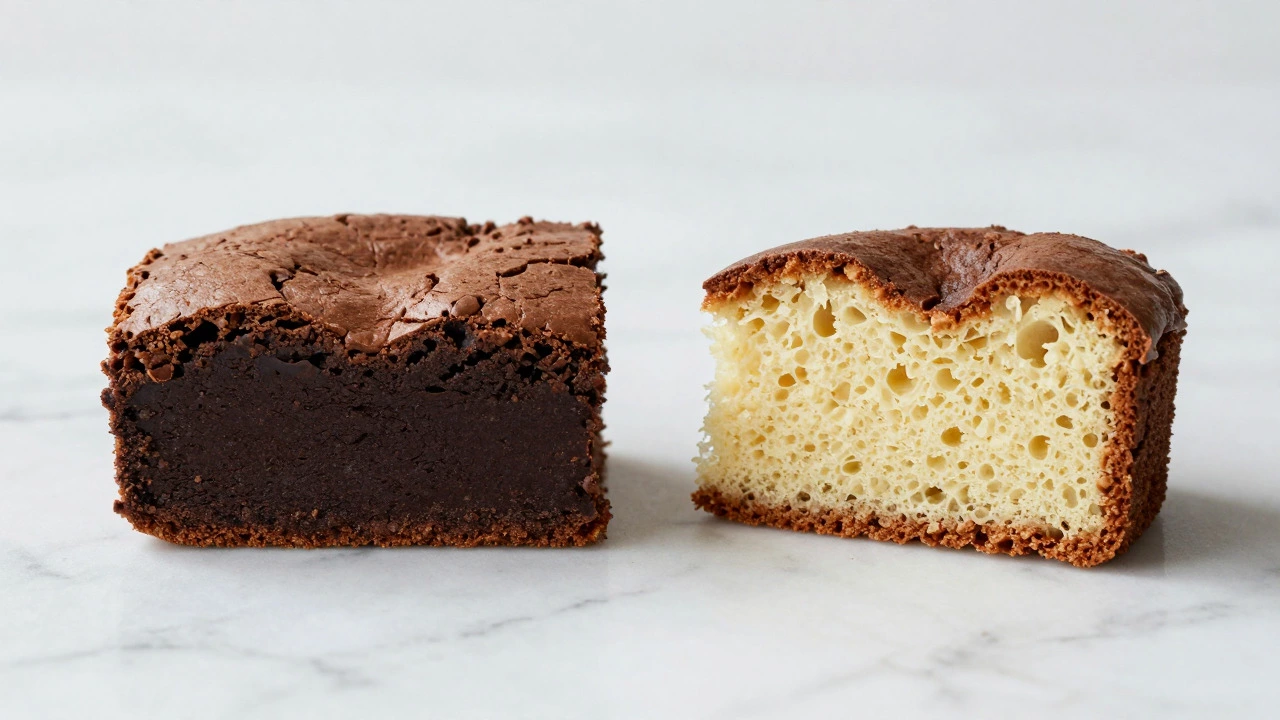
When people ask what brownies mean, they are often really asking about texture. There are two main categories that define the eating experience: fudgy and cakey. These terms describe the internal structure achieved through different ingredient ratios.
| Feature | Fudgy Brownies | Cakey Brownies |
|---|---|---|
| Texture | Dense, moist, almost chewy | Lighter, airy, similar to a dense cake |
| Flour Ratio | Lower (less structure) | Higher (more structure) |
| Leavening | Little to no baking powder | Includes baking powder |
| Egg Whites | Fewer or none | More egg whites for lift |
| Best For | Purists who want intense chocolate flavor | Those who prefer a softer bite |
If you want a truly fudgy result, you need to minimize the ingredients that create air pockets. This means using less flour and avoiding baking powder entirely. The density comes from the weight of the chocolate and sugar. Conversely, if you prefer a cakey texture, you increase the flour and add a pinch of baking powder to help the batter rise slightly during baking. Both are valid interpretations of what a brownie can be, but they serve different preferences.
The Science Behind the Square Shape
Why are brownies almost always cut into squares? It’s not just tradition; it’s practicality. The square shape ensures even heat distribution in the oven. If you made them round, the edges would bake faster than the center, leading to uneven textures. Squares allow for consistent thickness across the entire batch. Additionally, the size is standardized to provide a manageable portion size. A typical brownie slice is about 2 inches by 2 inches, offering enough volume to be satisfying without being overwhelming.
This geometric consistency also helps in baking time management. Because every piece has the same surface area and volume, you can predict how long they will take to bake. This predictability is a key part of what makes brownies so accessible for home bakers. You don’t need to adjust times for different shapes or sizes; you just follow the recipe and trust the process.
Common Misconceptions About Brownies
One common misconception is that all brownies must be underbaked. In reality, the center should be set but still moist. If it’s runny, it’s underbaked. If it’s dry and crumbly, it’s overbaked. The ideal state is when a toothpick inserted into the center comes out with a few moist crumbs attached, not wet batter. Another myth is that brownies are just "bad cookies." As mentioned earlier, they have a distinct structural difference due to the lack of leavening and higher fat content. They are their own category, not a failed attempt at another dessert.
People also often confuse brownies with blondies. Blondies are made with white chocolate or no chocolate at all, relying on vanilla and butter for flavor. While the technique is similar, the name changes to reflect the absence of the characteristic brown color. So, if it’s not brown, it’s technically not a brownie, even if the method is identical.
How to Identify a Quality Brownie
Knowing what the word means helps you evaluate the product. A high-quality brownie should have a shiny, crackled top. This crust forms when the sugar on the surface caramelizes during baking. It should snap cleanly when broken. The interior should be uniform in color, with no large air holes or tunnels. The edges should be slightly firmer than the center, providing a nice contrast in texture. If the brownie falls apart easily or feels gritty, the ratio of flour to fat was likely off. If it feels greasy, too much butter was used. Balancing these elements is the art of making a great brownie.
Frequently Asked Questions
Are brownies considered cookies or cakes?
Technically, brownies are their own category. They share characteristics with both cookies (dense, no leavening) and cakes (baked in a pan), but their unique texture places them in a separate culinary group. They are often classified as a type of bar cookie or a dense cake, depending on the specific recipe.
Why are brownies called brownies?
The name likely derives from the dark brown color of the finished product, which comes from the use of chocolate or cocoa. It distinguishes them from lighter-colored bars like blondies or vanilla squares. The term became popular in the late 19th century in the United States.
What is the difference between fudgy and cakey brownies?
Fudgy brownies are denser and moister, with less flour and no baking powder. Cakey brownies are lighter and airier, with more flour and usually some baking powder. The choice depends on personal preference for texture.
Can you make brownies without chocolate?
Yes, but they are usually called blondies if they are light-colored. You can make chocolate-free versions using ingredients like peanut butter, maple syrup, or spices, but they won't be traditionally recognized as brownies unless they retain a dark hue from other ingredients like molasses.
Why do my brownies come out dry?
Dry brownies are usually caused by overbaking or using too much flour. To prevent this, check for doneness a few minutes before the recommended time and ensure your measuring cups are leveled correctly. Under-measuring fat can also lead to a dry texture.