Cookie Texture & Bake Time Optimizer
Predicted Outcome
Enter your parameters to see analysis.
Fill in the details on the left
to optimize your next batch.
There is nothing quite like the smell of fresh homemade cookies is a baked good made from scratch using basic ingredients like flour, sugar, butter, and eggs wafting through your kitchen. Yet, achieving that perfect balance of crispy edges and soft centers can feel like a gamble if you don't know the specific techniques that make professional bakers look effortless. You don't need expensive equipment or rare ingredients to get it right. Instead, you need to master four fundamental principles that control how the dough behaves in the heat. These aren't just suggestions; they are the mechanical reasons why some batches fail while others turn out bakery-quality every single time.
The Science Behind Temperature Control
Most home bakers treat their ovens as black boxes: set the dial, wait for the beep, bake. But an oven is not a static environment. It fluctuates. When you open the door to check on your cookies, the internal temperature can drop by 20 to 30 degrees Fahrenheit in seconds. This sudden loss of heat causes the outside of the cookie to stop setting while the inside continues to spread, leading to flat, greasy results. To counter this, always preheat your oven fully before introducing the dough. Use an independent oven thermometer rather than relying on the built-in dial, which is often inaccurate by up to 25 degrees. If your cookies are spreading too much, the issue is rarely the recipe; it is almost always that your oven runs hot or your dough was too warm when it hit the rack. Consistency in heat ensures that the Maillard reaction-the chemical process responsible for browning-occurs evenly across the entire surface of the cookie.
Why Chilling Dough Changes Everything
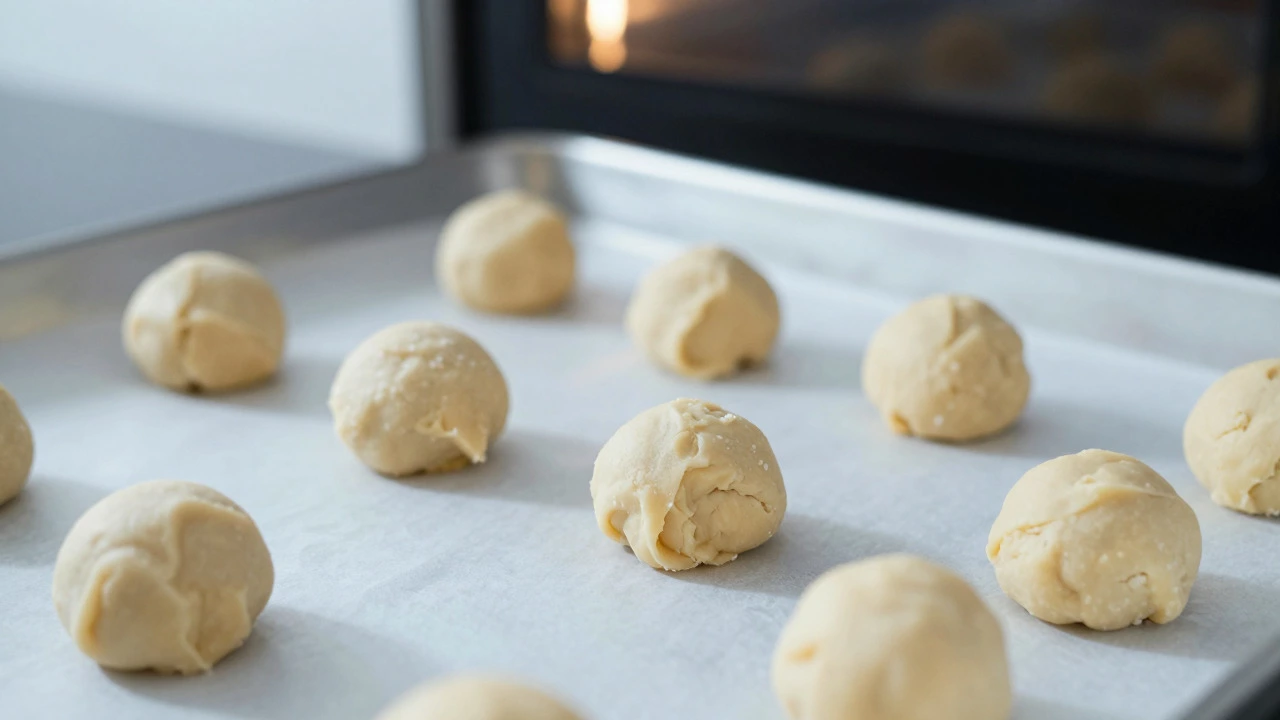
If you skip the chilling step, you are fighting against physics. Butter is a solid fat at room temperature but melts into liquid when heated. In cookie dough, the structure relies on the butter staying solid long enough for the flour to hydrate and the gluten to develop slightly. If the dough is too warm when it goes into the oven, the butter melts instantly, causing the dough to spread rapidly before it has a chance to set. This results in thin, cracker-like cookies. By chilling the dough in the refrigerator for at least one hour, or preferably overnight, you solidify the fats again. This slow melt-down allows the cookie to rise vertically rather than horizontally. Additionally, chilling gives the flour time to absorb moisture from the eggs and milk, reducing the amount of free water in the dough. Less free water means less steam, which means better texture and defined edges. Think of chilling as the pause button that lets the chemistry catch up with your mixing.
Mixing Methods That Define Texture
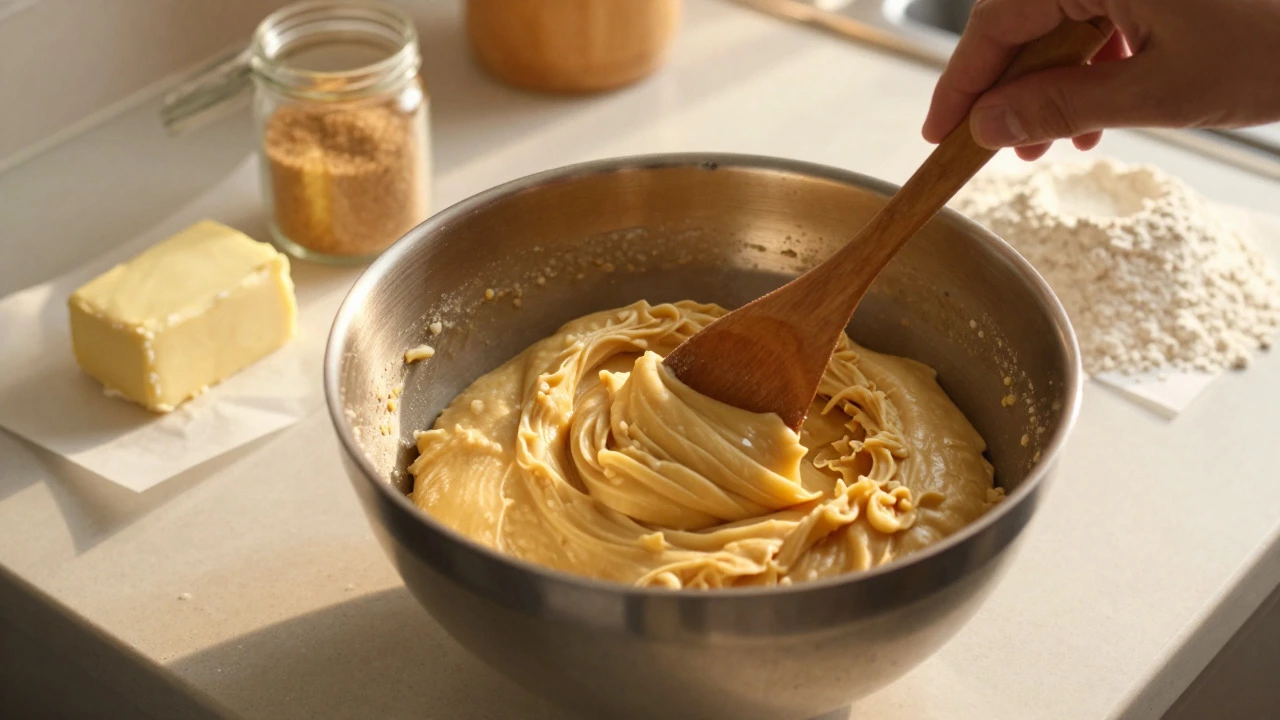
The way you mix your ingredients dictates whether you end up with a cakey cookie or a chewy one. Overmixing is the silent killer of great cookies. Once you combine the dry ingredients with the wet mixture, you should stop stirring the moment the flour disappears. Any further agitation develops the gluten proteins in the wheat flour, turning them into tough strands. For a tender, shortbread-style cookie, you want minimal gluten development. However, if you crave a dense, chewy center, you might intentionally overmix slightly, but only after the brown sugar is fully incorporated. Brown sugar contains molasses, which adds acidity and moisture. This acidity reacts with baking soda to create carbon dioxide bubbles. If you mix too vigorously, you trap air in the dough that escapes unevenly during baking, creating large holes instead of a uniform crumb. The rule of thumb is simple: cream the butter and sugar until fluffy to incorporate air, then mix everything else just until combined. Trust the resting period to do the rest of the work.
Reading the Visual Cues Before They Burn
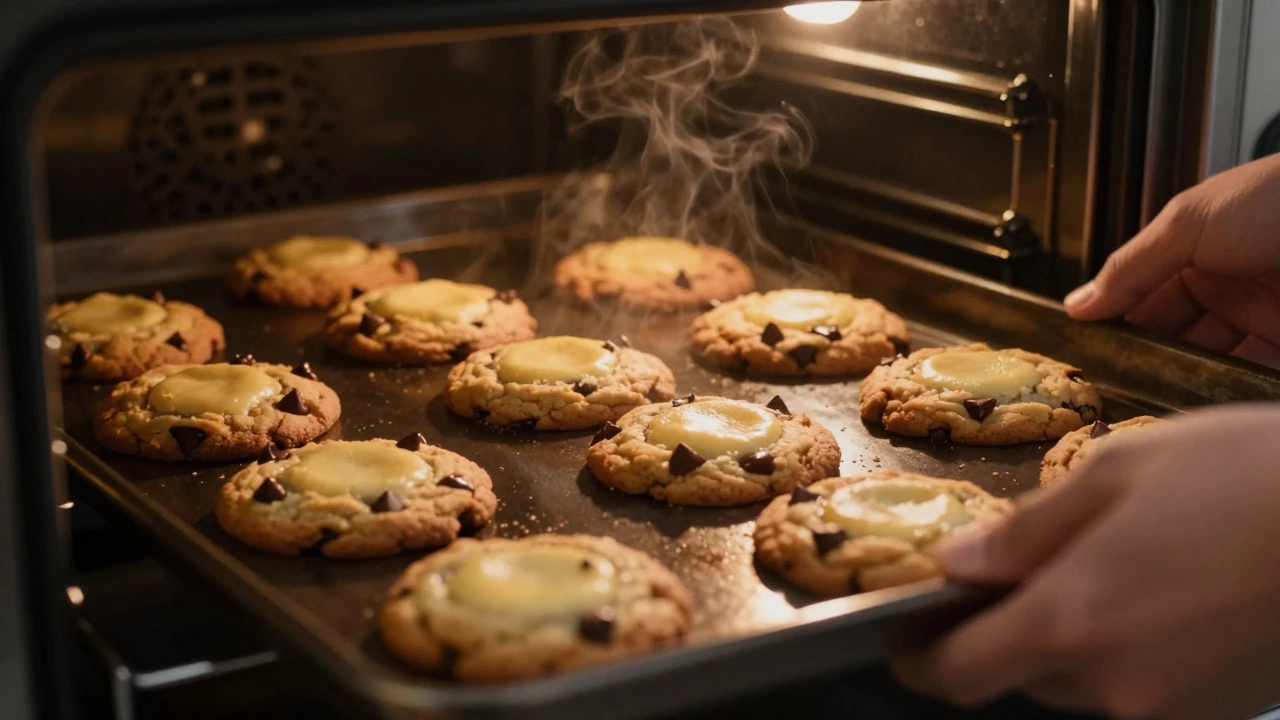
Timers are helpful, but eyes are better. Every oven, pan material, and humidity level affects baking time differently. A standard chocolate chip cookie recipe might say 10 to 12 minutes, but that range is broad. The key is to pull the cookies out when the edges are just starting to turn golden brown and the centers still look pale and underbaked. This is because cookies continue to cook on the hot baking sheet after you remove them from the oven. This residual heat sets the center without drying it out. If you wait until the center looks done in the oven, it will be rock hard by the time it cools. Conversely, if you use dark metal pans, the cookies will bake faster than on light-colored aluminum or glass sheets. Dark pans absorb more radiant heat and transfer it to the dough more aggressively. Adjust your timing down by 1 to 2 minutes if you switch to darker bakeware. Learn to trust the visual cue of the edge color over the clock on your wall.
| Technique | Primary Effect | Resulting Texture |
|---|---|---|
| Chilling Dough | Solidifies butter, slows spread | Thicker, defined edges, softer center |
| Overmixing Dry Ingredients | Develops gluten network | Chewier, denser, potentially tougher |
| Using Brown Sugar | Adds moisture and acidity | Moist, caramel notes, slightly chewier |
| Baking on Dark Pans | Increases heat absorption | Faster browning, risk of burning bottoms |
| Pulling Out Early | Allows carry-over cooking | Soft, pliable center, crisp edges |
Common Pitfalls to Avoid in Your Next Batch
Even with these four tips in mind, small errors can derail a batch. One frequent mistake is using margarine instead of butter. Margarine has a higher water content and different fat crystal structure, which leads to cookies that spread excessively and lack flavor depth. Always use unsalted butter so you can control the sodium levels precisely. Another trap is measuring flour incorrectly. Scooping directly from the bag packs the flour down, adding up to 25% more flour than the recipe intends. This extra starch absorbs moisture and creates a dry, crumbly texture. Instead, spoon the flour into the measuring cup and level it off with a knife. Finally, pay attention to the age of your leavening agents. Baking powder loses potency six months after opening, and baking soda can clump if exposed to humidity. If your cookies aren't rising properly, check the expiration dates on your pantry staples before blaming the technique.
Frequently Asked Questions
Why do my homemade cookies spread too much?
Excessive spreading usually happens because the butter is too warm or the dough wasn't chilled. When the fat melts before the structure sets, the cookie flows outward. Chilling the dough for at least an hour solidifies the fat, allowing the cookie to hold its shape longer in the oven.
Can I use brown sugar instead of white sugar in cookies?
Yes, but it changes the texture and flavor. Brown sugar contains molasses, which adds moisture and a deeper caramel taste. It also makes cookies chewier. White sugar contributes to crispiness. Many recipes use a combination of both to achieve a balance of crisp edges and a soft center.
How long should I chill cookie dough?
A minimum of 30 minutes is recommended, but one hour to overnight yields the best results. Chilling allows the flour to hydrate fully and the fats to solidify. Overnight chilling also enhances the flavor by allowing the ingredients to meld together.
Why are the centers of my cookies raw when the edges are burnt?
This indicates uneven heat distribution or incorrect oven calibration. Your oven may run hotter than the dial suggests, causing the edges to burn quickly while the center hasn't had time to set. Use an oven thermometer to verify the actual temperature and consider rotating the baking sheet halfway through the baking time.
Does the type of baking sheet affect the outcome?
Yes, significantly. Dark metal pans absorb more heat and cause cookies to brown faster on the bottom. Light-colored aluminum pans reflect heat, resulting in slower browning. Glass pans conduct heat slowly, which can lead to underbaked bottoms. For consistent results, stick to light-colored metal sheets and line them with parchment paper for easy release.