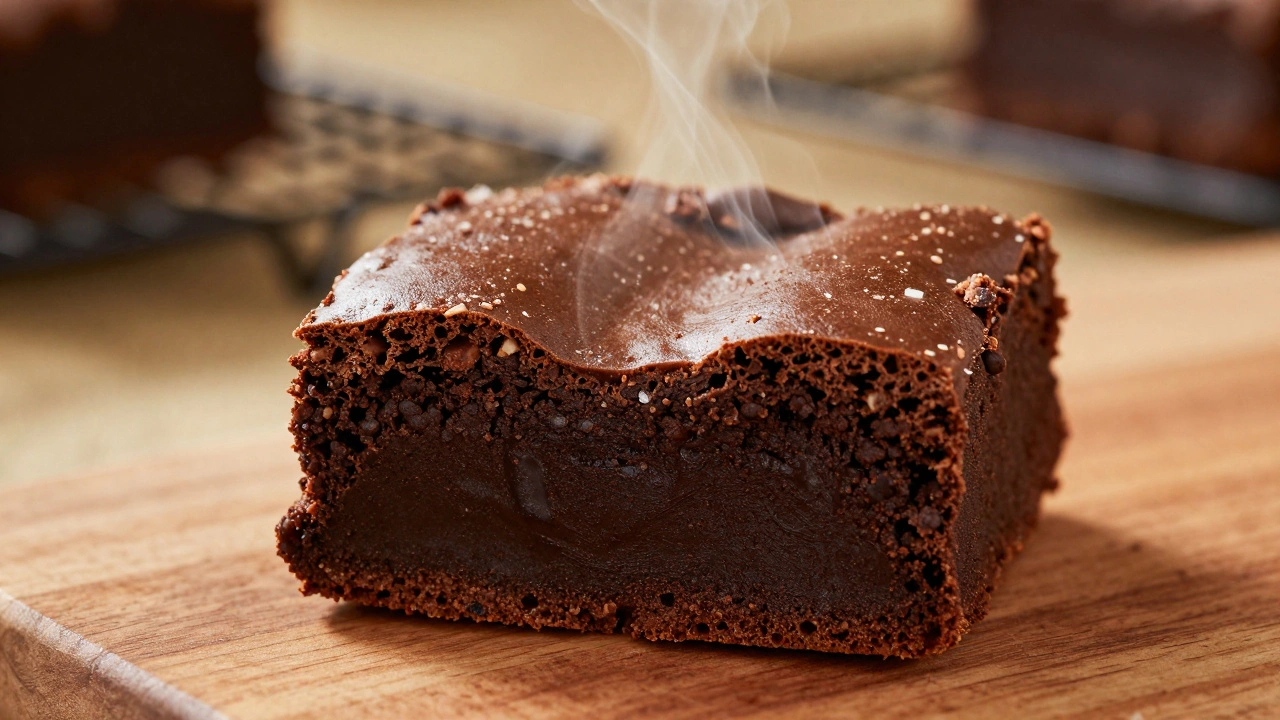
Brownie Storage Advisor
There is nothing worse than biting into a brownie you baked yesterday only to find it tough as a brick. Proper storage changes everything. It isn't just about tossing them in any box; where you keep brownies affects their texture, flavor, and even how long they stay safe to eat. The golden rule of brownie storage depends entirely on two factors: what kind of brownie you have and how quickly you plan to eat it.
If you live in a humid climate like mine here in Bristol, keeping them at room temperature might lead to mold faster than you think. Conversely, refrigerating them can sometimes ruin that perfect fudgy center by drying it out. We need to look at the science of your batter and the environment around it to get this right.
The Science Behind Brownie Freshness
Before deciding on a location, understand what happens to your dessert over time. Brownies contain sugar, fat, flour, and eggs. These ingredients react differently when exposed to air, heat, and cold. When you leave a brownie uncovered, moisture escapes. This leads to staling, a process where the structure of the starch molecules hardens up, known as starch retrogradation. You feel this as a gritty, crumbly texture instead of the soft chew you love.
Fat oxidation is another hidden issue. Chocolate contains cocoa butter, which can go rancid if left too long near direct sunlight or heat sources. This doesn't happen overnight, but it does change the taste after several days. That is why wrapping matters just as much as where you place the package.
Starch Retrogradation is the process where amylose and amylopectin chains in the bread or cake recrystallize upon cooling, causing staleness.
To fight this, we control two things: airflow and temperature. The goal is to keep moisture locked inside without letting condensation form on the surface, which encourages mold growth. Most home bakers get this wrong by using glass containers that trap too much heat or plastic bags that tear easily.
Storing at Room Temperature for Short-Term Eating
For most standard chocolate brownies, the counter is actually the best spot-but only for a few days. If you intend to finish the batch within three to four days, skip the fridge entirely. Cold temperatures solidify the fats in the chocolate and butter, making the brownies firm and less flavorful. Room temperature keeps the cocoa butter soft and the texture melt-in-your-mouth.
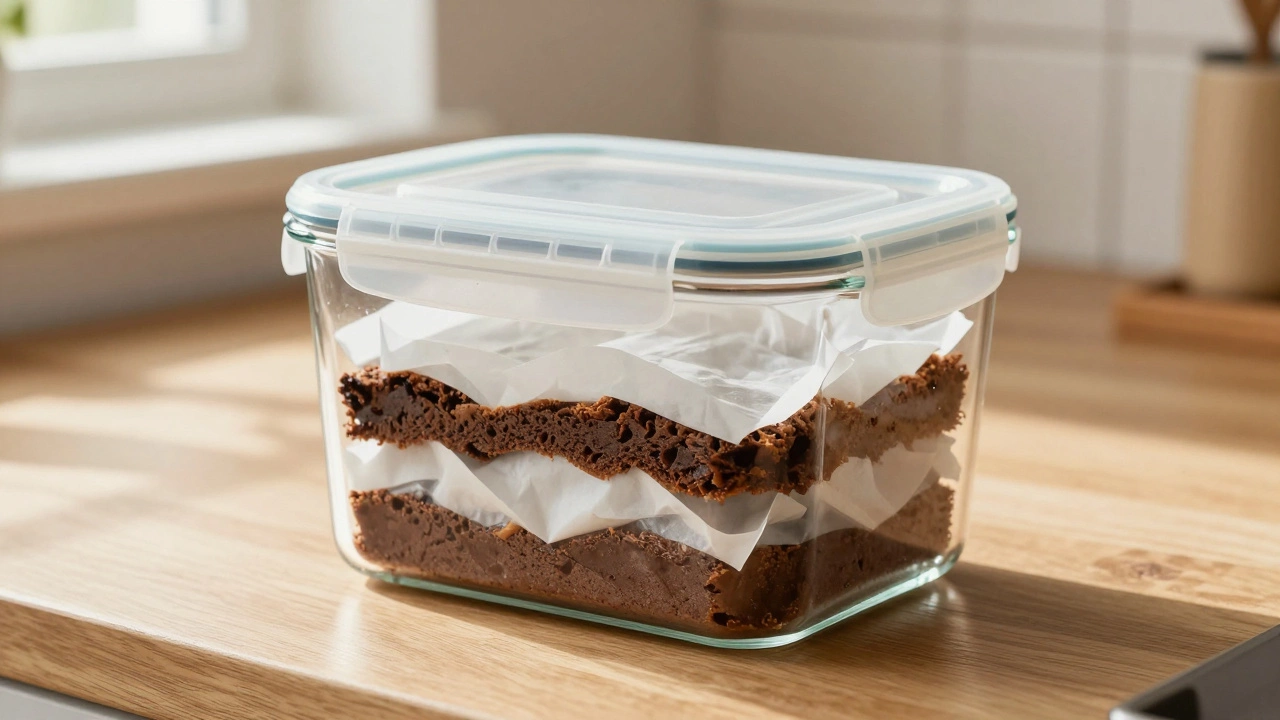
You must use an Air-tight Container A sealed vessel designed to prevent air and moisture exchange. . Place a sheet of parchment paper between layers to prevent sticking. Never stack hot brownies directly into the container. Let them cool completely first, or the trapped steam will soak the edges, turning them soggy.
- Cool the tray completely before transferring pieces.
- Use glass or heavy-duty plastic containers with locking lids.
- Store away from direct sunlight or heat radiators.
- Do not leave uncovered on a plate for more than 24 hours.
This method works best for dense, fudgy brownies. If your recipe is more cake-like with higher egg content, you can push the limit to five days. However, in summer months when kitchen temperatures rise above 24°C, switch immediately to the fridge to avoid bacterial growth.
When to Use the Refrigerator
Why would you ever put a brownie in the fridge if room temp is better? The answer lies in humidity and perishable toppings. Standard plain chocolate brownies survive fine on the counter, but once you add cream cheese frosting, custard fillings, or whipped cream, you enter hazardous territory. Dairy products spoil quickly at room temperature.
If you baked Cream Cheese Brownies Cheesecake Swirl Brownies Brownies containing dairy-based frosting or swirls requiring refrigeration. , the fridge is mandatory. They will last 5 to 7 days down here. Before serving, let them sit on the counter for 15 minutes. Taking them straight from the cold makes the flavors muted and the texture overly firm.
Beware of absorption issues. Fridges are often filled with other smells like onions or leftovers. Your sweet treat is porous enough to pick up these odors. Wrap each piece individually before placing them in a secondary container for extra protection against flavor contamination.
Freezing Brownies for Long-Term Storage
If you made a double batch and know you won't eat them all, freezing is your safety net. You can keep frozen brownies for up to three months without significant quality loss. The key here is preventing Freezer Burn Damage caused by air reaching the food surface, resulting in dry spots and discoloration. . This happens when moisture sublimates off the surface.
Follow this exact wrapping order for best results:
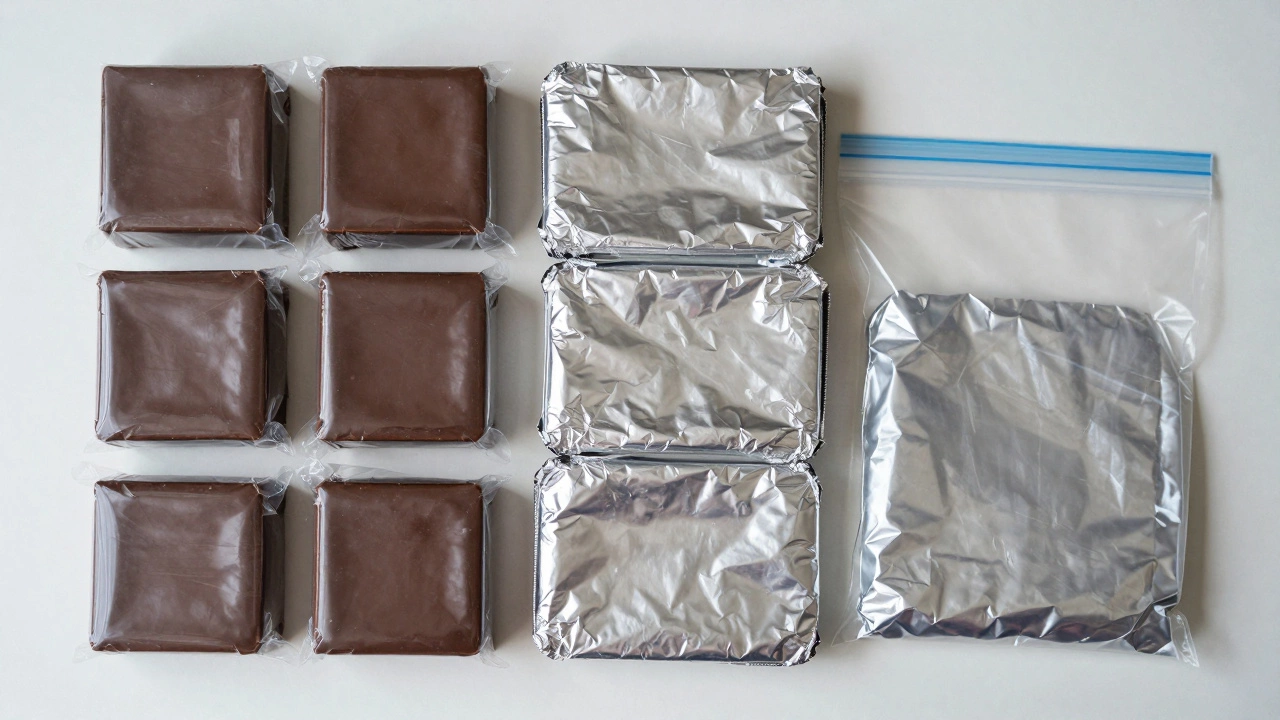
- Wrap individual slices in Plastic Wrap Thin polyethylene film used for sealing food items. , pressing tightly against all sides to eliminate air pockets.
- Wrap the bundle again in heavy-duty aluminum foil to block light and odors.
- Place the wrapped bundles inside a heavy zip-top freezer bag.
- Squeeze out excess air before sealing the bag.
To thaw, move the wrapped brownie to the refrigerator the night before you want to eat it. Slow thawing prevents condensation from forming directly on the surface. If you unwrap it while still frozen, the sudden temperature difference causes water droplets that degrade the chocolate coating.
| Storage Method | Average Duration | Best For |
|---|---|---|
| Counter (Room Temp) | 3-4 Days | Fudgy/Cakey Plain Brownies |
| Refrigerator | 5-7 Days | Dairy/Frosting Topped Brownies |
| Freezer | Up to 3 Months | Long Term / Gift Planning |
Handling Different Textures and Add-ins
All brownies behave differently based on their mix ratios. High-fat recipes with more oil or melted butter hold moisture longer than those relying heavily on eggs. If your brownie is very moist, like a blondie or a lava brownie, be extra careful with refrigeration as they can absorb fridge moisture and become mushy.
Nuts change the dynamic too. Walnuts or pecans contain oils that turn rancid faster than the rest of the batter. If you love a nutty crunch, consider adding chopped nuts right before serving rather than mixing them into the frozen dough if you plan to store them for weeks. Chocolate chips also tend to bloom (white streaks) when moved between cold and warm environments rapidly. Keep the temperature consistent for decorated bakes.
Fruit additions like raspberries or bananas introduce high water content. These should never be stored at room temperature for more than one day because the fruit releases juices that soften the surrounding cake structure and promote mold growth.
Reviving Soggy or Dry Brownies
Did you accidentally forget to seal your container? Sometimes you wake up to dry edges. There are fixes for this. Placing a slice of white bread next to the brownies inside the container works wonders. The bread acts as a moisture source, drawing humidity back into the crumb overnight. Replace the bread if it gets hard.
For reheating, the microwave is risky as it turns the edges rubbery. Instead, use a toaster oven set to low heat. Cover the brownie loosely with aluminum foil to keep steam contained and warm it for about 5 to 7 minutes. This restores the gooey center without burning the top. Just ensure they aren't rock hard before heating, or they will crack.
Signs Your Brownies Have Spoiled
Safety always comes before convenience. While sugar acts as a preservative, it doesn't stop mold forever. Look closely at the bottom crust and cut edges. Blue or green fuzzy patches mean it's time to throw them away. Also, trust your nose. A sour smell indicates bacterial fermentation. Even if there is no visible mold, a funky odor means the fats have oxidized or bacteria have grown inside the batter.
Don't risk it. Eating old pastries usually results in stomach upset that ruins the entire day. When in doubt, check the dates. If you cannot remember exactly when you made them, assume they are expired if they are past the week mark at room temperature.
Quick Tips for Gifting
Are you taking treats to a neighbor or office? Pre-wrap them individually in plastic wrap, then slip them into a rigid tin. Flexible boxes can crush during transport, ruining the presentation and the texture. If traveling far, ship them in insulated bags with cold packs, similar to the freezing method, to guarantee they arrive in perfect condition.
Frequently Asked Questions
Can I leave brownies out overnight?
Yes, you can leave brownies out overnight at room temperature. Ensure they are stored in an airtight container to maintain moisture. They will remain fresh for up to 4 days depending on the humidity of your home.
How do I freeze brownies without them getting soggy?
To avoid sogginess, wrap each brownie tightly in plastic wrap before placing them in a bag. Thaw them slowly in the refrigerator before unwrapping. This prevents condensation from forming on the surface when you take them out of the freezer.
Do I need to cover brownies if stored on the counter?
You absolutely must cover them. Leaving them uncovered allows air to dry out the surface and invites pests. An airtight container is ideal, but a tight-fitting lid on a bowl covered with cling film works in a pinch.
Why did my brownies get weird colors in the fridge?
Color changes like a greyish tint on chocolate chips are often caused by 'chocolate bloom.' This happens due to rapid temperature shifts. Move them slowly from the fridge to the room to minimize this effect.
Can I store frosted brownies in the freezer?
Yes, but frost well-settled icing first before covering. Frosting can melt slightly when thawed, so ensure the brownie base is fully cooled before applying the topping if possible, though it generally freezes okay.
Understanding your ingredients and environment ensures every bite is perfect. Whether you are snacking solo or gifting a dozen, these steps protect your hard work.