Lady Baltimore Cake Recipe Calculator
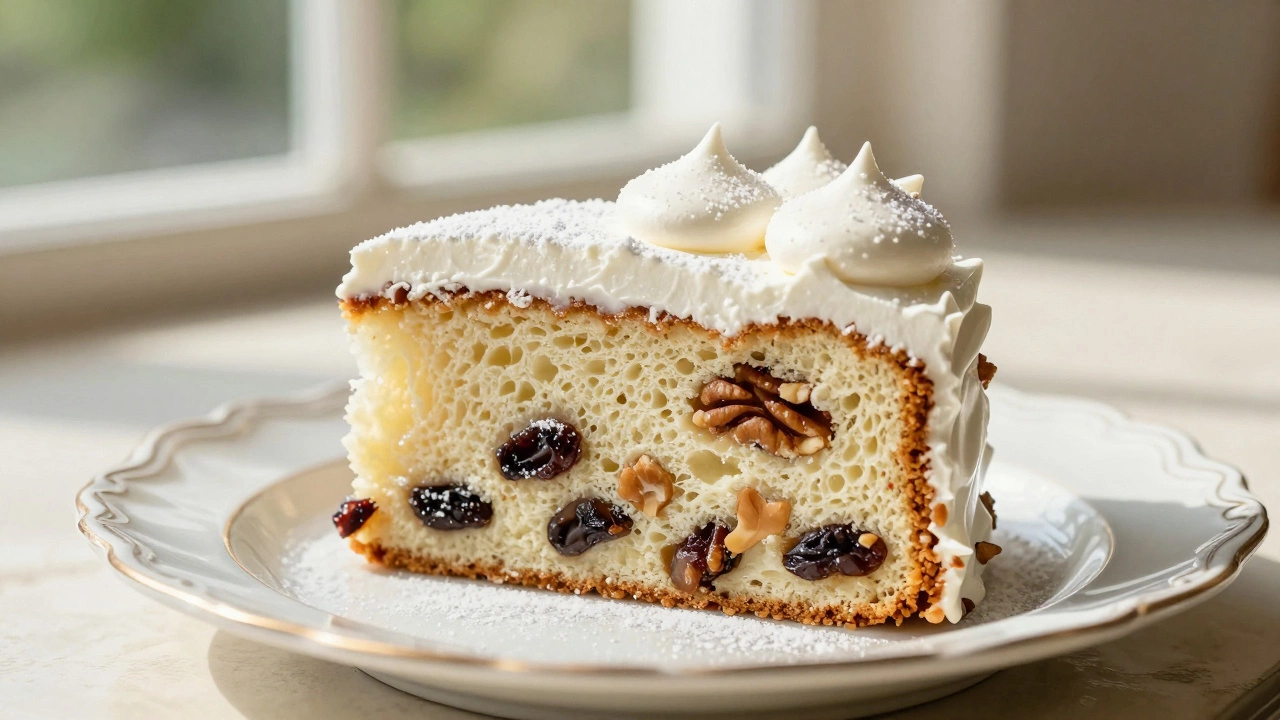
Have you ever stared at a slice of Lady Baltimore cake and wondered why it looks like a cloud that decided to take up residence in a fruit basket? It’s not your typical sponge. There are no heavy chocolate ganaches or buttercream mountains here. Instead, you get delicate, airy white cake layers studded with dark raisins and golden pecans, held together by a light, fluffy frosting that melts on your tongue. But the real mystery isn’t just the texture-it’s the name. Who was Lady Baltimore? Was she a noblewoman from England who brought this recipe across the Atlantic? Or is there a darker, more romantic story hidden behind those sweet layers?
The truth is far more interesting than a simple royal decree. This cake is a piece of living history, tied to a specific place, a famous hotel, and a legend that has been debated by food historians for over a century. If you’ve ever wanted to bake a cake that feels both nostalgic and elegant, understanding its origin adds a layer of flavor that no ingredient can replicate. And while we’re talking about stories and origins, it’s fascinating how certain places become synonymous with luxury and discretion; for instance, if you ever find yourself exploring high-end hospitality directories like this resource, you’ll notice how location branding plays a huge role in perceived value-a concept that applies just as much to historic American hotels as it does to modern travel.
The Legend of the Wedding That Never Happened
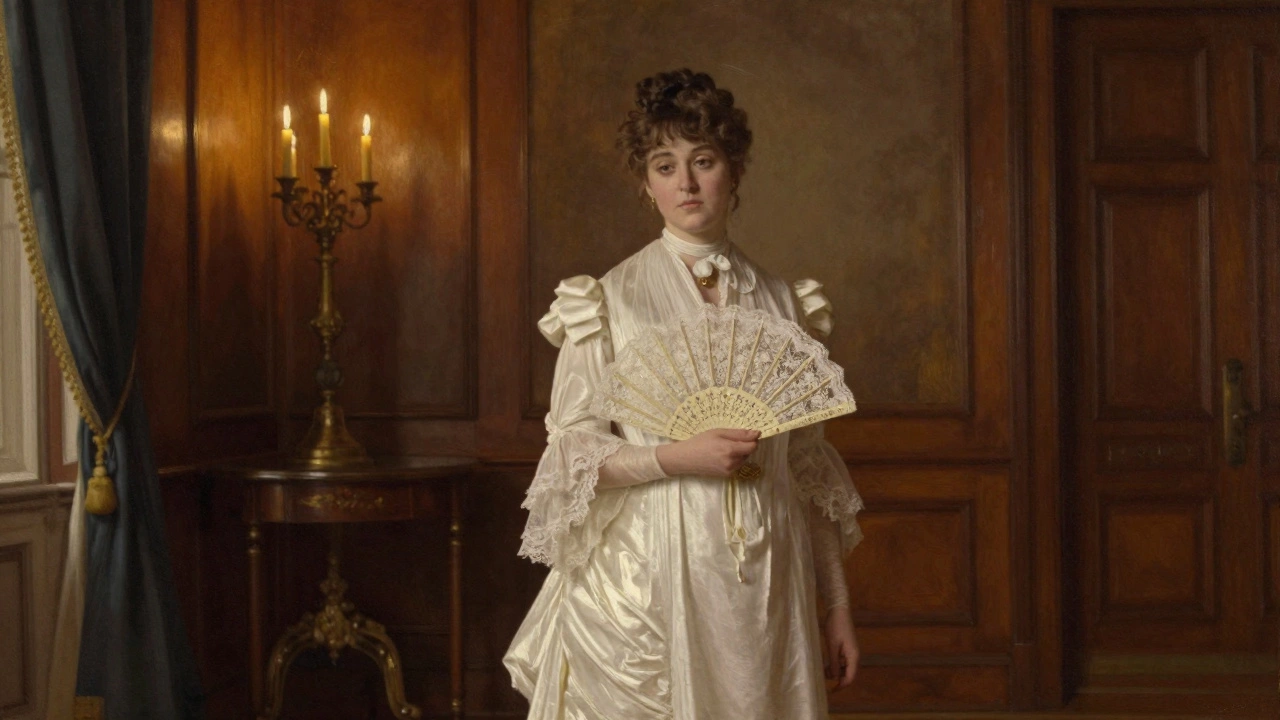
To understand the name, you have to look at the late 19th century in Maryland. The most popular story involves a woman named Elizabeth Calvert, known socially as Lady Baltimore. She was part of one of the oldest and most prominent families in Maryland, the Calverts, who were granted the title of Lord Baltimore by King Charles I. Elizabeth married George William Hill in 1863. They had a daughter, also named Elizabeth, who grew up to be the center of this culinary legend.
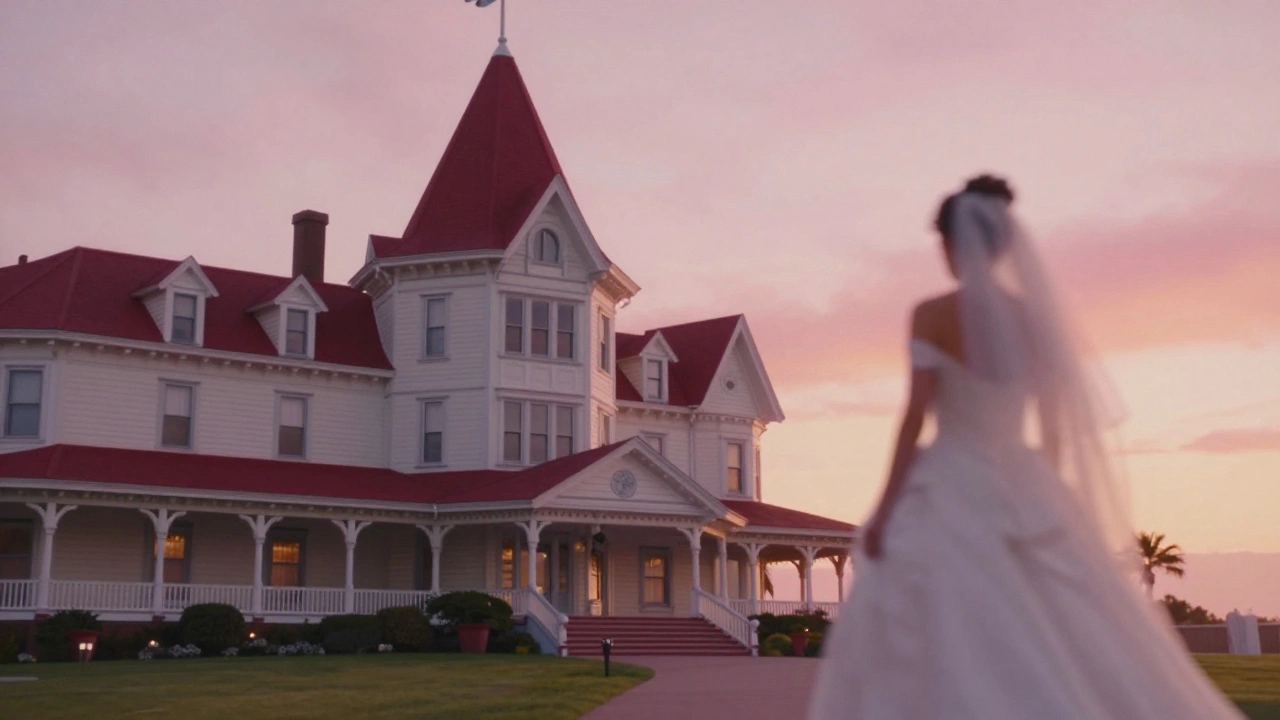
The story goes that young Elizabeth planned her wedding for June 10, 1897. She chose the venue: the newly opened Hotel del Coronado in California. Everything was set. The invitations were sent. The dress was ready. Then, tragedy struck. Her fiancé, John Selden, died suddenly before the wedding could take place. Heartbroken, Elizabeth returned to Maryland, but she didn’t go home empty-handed. She brought back a recipe for a cake that was served at the rehearsal dinner-or perhaps at the hotel itself during the planning phase.
This wasn’t just any cake. It was a "Queen Cake," a style popular in the South at the time, characterized by its use of fruit and nuts and its light, whipped texture. Because Elizabeth was known as Lady Baltimore, the cake became associated with her name. It’s a classic case of aristocratic naming, where a person’s social status elevates a dish from a simple dessert to a named legacy. While some historians debate whether the cake was actually served at the cancelled wedding or simply created in her honor later, the association stuck firmly in the public consciousness.
The Role of the Hotel del Coronado
You can’t talk about Lady Baltimore cake without mentioning the Hotel del Coronado. This Victorian-era resort on the coast of San Diego is iconic in its own right. When it opened in 1888, it was the largest wooden structure in the world. It attracted the elite of the East Coast, including the Calvert family. The hotel’s kitchen staff were masters of creating dishes that appealed to these wealthy guests-light, refined, and visually striking.
The cake fits perfectly into the aesthetic of the era. In the late 1800s, cakes were often dense and heavy, made with shortening or lard. The Queen Cake style, however, used egg whites beaten to stiff peaks and folded gently into the batter. This technique created a crumb so fine it was almost like eating a meringue. The addition of raisins and pecans provided bursts of chewiness and crunch, contrasting beautifully with the soft cake. The Hotel del Coronado claimed the recipe as their own for decades, serving it to guests long after the wedding cancellation faded into memory. Today, the hotel still serves a version of the cake, keeping the tradition alive.
What Makes the Recipe Unique?
If you’ve never baked a Lady Baltimore cake, you might assume it’s just a standard yellow cake with dried fruit thrown in. It’s not. The technique is what sets it apart. Here’s what makes this recipe special:
- Egg White Foam: The base of the cake relies heavily on beaten egg whites. Unlike genoise, which uses whole eggs, Lady Baltimore separates the eggs. The whites are whipped until they form stiff peaks, then folded into the dry ingredients and yolks with extreme care. This incorporates air, giving the cake its signature lift.
- No Chemical Leavening: Many traditional recipes for this cake do not use baking powder or baking soda. The rise comes entirely from the mechanical action of beating the eggs. This requires precision. If you deflate the batter while folding, the cake will sink. If you don’t beat the whites enough, it will be dense.
- Fruit and Nut Ratio: The balance of raisins and pecans is crucial. Too many raisins, and the cake becomes too sweet and heavy. Too few, and you lose the characteristic speckled look. Pecans are preferred over walnuts because they are slightly sweeter and have a softer crunch, which complements the delicate crumb better.
- Angel Food Frosting: The frosting is not buttercream. It’s a variation of Swiss meringue buttercream or sometimes just a stabilized whipped cream with powdered sugar and vanilla. It’s light, white, and fluffy, mimicking the texture of the cake itself. Heavy chocolate or fondant would overpower the subtle flavors.
How to Bake the Perfect Lady Baltimore Cake
Baking this cake is an exercise in patience and gentleness. You can’t rush the folding process. Here’s a step-by-step guide to getting it right:
- Prep Your Ingredients: Separate four large eggs. Let them come to room temperature. Cold eggs won’t whip as well. Chop 1 cup of pecans into small pieces. Rinse 1 cup of raisins and pat them dry. If your raisins are very dry, soak them in warm water or brandy for 15 minutes, then drain them thoroughly. Wet raisins can make the cake soggy.
- Mix the Dry Ingredients: Sift together 2 cups of all-purpose flour, 1 teaspoon of salt, and 1 teaspoon of baking powder (if your recipe calls for it, though purists skip this). Set aside.
- Whip the Egg Whites: Using a clean, grease-free bowl, beat the egg whites until stiff peaks form. This means when you lift the beaters, the whites stand straight up without drooping. Add 1 cup of granulated sugar gradually while beating. The mixture should be glossy and smooth.
- Combine Yolks and Flour: In a separate bowl, whisk the egg yolks with 1 teaspoon of vanilla extract. Gently fold the sifted flour into the yolk mixture until just combined. Do not overmix.
- Fold in the Whites: This is the critical step. Take about one-third of the egg white mixture and fold it into the yolk/flour batter to lighten it. Then, gently fold in the remaining egg whites. Use a spatula and cut down through the middle, bringing the batter up from the bottom. Rotate the bowl. Stop as soon as no white streaks remain. You want to keep as much air in the batter as possible.
- Add Fruit and Nuts: Fold in the chopped pecans and drained raisins. Be gentle. You don’t want to crush the nuts or tear the batter.
- Bake: Pour the batter into three greased and floured 8-inch round cake pans. Bake at 350°F (175°C) for 25-30 minutes. The cakes are done when a toothpick inserted in the center comes out clean and the tops spring back when touched.
- Cool and Frost: Let the cakes cool in the pans for 10 minutes, then turn them out onto wire racks to cool completely. Assemble the layers with your choice of light frosting. Dust the top with powdered sugar before serving for a classic finish.
Serving Traditions and Modern Twists
Traditionally, Lady Baltimore cake is served at weddings, bridal showers, and tea parties. Its light color and elegant appearance make it a favorite for daytime events. In the South, it’s often seen as a comfort food, reminiscent of grandmother’s kitchen. However, modern bakers are experimenting with the recipe. Some add a hint of lemon zest to brighten the flavor. Others substitute half the raisins with dried cranberries for a tart contrast. A splash of bourbon in the frosting adds warmth and depth, appealing to adult palates.
Despite these variations, the core identity of the cake remains unchanged. It’s a celebration of simplicity and technique. In a world of overly complicated desserts, Lady Baltimore cake reminds us that sometimes, less is more. The focus is on the quality of the ingredients and the skill of the baker, not on flashy decorations or exotic flavors.
Common Mistakes to Avoid
If your first attempt at Lady Baltimore cake fails, don’t despair. It’s a tricky recipe. Here are the most common pitfalls:
- Deflating the Batter: Folding too vigorously or too many times will knock the air out of the egg whites. The result is a flat, dense cake. Trust your eyes. Stop mixing when the batter looks uniform.
- Using Old Raisins: Raisins that are hard and shriveled won’t plump up properly in the cake. Soak them beforehand. Also, make sure to chop them evenly so each bite has a consistent texture.
- Overbaking: Because the cake is light and airy, it can dry out quickly. Check it early. The edges should pull away from the pan slightly, but the center should still feel soft.
- Heavy Frosting: Don’t use a thick buttercream. The contrast between the light cake and heavy frosting is jarring. Stick to meringue-based frostings or whipped cream.
Who was Lady Baltimore in real life?
Lady Baltimore was Elizabeth Calvert Hill, a member of the prominent Calvert family of Maryland. She was the daughter of George William Hill and Elizabeth Calvert. The nickname "Lady Baltimore" came from her family's connection to the Lords Baltimore, the proprietors of the Maryland colony. She is best known for the legend surrounding her cancelled wedding in 1897, which gave its name to the cake.
Is Lady Baltimore cake gluten-free?
Traditional Lady Baltimore cake is not gluten-free because it uses all-purpose wheat flour. However, you can make a gluten-free version by substituting the flour with a high-quality gluten-free all-purpose blend that contains xanthan gum. Keep in mind that the texture may be slightly denser, so ensure your egg whites are whipped to very stiff peaks to compensate for the lack of gluten structure.
Can I freeze Lady Baltimore cake?
Yes, you can freeze the unfrosted cake layers. Wrap them tightly in plastic wrap and then in aluminum foil. They will keep for up to three months. Thaw them overnight in the refrigerator before frosting. Freezing the frosted cake is not recommended because the light meringue frosting can become watery or grainy when thawed.
Why does my Lady Baltimore cake sink in the middle?
A sinking center usually indicates that the batter was deflated during mixing or that the cake was underbaked. Make sure your egg whites are whipped to stiff peaks and folded in gently. Also, check the oven temperature and bake until a toothpick comes out clean. Opening the oven door too early can also cause the cake to collapse due to sudden temperature changes.
What is the difference between Lady Baltimore cake and Queen cake?
Lady Baltimore cake is a specific type of Queen cake. Queen cakes are a broader category of light, fruit-studded cakes popular in the American South during the 19th century. Lady Baltimore cake is distinguished by its association with the Calvert family and the Hotel del Coronado, as well as its specific ratio of raisins and pecans. Essentially, all Lady Baltimore cakes are Queen cakes, but not all Queen cakes are Lady Baltimore cakes.