Quinoa Safety & Risk Analyzer
Select the attributes of the quinoa product you are considering:
Safety Assessment
This configuration meets strict standards (<20ppm) suitable for those with Celiac disease.
Recommendation:
- ✓ Ideal for sensitive recipes.
- ✓ No further testing required.
Imagine you are standing in your kitchen, ready to bake a batch of moist, fluffy cakes. You reach for the bag of quinoa, thinking it is the perfect healthy swap for wheat flour. But then doubt creeps in. Is it actually safe? If you are avoiding gluten because of celiac disease or sensitivity, that single question-does quinoa have gluten?-can make or break your entire recipe.
The short answer is yes, pure quinoa is naturally gluten-free. It belongs to the amaranth family, not the grass family where wheat, barley, and rye grow. This means the grain itself does not contain the proteins that trigger reactions in sensitive individuals. However, the story gets complicated when you look at how quinoa is grown, processed, and packaged. For many bakers, especially those making delicate items like gluten-free cakes, understanding the difference between 'naturally gluten-free' and 'certified gluten-free' is the difference between a delicious treat and a medical emergency.
Understanding Quinoa and Its Natural Composition
To understand why quinoa is generally safe, we need to look at what it actually is. Quinoa is a pseudo-cereal native to the Andes region of South America. Unlike true cereals like wheat or oats, quinoa seeds are packed with complete protein and fiber but lack gluten entirely. In its natural state, growing in the fields of Peru or Bolivia, quinoa poses no threat to someone with celiac disease.
However, nature is messy. Farmers often rotate crops to keep soil healthy. A field that grew wheat last year might grow quinoa this year. Wind blows chaff from neighboring fields. Harvesting machinery moves from one crop to another without always being thoroughly cleaned. This is where the concept of cross-contamination comes into play. Even if the quinoa seed itself is clean, it might carry microscopic traces of gluten from its environment.
The Hidden Danger: Cross-Contamination Risks
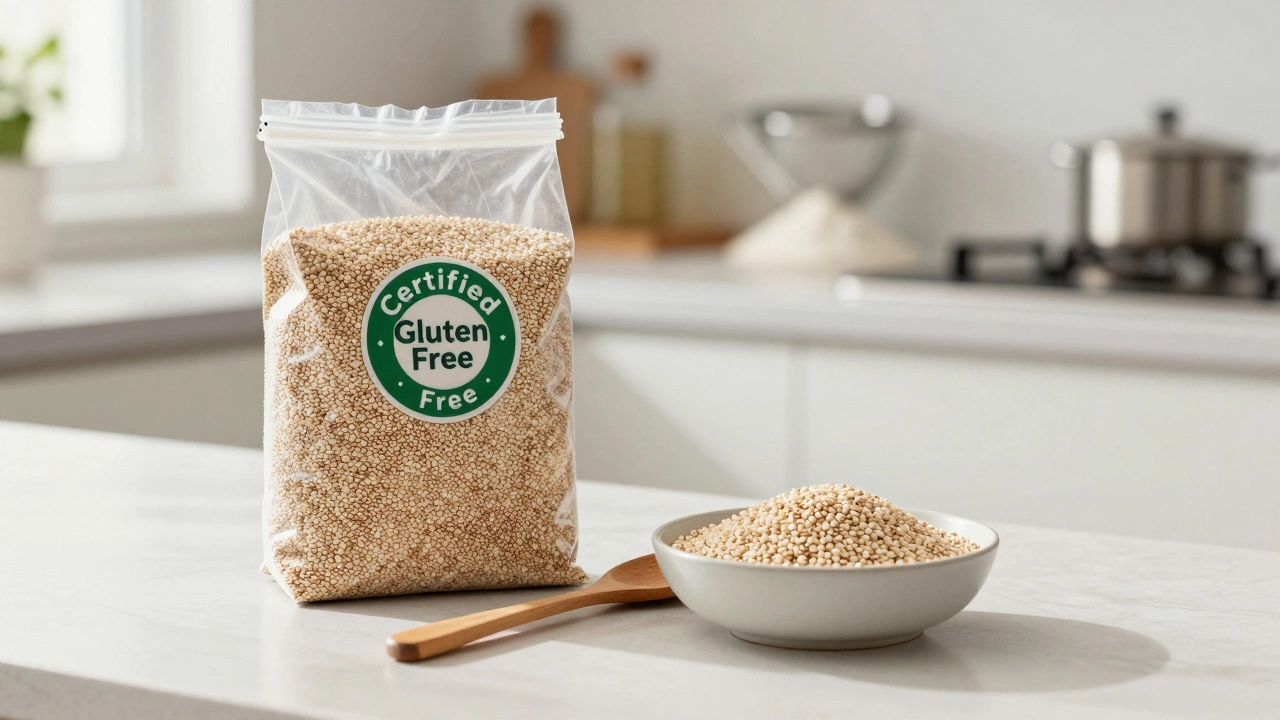
This is the part most people miss. Just because a label says 'gluten-free ingredients' doesn't mean the final product is safe for everyone. For individuals with celiac disease, even tiny amounts of gluten-sometimes as little as 20 parts per million (ppm)-can cause intestinal damage. Most standard quinoa brands are not tested to this strict level unless they carry a specific certification.
Consider the processing facilities. Many large mills process both wheat and quinoa on the same lines. If the equipment isn't dedicated solely to gluten-free grains, residual flour can remain on conveyor belts, sifters, and packaging machines. When you buy a generic bag of quinoa from a bulk bin or a non-certified brand, you are taking a gamble. For casual gluten avoidance, this might be fine. For medical necessity, it is a significant risk.
| Type of Quinoa | Gluten Content Risk | Suitable for Celiac? | Best Use Case |
|---|---|---|---|
| Generic Store Brand | High (Cross-contamination likely) | No | Casual diets, weight loss |
| Certified Gluten-Free | Low (<20 ppm) | Yes | Celiac disease, severe sensitivity |
| Bulk Bin Quinoa | Very High (Shared scoops) | No | Avoid entirely if sensitive |
Why Quinoa Matters for Gluten-Free Cakes
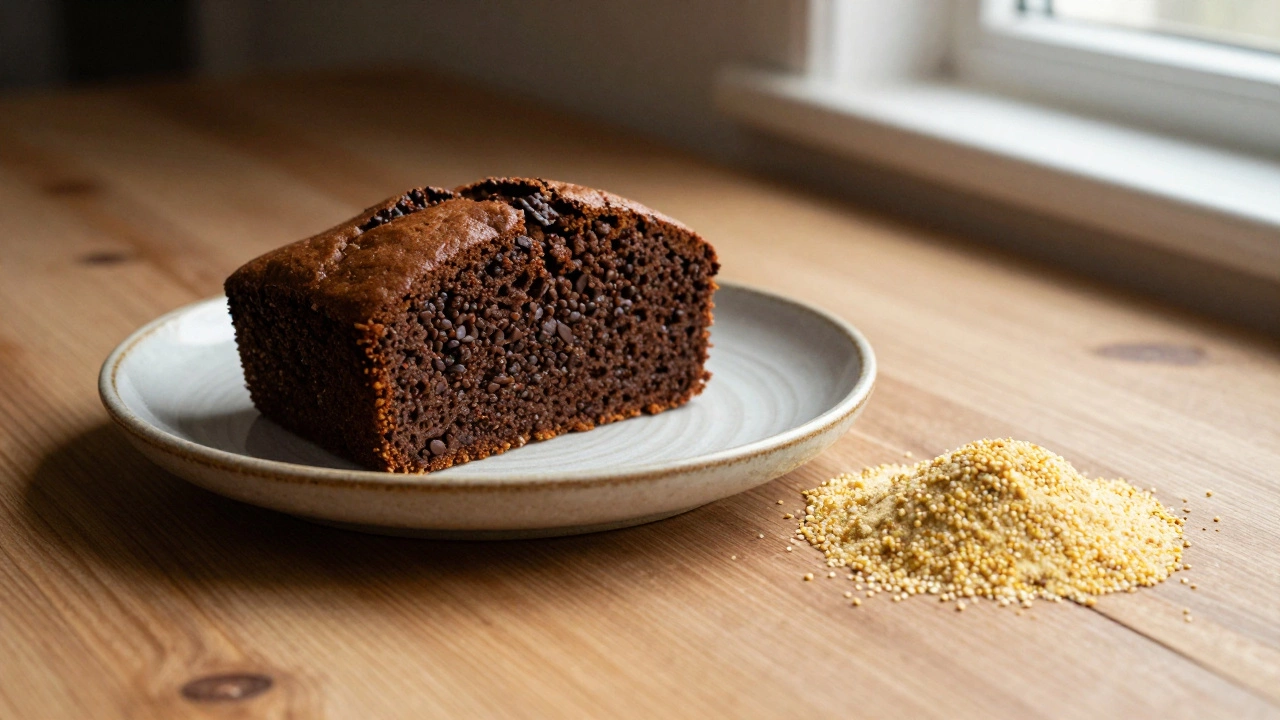
You might wonder why we are talking about quinoa in the context of cakes. The answer lies in texture and nutrition. Traditional gluten-free baking relies heavily on rice flour or almond flour. While tasty, these options can sometimes result in dry or crumbly cakes. Quinoa flour, made by grinding cooked and dried quinoa, adds moisture and a subtle nutty flavor that pairs beautifully with chocolate, vanilla, and citrus flavors common in cake recipes.
Moreover, quinoa provides a nutritional boost that white flour lacks. It is rich in magnesium, iron, and protein. When you substitute a portion of your gluten-free flour blend with quinoa flour, you create a denser, more satisfying crumb. This is particularly useful for gluten-free cakes baked goods designed to mimic traditional cakes without wheat. The binding properties of quinoa help hold the structure together, reducing the need for excessive gums or binders like xanthan gum, which some people find unpleasant in taste.
How to Choose Safe Quinoa for Baking
If you want to use quinoa in your baking, especially for cakes intended for those with celiac disease, you must be selective. Here is a practical checklist to ensure safety:
- Look for Certification: Check the package for a 'Certified Gluten-Free' logo from organizations like GFCO (Gluten-Free Certification Organization) or CSA (Celiac Support Association). These seals guarantee testing below the 20 ppm threshold.
- Avoid Bulk Bins: Never scoop quinoa from a bulk bin if you need it to be strictly gluten-free. The shared scoops are a major source of cross-contact.
- Read the Fine Print: Look for statements like 'Processed in a dedicated gluten-free facility.' If it says 'May contain wheat,' put it back.
- Buy Whole Grains, Not Pre-Milled: Sometimes buying whole quinoa and milling it yourself in a dedicated coffee grinder ensures purity, provided you start with certified grains.
Baking Tips: Using Quinoa in Cakes
Using quinoa in cakes requires a slight shift in technique. You cannot simply replace all-purpose flour with quinoa flour one-to-one. Quinoa absorbs more liquid than wheat flour. If you follow a standard recipe without adjustment, your cake will turn out dense and dry.
Here is a simple rule of thumb: Replace no more than 25% of your total flour weight with quinoa flour. For example, if your recipe calls for 4 cups of gluten-free flour blend, use 3 cups of the blend and 1 cup of quinoa flour. This maintains the lightness of the cake while adding the benefits of quinoa.
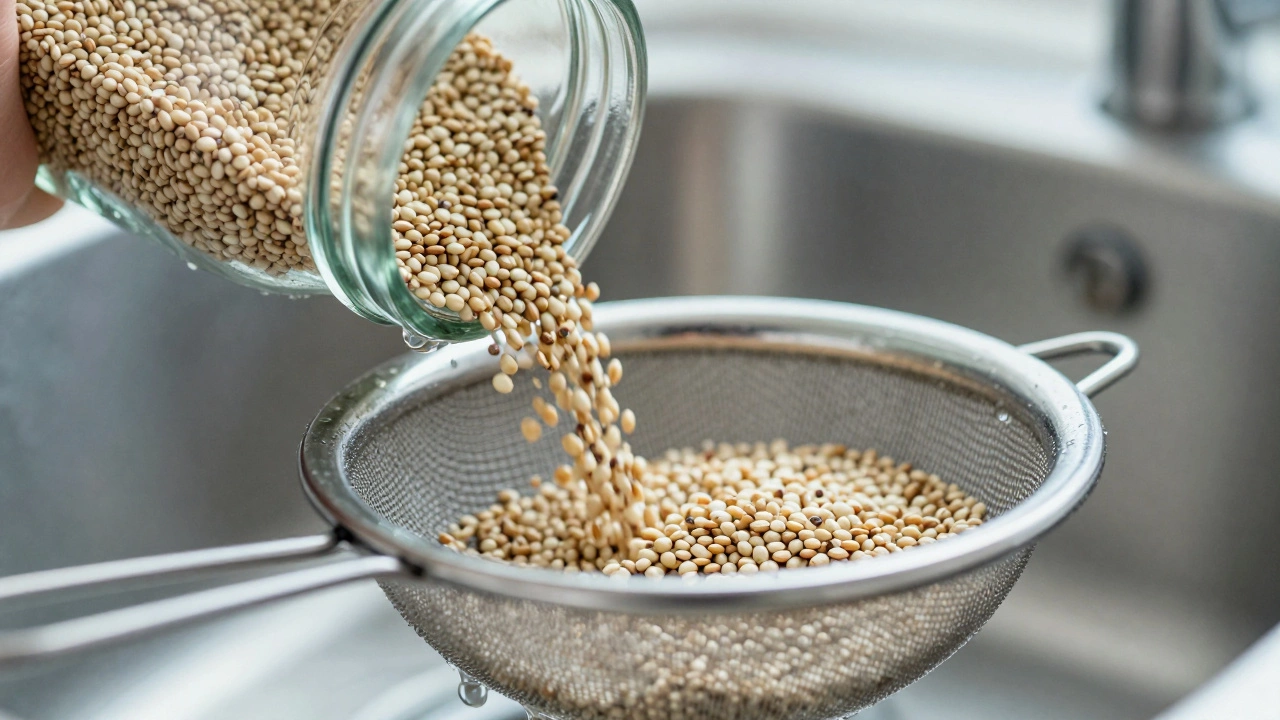
Also, consider soaking your quinoa before using it, even if you are using pre-rinsed grains. Soaking removes saponins, a natural coating that can taste bitter. Rinse the grains thoroughly under cold water until the water runs clear. This step ensures your cake has a pleasant, neutral flavor rather than an earthy aftertaste.
Alternatives to Quinoa for Gluten-Free Baking
If you cannot find certified quinoa or prefer a different texture, there are other excellent pseudo-cereals and flours to explore. Buckwheat, despite its name, is also gluten-free and offers a robust flavor. Amaranth is another ancient grain that works well in combination with other flours. Each has unique properties that can enhance your baking experience.
For those who want the convenience of a ready-made solution, many commercial gluten-free flour blends now include quinoa flour as a base ingredient. These blends are formulated to behave like all-purpose flour, making them easier for beginners. Always check the label to ensure the blend is certified gluten-free if you have medical needs.
Frequently Asked Questions
Is quinoa 100% gluten-free?
Pure quinoa is naturally gluten-free. However, due to cross-contamination during farming and processing, not all quinoa products are safe for people with celiac disease. Only quinoa labeled 'Certified Gluten-Free' guarantees it contains less than 20 ppm of gluten.
Can I use regular quinoa for gluten-free cakes?
If you do not have celiac disease or a severe gluten sensitivity, regular quinoa is usually fine. However, for strict gluten-free baking, especially for others with celiac disease, you should only use certified gluten-free quinoa to avoid accidental exposure.
Does quinoa flour need to be mixed with other flours?
Yes, quinoa flour is dense and absorbs a lot of moisture. It works best when mixed with lighter flours like rice flour or almond flour. A good ratio is 25% quinoa flour to 75% other gluten-free flours to maintain a light cake texture.
Why does quinoa sometimes taste bitter in baked goods?
Quinoa has a natural coating called saponin, which tastes bitter. Even if the package says 'pre-rinsed,' it is wise to rinse the quinoa thoroughly under cold water before cooking or milling it into flour to remove any remaining saponins.
What is the best way to store quinoa flour?
Because quinoa flour contains healthy fats, it can go rancid faster than wheat flour. Store it in an airtight container in the refrigerator or freezer to extend its shelf life and keep it fresh for up to six months.