Birthday Cake Selector Tool
Answer three simple questions to find the ideal cake base for your celebration.
Ready to Recommend
Select your preferences and click the button to see our expert recommendation.
Picture this: the candles are lit, the room goes dark, and everyone starts singing. Then comes the moment of truth-the first slice is cut, lifted, and placed on a plate. Does it hold its shape? Is it dry as dust or moist enough to melt in your mouth? The answer usually depends on one thing: the type of cake you chose. There is no single "best" cake for every birthday. A toddler’s party needs something sturdy and sweet, while a milestone celebration for an adult might call for complex flavors and sophisticated textures.
Picking the right base isn't just about taste; it's about engineering. You need a structure that supports frosting, survives transport, and actually tastes good after sitting out for an hour. Let's break down the most popular cake types so you can make a decision that won't leave your guests disappointed.
The Classic Choice: Sponge Cake
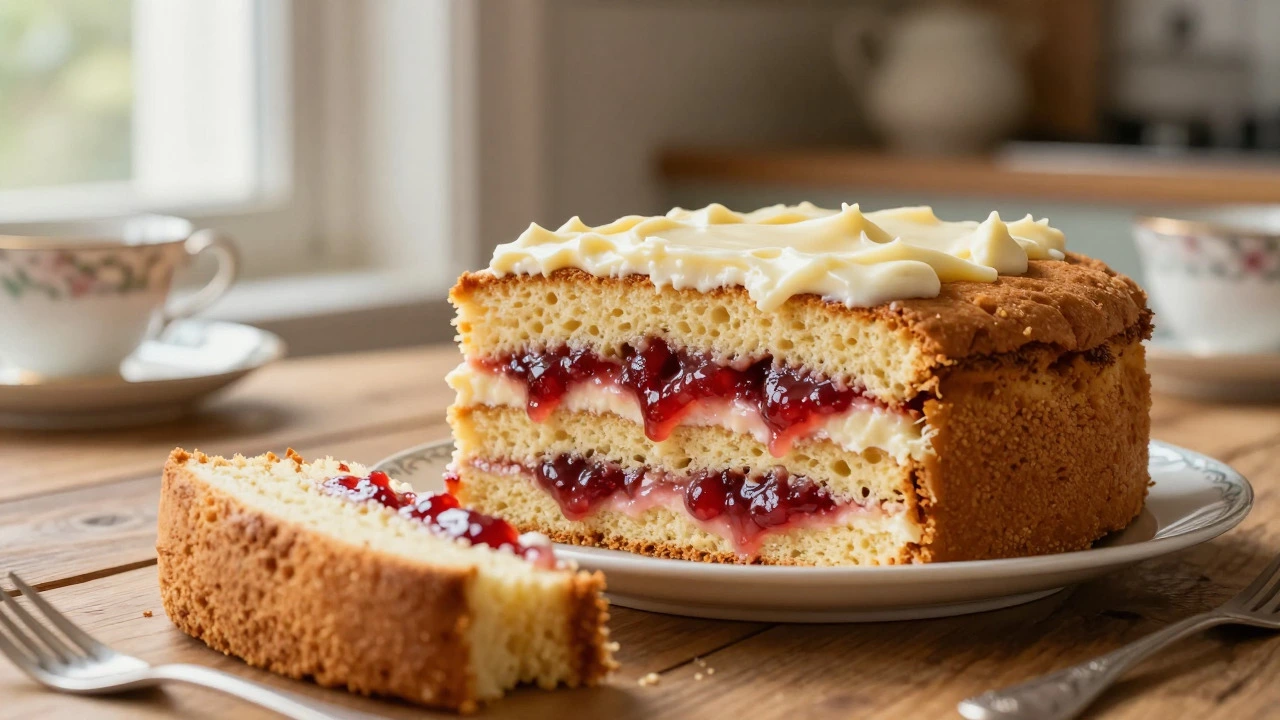
Sponge Cake is a light, airy cake made primarily with eggs, sugar, and flour, relying on whipped eggs for leavening rather than chemical agents like baking powder. It is the backbone of traditional British baking and remains the go-to choice for many because of its versatility. Think Victoria Sponges or classic layer cakes.
Why do bakers love it? Because it absorbs syrups and juices beautifully. If you want a fruit-filled birthday cake, sponge is your best friend. Its porous structure acts like a sponge (pun intended), soaking up lemon curd, raspberry jam, or simple syrup without becoming soggy too quickly. However, it has a downside: it can be fragile. If you’re not careful during assembly, a delicate sponge can crumble under the weight of heavy buttercream. For children’s parties where kids might grab chunks directly from the table, a dense sponge might fall apart faster than you’d like.
- Best for: Traditional celebrations, fruit-based fillings, elegant layered cakes.
- Avoid if: You need extreme structural stability or plan to serve it in hot weather.
The Crowd-Pleaser: Butter Cake
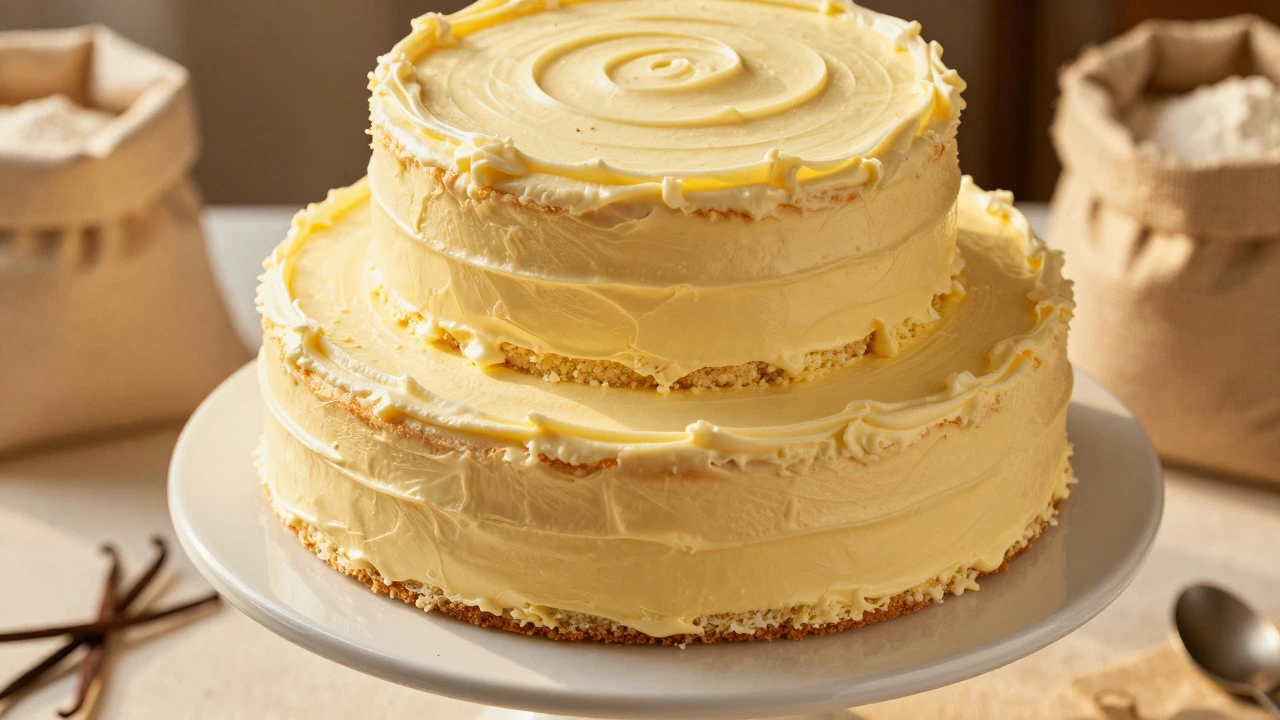
If sponge cake is the lightweight athlete, Butter Cake is a rich, dense cake made with a high ratio of fat (butter) to flour, creating a tender crumb and intense flavor. This is what most people think of when they hear "yellow cake" or "white cake" from a grocery store bakery. The creaming method-beating butter and sugar together until fluffy-incorporates air bubbles that expand during baking, giving it a fine, even texture.
Butter cake wins on flavor depth. The high fat content carries vanilla, almond, or citrus notes better than almost any other batter. It’s also significantly more stable than sponge. You can stack three layers of butter cake, frost them generously, and drive it across town without worrying about collapse. In fact, many professional bakers prefer butter cake for large orders because it slices cleanly and holds up well under fondant or heavy ganache. The trade-off? It’s heavier. One slice feels indulgent; two slices might feel like a meal. For adults who appreciate a rich, decadent treat, this is often the superior choice.
| Feature | Sponge Cake | Butter Cake |
|---|---|---|
| Texture | Light, airy, porous | Dense, moist, tender |
| Flavor Profile | Mild, neutral, absorbs fillings | Rich, buttery, distinct |
| Structural Integrity | Fragile, prone to crumbling | Sturdy, holds weight well |
| Best Frosting Pairing | Whipped cream, light buttercream | Heavy buttercream, ganache, fondant |
The Moisture King: Oil-Based Cakes
Don’t knock oil until you try it. Oil-Based Cake is a cake batter using liquid vegetable oil instead of solid fats, resulting in a moister crumb that stays fresh longer. Common examples include carrot cake, banana bread-style cakes, and many chocolate cakes. Why does oil work better for moisture? Butter is solid at room temperature and melts into liquid, but oil is already liquid. This means the fat coats the flour proteins differently, preventing gluten formation and keeping the crumb soft for days.
If you’re planning a birthday party where the cake will sit out for several hours, especially in a warm room, an oil-based cake is your safety net. It doesn’t dry out as fast as butter cake. Carrot cake, for instance, is practically indestructible. The addition of grated vegetables and nuts adds bulk and moisture retention. Chocolate cake made with oil also has a deeper, fudgier quality that chocolate lovers crave. Just be aware that oil cakes can sometimes feel "greasy" if over-frosted, so balance is key.
Selecting by Age Group
The age of the birthday person changes the rules entirely. What works for a 5-year-old fails miserably for a 50-year-old.
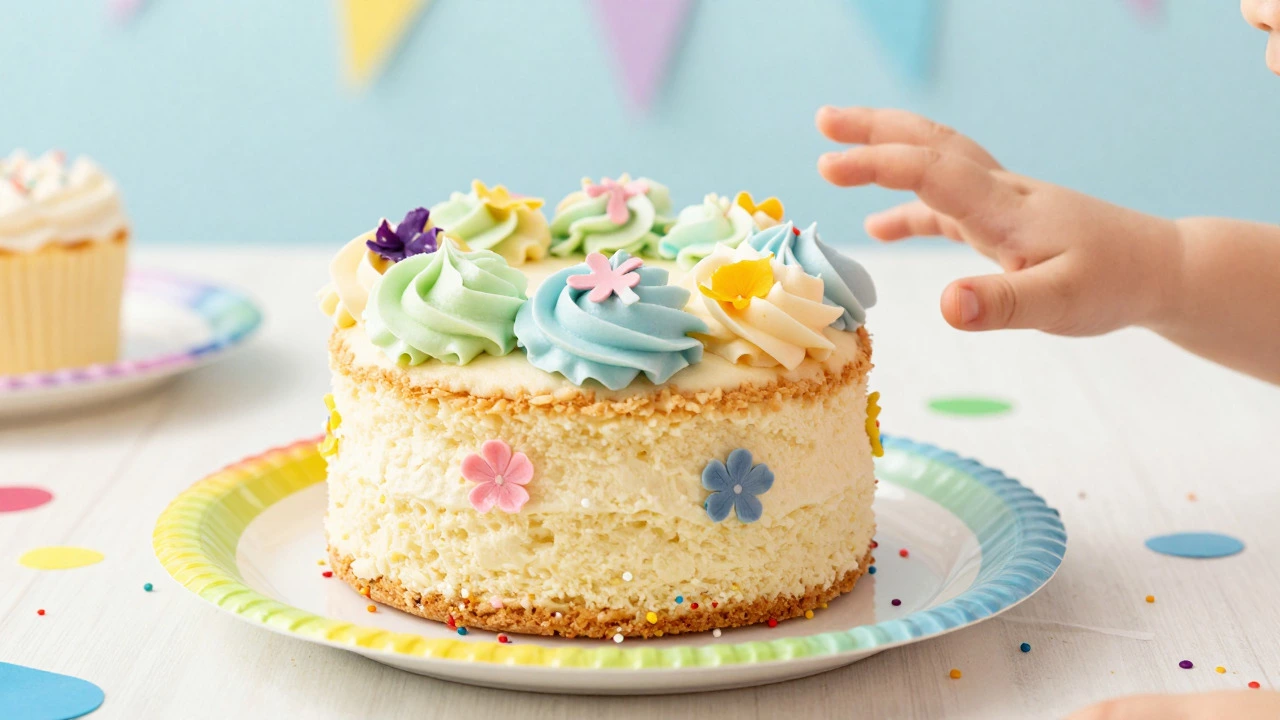
For Toddlers and Young Children: Simplicity is king. They don’t care about subtle lavender notes; they want sugar and color. A basic vanilla sponge or a mild butter cake works best. Avoid dense, heavy cakes that are hard to chew. Also, consider allergies. Many parents opt for nut-free, dairy-free options here. A simple Smash Cake is a small, individual-sized cake designed for a baby's first birthday to explore and eat with their hands. These are often made with yogurt or applesauce to keep them soft and safe.
For Teens and Young Adults: This group trends toward intensity. Red velvet, deep chocolate, or funfetti (cake with sprinkles baked inside) are top contenders. They want visual impact and strong flavors. A red velvet cake, which is technically a cocoa-dusted buttermilk cake, offers a tangy flavor profile that cuts through sweetness, appealing to more sophisticated palates.
For Adults and Milestones: Here, complexity matters. Consider a Cheesecake as a dense, creamy dessert made with cream cheese, often served cold, offering a rich and tangy alternative to traditional baked cakes. While not a "cake" in the traditional yeast-leavened sense, it dominates adult birthday preferences due to its richness. Alternatively, a layered cake with liqueur-soaked sponges (like a Tiramisu cake) or a fruit-tart hybrid shows effort and sophistication.
Seasonal Considerations
Birthday timing affects cake performance. In summer, heavy buttercreams melt. A sponge cake with fresh berries and whipped cream is refreshing but risky in heat. In winter, dense, spiced cakes like gingerbread or pumpkin spice feel comforting. Gingerbread, being a molasses-based cake, is naturally moist and improves in flavor over time, making it great for pre-baking.
Common Pitfalls to Avoid
Even the best cake type can fail if mishandled. Overmixing the batter develops gluten, turning a tender cake into a tough brick. Underbaking leaves a gummy center that collapses when sliced. And perhaps the biggest mistake: using low-quality ingredients. Vanilla extract makes a massive difference. Real vanilla bean paste elevates a simple sponge; artificial flavoring keeps it mediocre. If you’re buying boxed mix, upgrade the wet ingredients. Swap water for milk, oil for melted butter, and add an extra egg. It transforms a commodity product into something homemade.
Is sponge cake or butter cake better for a birthday?
It depends on your priority. Choose sponge cake if you want a light texture that pairs well with fruit fillings and jams. Choose butter cake if you want a richer flavor, denser texture, and better structural stability for stacking and decorating. For most general birthdays, butter cake is the safer bet for durability and crowd appeal.
What is the most popular birthday cake flavor?
Vanilla and chocolate consistently rank as the top two birthday cake flavors globally. Vanilla is preferred for its versatility with different frostings and fillings, while chocolate is favored for its rich, indulgent taste. Red velvet and funfetti are also extremely popular, particularly for children’s parties.
Can I use a box mix for a birthday cake?
Yes, absolutely. To improve a box mix, replace the water with whole milk or buttermilk, swap the vegetable oil for melted butter, and add an extra egg yolk for richness. This simple tweak makes the cake moister and more flavorful, bridging the gap between convenience and quality.
How do I keep my birthday cake moist?
Use oil instead of butter in the batter, as oil retains moisture longer. Brush the cooled cake layers with simple syrup (sugar dissolved in water) before frosting. Store the cake in an airtight container at room temperature for up to three days, or refrigerate if it contains perishable fillings like custard or fresh fruit.
What cake is best for a child's birthday party?
A sturdy butter cake or a dense chocolate cake is ideal for children’s parties. These cakes hold their shape well when sliced and transported. Funfetti cake is also a favorite due to its colorful appearance and familiar vanilla-chocolate chip flavor profile. Ensure the frosting is not too sweet, as children often prefer milder icing.