Find Your Spice Monarch
Not sure which spice reigns supreme for your palate?
Select your preferences below to unlock your perfect spicy cookie recipe.
1. What heat experience do you crave?
2. Preferred Texture?
Loading...
Why this works:
Analysis...
Secret Technique:
...
Best Pairing:
Basic Ratio Guide
There is something rebellious about mixing heat with sweetness. You hold a warm treat in your hand, and the first bite hits you with vanilla and butter, followed immediately by a gentle kick on the back of your tongue. That conflict creates excitement. But who truly rules this kingdom? Is it the earthy warmth of ginger, or does the sharp fire of cayenne pepper take the crown? As we explore the world of spiced baking, we find that there is rarely a single monarch. Instead, different spices lead different armies depending on your palate and the season.
The Anatomy of a Spicy Treat
To understand the competition, we must define what makes a cookie "spicy" in the first place. It is not always about capsaicin, the chemical compound responsible for the burning sensation in peppers. In baking, spice often refers to aromatic warming agents found in the bark, seeds, or roots of plants. When these meet high sugar content, the perception of heat shifts. Sugar dampens the immediate burn but extends the lingers of flavor. This interplay determines whether a recipe succeeds or fails.
Spicy Cookies are baked goods that integrate heat-generating ingredients into the dough base.
Hot Desserts These treats combine sugar, fat, and spice to create a complex flavor profile ranging from subtle warmth to intense heat.If you want to test the limits, you must respect the volatility of spice oils. Ground powders lose potency over time. Freshly toasted seeds crushed in a mortar retain more essential oil than powder sitting in a jar for three years. This freshness is the difference between a background note and a distinct character. Many home bakers overlook this step. They measure from the shaker, forgetting that the moisture content in old spice clumps dilutes their impact.
The Ginger Kingdom
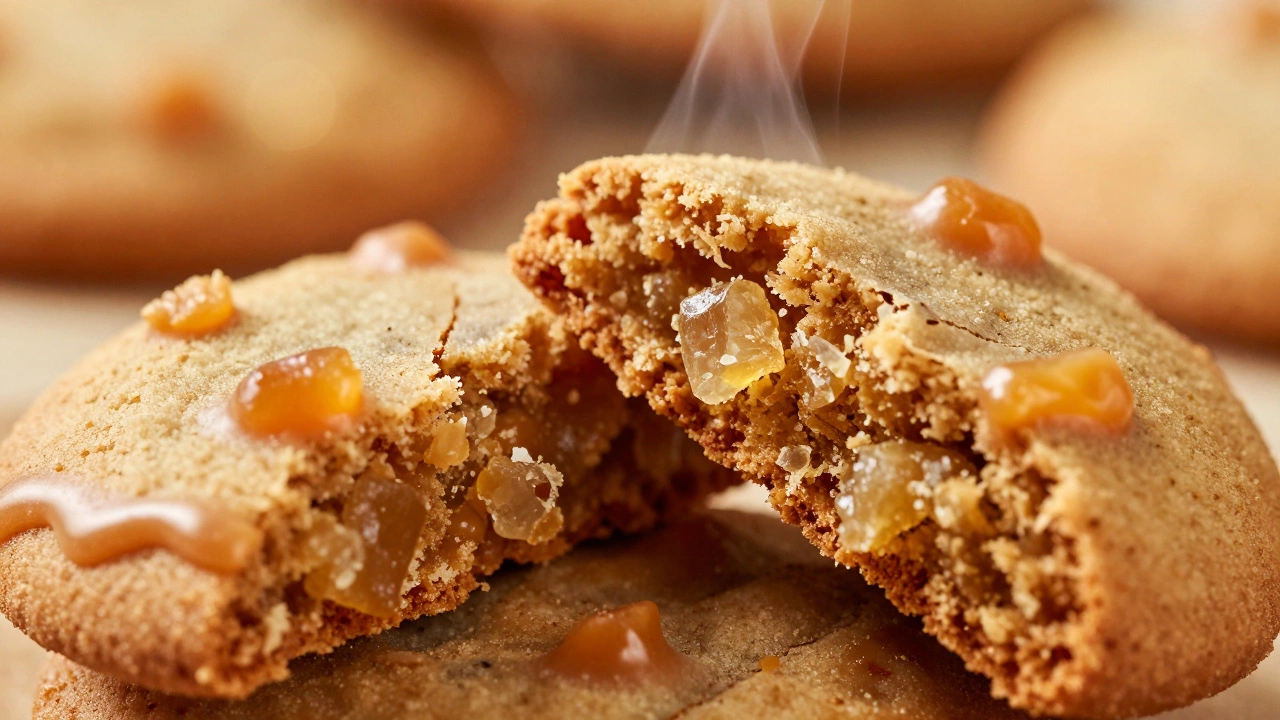
Ginger occupies the largest territory in this realm. It provides a zesty, citrus-like heat rather than a dry burn. When making a classic gingersnap, the spice interacts directly with molasses. The dark caramel notes of the syrup support the peppery sting of the root. This pairing feels ancient, almost medicinal in the way our ancestors used ginger for digestion alongside sugar.
However, ginger has limitations. It can become bitter if burned. If your oven runs hot, ginger flourishes too much during the bake. The flavor turns acrid. You have to lower the temperature slightly to preserve the bright, lemony top notes. A good rule of thumb involves using crystallized ginger pieces in the cookie. This adds chewiness and a concentrated burst of flavor that survives the oven heat better than pure powder.
The Chili Chocolate Challenger
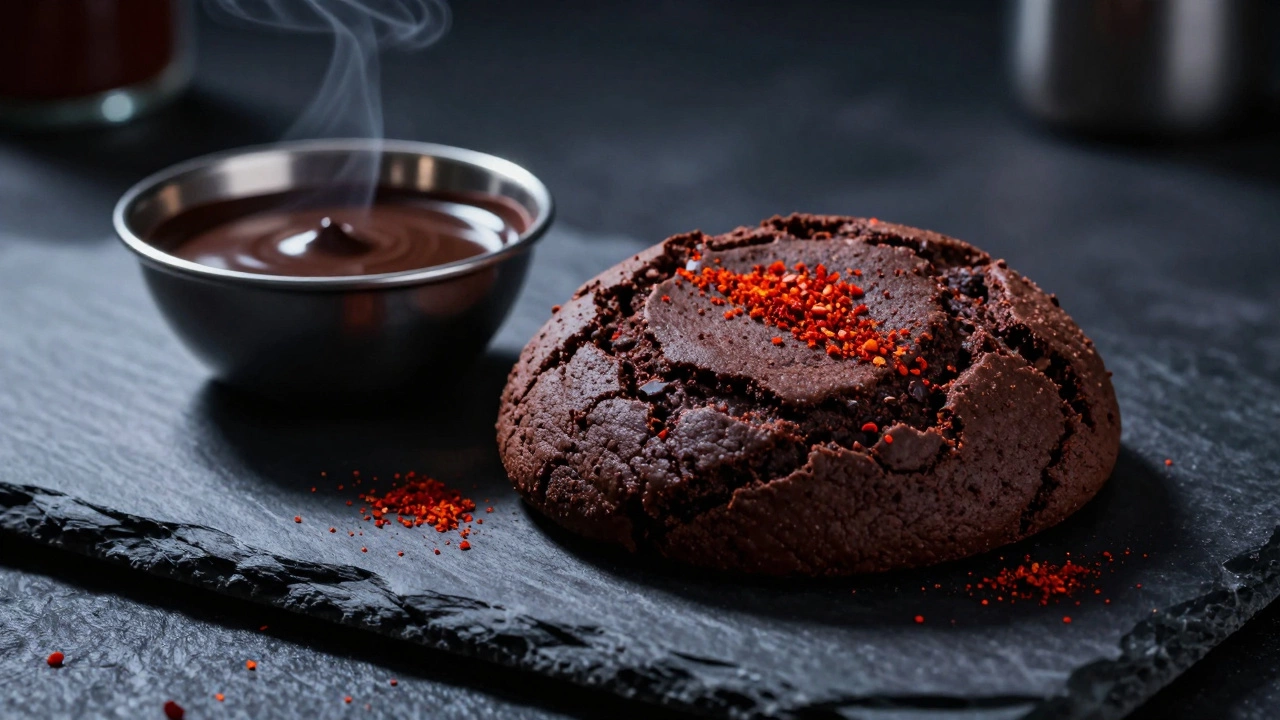
While ginger dominates traditional baking, chocolate brings a modern rival to the ring. We are talking about cayenne pepper added to rich cocoa blends. This combination works because fat acts as a carrier for capsaicin. Chocolate is naturally fatty. When you bloom chili powder in melted chocolate, the heat disperses evenly. Without the fat, the pepper would sit in dry clumps and sting unpredictably.
This style of cookie suits people who like intensity. The bitterness of dark chocolate balances the sweet edge, leaving room for the pepper to shine without overwhelming the mouth. In the UK, where tea culture is strong, this bold flavor finds a perfect match in Earl Grey or strong black tea. The tannins in the tea cut through the chocolate grease, while the bergamot echoes the citrus notes hidden within the chili profile.
Subtle Rulers: Cardamom and Clove
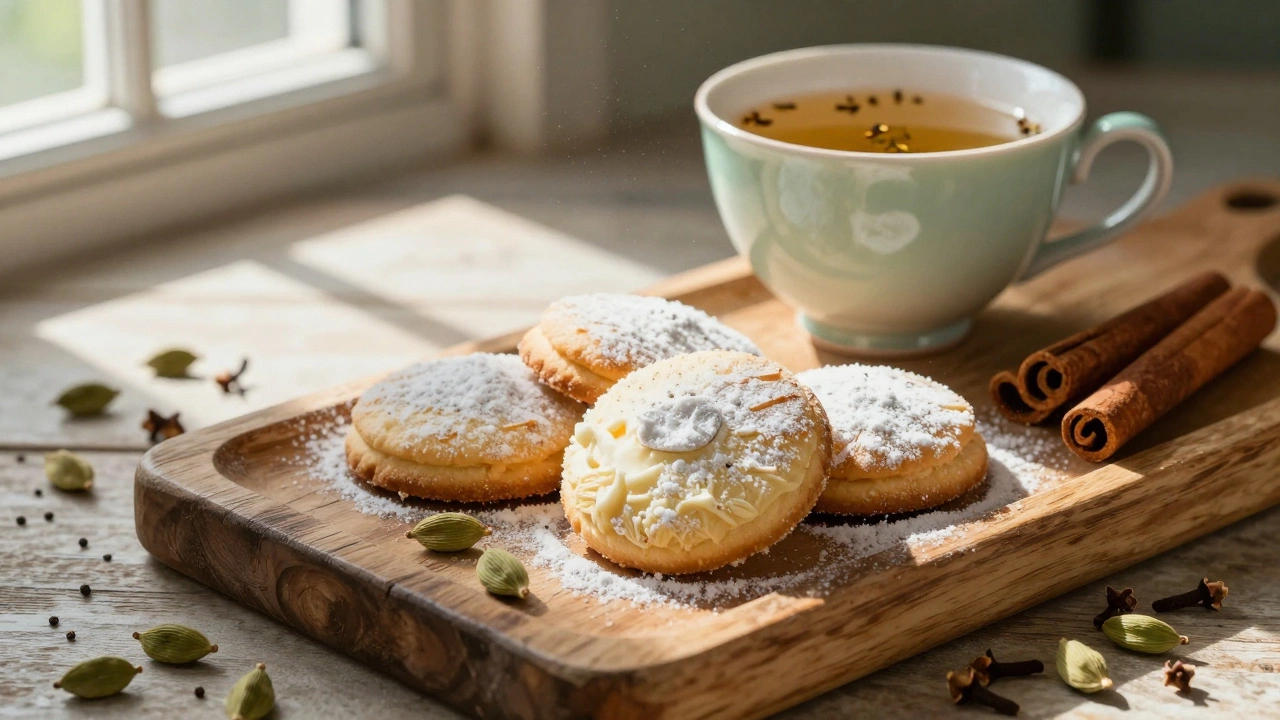
We cannot ignore the subtler contenders. Some spices do not scream for attention but command respect through complexity. CardamomA fragrant seed pod offering floral and citrusy notes that add sophistication to sweet dough. works beautifully in cream cheese cookies. It does not compete with vanilla. Instead, it lifts it. Clove is similar but carries higher risk. Used sparingly, it grounds a recipe with woodsy depth. Add too much, and the cookie tastes like toothpaste.
Cinnamon deserves its own mention. While technically a bark, it is often grouped with spices. It is the safety net of baking. Almost everyone loves cinnamon. It provides warmth without aggression. However, relying solely on cinnamon might prevent you from finding your true favorite. The thrill of spicy cookies comes from pushing boundaries slightly beyond comfort zones.
The Science of Blooming
Technique matters more than ingredient quantity. You might wonder why some recipes call for heating the spices before adding them to the dough. This process is called blooming. Heating ground spices in melted butter for thirty seconds releases their volatile aromatic compounds. Cold spices often remain locked in their cellular structures. By cooking them gently, you wake them up. This ensures the flavor reaches every corner of the finished cookie.
If you skip this step, you get pockets of undissolved spice dust in the crumb. Imagine biting into a plain cookie and suddenly hitting a gritty spot of pepper. It ruins the texture. Fat-soluble aromas dissolve well in butter. Water-soluble ones dissolve in milk or egg wash. Matching the solubility of your spice to the liquid in your dough guarantees a uniform taste experience.
Texture and Crunch
Sweet spices alter the physical structure of the baked good. Molasses contains hygroscopic sugars. These attract water from the air. This keeps ginger cookies soft even days after baking. Conversely, chili cookies often stay crisp longer because the fat ratio in chocolate dough stabilizes differently. Moisture content dictates shelf life. If you plan to gift your batch, choose the chili route for longevity. For immediate consumption, go with the sticky, chewy ginger variety.
| Flavor Profile | Primary Spice | Best Paired With | Shelf Life | Difficulty Level |
|---|---|---|---|---|
| Ginger Snap | Fresh Ginger | Brewed Tea | Soft, 5 Days | Easy |
| Chili Chocolate | Cayenne | Dark Coffee | Crisp, 10 Days | Moderate |
| Cinnamon Swirl | Cinnamon Stick | Milk | Firm, 7 Days | Easy |
| Cardamom Cream | Green Pods | Earl Grey | Fragile, 3 Days | Hard |
Selecting Your Throne
Deciding which flavor is superior depends on the context. Winter holidays demand the deep comfort of gingerbread and clove. Summer picnics benefit from the cooling contrast of a mint-chili cookie. There is no universal answer. The best baker knows how to read the room. Sometimes you need the reliable warmth of cinnamon. Other times, you need the shock of chili to wake up the senses.
Experimentation is key. Start small. Add half a teaspoon of extra spice to your baseline dough. Bake a single test cookie. Taste it while still warm. Heat intensifies as things cool down. Often, what looks mild on the baking tray becomes fiery on the plate. Adjust accordingly. Keep a log of your adjustments. Baking is cumulative knowledge. Every batch teaches you about humidity, altitude, and equipment efficiency.
How much cayenne pepper should I put in chocolate cookies?
Start with a quarter teaspoon for a standard batch of two cups of flour. Taste the raw dough if possible. Remember that heat increases slightly during baking due to evaporation concentrating the oils.
Can I substitute fresh ginger for dried powder?
Yes, but adjust the ratios carefully. One tablespoon of fresh grated ginger roughly equals one teaspoon of powdered ginger. Be aware that fresh ginger introduces more moisture, requiring a slight increase in flour.
Will spicy cookies be too hot for children to eat?
Not necessarily. Spices like cinnamon and ginger provide warmth without painful heat. Avoid cayenne if serving sensitive young mouths. Always label containers clearly so guests know what they are eating.
How do I store spicy cookies to keep them fresh?
Store in an airtight container at room temperature. Place a slice of bread inside to maintain moisture if you prefer soft textures. Keep away from direct sunlight to prevent spice fading.
Why do my spicy cookies turn out bitter?
Bitterness usually comes from overcooking the spices. Toasting spices too long before mixing or leaving them in the oven too long burns the delicate essential oils. Lower the oven temperature by ten degrees if this happens.