Duff Goldman's Cake Artistry Planner
Plan Your Spectacle: Use this planner to determine the right structural support and materials for your next cake project, inspired by the "Queen of Cakes" himself.
When you hear the phrase "Queen of Cakes," your mind might immediately jump to a historical figure or a fictional character. But in the world of modern baking, that title belongs to one person: Duff Goldman. Also known as The Cake Boss, he is the creative force behind Charm City Cakes and a household name thanks to his hit television series, Ace of Cakes.
You might be wondering why a man holds the title of "Queen." It’s not about gender; it’s about dominance. Duff didn’t just bake cakes; he redefined what a cake could be. He turned humble sponge and frosting into towering architectural marvels that looked like movie sets, wedding dresses, and even functioning vehicles. If you love dramatic desserts, understanding Duff’s influence is key to appreciating modern cake art.
The Rise of the Modern Cake Artist
To understand why Duff Goldman earned this nickname, we have to look at where he started. Before the cameras rolled, Duff was running a small bakery in Baltimore called Charm City Cakes. The shop was cramped, the hours were brutal, and the stress was real. But the creativity was unmatched.
In 2006, the Food Network picked up on the unique energy of his shop. They launched Ace of Cakes, a show that followed Duff and his team as they tackled impossible requests from clients across the United States. Imagine being asked to build a life-sized replica of the Statue of Liberty out of sugar paste, or a cake that looks exactly like a vintage Cadillac. These weren’t just desserts; they were engineering projects.
Duff’s approach was different from traditional bakers. While others focused on flavor profiles and classic techniques, Duff focused on spectacle. He used materials like styrofoam armatures, PVC pipes, and metal scaffolding inside his cakes to support their weight. This technical innovation allowed him to create structures that defied gravity. For anyone interested in cake recipes that go beyond the basics, studying his methods offers a masterclass in structural integrity.
Why the Title "Queen" Fits
The term "Queen of Cakes" isn’t an official award. It’s a colloquial recognition of his reign over the industry during the late 2000s and early 2010s. During this period, no other baker had more visibility or influence on pop culture’s view of dessert.
Consider the impact of his work:
- Cultural Impact: He made cake decorating a mainstream hobby. Suddenly, people weren’t just buying boxes of mix; they were buying airbrush kits and fondant rollers.
- Business Growth: Charm City Cakes went from a tiny storefront to a multi-location brand with a massive online presence.
- Media Presence: Beyond Ace of Cakes, he hosted competition shows like Super Sweet Sixteen and Master Baker, further cementing his status as the authority on all things cake.
He ruled the landscape with such confidence and style that the title stuck. Even though he passed away in 2023, his legacy continues to shape how we think about celebration cakes today.
Key Techniques That Defined His Style
If you want to bring a bit of that "Queen" energy into your own kitchen, you need to understand the techniques that made Duff famous. You don’t need industrial equipment to start, but you do need to think differently about structure and finish.
1. Structural Engineering
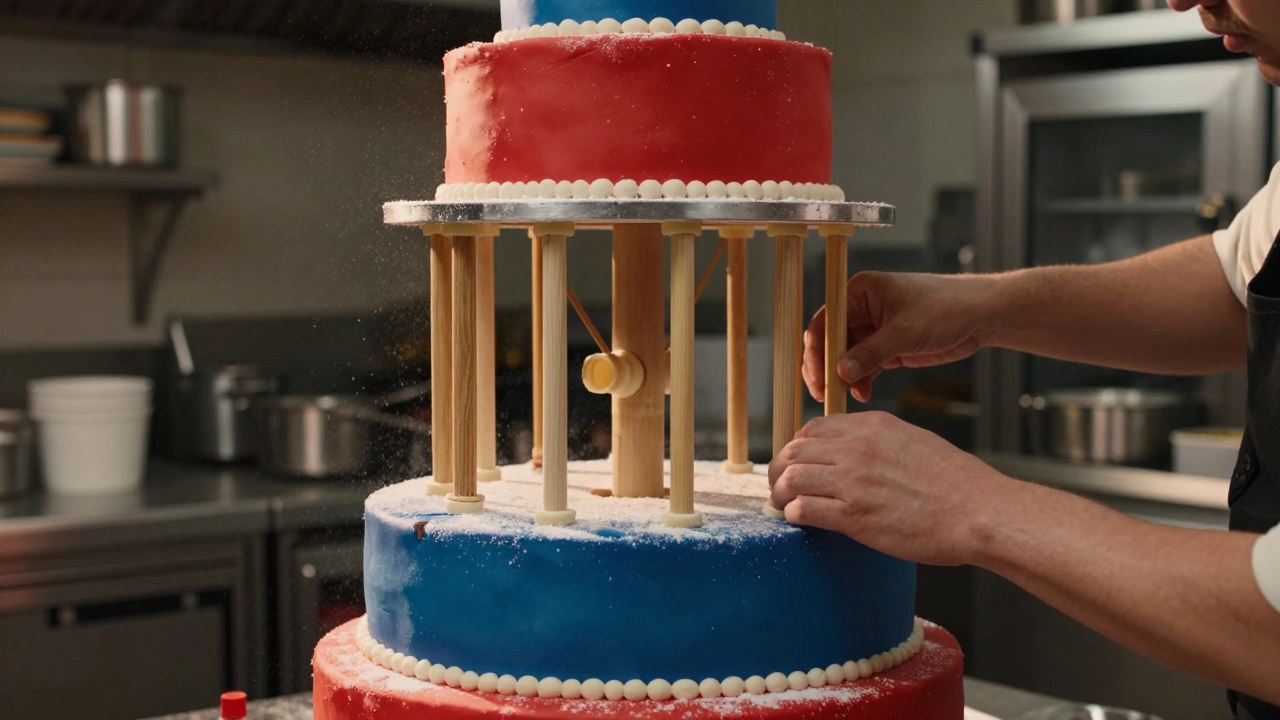
Duff rarely baked a single giant layer. Instead, he built cakes in tiers. Each tier was baked separately, cooled completely, and then stacked using dowels. Wooden or plastic dowels act as pillars, transferring the weight of the upper layers directly to the table, rather than crushing the lower cake layers. Without this step, any tall cake will collapse under its own weight.
2. Fondant Mastery
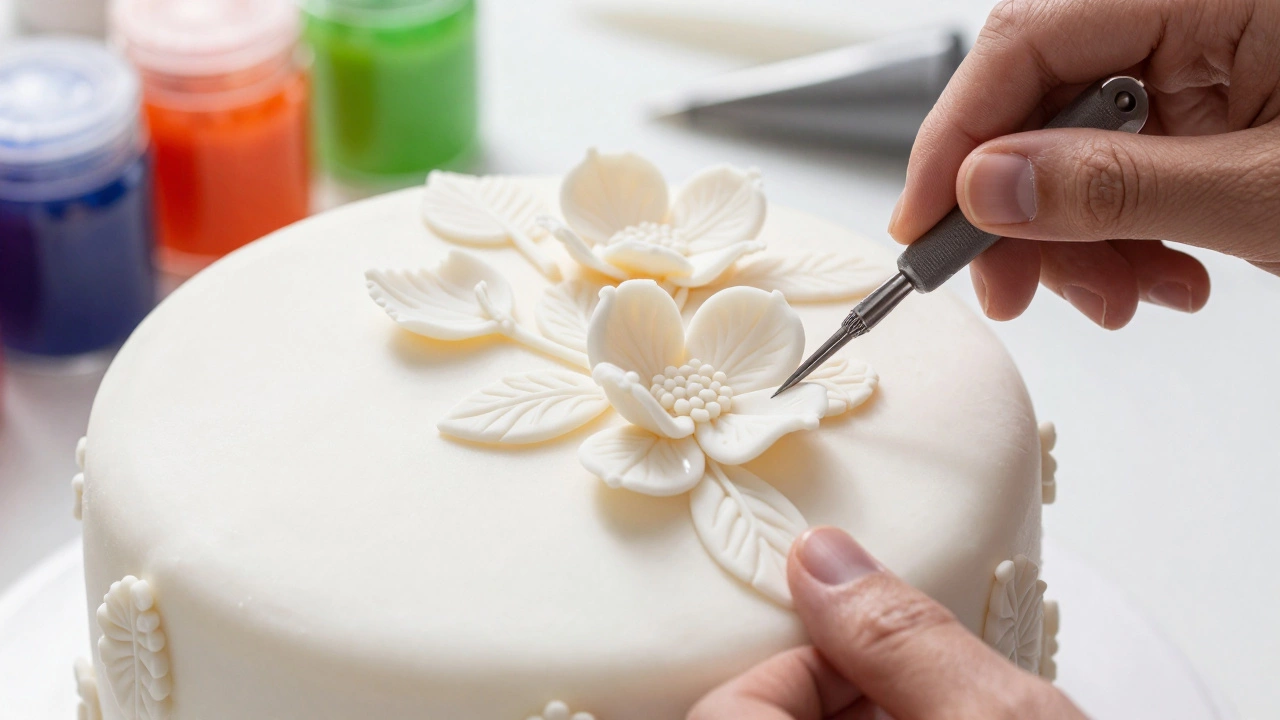
Fondant is the edible icing that gives cakes their smooth, porcelain-like finish. Duff was a pro at rolling it thin enough to avoid cracks but thick enough to hide imperfections. He often tinted his fondant with gel colors for vibrant hues that buttercream simply couldn’t achieve. To get that professional look, you must knead the fondant until it’s pliable and use a cornstarch-dusted surface to prevent sticking.
3. Sculptural Detailing
This is where the magic happens. Duff used modeling chocolate and gum paste to create figures, flowers, and textures. Gum paste dries hard, making it perfect for delicate items like sugar flowers that need to stand upright. Modeling chocolate stays slightly soft, which is better for larger sculptural elements. Understanding the difference between these two mediums is crucial for advanced decorating.
Duff Goldman vs. Other Baking Icons
To truly appreciate Duff’s unique position, it helps to compare him to other giants in the baking world. While everyone brings something to the table, their focuses differ significantly.
| Baker | Primary Focus | Signature Style | Famous Show |
|---|---|---|---|
| Duff Goldman | Spectacle & Structure | Towering, themed cakes | Ace of Cakes |
| Guy Fieri | Flavor & Fun | Over-the-top, casual desserts | Diners, Drive-Ins and Dives |
| Martha Stewart | Elegance & Precision | Classic, refined pastries | Martha Stewart Living |
| Christina Tosi | Innovation & Flavor | Milk-bar inspired, trendy treats | Various Culinary Features |
Notice the distinction? Martha Stewart represents tradition and elegance. Christina Tosi represents modern flavor innovation. Duff Goldman represented theatricality. He wasn’t trying to make the most delicious cake in the quietest way possible; he was trying to make the most memorable cake in the loudest way possible. That boldness is what earned him the crown.
Bringing the "Queen" Touch to Your Home Bakery
You don’t need a TV crew to make impressive cakes. Here are three practical ways to apply Duff’s philosophy to your next baking project.
- Start with a Solid Base: Always use a dense, moist cake recipe. A light angel food cake won’t support heavy decorations. Pound cake or devil’s food cake are excellent choices because they hold their shape well.
- Embrace Color: Don’t be afraid of bright colors. Use gel food coloring instead of liquid drops, which can alter the consistency of your frosting. Gel colors provide intense pigment without adding excess moisture.
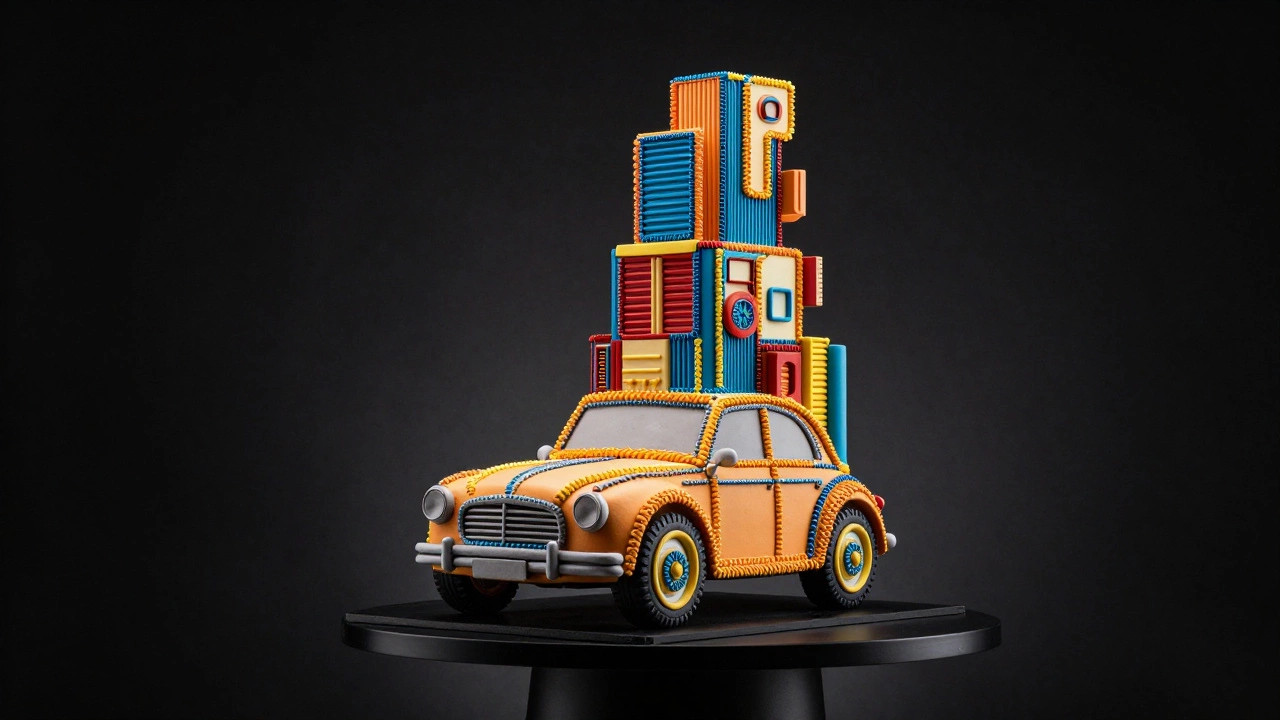
- Add Texture: Smooth surfaces are beautiful, but texture adds interest. Try piping borders with a star tip, sprinkling edible glitter, or adding piped rosettes around the base of the cake. These small details elevate a simple sheet cake into a centerpiece.
Remember, the goal isn’t perfection. It’s personality. Duff’s cakes were often messy in the process but stunning in the result. Allow yourself to experiment and make mistakes. That’s part of the fun.
The Legacy Continues
Even after his passing, the influence of Duff Goldman remains strong. New bakers continue to study his old episodes for tips on troubleshooting and design. His books, such as Charm City Cakes, remain bestsellers for those looking to dive deeper into the technical side of cake building.
The baking community has evolved since the height of Ace of Cakes. Social media platforms like Instagram and TikTok have democratized cake art, allowing anyone to share their creations globally. Yet, the standard for what constitutes a "wow" factor still traces back to the era Duff dominated. He taught us that a cake is not just food; it’s a statement.
So, when you ask who is known as the Queen of Cakes, the answer is clear. It’s the man who turned baking into performance art. Whether you’re a professional pastry chef or a weekend hobbyist, taking inspiration from his bold, unapologetic style can transform your desserts from ordinary to extraordinary.
Is Duff Goldman really called the Queen of Cakes?
Yes, while he was male, the title "Queen of Cakes" was used colloquially to describe his dominant status and supreme skill in the cake decorating industry during his peak fame on the Food Network.
What was Duff Goldman's most famous cake?
One of his most iconic creations was the "Statue of Liberty" cake for a client's birthday, which required complex internal structuring and detailed sugar work to replicate the monument accurately.
How did Duff Goldman support large cakes?
He used internal armatures made of PVC pipes, wooden dowels, and sometimes metal scaffolding to distribute the weight evenly and prevent the cake from collapsing under its own mass.
Where was Charm City Cakes located?
Charm City Cakes was originally located in Baltimore, Maryland, before expanding to multiple locations including Towson and Columbia in the same state.
Can beginners try Duff Goldman's techniques?
Beginners can adapt his techniques by starting with smaller cakes, using dowels for stability, and practicing fondant rolling on simple shapes before attempting large-scale sculptures.