Fudge Texture Diagnostician
Answer three questions about your fudge-making process to diagnose the issue and get a personalized fix.
1. What is the primary texture of your fudge?
2. Did you use a candy thermometer?
3. What temperature did you reach?
(Target) Firm Ball
(Too Hard)
3. When did you start beating/whisking the mixture?
4. Was the environment humid?
Diagnosis Complete
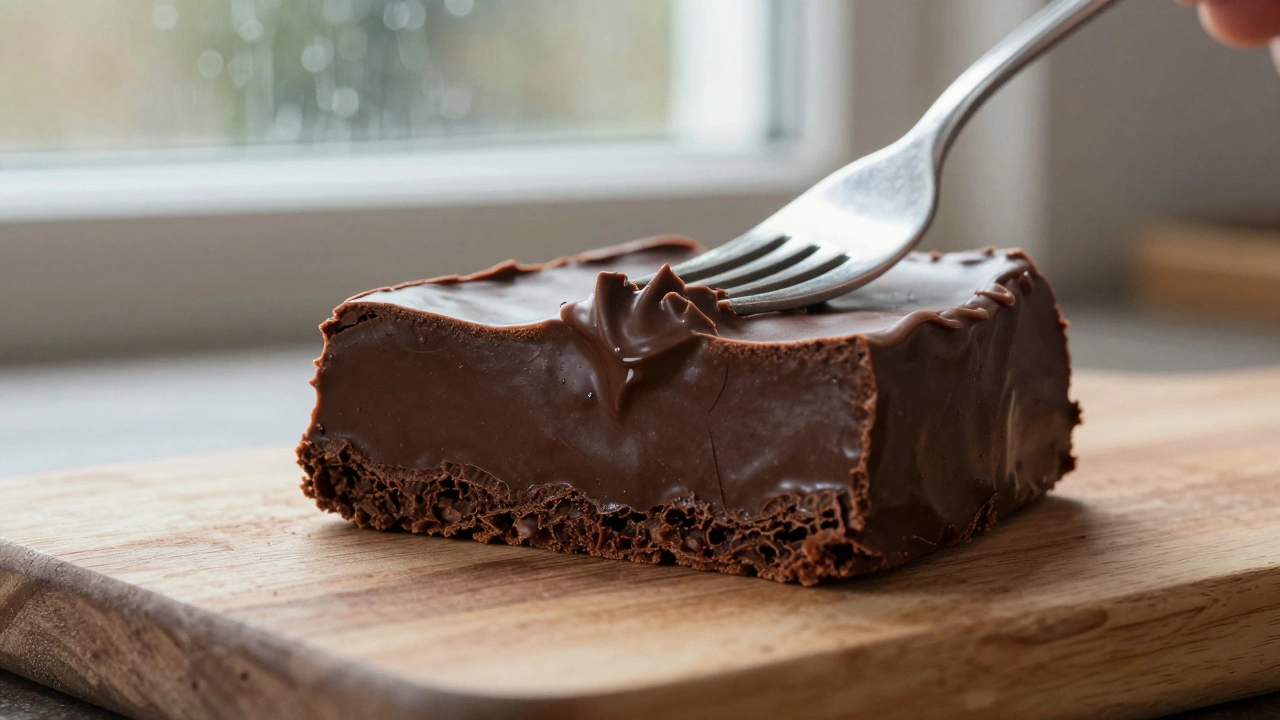
You pour the mixture into the pan, wait for it to set, and then take that first bite. Instead of a smooth, melt-in-your-mouth experience, your teeth sink into something tough, rubbery, and stubbornly chewy. It’s frustrating, especially when you’ve followed the recipe to the letter. But here is the good news: chewy fudge isn’t ruined forever, and understanding why it happened means you won’t make the mistake again.
Fudge is not just sweet; it is a precise chemical reaction between sugar, water, and fat. When things go wrong, it’s rarely because you missed an ingredient. It is almost always about temperature control or how you handled the cooling process. Let’s break down exactly what went wrong and how to fix it right now.
The Culprit: Sugar Crystallization
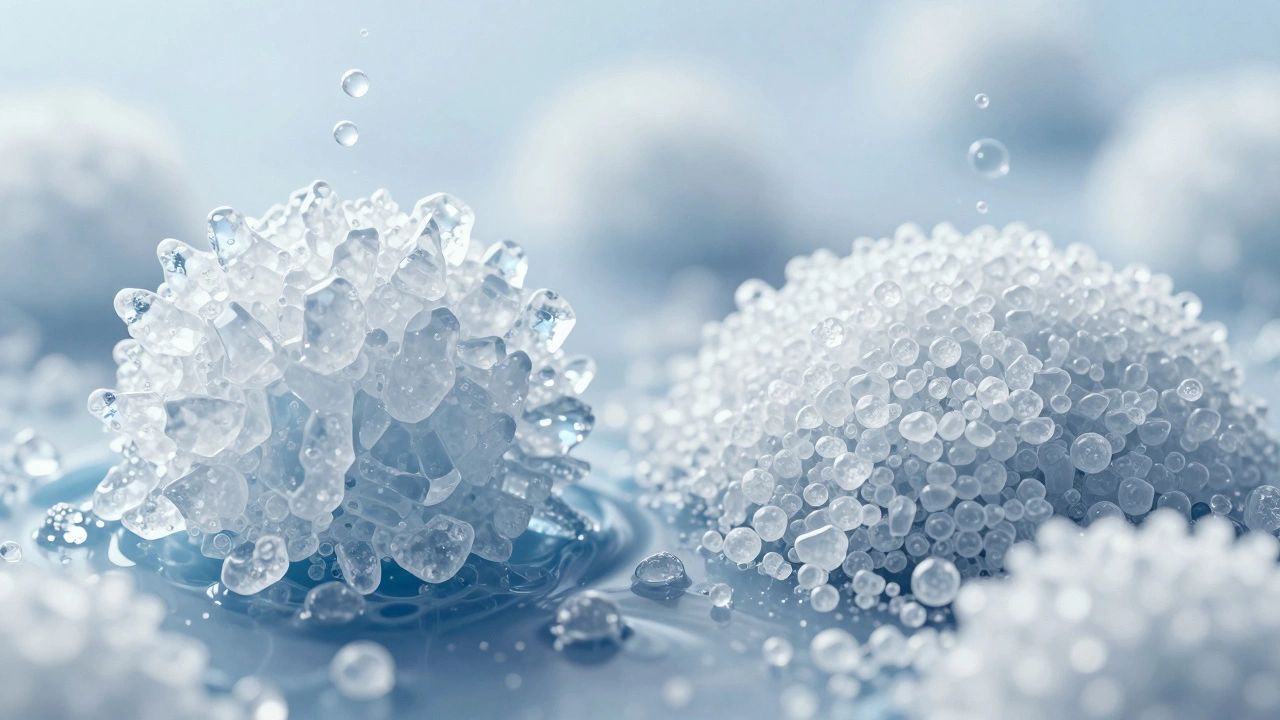
To understand chewiness, you have to look at the microscopic level. Perfect fudge relies on tiny crystals forming in the syrup. If those crystals are small and numerous, the fudge is smooth and creamy. If they are large and sparse, the fudge becomes grainy or hard. But if the structure doesn't set correctly due to moisture issues or improper agitation, it turns elastic and chewy.
Sugar crystallization is the process where dissolved sugar molecules form solid structures as the syrup cools. This process dictates the final texture. When you boil the sugar mixture, you are evaporating water. The amount of water left determines the hardness. If you stop boiling too early, there is too much water. The result is soft, but often sticky and gummy rather than creamy. If you boil it too long, you remove too much water, and the fudge becomes rock-hard.
Chewiness specifically often comes from two main errors: under-boiling (too much water) or over-beating during the cooling phase (creating a dense, tight network of crystals).
Error #1: The Temperature Missed the Mark
The most common reason for chewy fudge is hitting the wrong temperature stage. In candy making, we don't guess; we measure. There are specific stages defined by temperature ranges.
- Soft Ball Stage (234°F - 240°F / 112°C - 116°C): This is the target for classic fudge. At this stage, the syrup forms a soft ball when dropped into cold water. The fudge will be tender and creamy.
- Firm Ball Stage (245°F - 250°F / 118°C - 121°C): If you hit this range, you’re making praline or taffy. The fudge will be hard and difficult to cut.
- Below Soft Ball (< 234°F / 112°C): This is where chewiness lives. You haven't evaporated enough water. The fudge sets, but it retains a gummy, elastic quality.
If you don’t have a candy thermometer is a specialized kitchen tool designed to measure high temperatures for sugar syrups, you can use the cold water test. Drop a teaspoon of syrup into a glass of ice water. If it forms a soft ball that flattens when you press it between your fingers, you are done. If it stays liquid or only thickens slightly, keep boiling. If it holds its shape firmly and doesn't flatten, you’ve gone too far.
Error #2: Agitation Before the Right Time
Timing matters more than effort. Many recipes tell you to beat the fudge until it loses its gloss. Here is the catch: you must wait until the syrup has cooled down significantly before you start beating it.
If you stir or beat the hot syrup immediately after pouring it into the bowl, you encourage large crystal formation prematurely. This leads to a grainy texture. However, if you let it cool completely without stirring, and then try to force it to cream, you might end up with a dense, chewy block because the sugar has already begun to set in a rigid structure.
The sweet spot is waiting until the mixture reaches about 110°F (43°C). At this point, the syrup is still fluid but no longer hot. This is when you begin whisking. The goal is to introduce air and break up large crystals. If you skip this step, the fudge can become heavy and pasty. If you over-whip it once it starts thickening, you compress the structure, leading to that unwanted rubbery chew.
Error #3: Humidity and Moisture Content
Living in Bristol, you know how damp it can get. High humidity affects fudge just like it affects cookies. If the air is humid, the fudge absorbs moisture from the environment as it sets. This extra moisture prevents the sugar crystals from locking into a firm, creamy matrix. Instead, the fudge remains pliable and sticky, which registers as chewy on the palate.
Additionally, the type of chocolate or cocoa you use plays a role. Dark chocolate contains less milk fat and more cocoa solids than milk chocolate. Milk fat acts as an interferent, stopping crystals from growing too big. If you substitute full-fat condensed milk with a lighter version, or swap butter for margarine with lower fat content, you reduce the interference. The crystals grow larger and bind tighter, creating a tougher texture.
| Texture Issue | Primary Cause | How to Fix It |
|---|---|---|
| Chewy/Gummy | Under-boiled (too much water) | Re-melt and boil to higher temp |
| Hard/Rock-like | Over-boiled (too little water) | Add cream/milk and re-melt |
| Grainy/Sandy | Stirred while hot or impurities | Use clear vanilla, avoid stirring early |
| Runny/Liquid | Not boiled enough or high humidity | Boil longer next time; store in dry place |
Can You Save Chewy Fudge?
Yes, you can absolutely rescue your batch. Do not throw it away. The science of fudge allows for reversal because sugar dissolves easily in heat and liquid.
- Break it up: Chop the chewy fudge into small pieces. The smaller the pieces, the faster they will melt evenly.
- Add liquid: Place the pieces in a saucepan. For every cup of fudge, add 1-2 tablespoons of milk, cream, or water. Since chewy fudge usually means excess water wasn't removed, adding a little more liquid helps dissolve the existing structure so you can re-cook it properly.
- Melt gently: Heat the mixture over low heat, stirring constantly, until it is completely smooth and liquid. Do not let it boil yet.
- Re-boil: Once melted, bring the mixture back to a boil. Use your candy thermometer this time. Aim for the soft-ball stage (234°F - 240°F). Watch it closely; since you added liquid, it may take a few minutes to reach the temp.
- Cool and beat: Pour into a clean bowl. Let it cool to 110°F (43°C) without stirring. Then, beat vigorously until it thickens and loses its shine. Spread into the pan and let set.
This process essentially resets the clock. You are dissolving the incorrect crystal structure and rebuilding it with better temperature control.
Pro Tips for Perfect Fudge Next Time
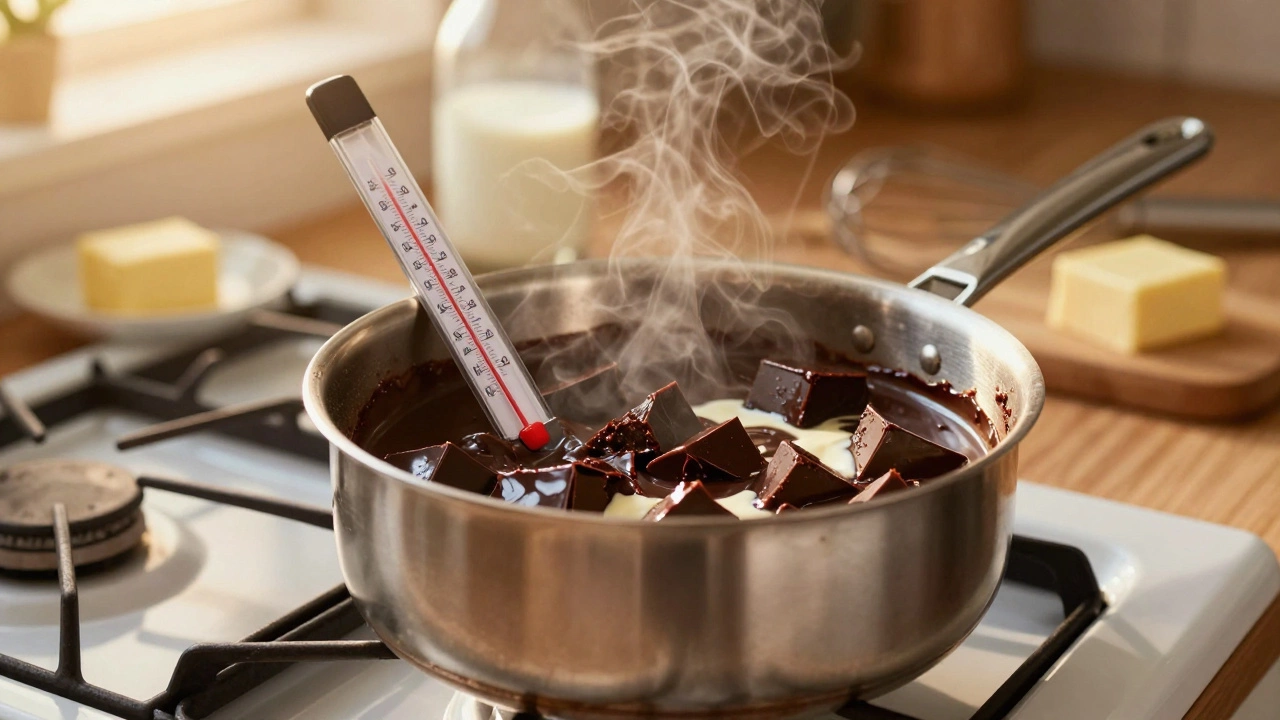
Avoiding chewiness is easier if you follow a few golden rules. First, always use a candy thermometer is essential for accuracy in sugar work. Visual cues are helpful, but temperature is definitive. Calibrate your thermometer by dropping it into boiling water; it should read 212°F (100°C). If it reads 210°F, add 2 degrees to your target temperature.
Second, grease your pans lightly, but do not over-grease. Excess butter or oil can interfere with the setting process, making the fudge softer and potentially gummier. A light coat of non-stick spray or butter on the sides is enough.
Third, consider using corn syrup or glucose syrup. These ingredients contain glucose and maltose, which interfere with sucrose crystallization. They help ensure the crystals stay small and the texture remains creamy rather than hard or chewy. Most traditional recipes call for 1/4 cup of corn syrup per pound of sugar.
Finally, patience during the cooling phase is key. Don’t rush the beating process. If the fudge is still warm, it will never set properly. If it’s too cold, it will be impossible to beat smooth. Aim for that lukewarm window.
Storage Matters
Once your fudge is perfect, storage determines how long it stays that way. Store fudge in an airtight container at room temperature. Avoid the refrigerator unless it’s extremely hot outside. Cold air can cause condensation inside the container, introducing moisture that makes the fudge sticky and chewy again. If you must refrigerate, wrap each piece individually in wax paper before placing them in the container.
Fudge keeps well for up to two weeks. If you need it to last longer, freeze it. Wrap tightly in plastic wrap and then foil. Thaw at room temperature to prevent condensation.
Why is my fudge hard instead of chewy?
If your fudge is hard, you likely boiled the syrup too long, reaching the firm-ball stage or beyond. This removes too much water, leaving a brittle structure. To fix it, add a tablespoon of cream or milk, re-melt, and boil only to the soft-ball stage.
Can I use instant pudding mix to fix chewy fudge?
Instant pudding mix contains starches that can thicken fudge, but it won't fix the underlying temperature issue. It might mask the texture slightly, but re-boiling to the correct temperature is the only reliable fix for chewiness.
Does the type of sugar affect fudge texture?
Yes. Granulated white sugar is standard. Brown sugar adds molasses, which can make fudge denser and slightly chewier due to higher moisture content. Stick to granulated sugar for the creamiest results.
Why did my fudge turn out grainy?
Graininess happens when large sugar crystals form. This is usually caused by stirring the syrup while it is still hot or having impurities in the pot. Use clear vanilla extract instead of dark vanilla to avoid seed contamination, and avoid stirring until the cooling phase.
How do I know when fudge is done without a thermometer?
Use the cold water test. Drop a bit of syrup into ice water. If it forms a soft ball that flattens when pressed between your fingers, it is ready. If it holds its shape firmly, it is too hard. If it is liquid, it needs more boiling.