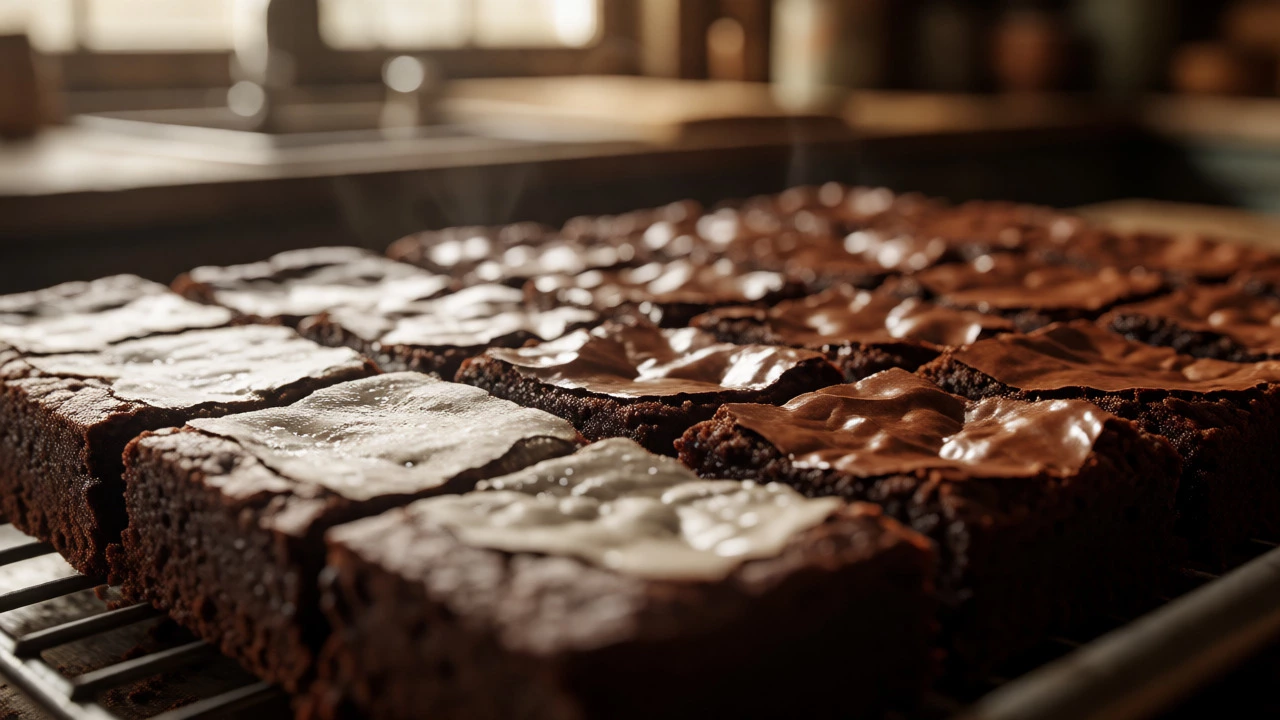
Brownie Crust Predictor
Adjust the variables below to see how they impact the likelihood of achieving that perfect, glossy, crackly top.
Awaiting Input
Select your options and click calculate to see your predicted outcome.
You pull a tray of brownies out of the oven, expecting that glossy, crackly top you see in magazines. Instead, you get a dull, pale crust that looks like it forgot to finish cooking. It’s frustrating, especially when the recipe promised perfection. But here is the thing: a pale top doesn’t mean your brownies are ruined. It just means something went wrong with the sugar crystallization or the oven temperature.
This guide breaks down exactly why that pale skin happens and how to fix it for next time. We will look at the science behind the shine, practical fixes you can try right now, and how to adjust your technique so every batch comes out looking as good as it tastes.
Why Do Brownies Get a Pale Top?
To fix the problem, you need to understand what creates that shiny, dark crust in the first place. That top layer isn't just "cooked batter." It is a result of specific chemical reactions. When sugar dissolves in water and then evaporates during baking, it concentrates on the surface. As the moisture leaves, the sugar recrystallizes into a thin, brittle film. This is called the crust formation.
If this process is interrupted, the crust stays soft, pale, and matte. Several factors contribute to this interruption:
- Excess Moisture: If there is too much liquid in the batter, the surface never dries out enough to form a crisp shell.
- Low Oven Temperature: The heat isn't high enough to trigger rapid evaporation and caramelization before the inside sets.
- Insufficient Sugar: Not enough sugar means not enough material to form the crystalline structure.
- Overmixing: Incorporating too much air can create a foam-like surface that bakes unevenly.
Think of it like making meringue. You need dryness and structure. If your kitchen is humid or your pan is too deep, steam gets trapped, keeping the top wet and pale.
The Role of Sugar and Fat Balance
Sugar does more than sweeten. In brownie chemistry, white granulated sugar is crucial for the crust. Brown sugar adds moisture because of its molasses content. If your recipe uses mostly brown sugar, expect a softer, paler top. White sugar promotes crystallization; brown sugar inhibits it.
Fat also plays a role. Butter contributes to browning through the Maillard reaction, but if you use oil instead, the texture changes. Oil-based brownies tend to be moister throughout, which often results in a less defined crust. If you want that signature crackle, stick to melted butter. The water content in butter helps create steam initially, which lifts the batter, allowing the surface to dry and set properly.
| Ingredient | Effect on Top Texture | Recommendation for Shine |
|---|---|---|
| White Sugar | Promotes crisp, dark crust | Use primarily for shiny tops |
| Brown Sugar | Creates soft, moist, pale top | Mix with white sugar (50/50) |
| Butter | Aids browning and flavor | Use unsalted, melted butter |
| Vegetable Oil | Inhibits crust formation | Use only if fudgey texture is priority |
Oven Temperature and Timing Fixes
Most pale tops come down to heat management. If your oven runs cool, or if you baked at 325°F (160°C) instead of 350°F (175°C), the surface didn't dry fast enough. High initial heat is key. Start your brownies at a higher temperature, say 375°F (190°C), for the first 10 minutes. Then drop it to 350°F (175°C). This shock helps set the crust quickly before the interior expands too much.
Also, check your oven rack position. Baking on the middle rack ensures even heat distribution. If the top is pale but the bottom is burnt, your oven might have hot spots. Rotate the pan halfway through baking. And please, invest in an oven thermometer. Most built-in dials are off by 10-25 degrees. A cold oven is the silent killer of crackly tops.
Pan Choice and Preparation Matters
The material of your baking pan affects heat conduction. Glass pans retain heat longer and can lead to over-baked edges with under-baked centers, often resulting in a pale top because the center stays wet. Metal pans, especially light-colored aluminum, conduct heat faster and more evenly. Dark metal pans absorb more heat, promoting browning.
Line your pan with parchment paper, leaving an overhang on two sides. This makes removal easy, but it also prevents sticking, which can tear the delicate crust. Grease the parchment lightly with butter or cooking spray. If you skip greasing, the crust sticks to the paper and tears off when you lift the brownies out, revealing a raw, pale surface underneath.
Troubleshooting: What If They Are Already Baked?
So, you already baked them. The tops are pale. Can you save them? Yes, but with limits.
Try the broiler trick. Turn your oven to broil (grill setting). Place the brownies on the top rack, about 4-6 inches from the heating element. Watch them like a hawk. Broiling browns the surface rapidly via direct radiant heat. Leave them for 1-2 minutes until they darken slightly. Be careful-they burn fast. Once done, remove them immediately and let them cool completely. Cooling hardens the crust further.
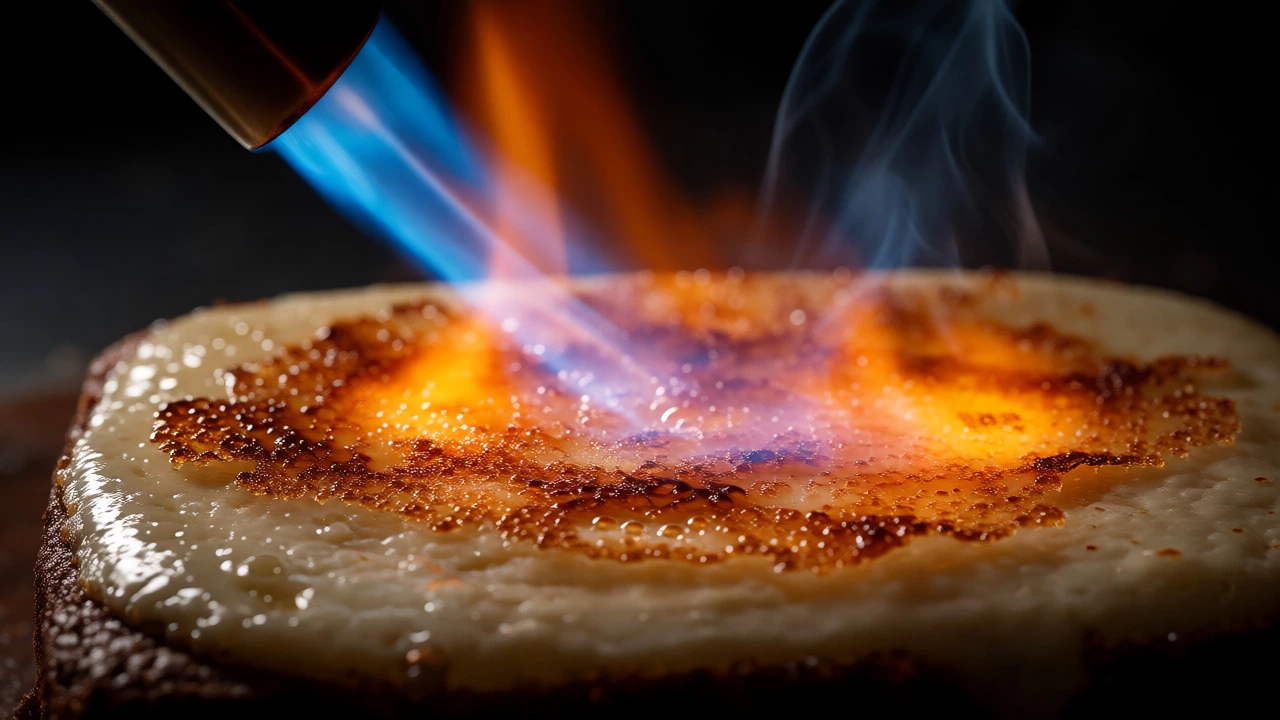
Another option is a torch. If you have a culinary blowtorch, gently pass it over the surface. This mimics the effect of crème brûlée, creating a thin, crispy layer. It won't replicate the full baked crust, but it adds visual appeal and texture.
Preventing Pale Tops in Future Batches
Here is a checklist to ensure your next batch has that perfect sheen:
- Weigh Your Flour: Too much flour absorbs moisture, leading to cakey, dry brownies without a distinct crust. Use a kitchen scale. Aim for precise measurements.
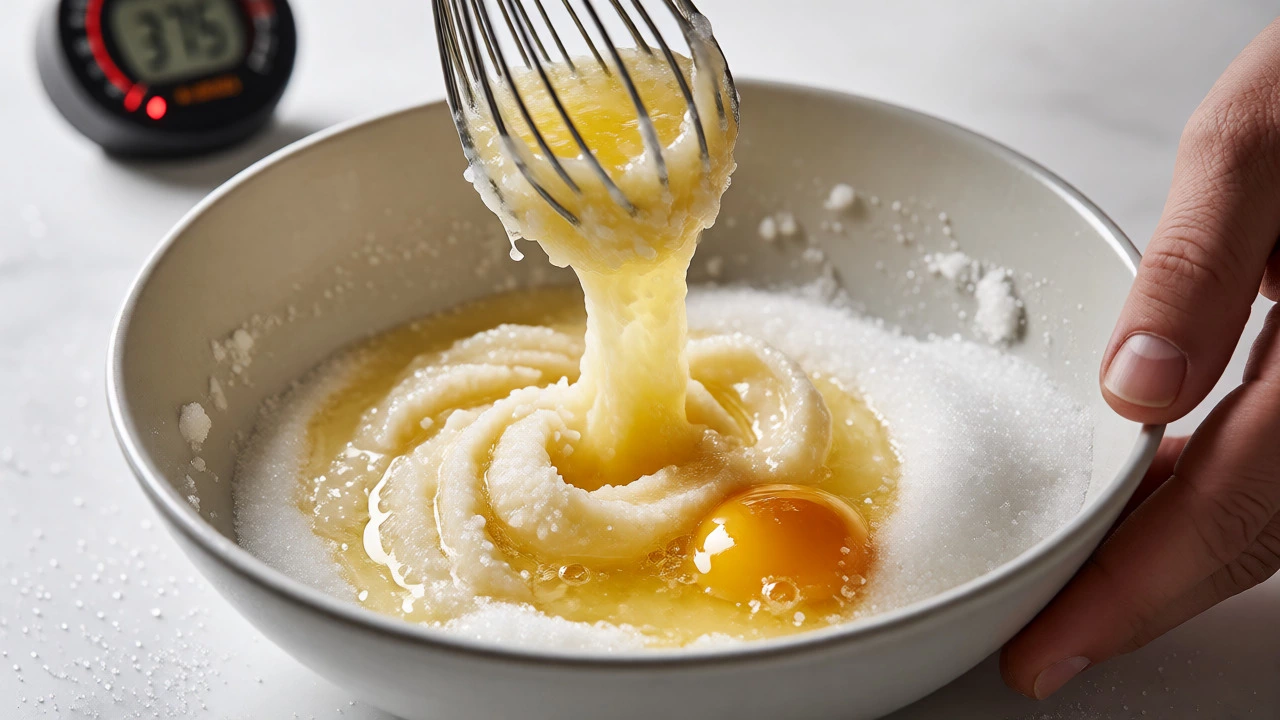
- Dissolve Sugar Completely: Mix eggs and sugar vigorously until the mixture is thick and ribbon-like. This aerates the batter and helps the sugar dissolve fully, ensuring even crystallization later.
- Don't Overbake: Pull them out when a toothpick comes out with a few moist crumbs attached. Overbaking dries them out uniformly, eliminating the contrast between the crust and the fudgy center.
- Cool Properly: Let brownies cool in the pan for at least 30 minutes. This allows the structure to set. Cutting them warm causes the crumb to collapse, ruining the appearance of the top.
Remember, baking is chemistry. Small tweaks yield big results. If you consistently get pale tops, try increasing the white sugar ratio by 10% and raising your oven temp by 15 degrees. Keep a baking journal to track what works for your specific oven.
Does using cocoa powder affect the brownie top color?
Yes, significantly. Dutch-process cocoa is alkalized and tends to produce a darker, richer color but may react differently with leavening agents. Natural cocoa powder is acidic and can help promote browning due to its interaction with sugars. For a darker, shinier top, many bakers prefer natural cocoa powder combined with boiling water to bloom the flavors and ensure even distribution.
Can I add chocolate chips to get a darker top?
Adding chocolate chips usually sinks to the bottom or melts into the batter rather than forming a top crust. To darken the top, sprinkle coarse sea salt or extra chopped chocolate on the surface during the last 5 minutes of baking. This adds visual contrast and texture without interfering with the crust formation mechanism.
Why are my brownies cakey and pale?
Cakey brownies result from too much flour and too much air incorporation. If you whisked the eggs and sugar for too long, you created a foam structure similar to sponge cake. This traps air bubbles that expand during baking, preventing the dense, fudgy texture needed for a proper crust. Fold ingredients gently and reduce flour slightly for a denser, shinier result.
Does humidity affect brownie crusts?
Absolutely. High ambient humidity slows down moisture evaporation from the batter's surface. If you live in a damp climate, your brownies may stay pale because the surface cannot dry out sufficiently to crystallize. Try baking on a dry day, or increase the oven temperature slightly to compensate for the extra moisture in the air.
Is it safe to eat brownies with a pale top?
Yes, absolutely. A pale top indicates a textural difference, not a safety issue. As long as the internal temperature reached at least 180°F (82°C) and the center is set (not raw egg batter), they are perfectly safe to eat. They might just taste softer and less crisp than intended.