Fudge Temperature & Rescue Calculator
Diagnosis & Fix
Your fudge is cooked to perfection! It should set firmly within 2-3 hours at room temperature.
Sugar Stage Reference Guide
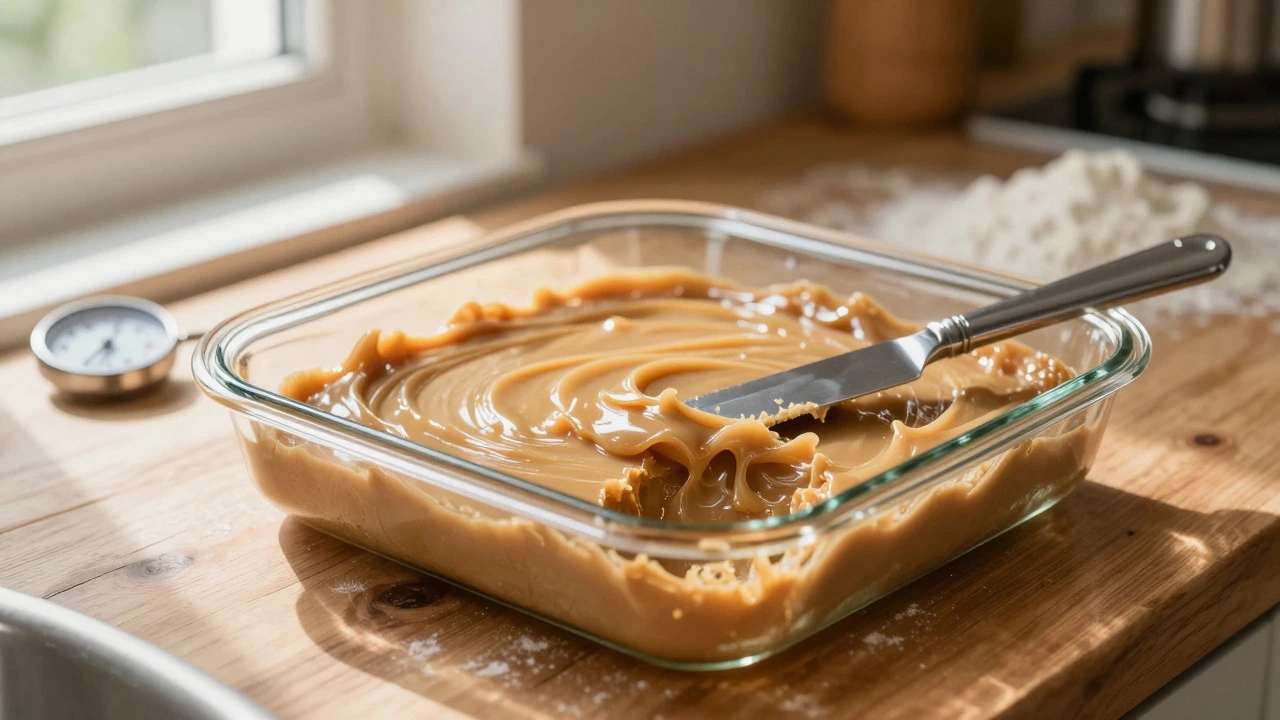
There is nothing quite as disappointing as pulling a pan of homemade fudge is a creamy confection made from sugar, butter, and milk or cream that relies on precise sugar crystallization for its texture out of the oven, slicing it up, and watching it smear into a sticky mess. You followed the recipe to the letter. You mixed the ingredients. You waited. But instead of that satisfying snap and smooth melt-in-your-mouth texture, you have something closer to sweetened paste.
The good news? Your fudge isn’t ruined. It’s just stuck in the wrong stage of development. The problem almost always comes down to one thing: sugar crystallization. If your fudge is too soft, you didn’t cook it long enough, or you cooked it at the wrong temperature. If it’s grainy, you stirred it too much during cooling. Let’s break down exactly why this happens and how to save your batch right now.
The Science Behind Soft Fudge
To understand why your fudge failed, you need to understand what fudge actually is. Unlike chocolate or caramel, fudge is an emulsion of tiny sugar crystals suspended in a syrup of fat and water. The size of those crystals determines the texture. Small crystals create smooth, firm fudge. Large crystals create gritty, sandy fudge. No proper crystal formation creates soft, runny fudge.
This process depends entirely on removing water from the mixture through boiling. As the water evaporates, the concentration of sugar increases. At a specific point-known as the "soft-ball stage"-the sugar solution becomes thick enough to hold its shape when cooled. If you stop cooking before reaching this stage, there is still too much water in the mix. When it cools, that water prevents the sugar molecules from locking together into a solid structure.
| Stage Name | Temperature (°F) | Temperature (°C) | Resulting Texture |
|---|---|---|---|
| Thread Stage | 215-230°F | 102-110°C | Runny syrup; will never set |
| Soft-Ball Stage | 234-240°F | 112-116°C | Ideal for fudge; firm but creamy |
| Firm-Ball Stage | 243-249°F | 117-121°C | Hard, brittle; resembles taffy |
| Hard-Crack Stage | 300-310°F | 149-154°C | Glass-like; suitable for lollipops only |
If your mixture stopped at 220°F (104°C), it’s essentially flavored syrup. That’s why your fudge won’t harden. The target zone for standard fudge recipes is strictly between 234°F and 240°F (112°C-116°C). Even being off by five degrees can change the outcome significantly.
Common Mistakes That Prevent Hardening
Beyond missing the temperature mark, several common errors disrupt the delicate balance required for fudge to set properly. Identifying which mistake you made helps prevent it next time-and guides how to fix the current batch.
- Skipping the candy thermometer: Guessing based on bubbles or visual cues is unreliable. Humidity, altitude, and stove heat affect boiling behavior. A digital or analog candy thermometer is an essential kitchen tool that measures the internal temperature of sugar syrups to determine their stage of cooking costs less than £10 and saves hours of frustration.
- Cooking too fast: Boiling the mixture violently causes uneven heating. The bottom may scorch while the top remains undercooked. Medium-low heat allows gradual water evaporation and consistent sugar concentration.
- Adding ingredients too early: Butter, vanilla, and nuts should go in after the mixture reaches temperature. Adding them beforehand introduces extra water and fat, diluting the sugar concentration and lowering the final set point.
- Stirring during the boil: Once the sugar dissolves, stirring encourages large crystal formation. This leads to graininess, not softness-but if you stir *after* removing from heat without letting it cool slightly first, you can interfere with proper setting.
- High humidity environments: Sugar is hygroscopic-it absorbs moisture from the air. In places like Bristol, where summer rain is common, high humidity can slow drying and keep fudge softer longer. This doesn’t ruin it permanently; it just requires more patience or corrective action.

How to Fix Soft Fudge Right Now
Don’t toss that pan. You can rescue soft fudge using two reliable methods. Both involve re-cooking the mixture to drive off excess water and reach the correct sugar concentration.
Method 1: Reboil and Recool
- Transfer the soft fudge back into a heavy-bottomed saucepan.
- Add 1-2 tablespoons of fresh granulated sugar per cup of original sugar used. This compensates for any sugar lost during initial cooking.
- Heat gently over medium-low flame, stirring constantly until the added sugar fully dissolves.
- Attach your candy thermometer and bring the mixture back to a rolling boil.
- Cook until it hits 238°F (114°C)-right in the middle of the soft-ball range.
- Remove from heat immediately. Let it sit undisturbed for 10 minutes to cool slightly.
- Beat vigorously with a wooden spoon or electric mixer for 5-7 minutes until the mixture thickens and loses its glossy shine.
- Pour into a prepared pan and let it cool completely at room temperature for 2-3 hours before cutting.
Method 2: The Freezer Shortcut
If you’re short on time or don’t trust your thermometer, try this alternative approach:
- Spread the soft fudge evenly in a shallow baking dish.
- Place it in the freezer for 45-60 minutes.
- Check every 15 minutes. Once it feels firm to the touch and holds its shape when pressed lightly, remove it.
- Let it come to room temperature slowly (covered) for 30 minutes before slicing.
Note: The freezer method works best if the fudge was close to setting but just needed more time. If it’s very liquid, reboiling is necessary.
Preventing Future Failures: Pro Tips
Once you’ve saved your current batch, use these strategies to ensure your next attempt sets perfectly on the first try.
- Calibrate your thermometer: Drop it into boiling water. It should read 212°F (100°C) at sea level. Adjust accordingly if it reads higher or lower.
- Use the cold water test: If you don’t have a thermometer, drop a small amount of hot syrup into ice water. If it forms a soft ball that flattens when picked up, you’re ready. If it stays liquid, keep cooking.
- Line your pan with parchment paper: This ensures even cooling and easy removal. Metal pans conduct heat differently than glass, affecting setting speed.
- Avoid opening the fridge door repeatedly: Temperature fluctuations during cooling can cause condensation, reintroducing moisture into the surface layer.
- Store finished fudge correctly: Keep it in an airtight container at room temperature. Refrigeration makes fudge harder and can make it crumbly due to moisture loss.
When to Accept Defeat (and Repurpose)
Sometimes, despite your best efforts, the fudge simply won’t set. Maybe the humidity was extreme, or the recipe had too much liquid content from condensed milk or fruit purees. In those cases, repurposing is smarter than wasting food.
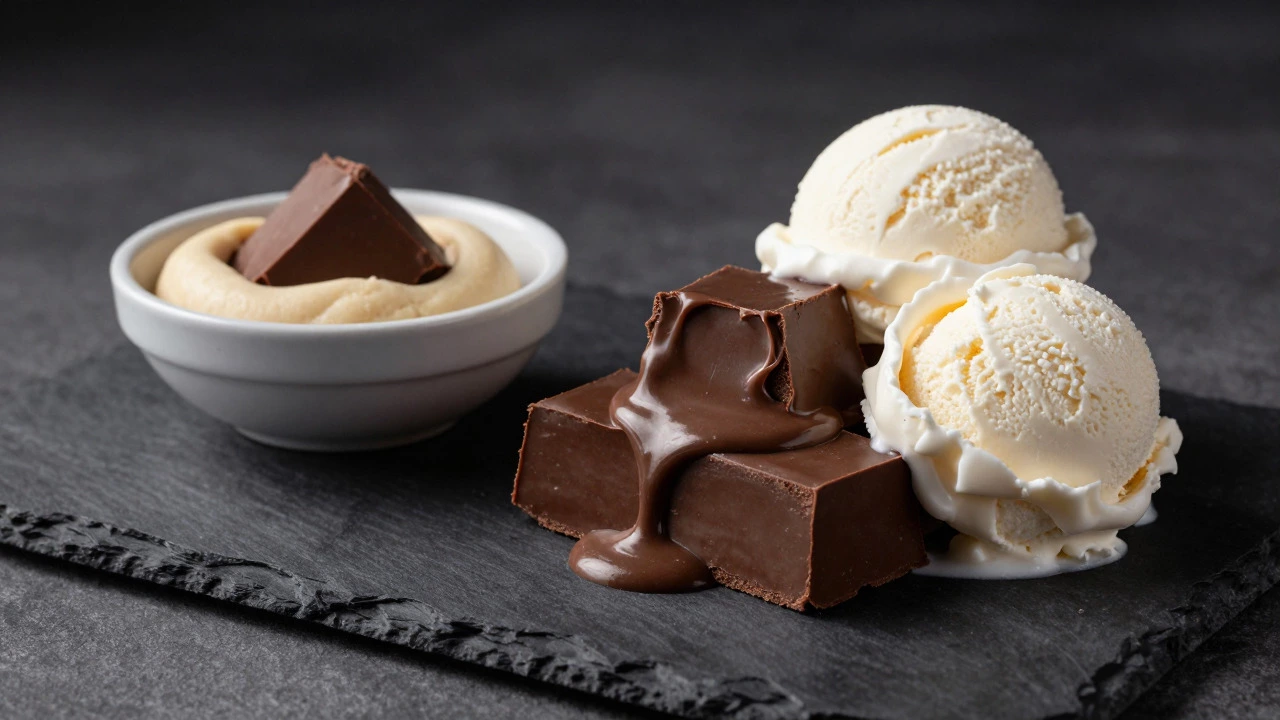
Soft fudge makes an excellent topping for ice cream, brownies, or pancakes. Chop it into chunks and fold it into cookie dough. Use it as a filling for whoopie pies or sandwich cookies. The flavor is still there-even if the texture isn’t what you planned.
Can I add corn syrup to help my fudge harden?
Corn syrup doesn’t directly harden fudge. Its main role is preventing unwanted crystal formation by interfering with sucrose molecules. While it improves smoothness, it adds liquid and can actually delay setting if overused. Stick to adjusting temperature rather than adding more liquids unless the recipe specifically calls for it.
Does altitude affect fudge cooking temperature?
Yes. Water boils at lower temperatures at higher altitudes. For every 500 feet above sea level, reduce the target temperature by 1°F. So if you live in Denver (5,280 ft), aim for 228°F instead of 234°F. Always verify with the cold water test as well.
Why did my fudge turn out grainy instead of soft?
Graininess happens when large sugar crystals form. This usually occurs from stirring during the boiling phase, adding ingredients too soon, or cooling too quickly. To fix grainy fudge, reheat it gently while stirring until smooth, then recool slowly without agitation.
How long does homemade fudge take to set?
Under ideal conditions, fudge takes 2-3 hours to fully set at room temperature. Thicker layers take longer. If it’s still soft after 4 hours, it likely didn’t reach the correct cooking temperature and needs reboiling.
Can I use powdered sugar instead of granulated sugar?
Not really. Powdered sugar contains cornstarch (usually 3%) and anti-caking agents that interfere with proper crystallization. Granulated white sugar is essential for achieving the right texture in traditional fudge recipes.