Fig Vegan Checker
Choose the type of fig you are considering eating to see its likelihood of containing wasp remnants.
Select a variety and click Check
We will analyze the biological process to give you a recommendation.
You’re at a dinner party, trying to stick to your plant-based diet. Someone offers you a fresh fig from their garden or a fancy fig jam with cheese. You reach for it, then pause. A rumor pops into your head: aren’t figs full of dead wasps? It sounds like an urban legend designed to gross out vegetarians, but the truth is surprisingly biological and slightly more complex than "yes" or "no."
If you’ve ever wondered why this specific fruit gets so much hate in vegan circles while apples and bananas sail through without controversy, you’re in the right place. We’re going to unpack the strange symbiotic relationship between figs and wasps, look at how different fig varieties are processed, and help you decide if that sweet purple snack actually fits your ethical framework.
The Fig-Wasp Symbiosis: Nature’s Weird Dance
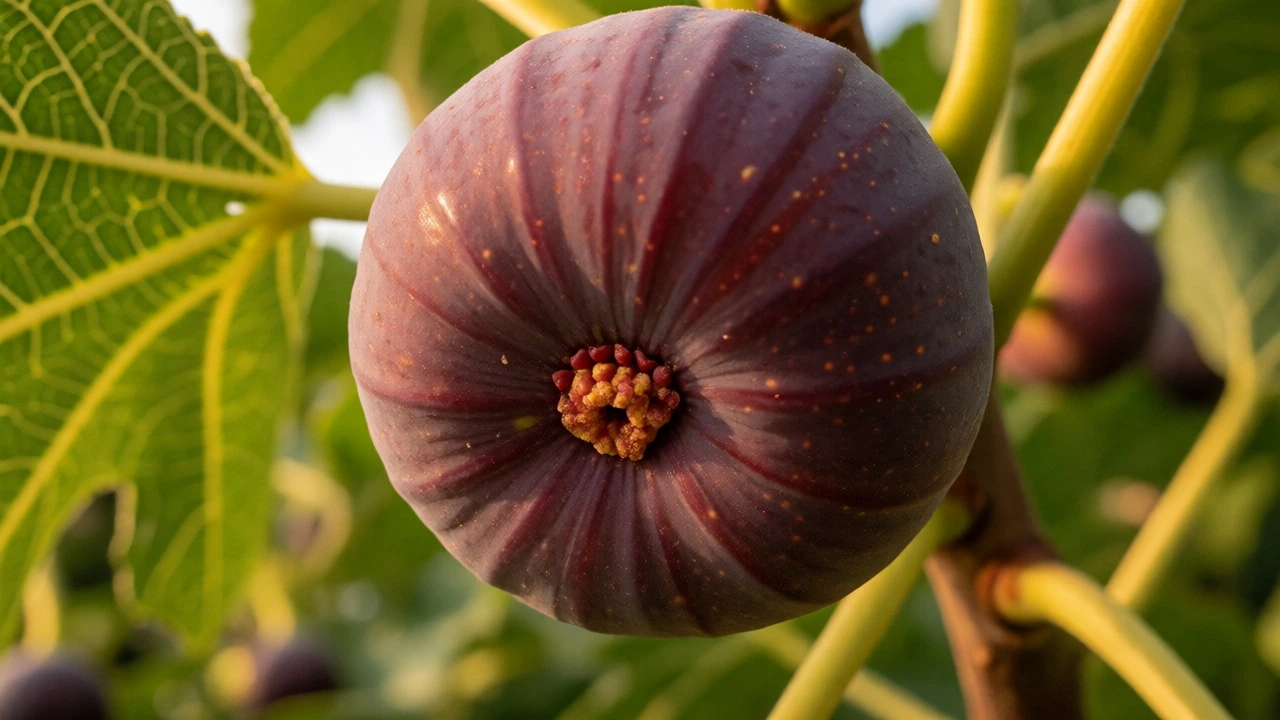
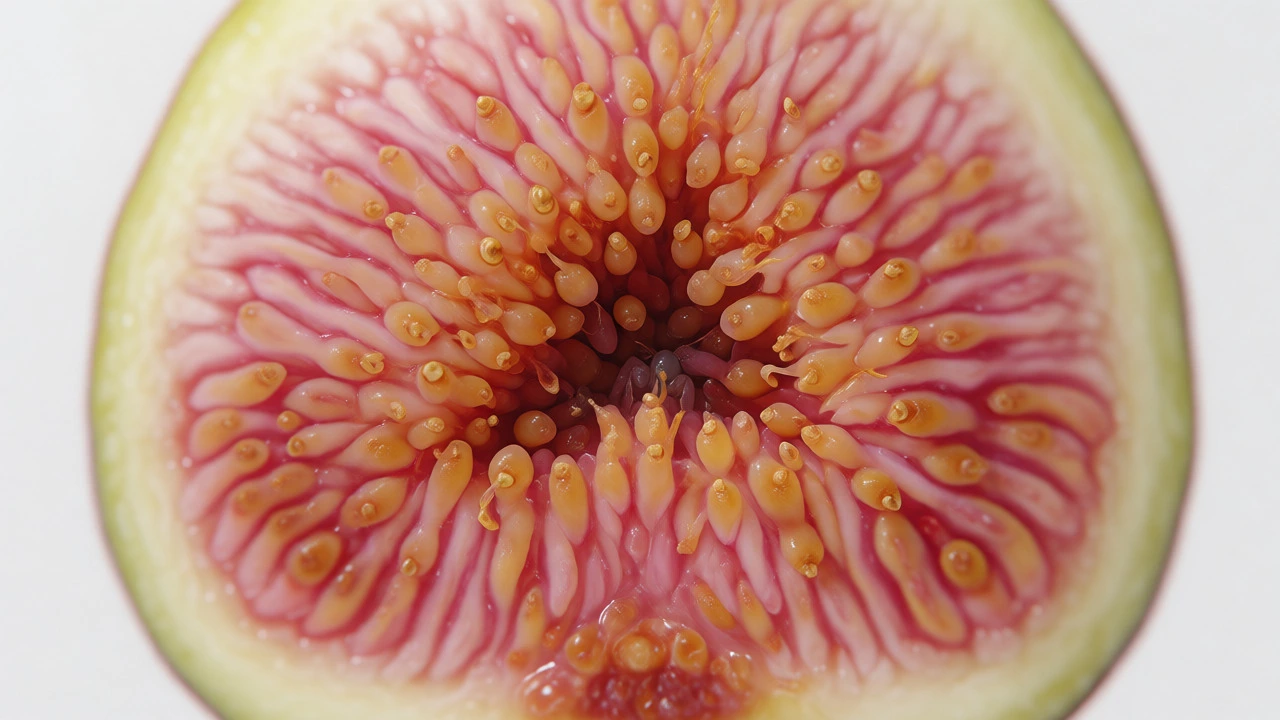
To understand the controversy, you have to look at botany. Figs are not technically fruits in the way we usually think of them; they are inverted flowers. Inside that fleshy skin is a cluster of tiny blossoms facing inward. This structure creates a problem: how do these flowers get pollinated when they are hidden inside a closed cavity?
This is where the Fig Wasp comes in. These tiny insects, specifically the species Blastophaga psenes, are the only creatures small enough and shaped correctly to enter the fig. The female wasp squeezes through a narrow opening called the ostiole. In doing so, she loses her wings and antennae. She enters the fig to lay her eggs in the male flowers. As she moves around, she carries pollen from the previous fig she visited, pollinating the female flowers inside the current one.
Here is the crucial part: the female wasp dies inside the fig. Her body triggers an enzyme reaction in the fruit. The fig produces an enzyme called ficin, which digests the wasp’s exoskeleton (chitin) and soft tissues. By the time you bite into a ripe fig, the wasp has been fully broken down and absorbed by the fruit. So, strictly speaking, there isn’t a whole crunchy insect waiting in your mouth. But yes, the remnants of a dead animal are biologically present within the fruit’s tissue.
Are All Figs Non-Vegan?
This is where nuance matters. Not all figs require the wasp. There are over 750 species of figs, but only a few are commonly eaten by humans. The most common variety found in UK supermarkets is the Smyrna Fig. These figs rely on the wasp for pollination because they produce male and female flowers on separate plants (dioecious). Without the wasp, they don’t set fruit.
However, many popular commercial varieties grown in places like California and Turkey are Parthenocarpic. This means they can develop fruit without pollination. Varieties like the Mission Fig or Kadota Fig often don’t need the wasp to ripen. If you buy dried figs labeled as "Mission" or check the origin, there is a good chance no wasp died in your snack. Yet, cross-pollination can still occur if wild fig trees are nearby, making it hard to guarantee 100% wasp-free status unless you know the specific farming practices.
| Fig Variety | Pollination Method | Vegan Concern Level | Common Use |
|---|---|---|---|
| Smyrna | Requires Fig Wasp | High | Dried figs, jams |
| Mission | Often Parthenocarpic | Low/Medium | Fresh eating, baking |
| Adriatic | Self-fertile | Low | Desserts, salads |
| Kadota | Self-fertile | Low | Cooking, preserves |
The Ethical Dilemma: Why Do Vegans Care?
Some vegans argue that since the wasp is digested, it’s just part of the fruit’s biology, similar to how we eat soil microbes in root vegetables. They claim avoiding figs is arbitrary. Others take a stricter view: if an animal dies to produce the food, it’s not vegan. The argument hinges on intentionality and harm.
In the case of beef or chicken, animals are bred and slaughtered for human consumption. With figs, the death of the wasp is a natural ecological process. Humans didn’t engineer the fig-wasp relationship; nature did. However, strict vegans who avoid honey often extend this logic to figs. Honey involves bees being managed and harvested; figs involve wasps dying incidentally. It’s a gray area that depends on your personal definition of "exploitation."
Consider the scale. One fig might contain one wasp. That doesn’t sound like much until you realize that industrial fig production relies on maintaining populations of these insects. Some farmers even hang "caprification" bags containing live wasps near fig trees to ensure pollination. This active management brings us closer to agricultural intervention than pure wild foraging.
How to Choose Vegan-Friendly Figs
If you want to enjoy figs without worrying about wasps, you have options. Here is how to navigate the grocery store or market:
- Check the Origin: Figs from California often use self-pollinating varieties. Turkish figs are frequently Smyrna types and may involve wasps.
- Look for Specific Labels: Some organic brands specify "wasp-free" or list the variety. If it says "Smyrna," assume a wasp was involved.
- Grow Your Own: Planting a self-fertile variety like Brown Turkey or Adriatic in your garden ensures no caprification is needed.
- Process Matters: Drying figs doesn’t remove the biological history, but cooking them thoroughly integrates any residual proteins beyond recognition.
For those living in the UK, like myself in Bristol, fresh figs are seasonal (late summer to early autumn). During winter, we mostly see dried figs. If you are buying bulk dried figs for baking, ask the supplier about the variety. It’s a simple question that can save you mental energy later.
Alternatives for Vegan Desserts
If the idea of animal remains in your dessert ruins the appetite, don’t worry. Plenty of other fruits offer that same chewy, sweet texture without the entomological debate. Dates are a great substitute in sticky toffee puddings. Prunes work well in cakes for moisture. For a fresh element, try roasted plums or apricots. They provide the caramelized sugar profile that makes figs desirable in pastries.
Also, consider that many commercial fig products contain added sugars or preservatives that aren’t vegan anyway. Always read labels. Sometimes the issue isn’t the wasp-it’s the milk powder in the filling or the gelatin in the coating.
Do all figs contain dead wasps?
No. Only fig varieties that require cross-pollination, such as Smyrna figs, typically contain the remnants of a digested female wasp. Many common commercial varieties, like Mission or Adriatic figs, are parthenocarpic, meaning they produce fruit without pollination and therefore do not require a wasp to die inside them.
Is eating a fig considered cruel?
This is subjective. The wasp dies naturally as part of the reproductive cycle, not due to direct slaughter by humans. However, strict vegans who avoid any product involving animal death may choose to skip figs. Most vegans accept figs because the interaction is incidental and natural, unlike intensive animal farming.
Can I taste the wasp in a fig?
No. The fig produces an enzyme called ficin that completely breaks down the wasp’s chitin exoskeleton and soft tissues. By the time the fig is ripe and ready to eat, the wasp has been fully digested and absorbed into the fruit’s flesh. You won’t find any crunch or visible insect parts.
Are dried figs vegan?
Dried figs follow the same rules as fresh ones. If they are made from Smyrna figs, they likely contained a wasp during growth. If they are made from self-pollinating varieties, they are wasp-free. Check the packaging for the variety name or contact the manufacturer for clarification.
What is caprification?
Caprification is the traditional practice of hanging baskets of unpollinated male figs (which contain live wasps) near female fig trees. This encourages the wasps to leave the male figs and pollinate the female figs, ensuring a harvest. It is a form of agricultural management that actively facilitates the wasp-fig relationship.