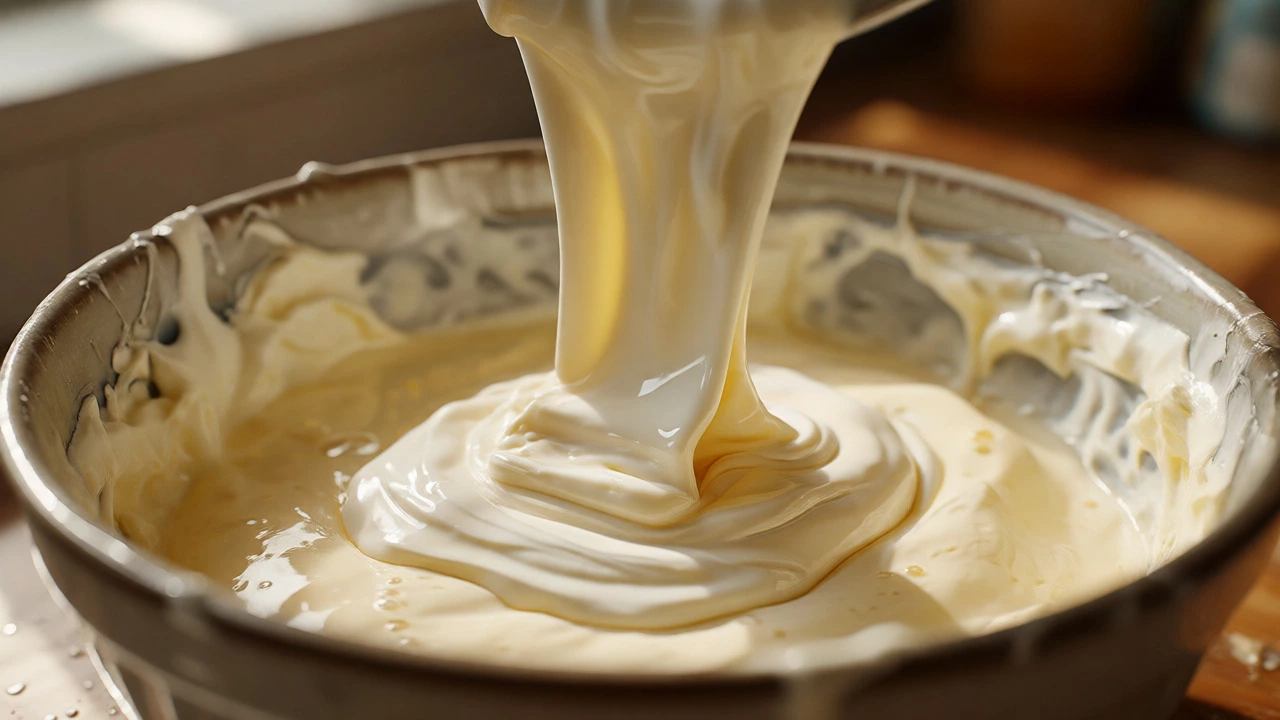
Cheesecake Texture & Fat Calculator
Discover how swapping heavy cream for other ingredients changes your cheesecake's outcome. Adjust the amount of substitute to see predicted texture results.
Predicted Outcome
You’ve probably stared at a recipe that calls for heavy cream and wondered: why add heavy cream to cheesecake? Isn’t cream cheese already creamy enough? It’s a fair question. If you skip it, your cheesecake might still set, but it won’t have that signature velvety mouthfeel or the rich, indulgent flavor profile that defines a top-tier dessert. The difference between a dense, chalky block and a slice that melts on your tongue often comes down to fat content and how it interacts with the other ingredients during baking.
This isn’t just about making things "fancier." There’s actual food science at play here. Understanding why this ingredient matters helps you troubleshoot failures, tweak recipes for your taste, and stop guessing whether you can swap in milk or half-and-half. Let’s break down exactly what happens when you introduce heavy cream into the mix, so you can bake with confidence rather than hope.
The Science of Fat and Emulsion Stability
Heavy cream is a dairy product containing at least 36% milk fat. In contrast, whole milk sits around 3-4%, and half-and-half hovers near 10-12%. When you blend heavy cream with cream cheese, which typically contains 33% fat, you create an emulsion that is significantly more stable than one made with lower-fat liquids.
During baking, proteins in eggs coagulate to set the structure. If there isn’t enough fat to coat these proteins, they bond too tightly together, squeezing out moisture (syneresis) and creating a grainy, rubbery texture. Heavy cream provides a lubricating layer of fat molecules that prevents this over-coagulation. Think of it like oil in a salad dressing; without it, the vinegar and oil separate, and the texture feels harsh. With it, everything stays smooth and integrated.
- Fat Coating: High-fat content coats egg proteins, preventing them from clumping too tightly.
- Moisture Retention: Fat traps water vapor inside the batter, keeping the crumb moist after cooling.
- Thermal Buffer: Fat heats up slower than water, allowing for more even cooking and reducing the risk of curdling.
Texture Transformation: From Dense to Velvety
The most immediate impact of adding heavy cream is on texture. A cheesecake made solely with cream cheese and eggs tends to be very dense-think of the classic New York style, which is beloved for its heaviness but can feel dry if not balanced correctly. Adding heavy cream introduces air pockets that remain open after baking because the fat stabilizes the foam created by beating the eggs and sugar.
This results in a lighter, fluffier interior that still holds its shape. It’s not mousse-like, but it has a "silk" quality. If you’ve ever eaten a Japanese-style cheesecake or a modern bakery slice that seems to dissolve on your palate, heavy cream is likely doing the heavy lifting. Without it, you’re left with a denser, more custard-like consistency that requires more effort to chew.
| Ingredient Used | Fat Content | Resulting Texture | Best For |
|---|---|---|---|
| Heavy Cream | 36%+ | Velvety, rich, melt-in-mouth | Classic NY, Baked Cheesecakes |
| Half-and-Half | 10-12% | Custardy, slightly grainy if overbaked | Lighter versions, No-bake |
| Whole Milk | 3-4% | Dense, potentially rubbery | Economy bakes, Firm slices |
| Sour Cream | 20% | Tangy, thick, matte finish | Pumpkin Cheesecake, Spiced flavors |
Flavor Enhancement and Balance
Fat is a carrier for flavor. Many aromatic compounds in vanilla extract, lemon zest, or fruit purees are lipophilic, meaning they dissolve in fat rather than water. When you use heavy cream, those flavors bind to the fat molecules and linger longer on your tongue. This is why a cheesecake with heavy cream tastes richer and more complex, even if the amount of sugar remains the same.
Furthermore, heavy cream helps balance acidity. Cream cheese has a tangy pH level. While some people love that bite, others find it sharp. The sweetness and richness of heavy cream mellow out that acidity, creating a smoother flavor profile. If you’re using tart fruits like raspberries or passionfruit in your topping, the base needs this extra richness to stand up to the acid. Otherwise, the cake tastes thin and one-dimensional.
Common Mistakes: Why You Might Not Need It
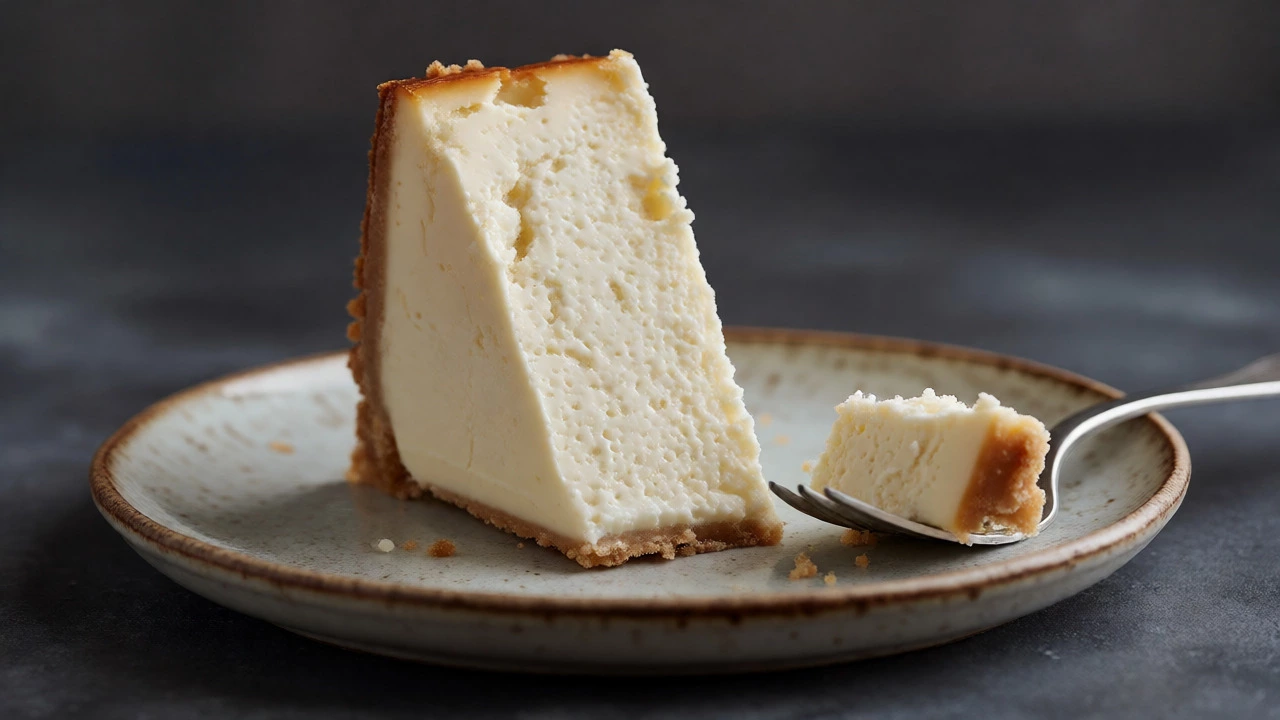
Not every cheesecake needs heavy cream. If you are making a New York Style Cheesecake that relies heavily on sour cream or crème fraîche for its characteristic tang and density, adding heavy cream might make it too loose. Sour cream already provides significant fat and moisture. In these cases, the goal is a firm, sliceable wedge, not a soft melt.
Also, consider your baking method. If you are making a no-bake cheesecake, heavy cream is often whipped separately and folded in to provide structure through air incorporation rather than heat setting. Here, the cream acts as a leavening agent of sorts. But in baked cheesecakes, relying on whipping heavy cream to stiff peaks before folding it in can lead to large air bubbles that crack the surface as the cake rises and falls. For baked versions, gently mixing room-temperature heavy cream into the batter is usually safer.
Alternatives and Substitutions
If you don’t have heavy cream on hand, you can improvise, but expect changes in outcome. The key is matching the fat content and viscosity.
- Mascarpone: Mix mascarpone with a little milk. Mascarpone is higher in fat than cream cheese but lacks the structural stability of cream when heated. Use it for a richer, softer cake.
- Coconut Cream: For a dairy-free option, chilled coconut cream works well. It has a similar fat content to heavy cream but adds a distinct coconut flavor. Best for tropical-flavored cheesecakes.
- Cream Cheese + Butter: Melted butter mixed with milk can mimic the fat content, but it may alter the setting time. The cake will be greasier and less cohesive.
Avoid using low-fat milk or skim milk unless you accept a rubbery texture. The lack of fat means the protein network becomes too tight. If you must reduce calories, try replacing half the heavy cream with Greek yogurt, but note that the tanginess will increase significantly.
Practical Tips for Perfect Incorporation
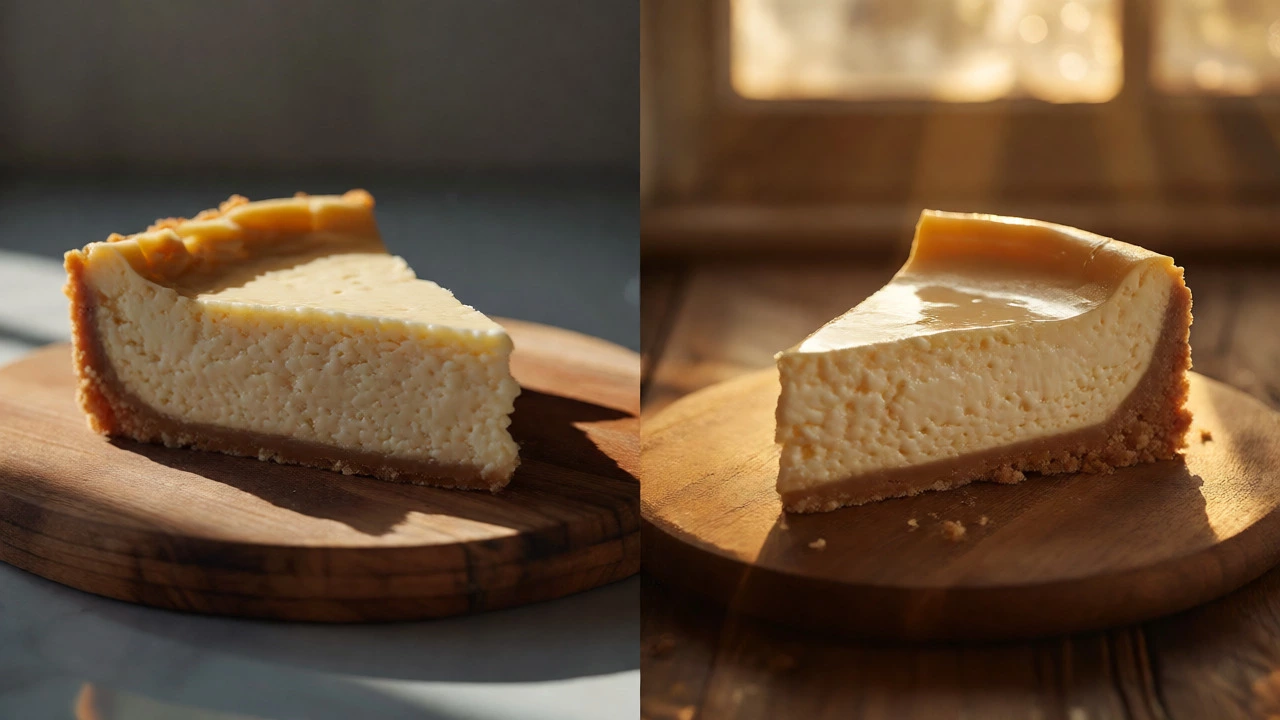
To get the best results, temperature control is critical. Cold heavy cream added to warm batter can cause the fats to solidify unevenly, leading to lumps. Always bring your heavy cream to room temperature before adding it to the bowl. This ensures a homogeneous mixture where the fat distributes evenly throughout the egg-protein matrix.
Another pro tip: do not overmix after adding the cream. Once the ingredients are combined, stop. Overbeating incorporates too much air, which expands rapidly in the oven, causing cracks. You want a smooth, uniform batter, not a foamy one. Pour the batter into your crust slowly to minimize trapped air bubbles, and tap the pan gently on the counter before baking.
When to Skip the Heavy Cream
Sometimes, simplicity wins. If you are making a layered cheesecake with mousse components, the layers themselves might provide enough lightness. Or, if you prefer a very traditional, old-fashioned dense slice, skipping the cream gives you that authentic "brick" texture that pairs well with strong coffee. Know your goal. Are you chasing silkiness or solidity? Choose your liquid accordingly.
Can I use whipping cream instead of heavy cream?
Yes, in most regions, whipping cream and heavy cream are used interchangeably. Both contain at least 30-36% milk fat. As long as the label says "whipping" or "heavy," it will work similarly in cheesecake recipes, providing the necessary richness and stability.
What happens if I substitute milk for heavy cream?
Substituting milk reduces the fat content drastically. Your cheesecake will likely turn out denser, drier, and potentially rubbery because the egg proteins will coagulate more tightly without the lubricating effect of the fat. It may also lack the rich flavor associated with premium cheesecakes.
Does heavy cream make cheesecake sweeter?
No, heavy cream itself is not sweet. However, because fat carries flavor and mellows acidity, the overall perception of sweetness may seem higher compared to a low-fat version. You might need to slightly adjust sugar levels if you switch from milk to heavy cream, but usually, the existing sugar amount is sufficient.
Is heavy cream necessary for no-bake cheesecake?
It is highly recommended but not strictly mandatory. In no-bake cheesecakes, whipped heavy cream provides the structure and airiness since there is no heat to set the eggs. Without it, the filling may be too dense or fail to hold its shape when sliced. Mascarpone or thickened cream can serve as alternatives.
How much heavy cream should I add?
A common ratio is 1 cup of heavy cream for every 24 ounces (approx. 700g) of cream cheese. However, always follow specific recipe ratios. Some recipes use equal parts cream cheese and heavy cream for ultra-light textures, while others use only a splash for richness without changing the density significantly.