Cheesecake Stabilizer Calculator
Enter details and click Calculate to see recommended amounts.
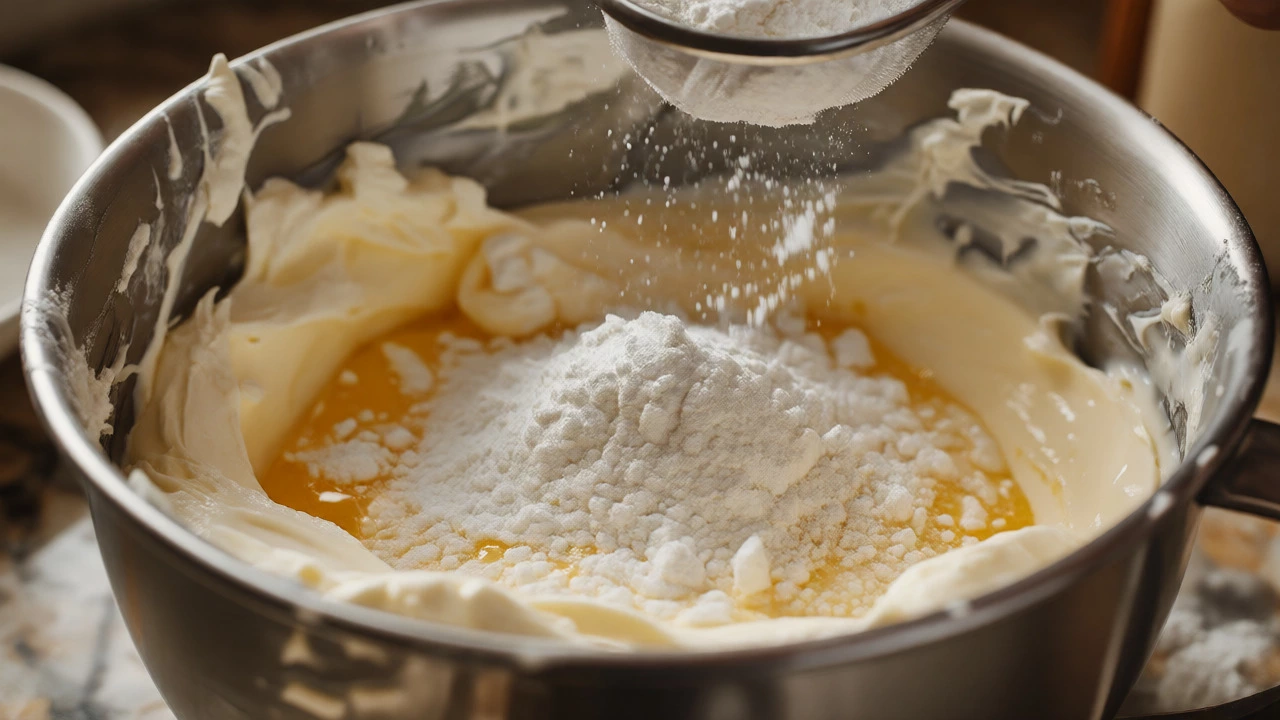
You’re staring at a recipe for New York Style Cheesecake, and it lists flour. You pause. Isn’t this supposed to be dairy-heavy and gluten-free-ish? Why would you add a dry starch to a creamy custard-like dessert? It feels counterintuitive, right? But that small amount of flour isn’t there by accident. It’s doing heavy lifting in the chemistry of your bake.
Most people think cheesecake is just cream cheese, sugar, eggs, and maybe some vanilla. If you bake it like that, you get a dense, sometimes rubbery block that cracks when it cools. The flour changes the game. It acts as a stabilizer. Without it, the protein structure from the eggs can tighten up too much during heating, squeezing out moisture and creating that dreaded grainy or cracked surface. Flour interferes with that process. It keeps things tender.
The Structural Role of Flour
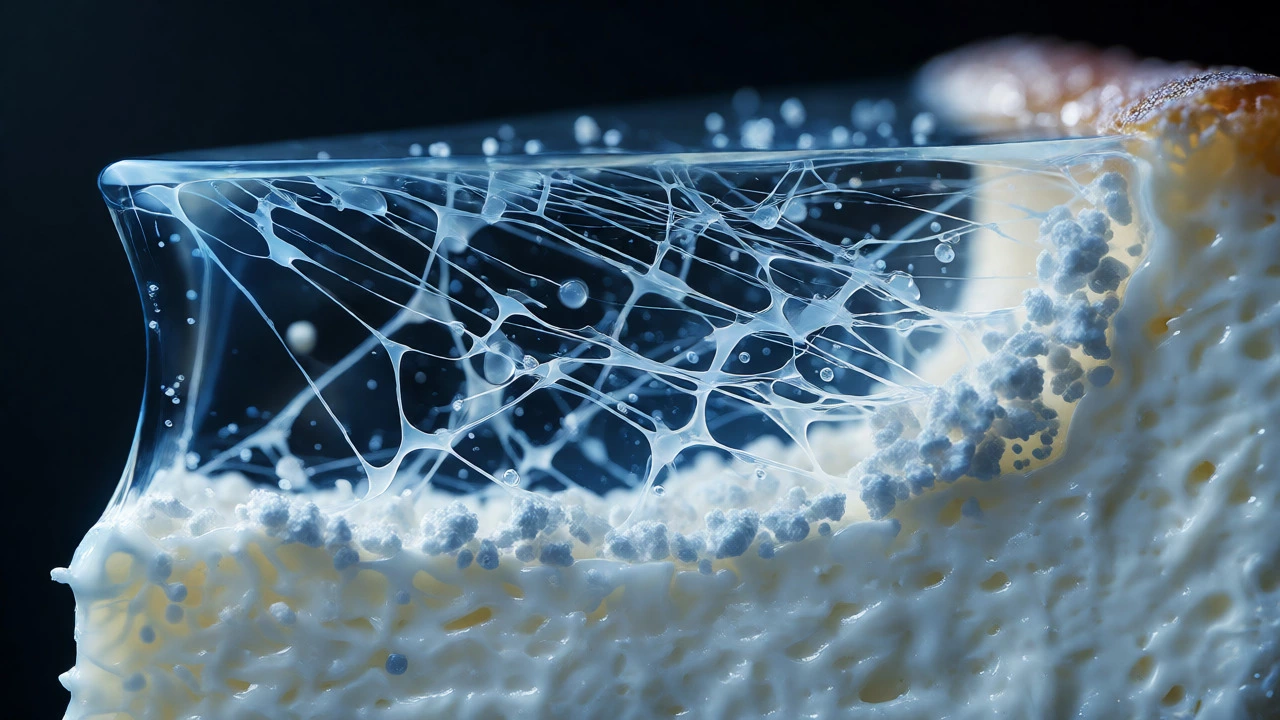
Think of your cheesecake batter as a suspension. You have fat (cream cheese), water (from the cheese and eggs), and protein (eggs). When heat hits this mix, the egg proteins coagulate. They form a net that traps the liquid. If that net gets too tight, you squeeze out whey-those little beads of water on top of your cake-and the texture turns spongy. Flour absorbs some of that free water and physically interrupts the protein chains. It prevents them from bonding too tightly.
This is why New York Cheesecakes often include 1-3 tablespoons of flour per 900g of cream cheese. It’s not enough to make it "cakey" in the traditional sense. It’s just enough to create a barrier between the egg proteins. The result? A slice that holds its shape perfectly but melts in your mouth instead of bouncing back at you.
Flour vs. Cornstarch: What’s the Difference?
You might see cornstarch in other recipes. Is it the same thing? Not quite. Both are starches, but they behave differently under heat and acid. Cream cheese is acidic. Acid affects how starches gelatinize. Cornstarch breaks down faster in acidic environments and high heat. If you use cornstarch in a long-baked cheesecake, it can lose its thickening power before the cake sets, leading to a softer, more pudding-like center that might collapse.
Wheat flour contains gluten-forming proteins (gliadin and glutenin) alongside starch. In the tiny amounts used in cheesecake, the gluten doesn’t develop significantly because you don’t overmix the batter. However, those proteins do add a slight structural integrity that cornstarch lacks. This makes wheat flour better for tall, baked cheesecakes that need to stand up without cracking. For no-bake cheesecakes, where there’s no heat to activate the starch fully, flour is rarely used. Gelatin does that job instead.
| Stabilizer | Texture Impact | Best For | Risk Factor |
|---|---|---|---|
| All-Purpose Flour | Firm, sliceable, slightly matte finish | New York Style, tall baked cakes | Can taste raw if underbaked |
| Cornstarch | Silky, glossy, pudding-like | Italian Ricotta, lighter styles | Breaks down in high acid/heat |
| No Starch | Dense, potentially rubbery, prone to cracks | Basque Burnt Cheesecake | High risk of cracking/splitting |
How Much Flour Should You Use?
More is not better here. If you treat cheesecake like a sponge cake and throw in half a cup of flour, you’ll end up with a bland, bready mess. The goal is subtlety. A good rule of thumb is 1 tablespoon of flour for every 8 ounces (approx. 225g) of cream cheese. So, for a standard 9-inch pan using 32 ounces of cheese, you’d use about 4 tablespoons (a quarter cup).
Some bakers swear by even less-just a teaspoon or two. This provides minimal stabilization but reduces the risk of a "raw" flour taste. If you’re worried about gluten or want a cleaner dairy flavor, try reducing the flour and lowering your oven temperature. Slow baking allows the eggs to set gently without needing as much chemical interference.
The Flavor Trade-Off
Does flour change the taste? Yes, but usually only if you use too much or underbake the cake. Raw wheat flour has a distinct, chalky flavor. Because cheesecakes are often baked low and slow (around 150°C / 300°F), the center stays moist. If the internal temperature doesn’t reach at least 70°C (160°F), the starch granules won’t fully gelatinize. You’ll taste that rawness.
To avoid this, always check the internal temp. Insert an instant-read thermometer into the center. It should read between 70°C and 75°C. At this point, the flour is cooked through, but the eggs haven’t curdled yet. If you prefer a stronger cheese flavor, consider substituting part of the flour with sour cream or heavy cream. These add richness without adding starchiness, though they offer less structural support against cracking.
Gluten-Free Alternatives That Actually Work
If you’re avoiding gluten, don’t just skip the stabilizer. You’ll likely get cracks. Instead, swap all-purpose flour for a neutral-tasting alternative. Almond flour adds nuttiness and fat, which complements cream cheese well, but it can make the crust soggy if not toasted first. Coconut flour is highly absorbent; use half the amount you would use for wheat flour.
A blend of rice flour and tapioca starch works surprisingly well. Rice flour provides body, while tapioca adds elasticity. Another option is potato starch. It creates a very smooth, almost mousse-like texture. Just remember: gluten-free flours often require more mixing to hydrate properly. Whisk your dry ingredients thoroughly into the wet mix before pouring into the pan.
Troubleshooting Common Issues
So, you added flour, but something went wrong. Here’s what’s likely happening:
- Cracks still appear: You probably overmixed the batter after adding the flour. Mixing incorporates air bubbles. When these expand in the oven, they push up the surface, then collapse as the cake cools, causing cracks. Mix until just combined.
- Gummy texture: Too much flour or insufficient baking time. The starch didn’t cook out. Next time, reduce the flour by half and extend the bake time by 10 minutes.
- Grainy crumb: This usually points to cold ingredients. Ensure your cream cheese and eggs are room temperature before mixing. Cold chunks don’t emulsify well, leaving pockets of uncooked starch and fat.
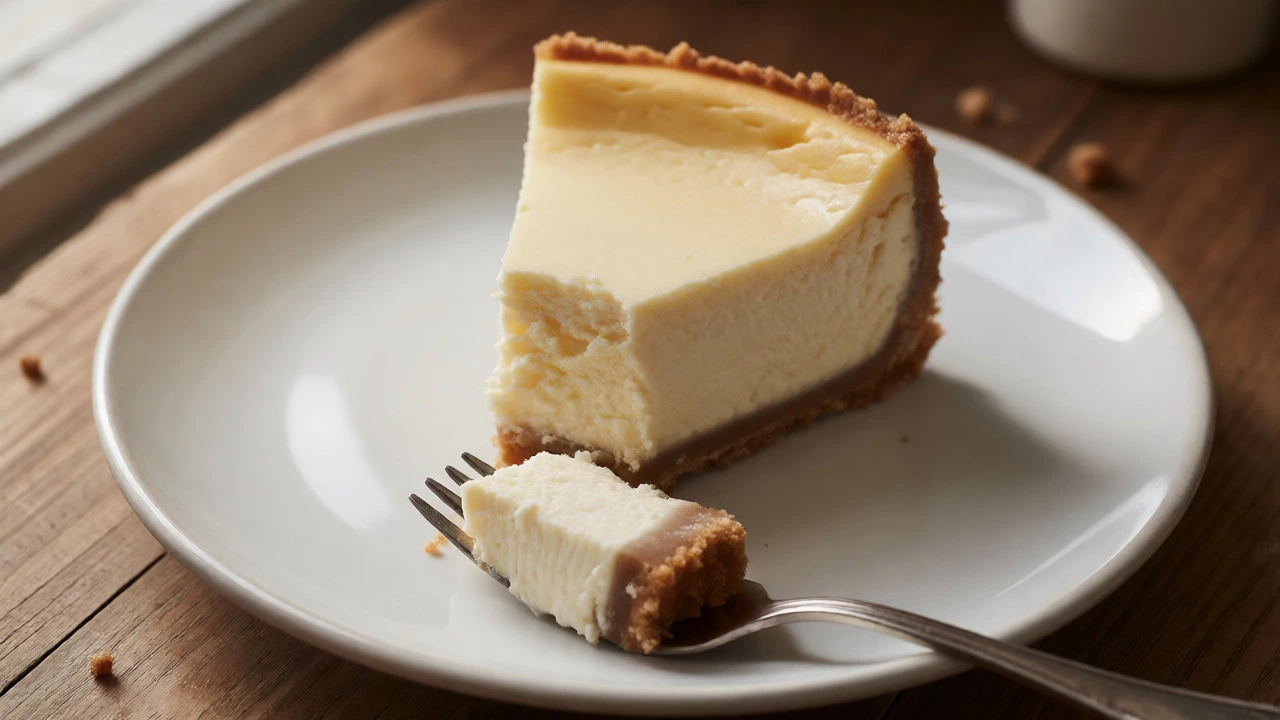
Adding flour to cheesecake isn’t about making it a cake. It’s about engineering a stable, crack-resistant, tender bite. Once you understand that the flour is a tool for controlling protein coagulation, you stop guessing and start baking with confidence. Try it in your next batch. Notice how the slice stands straight up on the plate, yet yields easily to your fork. That’s the magic of a few grams of starch.
Can I omit flour entirely from my cheesecake?
Yes, you can, especially if you are making a Basque burnt cheesecake or a very small individual portion. However, for large, classic baked cheesecakes, omitting flour increases the risk of cracking and a rubbery texture. If you must omit it, bake at a lower temperature and use a water bath to ensure gentle, even cooking.
Does flour make cheesecake taste like bread?
No, not if used correctly. The amount of flour used (typically 1-3 tablespoons) is too small to impart a bread-like flavor. It might leave a slight starchy note if the cheesecake is underbaked, but proper baking eliminates this. The primary taste remains dominated by cream cheese and sugar.
Is cornstarch better than flour for cheesecake?
It depends on the style. Cornstarch produces a smoother, glossier, and more pudding-like texture, ideal for Italian ricotta cheesecakes. Wheat flour provides more structure and helps prevent cracking in dense New York-style cheesecakes. Choose based on the desired final texture.
What type of flour is best for cheesecake?
Standard all-purpose (plain) flour is the most common choice. It has a moderate protein content that offers stability without becoming tough. Cake flour can also work for an even tenderer crumb, but it may require adjusting liquid ratios slightly since it absorbs less moisture.
Why did my cheesecake crack even though I used flour?
Cracking is often caused by overbeating the batter, which incorporates too much air, or by cooling the cheesecake too quickly. Flour helps stabilize the structure, but it cannot fix thermal shock. Always cool the cheesecake gradually in the turned-off oven with the door ajar.