Find Your Perfect Fudge Match
Not sure which global champion is for you? Answer these three questions to discover if you are a fan of dense, creamy American fudge or light, crumbly British fudge.
1. How do you like your texture?
2. What is your flavor craving?
3. When are you eating it?
Pro Tip for this style:
Walk into a gift shop in Halifax, and you will smell vanilla and chocolate before you see the display. Step into a boutique in London, and that same scent hits you, but the texture on your tongue is completely different. This is the great debate of confectionery: there is no single "world's best" fudge. Instead, there are regional champions, each fighting for the title with distinct textures, ingredients, and traditions.
If you are looking for the absolute peak of fudge perfection, you need to understand that "best" depends entirely on what you crave. Do you want something dense and creamy like butter? Or do you prefer a crumbly, melt-in-your-mouth experience? The answer lies in knowing the difference between American-style fudge and British-style fudge, and then mastering the technique to make it yourself.
The Great Divide: American vs. British Fudge
To find the world's best fudge, we first have to split the category in two. These two styles share a name, but they are chemically and texturally opposites. Understanding this distinction is the key to satisfying your specific craving.
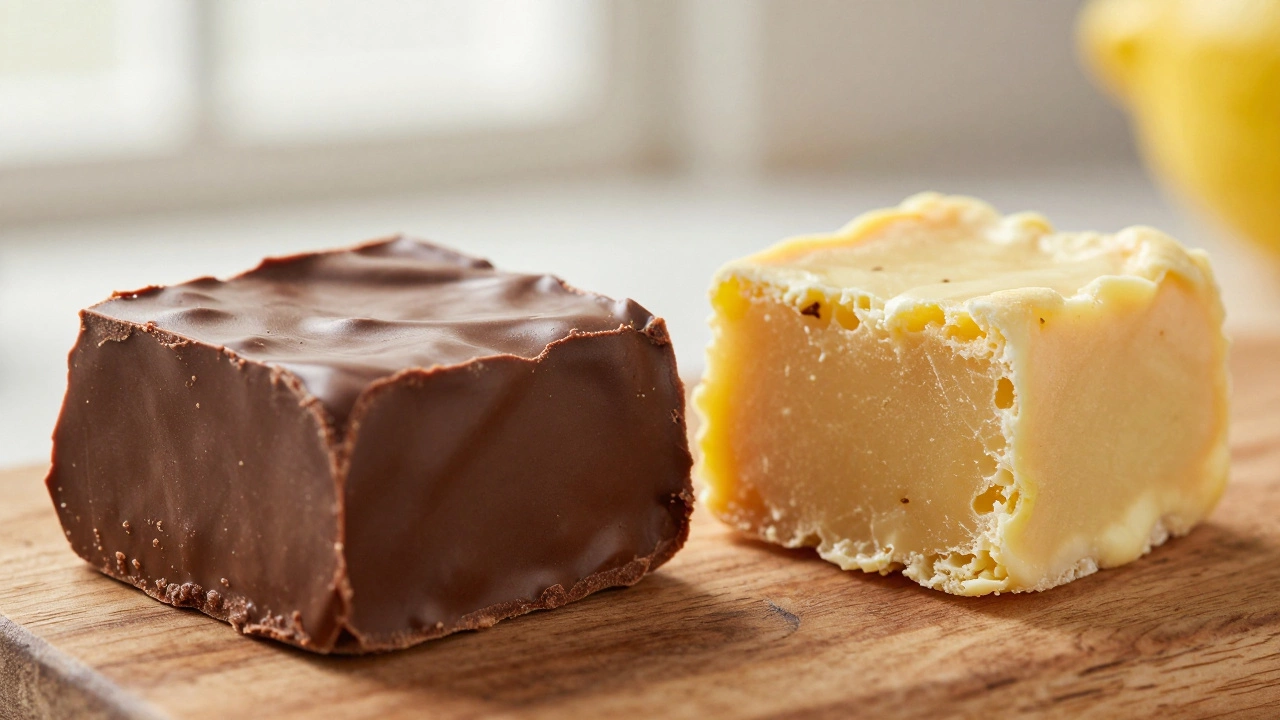
American Fudge is a smooth, creamy confection made by boiling sugar, milk, and butter to the soft-ball stage (234°F-240°F) and beating it until it thickens. It relies on the formation of tiny sugar crystals suspended in a fat matrix. When done correctly, it has a dense, almost chewy consistency that holds its shape but melts slowly on the tongue. Think of it as a cross between a truffle and a soft caramel.
In contrast, British Fudge is a lighter, crumbly treat made by boiling sugar, water, and cream, then adding butter and flavorings at the end without vigorous beating. It does not rely on crystallization in the same way. Instead, it sets into a porous, airy structure that dissolves instantly. If American fudge is a firm handshake, British fudge is a gentle whisper.
| Feature | American Fudge | British Fudge |
|---|---|---|
| Texture | Dense, creamy, smooth | Light, crumbly, porous |
| Key Ingredient | Milk or heavy cream | Cream and butter |
| Technique | Boil to soft-ball, beat vigorously | Boil to thread stage, stir gently |
| Mouthfeel | Chewy, rich | Melts instantly, airy |
| Common Flavors | Chocolate, peanut butter | Lemon, strawberry, mint |
The Contenders for "World's Best" Title
So, who takes the crown? Here are the top three contenders based on global popularity, historical significance, and sheer deliciousness.
1. The Classic Chocolate American Fudge
If you ask an American, the winner is obvious: classic chocolate fudge. This version is the gold standard for holiday gifts and bakery counters. The secret here is using high-quality cocoa powder or dark chocolate. The best versions use a combination of both-cocoa for depth and melted chocolate for gloss and richness. The texture should be so smooth that you can spread it with a knife, yet firm enough to cut into perfect squares. The addition of a pinch of salt elevates the sweetness, creating a balance that keeps you coming back for more.
2. Canadian Salt Water Taffy-Style Fudge
Halifax, Nova Scotia, claims to be the birthplace of fudge. Their style is unique because it often incorporates sea salt or is paired with salted caramel elements. This "salted" approach cuts through the intense sweetness of the sugar and butter. The result is a sophisticated treat that feels less like a childhood candy and more like a gourmet dessert. The texture is slightly firmer than standard American fudge, providing a satisfying snap when you bite into it.
3. British Lemon or Strawberry Fudge
For those who find chocolate too heavy, British fruit fudge is the ultimate contender. Imagine a cube of lemon curd frozen into a solid form. That is British lemon fudge. It uses fresh lemon juice and zest, which reacts with the cream to create a tangy, bright flavor profile. It is incredibly light and pairs perfectly with black tea. If you are a fan of floral notes, rosewater or lavender variations exist, but lemon remains the king of British fudge flavors.
How to Make Perfect Fudge at Home
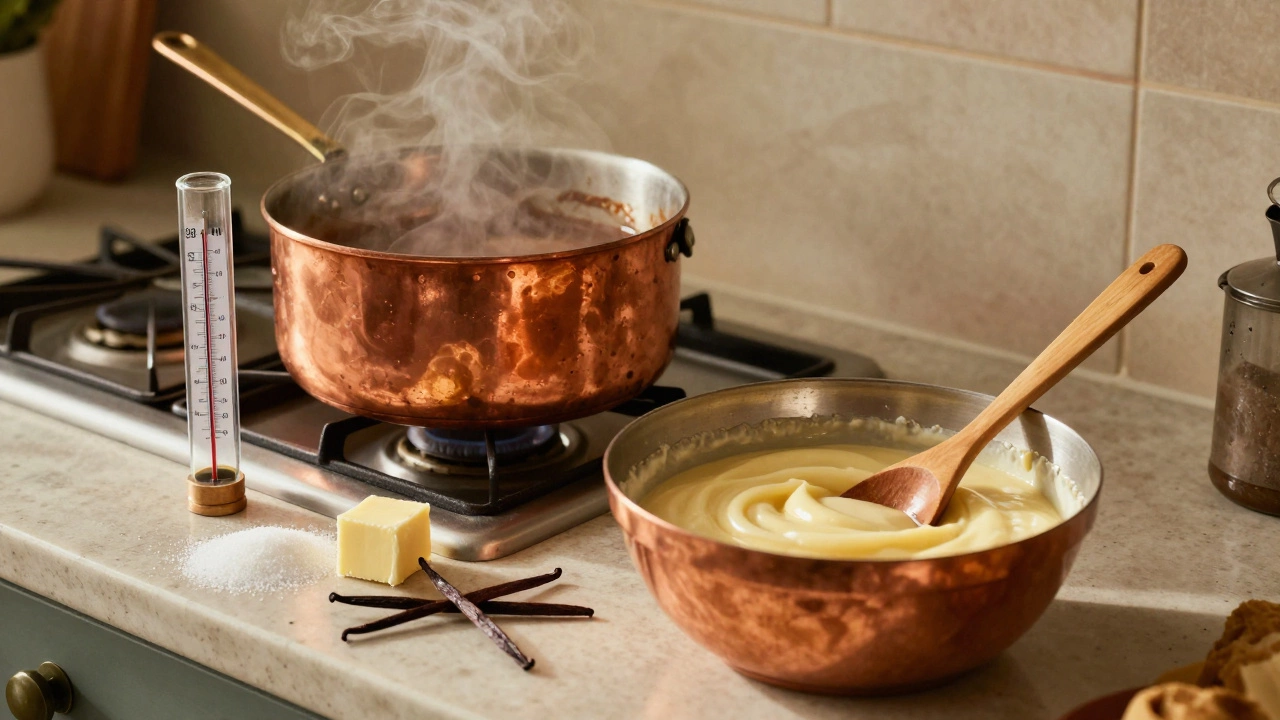
You do not need to buy fudge to enjoy the world's best version. You can make it in your kitchen. However, fudge is unforgiving. One degree off in temperature, and your fudge will be grainy or runny. Here is how to master the basic American chocolate fudge recipe.
Essential Tools
- Candy Thermometer: This is non-negotiable. Visual cues like the "soft-ball test" are helpful, but a thermometer gives you precision.
- Heavy-Bottomed Saucepan: Prevents scorching of the sugar mixture.
- Wooden Spoon: Metal spoons can scratch the pan and cause premature crystallization.
- 9x13 Inch Pan: Greased thoroughly with butter or lined with parchment paper.
The Basic Recipe
- Combine Ingredients: In a saucepan, mix 3 cups of granulated sugar, 1 cup of evaporated milk, ½ cup of unsalted butter, and 1 teaspoon of vanilla extract. Stir over medium heat until the sugar dissolves and the mixture comes to a boil.
- Monitor Temperature: Attach your candy thermometer. Boil the mixture without stirring until it reaches 234°F-240°F (the soft-ball stage). This usually takes 10-15 minutes. Do not touch the mixture during this time; stirring causes crystal formation.
- Add Flavorings: Remove from heat immediately. Stir in 6 ounces of semi-sweet chocolate chips and ¼ cup of heavy cream. Let the residual heat melt the chocolate. Stir until smooth.
- Beat the Fudge: Pour the mixture into a deep bowl. Beat with a wooden spoon or electric mixer for 10-15 minutes. The mixture will thicken, lose its gloss, and turn pale. This step creates the creamy texture by forming millions of microscopic sugar crystals.
- Set and Cut: Pour into the prepared pan. Let it cool at room temperature for 2-3 hours until firm. Cut into squares with a sharp knife dipped in hot water.
Troubleshooting Common Fudge Failures
Even experts mess up fudge sometimes. Here is how to fix the most common issues.
Grainy Texture: This happens when large sugar crystals form. It is usually caused by stirring the mixture while it boils or cooling it too quickly. To prevent this, add a tablespoon of corn syrup to the initial mixture. Corn syrup contains glucose, which interferes with sucrose crystallization, keeping the crystals small and the texture smooth.
Runny Fudge: If your fudge never sets, you did not cook it to the correct temperature. The sugar concentration was too low. Unfortunately, you cannot fix this batch easily. Your best bet is to reheat it with more sugar and water, bring it back to the soft-ball stage, and try again. Use this as a learning opportunity to trust your thermometer.
Hard Fudge: If your fudge is rock hard, you cooked it past the soft-ball stage into the firm-ball stage (250°F+). This makes a brittle candy rather than a creamy fudge. You can soften it by microwaving pieces for 10-second intervals, but the texture will never be quite right. Next time, remove the pan from heat as soon as the thermometer hits 234°F.
Elevating Your Fudge: Pro Tips
Once you have mastered the basics, you can experiment to create your own signature "world's best" fudge.
- Use Real Vanilla Bean: Replace vanilla extract with the scraped seeds of a real vanilla bean. The specks add visual appeal, and the flavor is far more complex and aromatic.
- Infuse the Butter: Before melting the butter, infuse it with spices like cinnamon, cardamom, or even espresso powder. This adds depth without altering the texture.
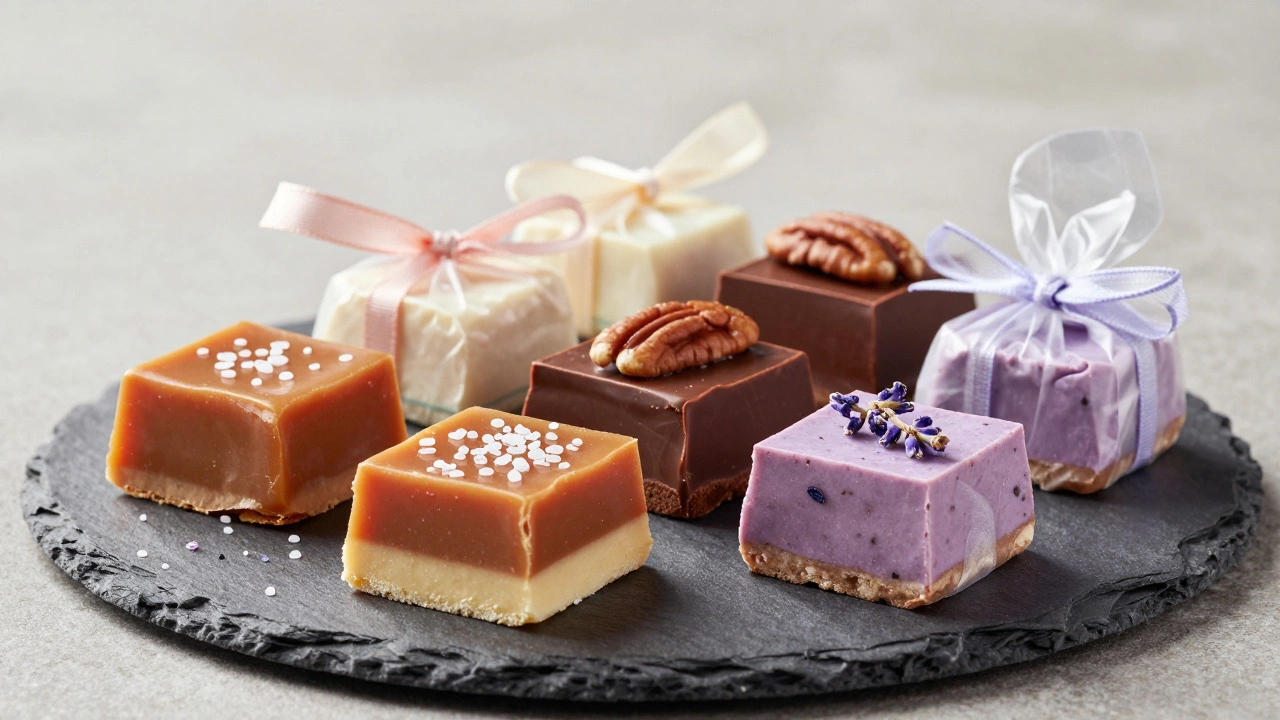
- Add Mix-Ins Carefully: Nuts, dried fruits, or cookie crumbs can be added after the beating stage. Fold them in gently to avoid deflating the airy structure. Toasted pecans are a classic pairing for chocolate fudge.
- Control Humidity: Sugar is hygroscopic, meaning it attracts moisture. Make fudge on a dry day. High humidity can prevent the fudge from setting properly or make it sticky. If you live in a humid climate, consider using a dehumidifier in your kitchen while cooking.
Storing and Gifting Fudge
Fudge is a popular gift because it travels well and looks professional. To keep it fresh, store it in an airtight container at room temperature for up to two weeks. For longer storage, freeze it. Wrap individual squares in plastic wrap, place them in a freezer bag, and freeze for up to three months. Thaw at room temperature before eating to restore the creamy texture.
When gifting, presentation matters. Use wax paper or cellophane to wrap individual pieces. Tie them with ribbon for a homemade touch. Include a note with the flavor and any allergen information, especially if you have added nuts.
What is the secret to smooth fudge?
The secret to smooth fudge is controlling crystal size. This is achieved by cooking the sugar mixture to the exact soft-ball stage (234°F-240°F) and avoiding stirring during the boiling process. Adding a small amount of corn syrup also helps prevent large crystals from forming, resulting in a silky texture.
Can I make fudge without a candy thermometer?
Yes, but it is riskier. You can use the "soft-ball test." Drop a small amount of the hot syrup into a glass of ice water. If it forms a soft ball that flattens when removed from the water, you have reached the correct temperature. However, a thermometer provides much greater accuracy and reduces the chance of failure.
Why is my fudge grainy?
Grainy fudge is caused by large sugar crystals. This usually happens if you stir the mixture while it is boiling, if sugar crystals form on the sides of the pan, or if you cool the mixture too quickly. To fix future batches, brush the sides of the pan with a wet pastry brush to dissolve any stray crystals, and avoid stirring during the boil.
What is the difference between fudge and caramel?
Fudge is primarily a sugar crystal suspension in fat, giving it a creamy, opaque appearance. Caramel is made by heating sugar until it melts and browns, creating a glossy, amber-colored candy. While both use sugar, butter, and cream, the cooking temperatures and chemical processes are different. Fudge is beaten to create texture, while caramel is poured and set.
How long does homemade fudge last?
Homemade fudge lasts up to two weeks at room temperature in an airtight container. For longer storage, you can freeze it for up to three months. Wrap individual pieces tightly to prevent freezer burn and odors. Thaw at room temperature before serving.