Brownie Storage Planner
There is nothing worse than pulling a batch of warm, gooey homemade brownies are dense, chocolatey baked squares made from flour, sugar, butter, eggs, and cocoa or melted chocolate out of the oven only to find them dry and crumbly two days later. You spent the time mixing, baking, and waiting for that perfect fudgy texture, so why would you let it go to waste? The truth is, most people store their brownies wrong. They throw them in the fridge without wrapping them properly, or they leave them on the counter where they turn into hard bricks.
Storing brownies isn't just about tossing them in a container. It’s about managing moisture and air exposure. If you get this right, your brownies can stay soft and delicious for up to a week at room temperature, or even months if you freeze them correctly. Let’s walk through exactly how to do it, step by step, so you never have to eat a stale brownie again.
The Golden Rule: Cool Completely Before Storing
Before we talk about containers, we need to address the biggest mistake bakers make: storing warm brownies. When you take the pan out of the oven, the brownies are still releasing steam. If you cover them while they are hot, that steam gets trapped inside the container. This condensation turns into water droplets that sit on top of your dessert, making the edges soggy and promoting mold growth within 24 hours.
Here is what you should do instead:
- Let them cool in the pan: Leave the brownies in the baking pan for about 10 to 15 minutes. This helps them set slightly so they don’t break when you move them.
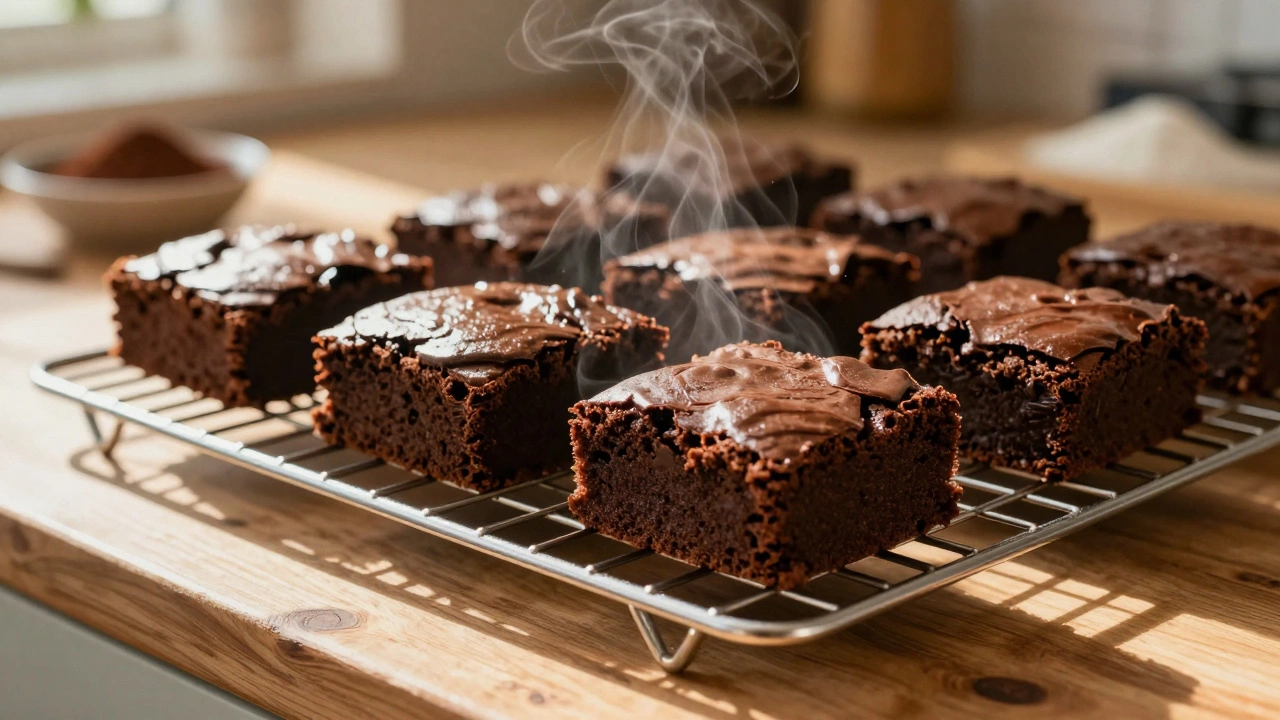
- Transfer to a wire rack: Move the brownies onto a wire cooling rack. This allows air to circulate underneath, cooling them evenly and preventing the bottom from getting damp.
- Wait until room temperature: Only once they feel cool to the touch should you think about covering them. This usually takes 30 to 60 minutes depending on the size of the batch.
If you skip this step, no amount of good packaging will save the texture. Moisture control starts with patience.
Room Temperature Storage: Best for Short-Term Enjoyment
If you plan to eat your brownies within three to five days, room temperature is actually the best place for them. Refrigeration can dry out baked goods because the cold air pulls moisture away from the surface. At room temperature, the fats in the butter and chocolate remain stable, keeping the crumb tender.
To store them correctly at room temperature:
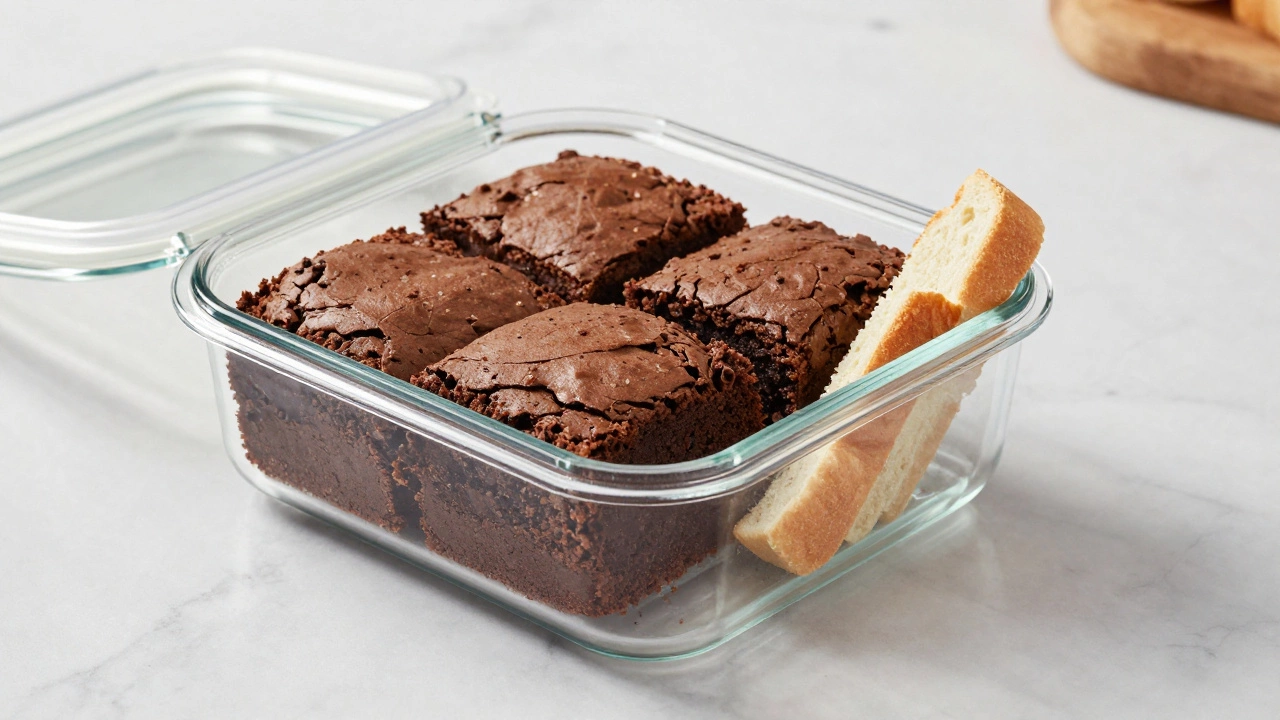
- Choose an airtight container: Use a plastic or glass container with a tight-fitting lid. A simple Tupperware works perfectly. Avoid loose covers like foil or plastic wrap alone, as air will eventually seep in.
- Add a moisture barrier: Place a sheet of parchment paper between layers if you are stacking them. This prevents the sticky bottoms from tearing off the tops.
- Keep them away from heat and light: Store the container in a cool, dark cupboard. Direct sunlight or proximity to the stove can cause the chocolate to bloom (those white streaks you see on old chocolate bars) and alter the flavor.
For extra freshness, some bakers add a slice of white bread to the container. The brownies absorb moisture from the bread, staying softer longer. It sounds strange, but it’s a classic bakery trick that works wonders for dense cakes and brownies.
Refrigerating Brownies: When Is It Necessary?
You might think the fridge is the safest bet for food preservation, but for plain brownies, it’s often unnecessary and sometimes harmful. However, there are specific scenarios where refrigeration is required.
If your brownies contain perishable fillings like cream cheese frosting, whipped cream, or fresh fruit, you must refrigerate them. These ingredients spoil quickly at room temperature and pose a food safety risk. Even then, you should consume them within three days.
If you live in a very hot and humid climate, refrigeration might help prevent melting or sogginess. In these cases, follow these rules:
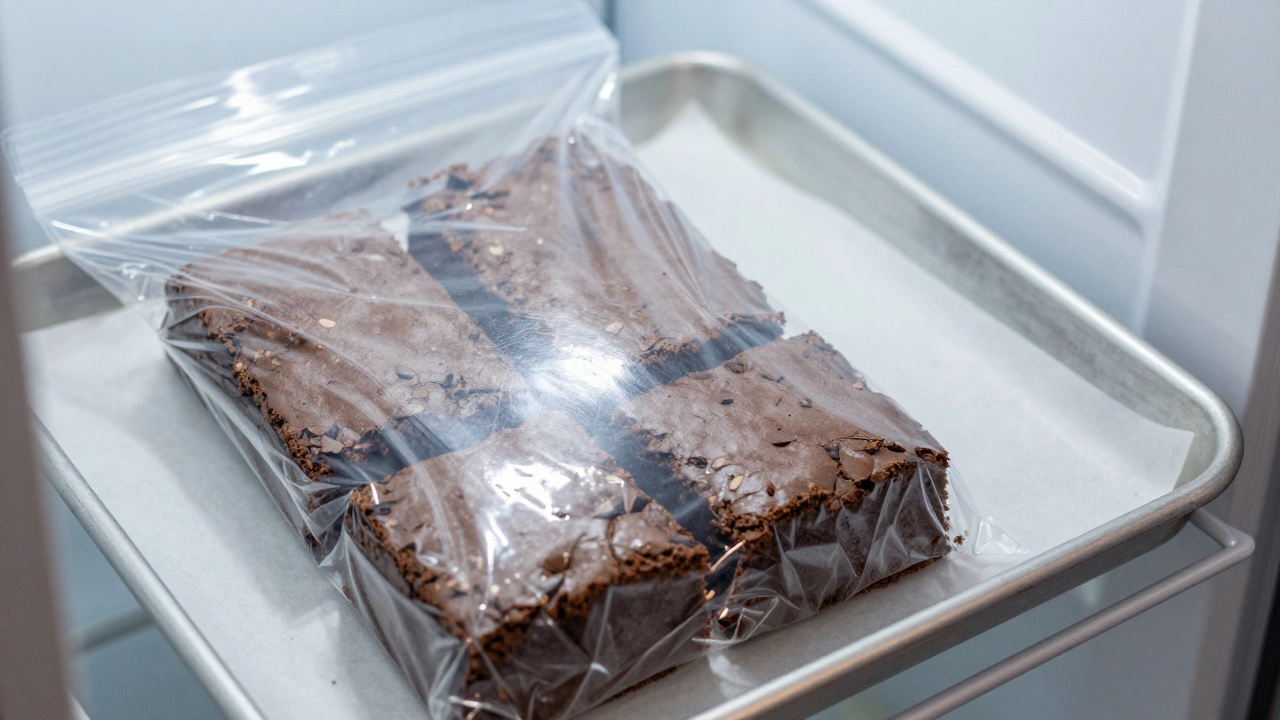
- Wrap tightly: First, wrap each brownie individually in plastic wrap. Then, place them in an airtight container. This double layer protects against fridge odors and drying out.
- Bring to room temperature before eating: Cold brownies lose much of their flavor and aroma. Let them sit on the counter for 15 to 20 minutes before serving. This warms up the fats, allowing the chocolate flavors to shine through again.
Plain brownies stored in the fridge can last up to one week, but they may lose some of their initial softness. If you notice them becoming dry, a quick microwave zap (10 seconds) can restore some pliability.
Freezing Brownies: The Long-Term Solution
Want to enjoy your baking for months? Freezing is the ultimate preservation method. Brownies freeze exceptionally well because of their high fat and sugar content, which protects the structure from freezer burn better than leaner baked goods like muffins.
Here is the proper way to freeze brownies for maximum quality:
- Cut them first: Slice the brownies into individual squares. It’s much easier to cut them now while they are firm than trying to thaw and cut a frozen block.
- Flash freeze: Place the cut brownies on a baking sheet lined with parchment paper. Put the sheet in the freezer for about an hour. This hardens them so they won’t stick together later.
- Package for storage: Wrap each brownie tightly in plastic wrap, then place them all in a heavy-duty freezer bag or an airtight freezer-safe container. Squeeze out as much air as possible from the bag to prevent freezer burn.
- Label and date: Write the date on the bag. Frozen brownies maintain best quality for 2 to 3 months. After that, they are still safe to eat but may start to develop off-flavors.
When you’re ready to eat, simply unwrap a brownie and let it thaw at room temperature for about 30 minutes. Alternatively, you can microwave it for 15 to 20 seconds for a warm, gooey treat. Just be careful not to overheat it, or it will become too runny.
Common Mistakes That Ruin Brownies
Avoiding errors is just as important as following the right steps. Here are the most common pitfalls that lead to stale or spoiled brownies:
- Using non-airtight containers: Glass jars with rubber seals or plastic containers with locking lids are ideal. Containers with loose-fitting lids allow air exchange, which dries out the brownies.
- Mixing different types of baked goods: Don’t store brownies with cookies or cakes that have different moisture levels. The drier item will steal moisture from the browner, or vice versa, ruining both textures.
- Ignoring condensation: If you take brownies out of the fridge or freezer, let them come to room temperature *before* opening the package. Opening cold, wrapped brownies causes condensation to form on the surface, making them soggy.
How to Tell If Brownies Have Gone Bad
Even with perfect storage, brownies have a shelf life. Knowing when to toss them is crucial for food safety. Look for these signs:
- Mold: Any visible fuzz, spots, or discoloration means the brownies are contaminated. Do not try to cut off the mold; discard the entire batch.
- Off smells: Fresh brownies smell like chocolate and vanilla. If they smell sour, rancid, or yeasty, the fats or eggs have gone bad.
- Texture changes: While dryness is a quality issue, extreme hardness or sliminess indicates spoilage. Sliminess is a sign of bacterial growth and requires immediate disposal.
Can I store brownies in the original baking pan?
It is not recommended for long-term storage. Metal pans can conduct temperature changes, leading to condensation. Plastic wrap directly on metal can also stick and tear the brownies. Transfer them to an airtight container for best results.
How long do brownies last in the fridge?
Plain brownies can last up to one week in the refrigerator if stored in an airtight container. Brownies with perishable toppings like cream cheese should be eaten within three days.
Do I need to thaw brownies before eating them?
Yes, for the best texture. Thaw them at room temperature for 30 minutes or microwave them briefly. Eating them straight from the freezer makes them hard and dulls the flavor.
Why did my brownies get hard after storing them?
Hardness usually comes from exposure to air or refrigeration without proper wrapping. Air draws out moisture, and cold temperatures solidify fats. Ensure you use airtight containers and bring them to room temperature before serving.
Can I freeze brownies with frosting?
Yes, but be careful. Frostings with dairy can separate upon thawing. Flash freeze the frosted brownies first to set the topping, then wrap tightly. Buttercream freezes well, but whipped cream does not.