Hidden Vegan Ingredient Checker
- Carmine / E120 Insect Dye
- Confectioner’s Glaze Insect Secretion
- Gelatin Animal Collagen
- White Sugar (US) Bone Char Filtered
You walk into a bakery, spot a beautiful chocolate truffle, and assume it’s safe because there are no obvious dairy or egg labels. You buy it, eat it, and later discover it contains beeswax or carmine. It happens more often than you think. Many foods that look plant-based on the surface actually hide animal-derived ingredients deep within their production process. This is especially true for sweets and baked goods.
For anyone following a strict vegan lifestyle, these hidden ingredients can be a nightmare. They aren’t just about ethics; they’re about trust. When you spend hours checking labels, you deserve to know exactly what you are putting into your body. The good news is that once you know what to look for, spotting these imposters becomes second nature. Let’s uncover the most common culprits hiding in plain sight.
The Shiny Coating: Shellac and Confectioner’s Glaze
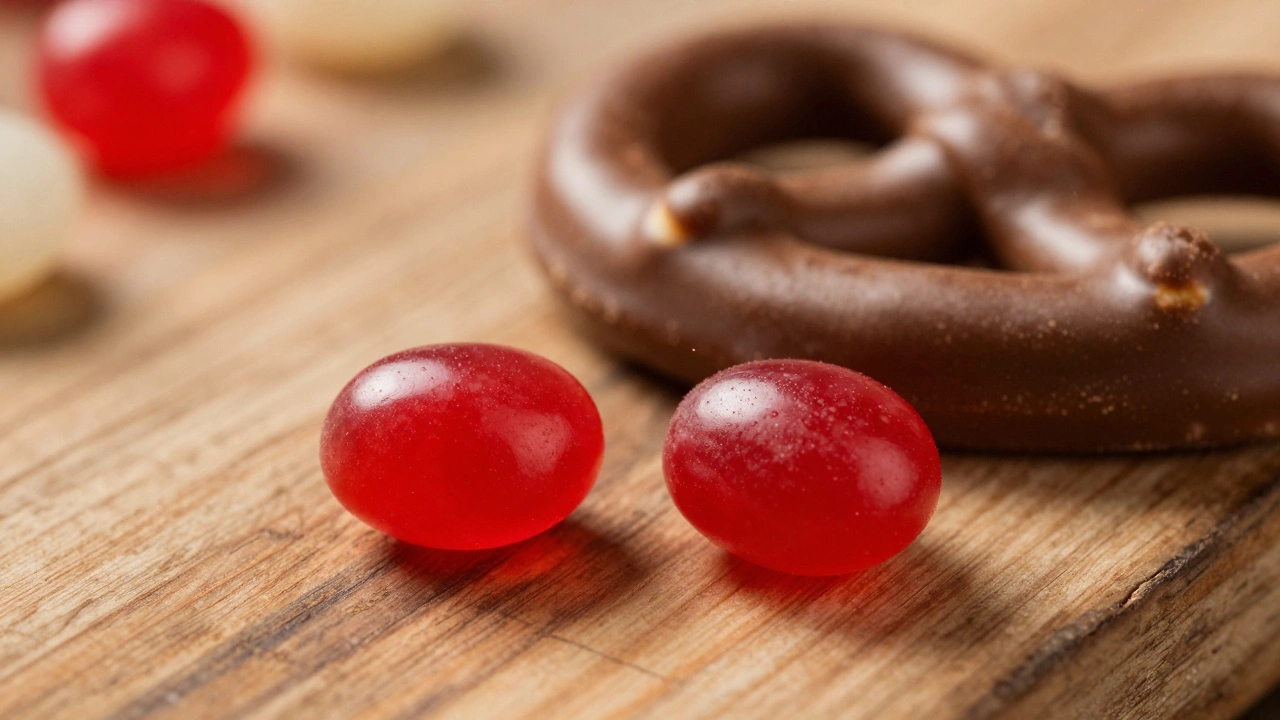
If you have ever eaten a jellybean, a licorice stick, or a shiny chocolate-covered pretzel, you have likely consumed Shellac, also known as confectioner’s glaze or resinous glaze. It gives candies that glossy, professional finish. But where does it come from? It comes from the lac insect, specifically Kerria lacca, which secretes a resinous substance when it feeds on tree sap. Workers harvest this secretion, clean it, and dissolve it in alcohol to create the glaze.
This ingredient is tricky because manufacturers rarely list "insect secretion" on the label. Instead, you will see E904 (in Europe) or simply "confectioner’s glaze." If you see either of those terms, put the candy back. The same goes for some hard-shelled chocolates and certain fruit snacks. While natural alternatives like carnauba wax exist, many mass-market brands stick to shellac because it is cheaper and provides a harder shine.
Red Dye from Crushed Bugs: Carmine
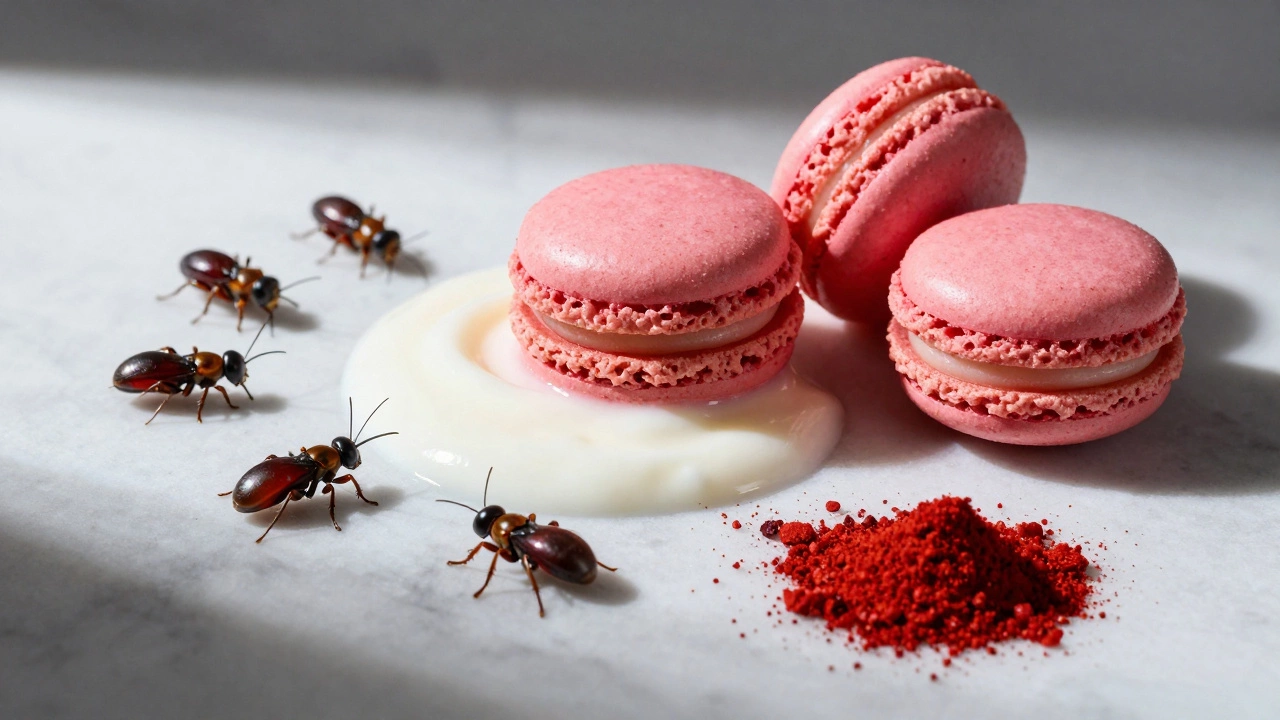
Next time you reach for a strawberry yogurt, a red velvet cupcake, or even a pink macaron, check the color additives. A vibrant red dye called Carmine, also known as cochineal extract or E120, is made by crushing cochineal insects. These tiny bugs live on cactus plants, and thousands of them are needed to produce just one pound of the dye. It is incredibly potent and stable, which is why food companies love it.
Carmine is not limited to red foods. It can appear in orange, pink, and even purple products. You might find it in sorbets, gummy bears, and energy drinks. In the UK and EU, it must be labeled as "E120" or "carmine," but in other regions, it might just say "natural color." If you want to avoid it, look for beet juice powder, turmeric, or annatto as safer, plant-based alternatives for coloring.
Sweeteners That Aren’t Always Plant-Based
We all know honey is off-limits for vegans because it comes from bees. But what about sugar? Most white sugar is fine, but some refined sugars use bone char from cattle to bleach the cane sugar white. This is mostly an issue with sugar produced in the United States. In the UK and much of Europe, sugar refining uses carbon filters instead, so standard supermarket sugar is usually vegan-safe. However, if you are buying imported American sweets, keep this in mind.
Another sweetener to watch is gelatin. It is everywhere in desserts. Jell-O, marshmallows, gummy bears, and even some ice creams use gelatin to give them that chewy or fluffy texture. Gelatin is derived from collagen found in animal skin, bones, and connective tissue. It is essentially boiled-down pig or cow parts. The vegan alternative is agar-agar, which is extracted from seaweed, or pectin, which comes from fruits like apples and citrus peels. Always check the label for "gelatin" or "collagen."
Dairy Disguises in Baked Goods
Bakeries are masters of disguise. You might think a cookie is vegan because it doesn’t contain eggs, but it could be loaded with butter or milk solids. Look out for whey, casein, lactose, and ghee. These are all dairy derivatives. Whey is the liquid part of milk that remains after curdling and straining. Casein is the main protein in milk. Lactose is milk sugar. Ghee is clarified butter.
Even worse, cross-contamination is a real risk. Many bakeries use the same equipment for dairy and non-dairy products. If you are highly sensitive to dairy or strictly ethical, look for certifications like the Vegan Society logo. Without certification, a "dairy-free" label does not always mean "vegan," as it might still contain honey or egg whites. Always read the full ingredient list, not just the front-of-pack claims.
Hidden Fish and Insects in Unexpected Places
Isinglass is a fining agent used in some beers and wines. It is made from the swim bladders of fish. While not a dessert ingredient per se, it often appears in celebratory toasts alongside cakes. If you are serving wine with a vegan cheesecake, ensure the wine is also vegan-fined. Similarly, some traditional vanilla extracts use alcohol that has been filtered through isinglass, though this is rare in modern commercial vanilla.
Then there is spongin, another sponge-derived ingredient occasionally used in high-end cosmetics and sometimes in specialty food thickeners. It is less common in everyday groceries but worth knowing about if you are exploring artisanal markets. The key takeaway is that filtration and clarification processes in food production often rely on animal products to make liquids clear and stable.
| Non-Vegan Ingredient | Source | Vegan Alternative |
|---|---|---|
| Shellac / Confectioner’s Glaze | Lac Insects | Carnauba Wax, Beeswax (non-vegan), Sunflower Wax |
| Carmine / Cochineal (E120) | Cochineal Insects | Beet Juice Powder, Turmeric, Annatto |
| Gelatin | Animal Bones/Skin | Agar-Agar, Pectin, Carrageenan |
| Honey | Bees | Maple Syrup, Agave Nectar, Date Syrup |
| Whey / Casein | Milk | Almond Milk, Soy Protein, Oat Milk |
How to Shop Smart for Vegan Desserts
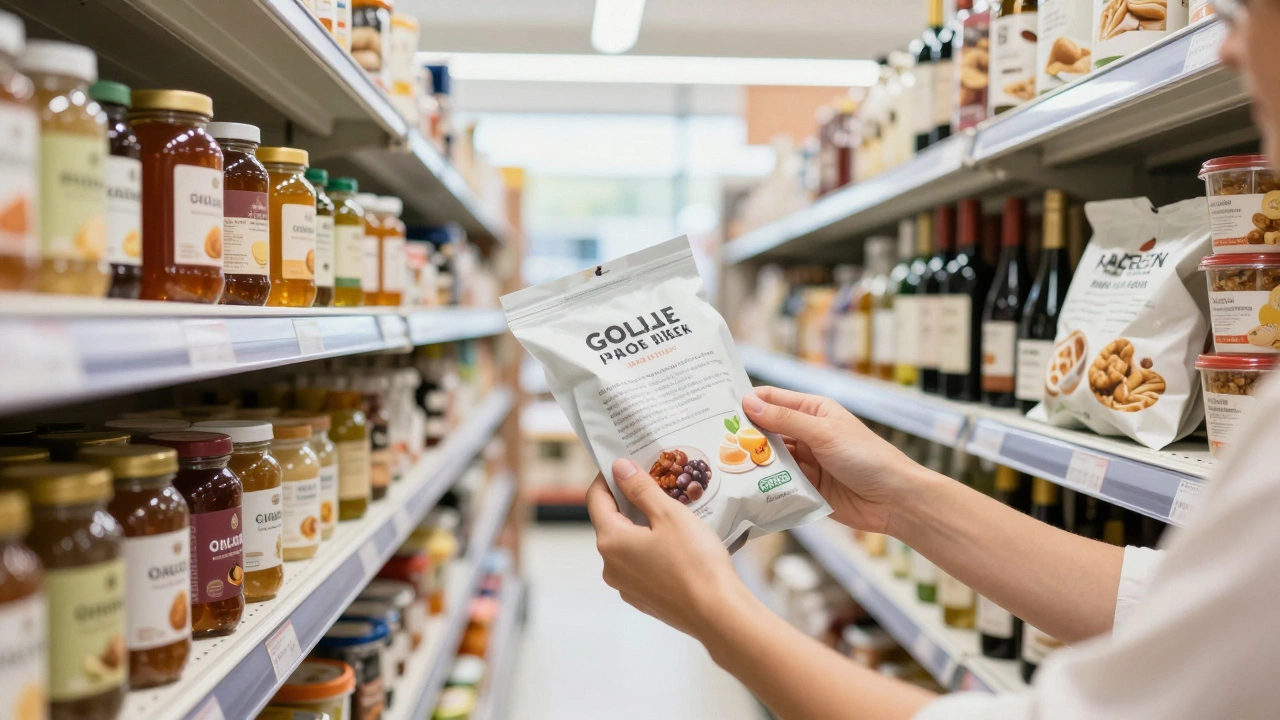
Reading labels is your best defense. Start by memorizing the big offenders: gelatin, shellac, carmine, and whey. Then, learn the aliases. For example, if you see "natural flavoring," it might contain dairy or meat derivatives. In the UK, allergens like milk and eggs must be highlighted in bold, which helps, but non-allergen animal products like gelatin do not get this treatment.
Use apps and databases. There are several reliable apps that scan barcodes and tell you if a product is vegan. They update frequently as companies change recipes. Another pro tip is to contact manufacturers directly. Many large brands publish vegan-friendly lists on their websites. Small local bakeries are usually happy to answer questions if you ask politely. Building a relationship with your local grocer can also help; they often know which suppliers use animal-derived fining agents.
Finally, consider making your own treats. Homemade vegan desserts are easier to control. You can substitute eggs with flax eggs or aquafaba, use coconut oil instead of butter, and choose pure maple syrup over honey. It takes practice, but the peace of mind is worth it. Plus, you can experiment with flavors without worrying about hidden shellac in the glaze.
Is all sugar vegan?
Not necessarily. Some refined white sugars are processed using bone char from cattle to remove color impurities. This is common in the US but rare in the UK and EU, where carbon filters are typically used. To be safe, look for organic sugar, beet sugar, or sugar labeled as "unrefined" or "raw," which are less likely to involve bone char.
What is the difference between gelatin and agar-agar?
Gelatin is made from animal collagen and melts at body temperature, giving a soft, jiggly texture. Agar-agar is derived from seaweed and sets at a higher temperature, creating a firmer, more brittle gel. When substituting agar for gelatin in recipes, you usually need less agar (about 1/4 to 1/3 the amount) and must boil it to activate its gelling properties.
Are all chocolate bars vegan?
No. Many dark chocolates contain milk fat or lecithin derived from soy or sunflower, which is fine, but some may include whey or milk solids. Additionally, some chocolate coatings use shellac for shine. Always check the ingredients list for milk, whey, casein, or confectioner’s glaze. Pure cocoa beans are naturally vegan.
Why is carmine used in food?
Carmine provides a bright, stable red color that does not fade easily under heat or light. It is preferred over synthetic dyes in "natural" food products. Because it is derived from insects, it is not suitable for vegans or vegetarians. Common sources include cochineal extract and E120.
How can I tell if wine is vegan?
Traditional wine fining agents include isinglass (fish bladder), egg whites, and casein. Vegan wines use clay, bentonite, or plant-based proteins for clarification. Look for a "vegan-friendly" label or check the winery’s website. Many major producers now clearly state if their wines are vegan.