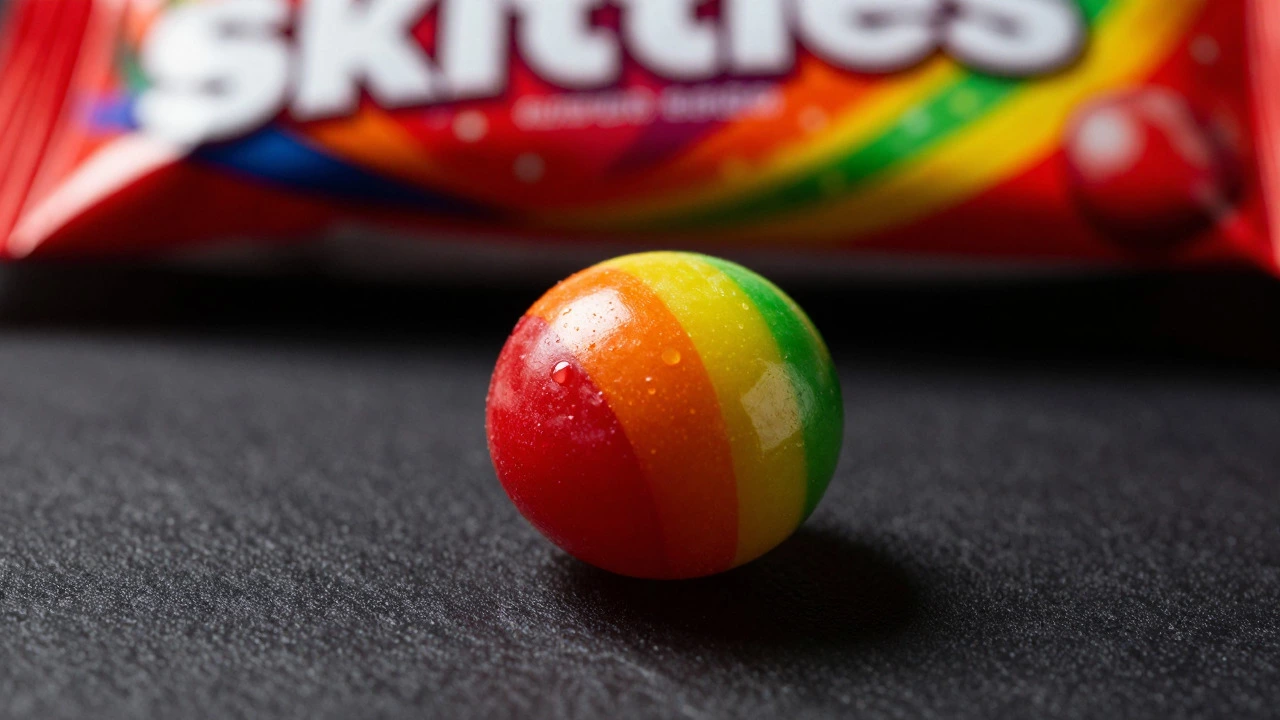
Candy Ingredient Vegan Checker
Select any ingredients found on your candy wrapper to see the vegan verdict.
You grab a bag of Skittles, that rainbow-colored staple of every party bowl and pocket. You’re trying to stick to your plant-based diet, so you check the label or do a quick search. The ingredients look mostly like sugar, corn syrup, and fruit juice. But then you see one word that stops you cold: confectioner’s glaze. Is it really necessary? Can you eat them?
The short answer is no. Despite what some older sources or casual internet comments might say, standard Skittles are not considered vegan by major organizations like PETA. The culprit isn’t gelatin (which many candies use), but rather a shiny coating derived from insects. If you want to know exactly why, what changed in recent years, and what you can eat instead, here is the full breakdown.
What Does PETA Say About Skittles?
People for the Ethical Treatment of Animals (PETA) is often the go-to resource for vegans checking if a product is cruelty-free. They maintain a massive database of food products. When you look up Skittles on their site, the verdict is clear: they are not vegan.
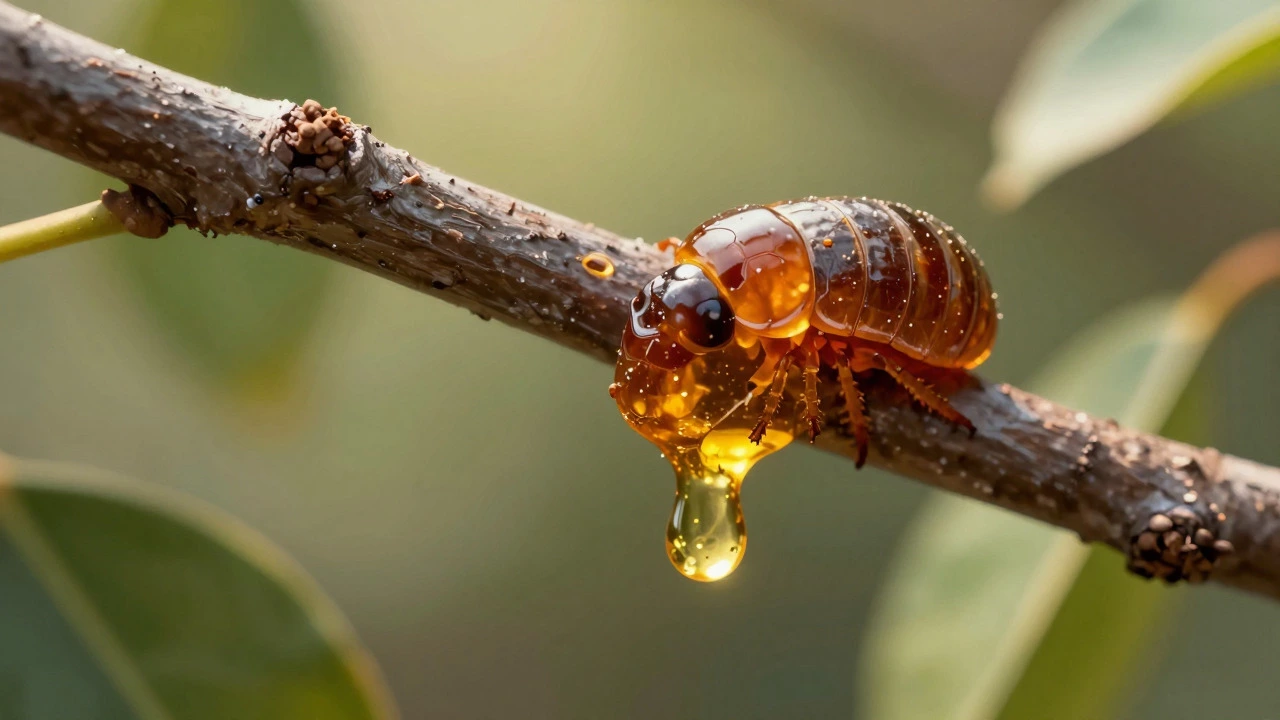
PETA points specifically to confectioner’s glaze (also known as shellac) as the dealbreaker. Shellac is a resin secreted by the lac insect, a tiny bug native to India and Thailand. To harvest it, these insects are farmed on trees, and the resin is scraped off. For strict vegans who avoid all animal exploitation, this insect-derived ingredient disqualifies the candy immediately.
It is worth noting that PETA’s list is updated regularly. In the past, there was confusion because Skittles removed gelatin from their recipe in many markets. Gelatin is made from boiling down animal bones and skin. Without gelatin, Skittles became *vegetarian* friendly in many regions, but they did not become fully vegan due to the shellac.
The Problem with Confectioner’s Glaze
Why do candy makers use shellac? It gives Skittles that signature glossy, hard shine. It acts as a sealant, keeping moisture out and flavor in. While natural alternatives exist, shellac is cheap, effective, and has been used in the food industry for decades.
Here is the tricky part: regulations vary by country. In the United States, the Food and Drug Administration (FDA) requires confectioner’s glaze to be listed on the ingredient label. In the European Union and the UK, it must also be declared. However, some manufacturers have started switching to plant-based waxes like beeswax (still not vegan) or carnauba wax (vegan) in specific regional recipes to appeal to broader markets.
If you are buying Skittles in the US, the box will almost certainly list "confectioner’s glaze" or "shellac." If you are in the UK or Europe, check the packaging carefully. Some limited-edition flavors or specific regional batches may differ, but the standard fruit-flavored bags usually contain the insect resin.
Other Hidden Non-Vegan Ingredients
Beyond the glaze, there are other potential pitfalls in mass-produced candy. Sugar processing is a common concern. In the US, white cane sugar is sometimes filtered using bone char (from cattle). While the final sugar contains no bone particles, the process involves animal products. Many vegans accept this gray area, while others seek out brands that explicitly state "unrefined with bone char" or use beet sugar.
Dairy is another hidden enemy. Some Skittles varieties, particularly those with creamy centers or chocolate coatings, contain milk derivatives. Even the standard fruit Skittles have historically had cross-contamination warnings for milk and soy. If you have a severe allergy, this matters. If you are strictly avoiding animal ingredients for ethical reasons, trace amounts are often debated within the community, but the presence of shellac makes the debate moot for most.
Regional Differences: US vs. UK vs. Global
Candy formulations change based on where they are sold. This is crucial for travelers or online shoppers.
| Region | Gelatin Status | Confectioner’s Glaze | Vegan Verdict |
|---|---|---|---|
| United States | Removed (since ~2014) | Present (Shellac) | Not Vegan |
| United Kingdom / EU | Varies by flavor | Often Present | Usually Not Vegan |
| Australia | Varies | Varies | Check Label |
In the UK, Mars Wrigley (the maker of Skittles) has faced pressure to remove shellac. Some newer packs may use different glazing agents, but you cannot assume safety without reading the back. Always look for the green leaf symbol or explicit "Vegan" certification if available, though Skittles rarely carry this third-party stamp.
What Should You Eat Instead?
If Skittles are off-limits, you don’t have to give up fruity, chewy, or colorful candy. There are plenty of vegan-friendly alternatives that taste just as good.
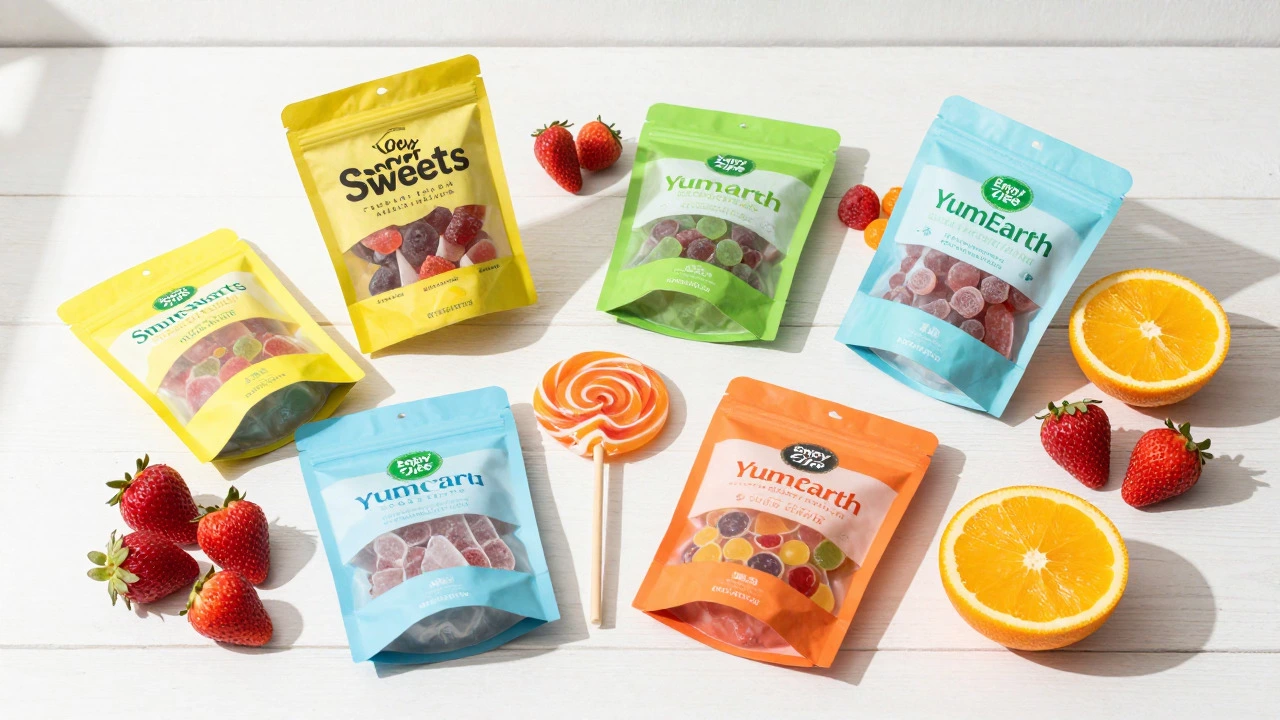
- SmartSweets: These offer low-sugar gummy bears and rings made with fruit juice and fiber, free from gelatin and shellac.
- YumEarth Organic Lollipops & Gummies: Certified vegan, organic, and free from artificial colors. A great direct swap for fruity chews.
- Enjoy Life Soft Chews: Free from top allergens and always vegan. Their fruit chews mimic the texture of Skittles well.
- Local Fruit Leather: Often found in health food stores, pure fruit roll-ups are naturally vegan and provide a similar tartness.
For homemade options, making your own fruit drops is easier than you think. Simmer fruit juice with agar-agar (a seaweed-based gelling agent) and sugar, then let them set. You control the ingredients, ensuring no insect wax ends up in your snack.
How to Read Candy Labels Like a Pro
To avoid accidental non-vegan purchases, learn the code words on ingredient lists. Manufacturers are required to list allergens, but non-allergen animal products can hide in plain sight.
- Look for "Gelatin": Found in gummies and marshmallows. Derived from pigs or cows.
- Look for "Confectioner’s Glaze" or "Shellac": The shiny coating on hard candies and some chocolates.
- Look for "Carmine" or "Cochineal Extract": A red dye made from crushed beetles. Common in red candies and drinks.
- Look for "Lecithin": Usually soy (vegan), but can be egg-derived. Check the source.
- Look for "Whey" or "Casein": Milk derivatives often hidden in "natural flavors" or as separate ingredients.
When in doubt, check the manufacturer’s website. Most major candy companies now publish detailed allergen and ingredient statements online. PETA’s website also offers a searchable database that updates frequently, which is safer than relying on memory or old blog posts.
Does One Ingredient Matter?
This is a personal choice. Some vegans avoid shellac strictly because it exploits insects. Others feel that since the insects aren’t killed during the harvesting process (they continue to produce resin), it is a gray area. However, mainstream veganism generally excludes all animal-derived ingredients, including honey, beeswax, and shellac.
If you are eating vegan for environmental reasons, the impact of shellac is negligible compared to the palm oil or dairy in other snacks. If you are eating for animal rights, avoiding shellac aligns with the principle of minimizing harm. Knowing the facts allows you to make the choice that fits your values best.
Are Skittles vegan in the UK?
Generally, no. Standard Skittles sold in the UK still contain confectioner’s glaze (shellac), which is derived from lac insects. Always check the specific packet, as formulations can change, but do not assume they are vegan without verifying the ingredient list.
Why are Skittles not vegan according to PETA?
PETA lists Skittles as non-vegan primarily because they contain confectioner’s glaze (shellac). This substance is a resin secreted by the lac insect. Although gelatin was removed from the recipe years ago, the insect-derived glaze remains in most standard varieties.
What is confectioner’s glaze made from?
Confectioner’s glaze, also known as shellac, is made from the secretions of the lac insect. These insects feed on tree sap and produce a hard resin that is harvested, purified, and used to give candies a shiny, protective coating.
Are any Skittles flavors vegan?
Currently, no standard Skittles flavor is certified vegan globally due to the presence of shellac. Some limited editions or regional variations might omit it, but you must read the label for every specific bag. Look for alternatives like YumEarth or SmartSweets for guaranteed vegan options.
Do Skittles contain gelatin?
Most standard Skittles sold in the US and UK no longer contain gelatin. The manufacturer switched to pectin or other plant-based thickeners for the fruit coating. However, the absence of gelatin does not make them vegan because of the confectioner’s glaze.