Global Cake Sales & Flavor Finder
Explore why simplicity often wins in the global cake market. Select a region or occasion below to see the top-selling cake and key insights.
The Undisputed King
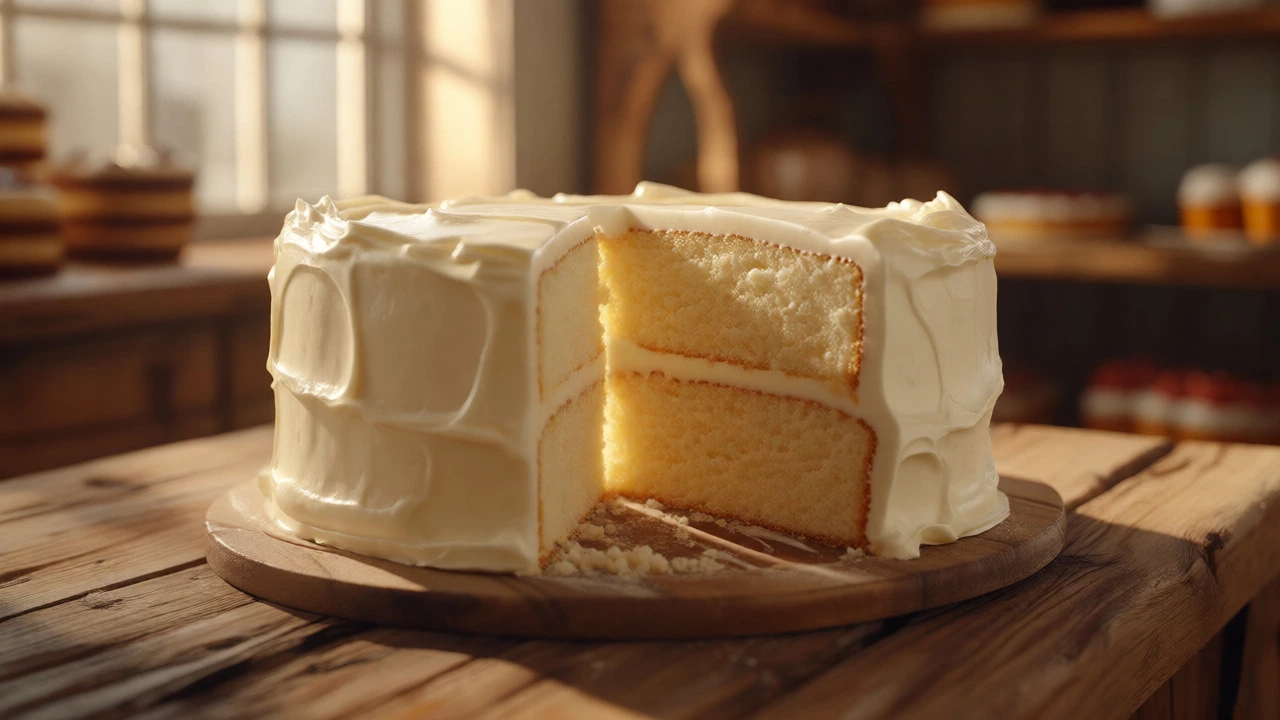
Vanilla sponge dominates global sales due to its versatility, low production cost, and appeal to all age groups. It serves as a blank canvas for various fillings and decorations.
Why It Sells:
- ✅ Cost-effective ingredients
- ✅ Long shelf life
- ✅ Appeals to picky eaters
Baker's Tip:
Regional Context
Globally, vanilla and yellow cakes outsell all other varieties combined. This is driven by everyday consumption habits rather than special occasions.
You walk into a bakery, or scroll through Instagram, and you see it everywhere. Vanilla sponge with buttercream. Chocolate mud cake. Red velvet. But if we strip away the marketing hype and look at actual sales data from supermarkets, bakeries, and online delivery services across the globe, one contender consistently rises to the top of the most sold cake list. It’s not always the fanciest, nor the most photogenic. Often, it’s the simplest.
Why does this matter to you? Maybe you’re a home baker trying to decide what to practice for your next market stall. Or perhaps you’re a business owner wondering which flavor will actually move inventory instead of gathering dust in the display case. Knowing the global best-sellers isn’t just trivia; it’s a cheat code for understanding universal taste preferences. Let’s break down exactly what people are buying, why they buy it, and how you can replicate that success in your own kitchen.
The Undisputed King: Why Vanilla Sponge Dominates Sales
If you had to bet money on the single highest-selling cake type worldwide, put your chips on the vanilla sponge. According to various retail analytics reports from major supermarket chains like Tesco, Walmart, and Carrefour, plain vanilla or yellow cake outsells all other varieties combined by a significant margin. This might seem boring to the adventurous eater, but there is a logical reason behind its dominance.
Vanilla Sponge is a light, airy cake made primarily from flour, sugar, eggs, and butter, typically flavored with vanilla extract. Its popularity stems from versatility and neutrality. Unlike rich chocolate or dense fruit cakes, vanilla provides a blank canvas. It pairs perfectly with almost any filling-strawberry jam, lemon curd, salted caramel, or fresh cream. When you sell a vanilla cake, you aren’t just selling a cake; you’re selling a base that appeals to children, adults, and picky eaters alike.
Think about birthday parties. How many times have you seen a generic "Happy Birthday" sheet cake? That’s usually vanilla. It’s cost-effective to produce because the ingredients are cheap and stable. It doesn’t require complex temperature control during baking like delicate meringues. For commercial bakers, high volume equals low risk. If a batch of red velvet doesn’t sell, it goes stale quickly. A vanilla sponge remains moist and acceptable for longer periods, reducing waste and increasing profit margins.
The Chocolate Contender: Indulgence vs. Accessibility
Close behind vanilla is chocolate. Specifically, Devil’s Food Cake and rich, moist chocolate layer cakes. While vanilla wins on sheer volume due to its ubiquity in everyday snacking, chocolate often commands higher price points and generates more emotional engagement. People don’t just eat chocolate cake; they crave it.
In the United States and parts of Europe, chocolate cake frequently ties with or even surpasses vanilla in specific seasonal spikes, such as Valentine’s Day or Christmas. The difference lies in the occasion. You buy vanilla for Tuesday afternoon tea. You buy chocolate for celebration. However, when looking at annual unit sales, chocolate still trails slightly behind vanilla simply because vanilla is consumed more casually. You’re less likely to order a slice of dark forest gateau with your morning coffee than you are a piece of vanilla pound cake.
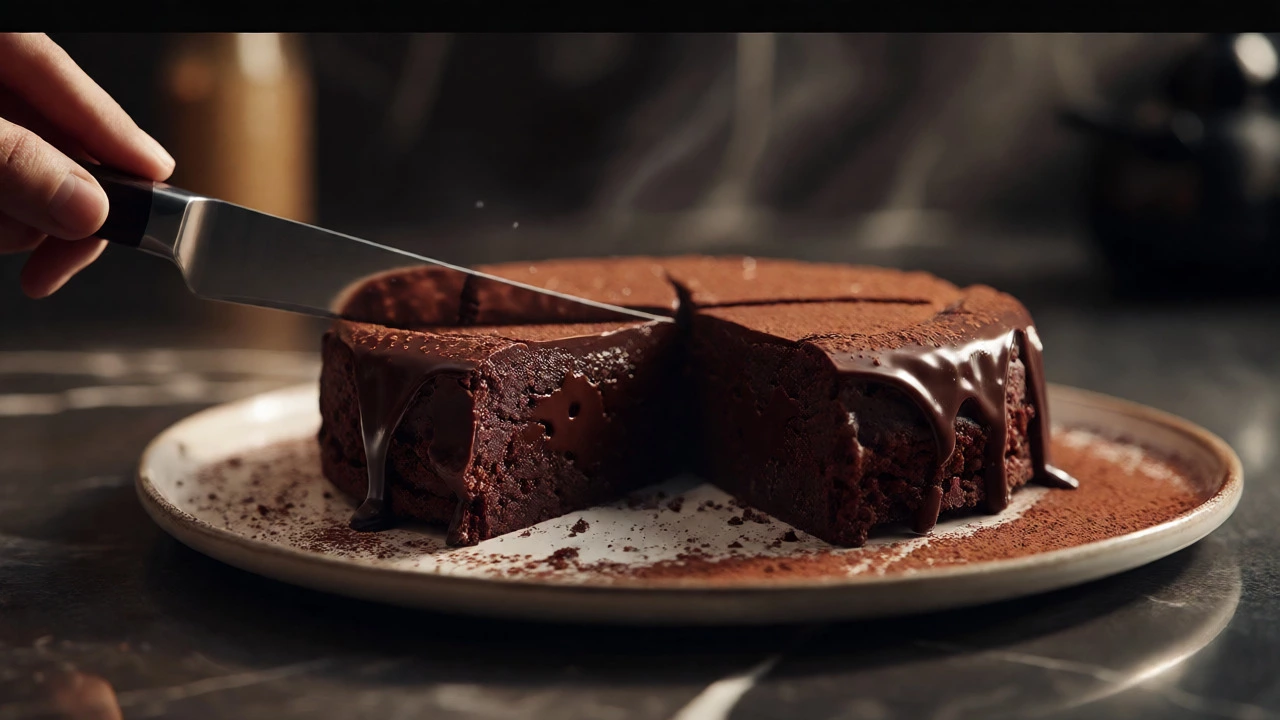
It’s also worth noting the rise of Chocolate Mud Cake, particularly in Australia and New Zealand. This dense, fudgy variant has become a cultural staple, often sold in slices rather than whole cakes. Its high sugar and fat content makes it incredibly shelf-stable and satisfying, contributing significantly to regional sales figures.
Regional Variations: What Sells Where?
Global averages hide local quirks. What flies off the shelves in Bristol might gather dust in Tokyo. Understanding these geographic differences helps if you’re targeting a specific audience.
| Region | Top Seller | Runner Up | Cultural Context |
|---|---|---|---|
| United Kingdom | Victoria Sponge | Carrot Cake | Afternoon tea tradition drives sponge sales. |
| United States | Yellow/Vanilla Cake | Red Velvet | Birthday culture favors neutral bases. |
| Germany | Schwarzwälder Kirschtorte | Käsekuchen (Cheesecake) | Cherry and cream combinations are traditional favorites. |
| Australia/NZ | Lamingtons | Pavlova | Portability and picnic culture favor coated cubes. |
| France | Gâteau au Chocolat | Tarte Tatin (often served as cake) | High-quality ingredients over elaborate decoration. |
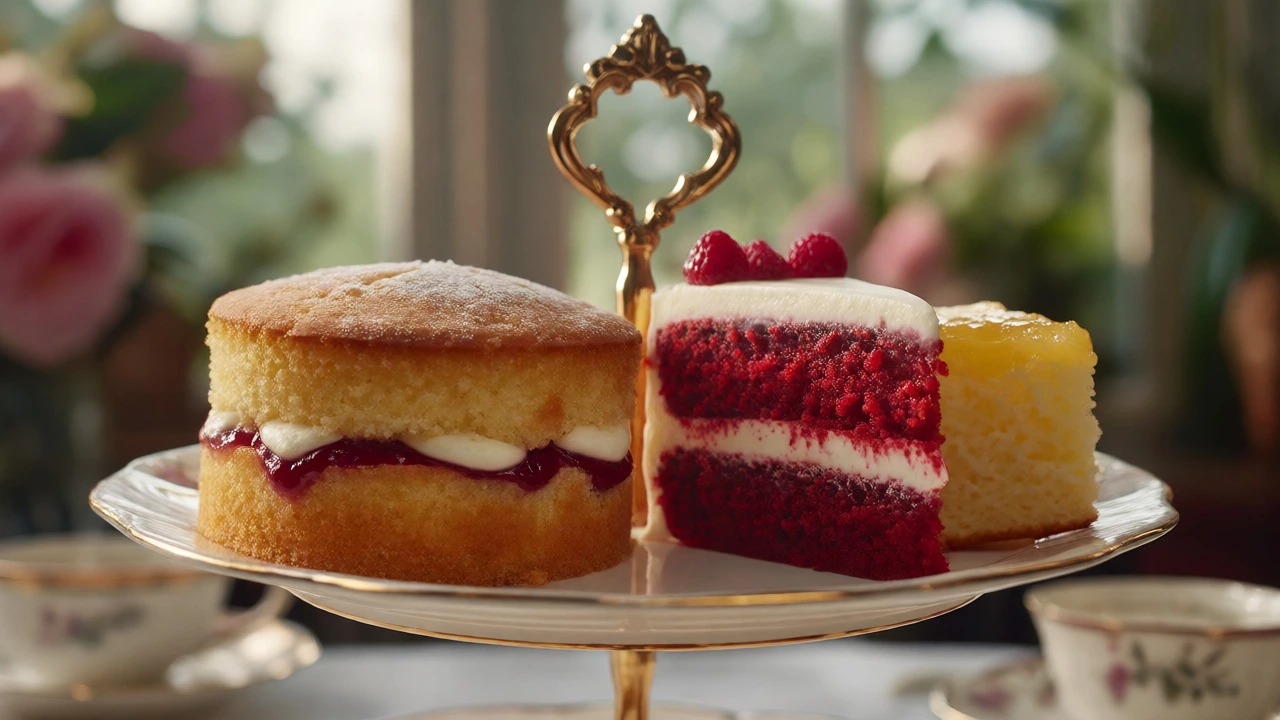
In the UK, for instance, the Victoria Sponge holds a special place. Named after Queen Victoria, who reportedly loved her afternoon tea, this two-layer sponge filled with raspberry jam and cream is a national icon. While globally, a generic "vanilla sponge" tops the charts, in British cafes, the Victoria Sponge is often the default choice for customers seeking comfort food. It’s essentially a refined version of the global leader, proving that localization matters.
Meanwhile, in Germany, the Black Forest Gateau (Schwarzwälder Kirschtorte) dominates festive occasions. It consists of layers of chocolate sponge cake, whipped cream, and cherries, soaked in kirsch (cherry schnapps). Its complexity requires skilled labor, meaning it’s rarely a mass-produced supermarket item compared to vanilla sheets, yet it remains the gold standard for quality bakeries.
The Rise of Nostalgia: Carrot Cake and Lemon Drizzle
If you think only basic flavors sell, look closer at the second tier of best-sellers. Carrot Cake and Lemon Drizzle Cake consistently rank in the top five across Western markets. These cakes benefit from nostalgia and perceived health benefits.
Carrot cake, despite being loaded with sugar and cream cheese frosting, feels virtuous because of the vegetable content. Parents feel better giving it to kids; adults feel less guilty eating it. In the US and UK, carrot cake sales spike during spring and Easter. Bakeries report that carrot cake often outperforms richer options like cheesecake on weekends when families visit cafés together.
Lemon drizzle cake enjoys similar status. The sharp acidity of the lemon cuts through the sweetness, making it refreshing rather than cloying. It’s a staple in British teashops and increasingly popular in American brunch spots. The key to its sales success is texture-the sticky, sugary crust created by the drizzle provides a sensory experience that plain icing cannot match.
Commercial Insights: Why Simplicity Wins
From a business perspective, the data tells a clear story: simplicity scales. Complex cakes like entremets or intricate sculpted cakes require specialized skills, expensive molds, and precise refrigeration. They are high-risk, high-reward products. Vanilla and chocolate sponges, however, are forgiving.
- Ingredient Stability: Flour, sugar, and cocoa powder have long shelf lives. Fresh fruit fillings spoil quickly.
- Production Speed: A vanilla sponge batter can be mixed in minutes using a stand mixer. Decorative piping takes time.
- Customer Expectations: Everyone knows what a vanilla cake tastes like. There’s no risk of disappointment. Trying a new flavor involves psychological friction for buyers.
This doesn’t mean innovation dies. It means innovation happens within familiar frameworks. Think of the explosion of Red Velvet in the early 2000s. It was marketed heavily as a unique product, but fundamentally, it’s a mild cocoa cake with cream cheese frosting. Its visual appeal (the bright red color) drove sales, but its flavor profile remained accessible. Today, while still popular, it has plateaued compared to its peak, showing that novelty fades, but classics endure.
How to Leverage Best-Seller Data in Your Baking
So, how do you use this information? If you’re starting a home baking business, don’t try to reinvent the wheel immediately. Start with the proven winners.
- Master the Base: Perfect your vanilla and chocolate sponge recipes. Ensure they are moist, not dry. Dryness is the number one complaint in reviews.
- Vary the Filling: Use the same base cake but rotate fillings. Monday: Raspberry Jam. Wednesday: Salted Caramel. Friday: Lemon Curd. This keeps regular customers interested without changing your production line drastically.
- Offer "Safe" Choices: Always have at least one gluten-free or vegan option that mimics the texture of the best-sellers. Many customers want the comfort of a vanilla cake but have dietary restrictions.
- Visual Appeal Matters: Even if it’s a simple vanilla cake, presentation sells. Clean edges, smooth frosting, and minimal garnish often outperform messy, over-decorated cakes in professional settings.
Remember, the goal isn’t just to bake what you love. It’s to bake what people will pay for. And right now, the world is paying for comfort, consistency, and familiarity.
Frequently Asked Questions
Is vanilla really the most sold cake in the world?
Yes, generally speaking. While exact global statistics vary by source, retail data consistently shows that vanilla-flavored sponge cakes, including yellow cakes and pound cakes, account for the largest share of cake sales worldwide. Their neutrality allows them to be used in countless applications, from birthday parties to casual snacking, driving higher volume than more niche flavors.
Why is chocolate cake so popular if vanilla sells more?
Chocolate cake is extremely popular because it offers a stronger, more indulgent flavor profile. While vanilla sells more units due to its everyday usability, chocolate often generates higher revenue per unit because consumers are willing to pay more for premium chocolate ingredients. Additionally, chocolate is the preferred choice for romantic occasions and holidays, creating significant seasonal sales spikes.
What is the most popular cake in the UK?
In the United Kingdom, the Victoria Sponge is widely considered the most iconic and frequently sold traditional cake. It aligns with the cultural tradition of afternoon tea. However, in terms of sheer volume in supermarkets, generic vanilla and chocolate sheet cakes often outsell specialty items like Victoria Sponge, though the latter remains the favorite in independent bakeries and cafes.
Do vegan cakes sell well?
Vegan cakes are a rapidly growing segment. While they may not yet match the total volume of traditional dairy-based cakes, their market share is expanding annually. The most successful vegan cakes mimic the texture and taste of vanilla and chocolate classics. Consumers prefer vegan options that don't compromise on moisture or flavor, so replicating the best-selling profiles is key to commercial success in this niche.
Which cake is easiest to sell for beginners?
For beginners, a simple vanilla or chocolate pound cake is the easiest to sell. These recipes are forgiving, require minimal equipment, and appeal to the widest audience. Because they are familiar, customers are less hesitant to buy them compared to exotic flavors. Once you master the base, you can introduce variations like lemon or spice cakes to attract repeat customers.