Birthday Cake Flavor Finder
Fill out the form and click the button to see your recommended cake flavor.
Walk into any bakery in London, New York, or Tokyo, and ask what sells best for birthdays. You might expect a fancy answer involving truffles or exotic fruits. But the reality is far simpler, and surprisingly consistent across borders. The chocolate cake remains the undisputed king of birthday celebrations globally. It isn't just a preference; it's a cultural default. Yet, if you look closer at the data from major bakeries and consumer surveys over the last few years, a fascinating hierarchy emerges behind that top spot. Vanilla holds its ground as the versatile runner-up, while flavors like red velvet and funfetti carve out specific niches based on age groups and regional tastes.
Why does this matter? Because choosing the wrong flavor can actually dampen the party vibe. Nobody wants to be stuck with a dry sponge when everyone else is digging into moist, rich layers. This guide breaks down exactly which flavors dominate different demographics, why they win, and how you can pick the right one for your next celebration without guessing.
The Undisputed Champion: Chocolate
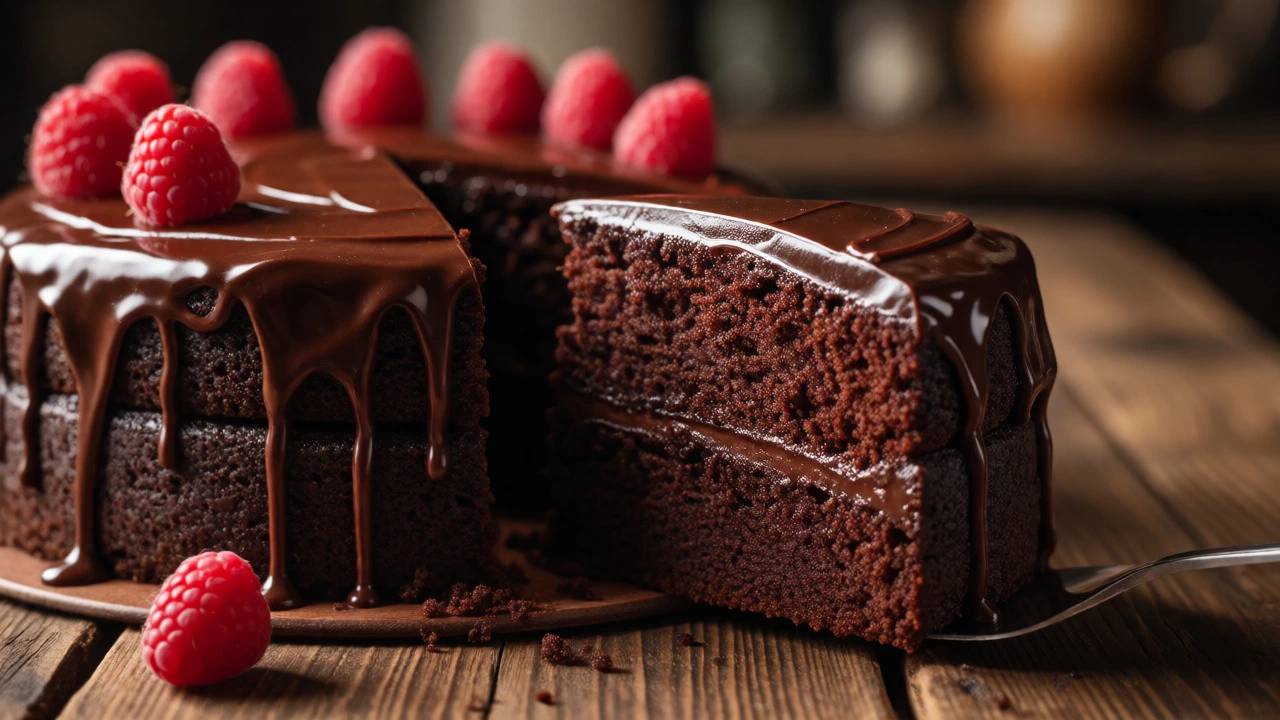
Let’s address the elephant in the room immediately. If you had to bet money on one flavor being served at a random birthday party this weekend, put it all on chocolate. Industry reports from major confectionery associations consistently place chocolate at the top of the list, often accounting for nearly 40% of all birthday cake orders in Western markets. Why? It comes down to universal appeal. Chocolate triggers dopamine release more reliably than almost any other food compound. It satisfies cravings for both sweet and bitter notes, making it palatable to children who want sugar and adults who appreciate depth.
But "chocolate" isn't a monolith. There are distinct variations that perform differently depending on where you live. In the United States, devil’s food cake-a richer, darker variant-often edges out standard milk chocolate. In Europe, particularly in the UK and France, lighter mousse-based chocolate cakes or those paired with ganache tend to prevail. The common thread? Moisture. Dry chocolate cake is the quickest way to lose points. Successful bakers know that adding sour cream, espresso powder, or even beetroot (which adds moisture without tasting like vegetables) keeps the crumb tender. If you're baking from scratch, don't skimp on the cocoa quality. Dutch-processed cocoa offers a smoother, less acidic taste that pairs well with buttercream frostings.
The Versatile Runner-Up: Vanilla
If chocolate is the loud rockstar, vanilla cake is the reliable session musician. It doesn’t demand attention, but everything sounds better with it. Vanilla consistently ranks second in popularity, largely because it acts as a perfect canvas. Unlike chocolate, which can overpower delicate fillings, vanilla allows other flavors to shine. Think lemon curd, berry compotes, or salted caramel. These combinations turn a simple vanilla sponge into a sophisticated dessert.
Here’s the trap many home bakers fall into: using cheap vanilla extract. Real vanilla bean paste or scraped pods make a massive difference in aroma and flavor complexity. Synthetic vanillin tastes flat compared to the hundreds of compounds found in real beans. When people say they "don't like vanilla," they usually mean they've only tasted bad vanilla. High-quality Madagascar Bourbon vanilla has floral, creamy notes that elevate the entire cake. Furthermore, vanilla appeals to a wider demographic than any other flavor. It’s safe for toddlers, acceptable for grandparents, and neutral enough for picky eaters. That versatility explains its staying power despite not having the intense punch of chocolate.
The Visual Winner: Red Velvet
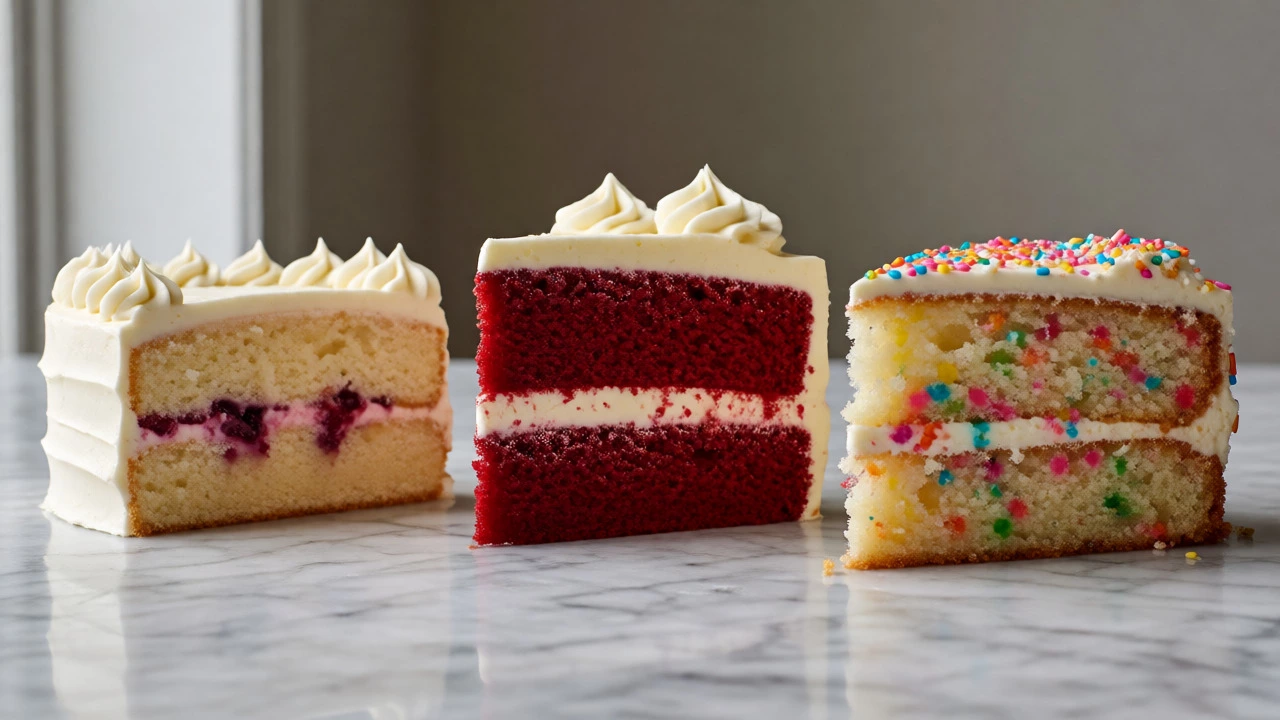
Red Velvet occupies a unique space. It’s technically a chocolate cake, but with added cocoa powder, vinegar, and buttermilk, giving it a tangy profile and a distinctive crimson hue. Its popularity skyrocketed in the mid-20th century and hasn’t slowed down since. Why do people love it? Mostly because it looks incredible in photos. In the age of Instagram and TikTok, visual appeal drives purchase decisions. A bright red slice against white cream cheese frosting is instantly recognizable and highly shareable.
However, red velvet divides opinion. Purists argue it’s just dyed chocolate cake. Critics find the cream cheese frosting too heavy. Yet, sales figures tell a different story. It remains a top-three choice for adult birthdays, especially for women aged 25-45. The tanginess of the buttermilk cuts through the richness of the frosting, creating a balanced bite. If you’re serving red velvet, ensure the frosting isn’t overly sweet. Adding a pinch of salt or a splash of lemon juice to the cream cheese mixture helps balance the sweetness, making it more appealing to adults who might otherwise skip dessert.
The Nostalgia Factor: Funfetti and Sprinkle Cakes
You haven’t truly celebrated a childhood birthday until you’ve eaten a funfetti cake. Also known as confetti cake, this is essentially vanilla batter studded with colorful sprinkles. It dominates the under-12 demographic. Data from party supply retailers shows that sprinkle cakes account for over 60% of children’s birthday orders in North America. Why? It’s playful. Kids love the surprise of finding sprinkles inside the cake, not just on top.
The trend has spilled over into adulthood recently. "Nostalgia baking" is huge right now. Adults are ordering funfetti cakes for their own 30th and 40th birthdays to recapture childhood joy. Bakeries have responded by offering gourmet versions with almond flour bases or high-end sprinkles made from natural colors. If you’re baking for kids, avoid artificial dyes if possible; some children react poorly to them. Natural alternatives like beet juice or turmeric work well. For adults, consider pairing funfetti with a brown butter frosting instead of standard vanilla. The nutty depth complements the playful texture without feeling childish.
Regional Preferences and Emerging Trends
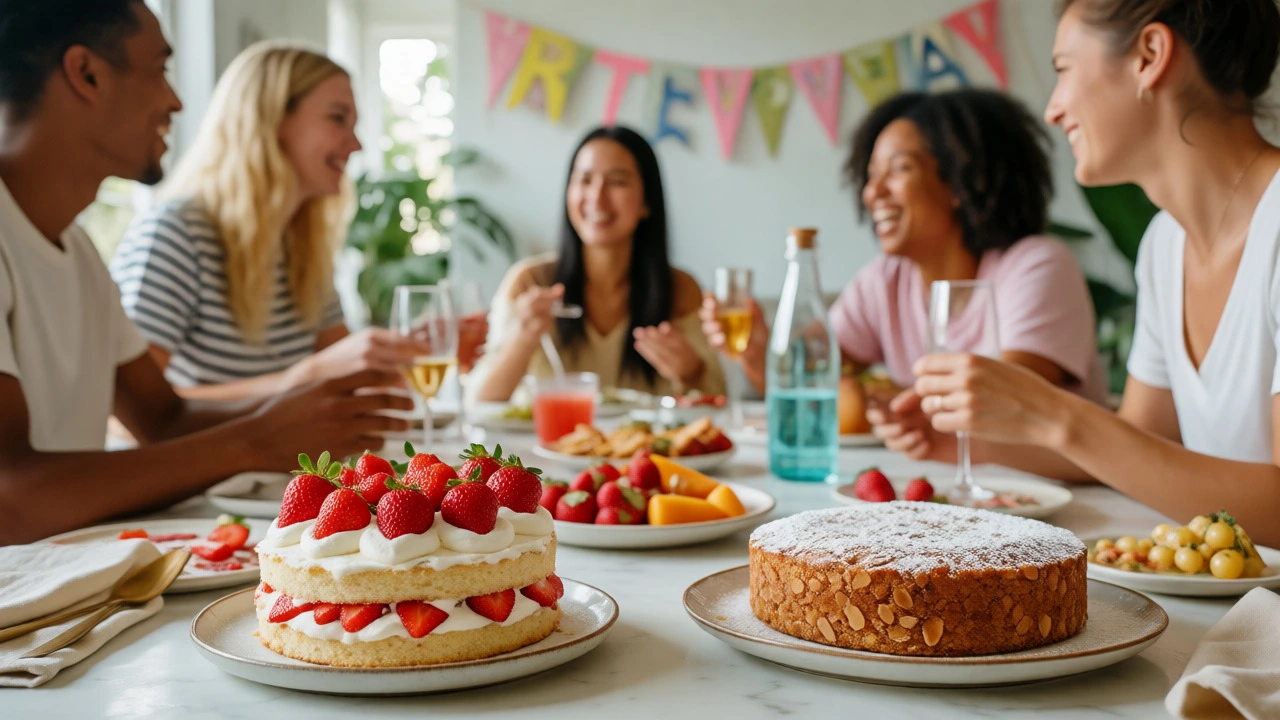
While chocolate and vanilla rule globally, local tastes vary significantly. In Japan, strawberry shortcake reigns supreme. It’s light, airy, and topped with fresh fruit rather than heavy icing. This reflects a cultural preference for subtle sweetness and fresh ingredients. In parts of Latin America, tres leches cake-a sponge soaked in three types of milk-is incredibly popular for birthdays due to its extreme moisture and richness.
In the UK, Victoria Sponge remains a classic choice, though it’s often seen as more traditional than trendy. However, there’s a growing shift toward healthier options. Gluten-free and vegan cakes are no longer niche; they’re mainstream. According to recent market research, sales of gluten-free birthday cakes grew by 15% year-over-year in 2025. This isn’t just about dietary restrictions; it’s about perceived health benefits. Almond flour cakes, coconut sugar sweeteners, and avocado-based chocolate frostings are gaining traction. They offer familiar flavors with cleaner ingredient lists. If you’re hosting a mixed crowd, having one gluten-free option ensures nobody feels left out, and often, these cakes are moister than their wheat-based counterparts.
| Flavor | Primary Audience | Key Attribute | Best Pairing |
|---|---|---|---|
| 1Chocolate | All Ages | Universal Appeal | Ganache, Raspberry |
| 2Vanilla | All Ages | Versatility | Berries, Salted Caramel |
| 3Red Velvet | Adults (25-45) | Visual Impact | Cream Cheese |
| 4Funfetti | Children & Nostalgic Adults | Playfulness | Vanilla Buttercream |
| 5Strawberry Shortcake | Global (Strong in Asia) | Freshness | Fresh Cream, Strawberries |
How to Choose the Right Flavor for Your Party
Don’t just pick the most popular flavor blindly. Consider the context. Is it a formal dinner or a backyard barbecue? Heavy chocolate cakes might feel too dense for a hot summer day outdoors. Lighter options like lemon or strawberry shortcake work better in warm weather. Conversely, rich chocolate suits cozy winter gatherings.
Think about your guests’ dietary needs early. If you know someone is diabetic, opt for a keto-friendly almond flour cake with stevia-sweetened frosting. If you have vegans attending, ensure the chocolate cake uses plant-based milk and oil. Many bakeries now offer custom tastings. Take advantage of this. Sample three flavors before committing. Often, the texture matters more than the flavor itself. A perfectly baked vanilla cake beats a mediocre chocolate one every time.
Finally, consider the presentation. Chocolate hides imperfections well. Vanilla shows every crack and uneven layer. If you’re not confident in your decorating skills, choose a flavor that forgives mistakes. Chocolate ganache drips cover sins nicely. Naked cakes require precision. Match the flavor to your skill level and the event’s formality.
Is chocolate cake really the most popular worldwide?
Yes, in most Western countries and increasingly in global markets, chocolate cake tops the list. Surveys from major bakery chains and consumer data consistently show it accounts for the largest share of birthday cake sales, often exceeding 35-40%. Its universal appeal stems from its ability to satisfy both sweet and savory cravings and its compatibility with various frostings.
Why is vanilla cake so popular if it's considered 'plain'?
Vanilla is popular because it is versatile and universally accepted. It serves as a neutral base that pairs well with almost any filling or topping, from fruits to nuts. Additionally, high-quality vanilla has complex floral notes that appeal to refined palates. It is also the safest choice for diverse guest lists with varying taste preferences.
What is the best birthday cake flavor for kids?
Funfetti (confetti) cake is overwhelmingly the favorite among children. The visual appeal of colorful sprinkles mixed into the batter makes it exciting. It is typically vanilla-based, which is mild and sweet, aligning with children's preference for sugary treats. Simple chocolate cake is a close second for older children.
Are there healthier alternatives to traditional birthday cakes?
Yes, gluten-free almond flour cakes, vegan cakes using aquafaba or flax eggs, and cakes sweetened with maple syrup or dates are becoming very popular. These options reduce processed sugars and allergens while maintaining flavor. Coconut flour and oat flour are also common substitutes that add fiber and nutrients.
Does the season affect birthday cake flavor choices?
Absolutely. Summer parties favor lighter, fruit-based cakes like lemon drizzle or strawberry shortcake, which feel refreshing in heat. Winter celebrations lean towards richer, denser flavors like chocolate, spice cake, or carrot cake, which pair well with warm beverages and provide comfort.