Luxury Cake Explorer & Comparator
Click on a cake below to reveal its secrets, or use the slider to estimate the cost of a custom luxury creation based on complexity.
Macanudo
Golden Phoenix
Fruit Tiramisu
Standard Luxe
Select a Cake
- Creator:
- Key Ingredients:
Why is it so expensive?
Custom Luxury Estimator
Estimate the cost of your dream cake by adjusting the complexity factors.
Estimated Price
*Base labor rate assumed at $50/hour + ingredient multipliers.
You might think a $50 birthday cake is steep. Then you see a slice of Macanudo, which costs more than a used car. It’s not just sugar and flour. These confections are engineering marvels wrapped in edible gold, diamonds, and pure hubris. If you’ve ever wondered what money actually buys when it hits the bakery display case, you’re in for a shock. The price tags aren’t typos. They reflect hours of labor, rare ingredients, and sometimes, literal gemstones baked into the frosting.
The Current Record Holder: A Diamond-Studded Dream
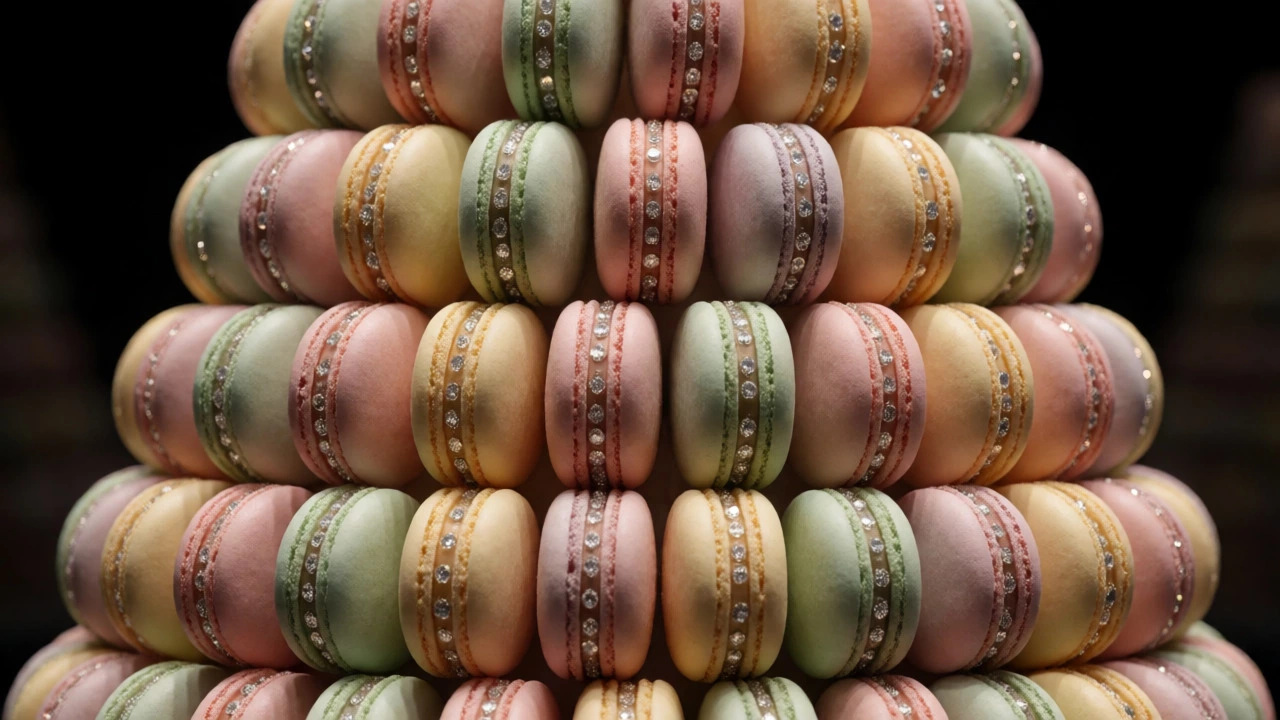
As of 2026, the title for the most expensive cake generally belongs to creations that blur the line between dessert and jewelry. While records shift with new attempts, one standout remains the benchmark: the Macanudo by chef Dario Lo Castro. This isn’t your standard vanilla sponge. It’s a towering structure made from thousands of macarons, filled with exotic creams, and adorned with over 3,000 Swarovski crystals and real diamonds. The price tag? A cool $75,000. That’s not per slice. That’s for the whole thing.
Why so high? You’re paying for the craftsmanship. Each macaron shell must be perfect. One crack ruins the aesthetic. The filling uses premium pistachios from Sicily and chocolate sourced directly from single-origin cacao farms. But the real kicker is the decoration. Embedding edible diamonds requires specialized adhesives and careful placement to ensure they don’t shatter under the weight of the cake itself. It’s less about eating and more about displaying wealth at a gala or a royal wedding.
Gold Leaf and Gourmet Ingredients: The Classic Luxury
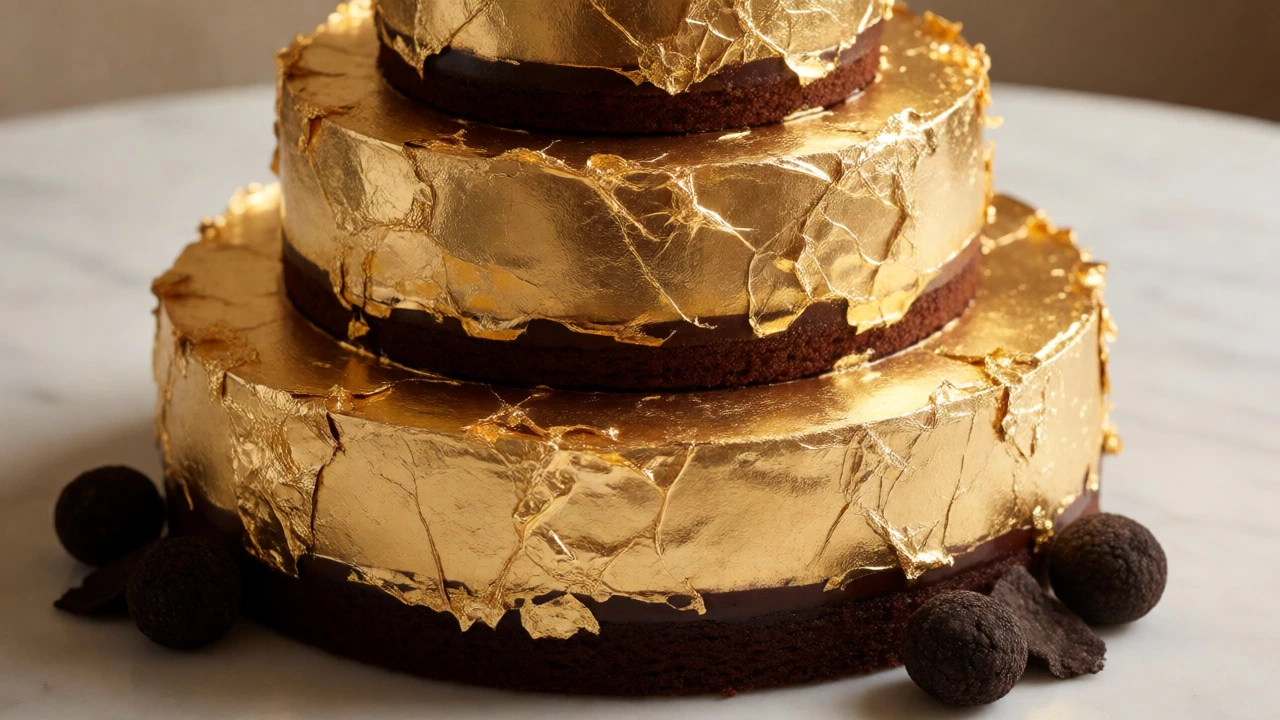
Before diamonds became trendy, gold was the ultimate flex. Edible gold leaf has been used in high-end patisserie for centuries, but modern versions take it to extremes. Consider the Golden Phoenix. This creation features layers of dark chocolate ganache infused with truffles from Alba, Italy, and is coated entirely in 24-karat edible gold. The cost hovers around $15,000 to $20,000 depending on the size.
Here’s the thing about gold: it doesn’t taste like anything. It adds no flavor profile. So why pay for it? Texture and status. Gold leaf provides a subtle crunch if applied thickly enough, but mostly, it signals exclusivity. When you serve this cake, you’re telling guests that budget wasn’t a constraint. The base ingredients matter too. Regular butter won’t cut it. We’re talking French Isigny Sainte-Mère butter, known for its higher fat content and nutty finish. The eggs? Often organic, free-range, and sometimes even colored orange due to specific diets, adding richness to the batter.
| Cake Name | Approximate Price (USD) | Key Ingredients | Creator/Origin |
|---|---|---|---|
| Macanudo | $75,000 | Macarons, Diamonds, Crystals | Dario Lo Castro (Italy) |
| Golden Phoenix | $18,000 | Truffles, Gold Leaf, Dark Chocolate | Various High-End Patisseries |
| Fruit Tiramisu | $1,000 - $2,000 | Saffron, Exotic Fruits, Mascarpone | Custom Bakeries |
| Standard Luxury | $500 - $1,000 | Premium Butter, Vanilla Bean, Silk | Boutique Shops |
What Actually Drives the Cost?
It’s easy to assume the ingredients alone justify the price. They don’t. Even the most expensive vanilla bean costs pennies compared to the labor involved. Let’s break down the cost structure of a luxury cake.
- Labor Hours: A simple layer cake takes two hours. A sculpted masterpiece like the Macanudo can take 100+ hours. Chefs work in shifts, often sleeping next to the cooling racks to monitor temperature fluctuations.
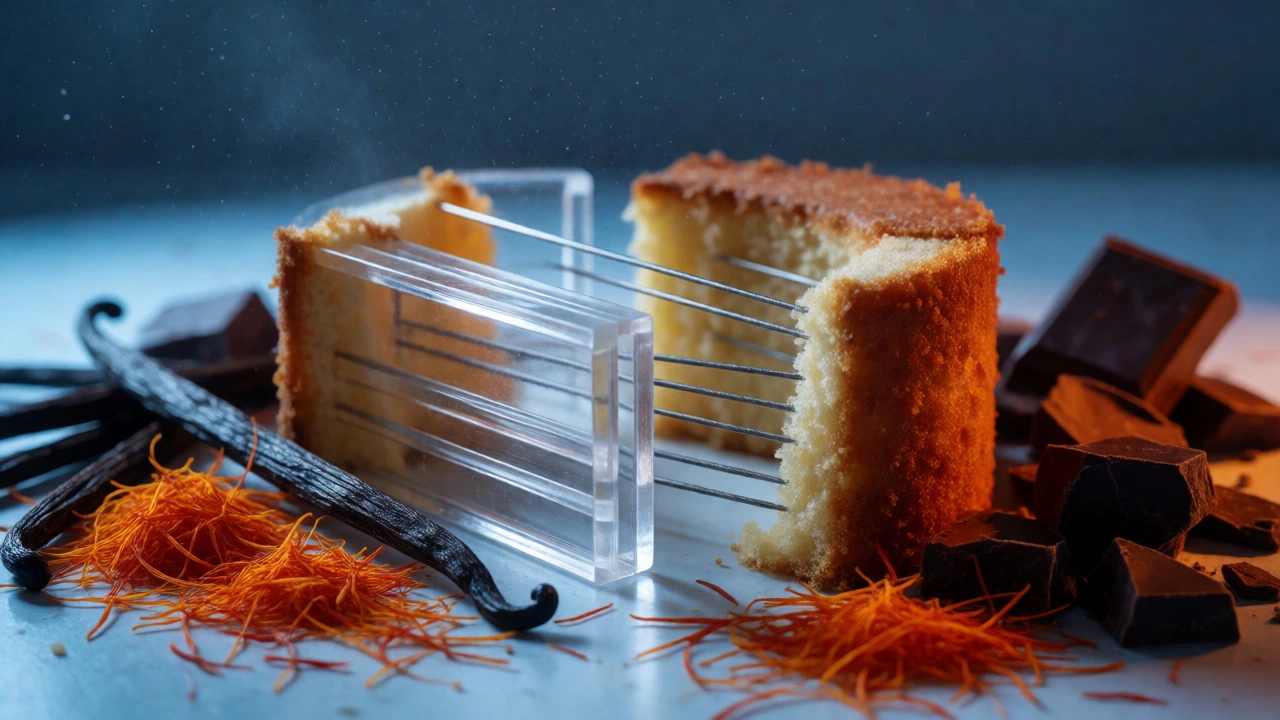
- Rare Ingredients: Saffron, white truffles, and Madagascar vanilla beans command premium prices. A single gram of high-grade saffron can cost more than an ounce of silver.
- Structural Engineering: Tall cakes need internal supports. Acrylic rods, hidden wires, and custom bases add material costs and require technical skill beyond baking.
- Waste Factor: In high-end baking, perfection is non-negotiable. If a tier cracks during transport, the entire piece is discarded. That risk is priced into the final quote.
Think about the logistics. Transporting a $75,000 cake isn’t like dropping off a grocery store sheet cake. It requires climate-controlled vehicles, dedicated couriers, and sometimes even police escorts in major cities to prevent traffic delays that could melt the frosting.
Are These Cakes Actually Good?
This is the million-dollar question-literally. Do people buy these cakes because they taste good, or because they look impressive? The answer is nuanced. Many chefs argue that flavor suffers when focus shifts to aesthetics. Heavy use of fondant, for example, masks the taste of the sponge underneath. Some critics say these cakes taste like expensive wax.
However, top-tier patissiers disagree. They insist that balance is key. The Christophe Michalak style focuses on lightness and acidity to cut through the richness of cream and chocolate. If you bite into a well-made luxury cake, you should taste distinct layers: the bitterness of dark chocolate, the tartness of raspberry coulis, the floral notes of elderflower. If it tastes flat, you didn’t pay for quality; you paid for marketing.
Buying vs. Renting: How to Experience Luxury Without the Debt
Unless you’re marrying royalty, buying a $75,000 cake is rare. But you can experience luxury without remortgaging your house. Here are three practical ways to get close to the high-end experience.
- Miniature Versions: Many bakeries offer "luxury bites." For $50-$100, you can buy a small portion of a signature high-end cake. You get the flavors and the gold leaf garnish without the structural commitment.
- Ingredient Upgrades: Bake at home but swap key ingredients. Use real vanilla bean paste instead of extract. Buy European-style butter with 82% fat content. Add a pinch of fleur de sel to your caramel. These small changes elevate a homemade cake significantly.
- Rental Decorations: Some companies rent out edible diamond decorations or large gold leaf sheets. You bake the cake yourself but add the visual flair for a fraction of the cost.
The Psychology Behind the Price Tag
Why do we care about the most expensive cake? It’s about spectacle. Social media has turned food into performance art. A cake that costs more than a smartphone generates clicks. It sparks conversation. At events, it serves as a focal point. Guests gather around it, taking photos before anyone cuts a slice.
There’s also the element of scarcity. Only a few bakers in the world can execute these designs reliably. You’re not just buying a cake; you’re buying access to exclusive talent. It’s similar to hiring a personal chef versus going to a restaurant. The convenience and customization come at a premium.
Common Misconceptions About Expensive Cakes
People often confuse "expensive" with "healthy" or "organic." Not always true. A $10,000 cake can be loaded with refined sugar and artificial stabilizers. Conversely, a $30 cake from a local farmer’s market might use organic, locally sourced eggs and honey. Don’t equate price with nutritional value. Focus on ingredient transparency if health is a concern.
Another myth is that expensive cakes are always fresher. Sometimes, they are made days in advance and frozen to preserve structure. Freshness varies by bakery policy, not price point. Always ask about the preparation timeline if freshness matters to you.
What is the most expensive cake in the world right now?
The current record holder is often cited as the Macanudo by Dario Lo Castro, valued at approximately $75,000. It features thousands of macarons and embedded diamonds. Prices fluctuate based on new attempts and auction sales.
Is edible gold safe to eat?
Yes, edible gold is safe. It is chemically inert, meaning your body does not absorb it. It passes through your digestive system unchanged. It adds no flavor or calories.
Why are luxury cakes so expensive?
Costs stem from extensive labor hours, rare ingredients like truffles and saffron, complex structural engineering, and high waste factors. Perfection is required, leaving no room for error.
Do expensive cakes taste better than cheap ones?
Not necessarily. Flavor depends on ingredient quality and recipe balance, not price. Some expensive cakes prioritize aesthetics over taste, using heavy fondant that masks flavor.
Can I make a luxury cake at home?
You can approximate it by using high-quality ingredients like European butter, real vanilla, and dark chocolate. However, replicating the structural complexity and decoration of professional luxury cakes requires advanced skills and tools.