English Fudge Recipe Calculator
Adjust Batch Size
Ingredients List
Tip: Always use a heavy-bottomed saucepan to prevent scorching. The target temperature is 234°F (112°C).
There is a distinct difference between the dense, chewy candy you might buy in a US airport and the soft, crumbly treat served on a doily at a British village fête. If you have ever wondered what is English fudge made of, the answer lies in its unique texture and specific ingredient ratios that have been perfected over centuries.
Unlike its American counterpart, which relies heavily on corn syrup and vigorous boiling to achieve a smooth, hard snap, English fudge is a cooked cream confection. It is softer, grainier, and often contains nuts or chocolate chips folded in after cooking. Understanding these core differences is the first step toward making authentic British fudge at home.
The Core Ingredients of Traditional English Fudge
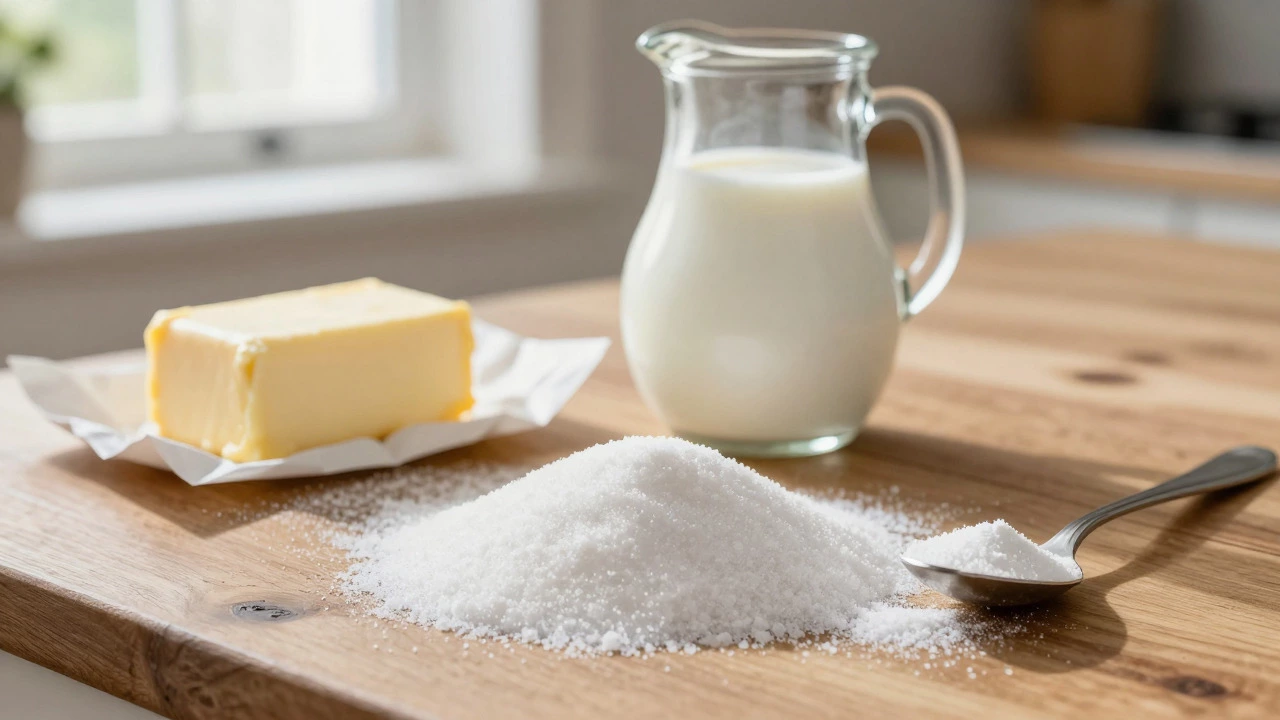
To understand what makes English fudge tick, we need to look at the four pillars of the recipe. These are not optional; they are the structural foundation of the dessert.
| Ingredient | Role in the Recipe | Typical Ratio/Amount |
|---|---|---|
| Sugar | Provides sweetness and structure through crystallization. | Usually 2 cups (400g) caster sugar |
| Milk | Dilutes the sugar and adds creaminess. Full-fat is preferred. | 1 cup (240ml) |
| Butter | Adds richness and prevents the fudge from becoming too hard. | 1/4 cup (60g) unsalted butter |
| Baking Soda | Aeration agent that creates the signature light, crumbly texture. | 1/2 teaspoon |
Caster Sugar is fine-grained white sugar that dissolves quickly, ensuring an even cook without gritty lumps. While you can use regular granulated sugar, caster sugar is the standard in UK kitchens because it integrates faster with the milk and butter. Brown sugar is sometimes used for a deeper flavor profile, resulting in "treacle" style fudges, but white caster remains the classic base.
The fat content comes from Unsalted Butter is high-quality dairy fat that enriches the mixture and controls crystal formation. Using salted butter can throw off the delicate balance of flavors, especially if you are adding chocolate or caramel later. The butter should be added early in the process to melt into the sugar-milk mixture.
The Secret Ingredient: Baking Soda
If there is one ingredient that separates English fudge from other boiled sweets, it is baking soda (bicarbonate of soda). This small addition does more than just leaven; it fundamentally changes the chemistry of the final product.
When you add baking soda to the hot sugar mixture, it reacts with the acids naturally present in the milk and the caramelized sugars. This reaction releases carbon dioxide gas. As the mixture cools, these tiny air bubbles get trapped in the setting mass. This is why English fudge is aerated and has a porous, spongy appearance when cut, rather than being a solid, glass-like block.
Without baking soda, you would essentially be making a hard candy or a very dense caramel. The goal is to beat the mixture vigorously once it reaches the correct temperature. This beating incorporates the air released by the baking soda, creating that characteristic matte finish and soft bite.
English Fudge vs. American Fudge: A Clear Distinction
Confusion often arises because both countries claim the word "fudge," but the end products are chemically different. Here is how they compare:
- Texture: English fudge is soft, crumbly, and melts in your mouth. American fudge is dense, smooth, and chewy.
- Ingredients: English fudge uses milk, sugar, butter, and baking soda. American fudge typically uses heavy cream, sugar, butter, and often corn syrup or vanilla extract, but rarely baking soda.
- Cooking Method: English fudge is beaten while cooling to create air pockets. American fudge is cooled to a specific temperature (soft-ball stage) and then stirred slowly to encourage large sugar crystals for a smooth texture.
- Appearance: English fudge is opaque and often has a rough surface. American fudge is usually glossy and smooth.
This distinction matters if you are following a recipe. Trying to make American-style fudge using English techniques will result in a mess, and vice versa. Always check the ingredient list for baking soda as your primary indicator of style.
Common Variations and Add-Ins
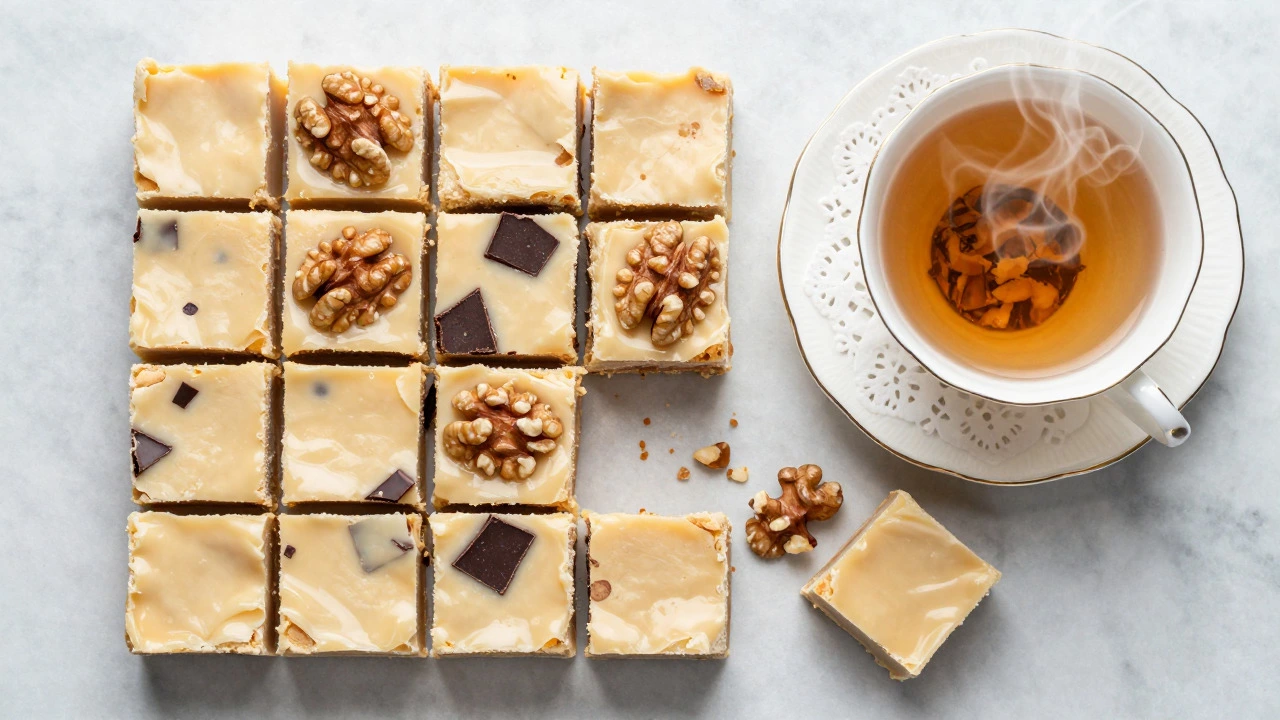
While the base recipe is strict, English fudge is incredibly versatile regarding mix-ins. These are added only after the fudge has thickened slightly during the beating process, so they don't sink to the bottom or burn.
- Nuts: Chopped walnuts, pecans, or hazelnuts are traditional. They provide a crunchy contrast to the soft fudge. Toasting them beforehand enhances their flavor significantly.
- Chocolate: Milk chocolate chips or chunks are popular. Dark chocolate offers a sophisticated bitterness that balances the sweetness. Ensure the chocolate is added when the fudge is cool enough not to melt completely, retaining some shape.
- Fruit: Dried cranberries, raisins, or candied peel (orange or lemon) add acidity and chewiness. This is particularly common in Christmas fudge recipes.
- Flavorings: Vanilla extract is standard. However, peppermint, coffee, or rum extracts are frequently used for seasonal variations. A splash of Baileys or whiskey makes for a delightful adult treat.
How to Make Perfect English Fudge: Step-by-Step
Making fudge seems simple, but timing and temperature are critical. Here is the reliable method used by bakers across the UK.
- Prepare the Pan: Line a 7x7 inch (18x18 cm) square tin with parchment paper. Grease the paper lightly with butter. This ensures easy removal later.
- Combine Ingredients: In a heavy-bottomed saucepan, combine the sugar, milk, and butter. Heavy bottoms prevent scorching, which can ruin the flavor.
- Heat Gently: Stir constantly over medium heat until the sugar dissolves completely. Once dissolved, stop stirring. Attach a candy thermometer if you have one.
- Boil to Temperature: Bring the mixture to a boil. Cook without stirring until it reaches 234°F (112°C), known as the "soft-ball stage." To test without a thermometer, drop a small amount into cold water. It should form a soft ball that flattens when removed from the water.
- Add Baking Soda: Remove from heat immediately. Stir in the baking soda. The mixture will foam up rapidly-this is normal.
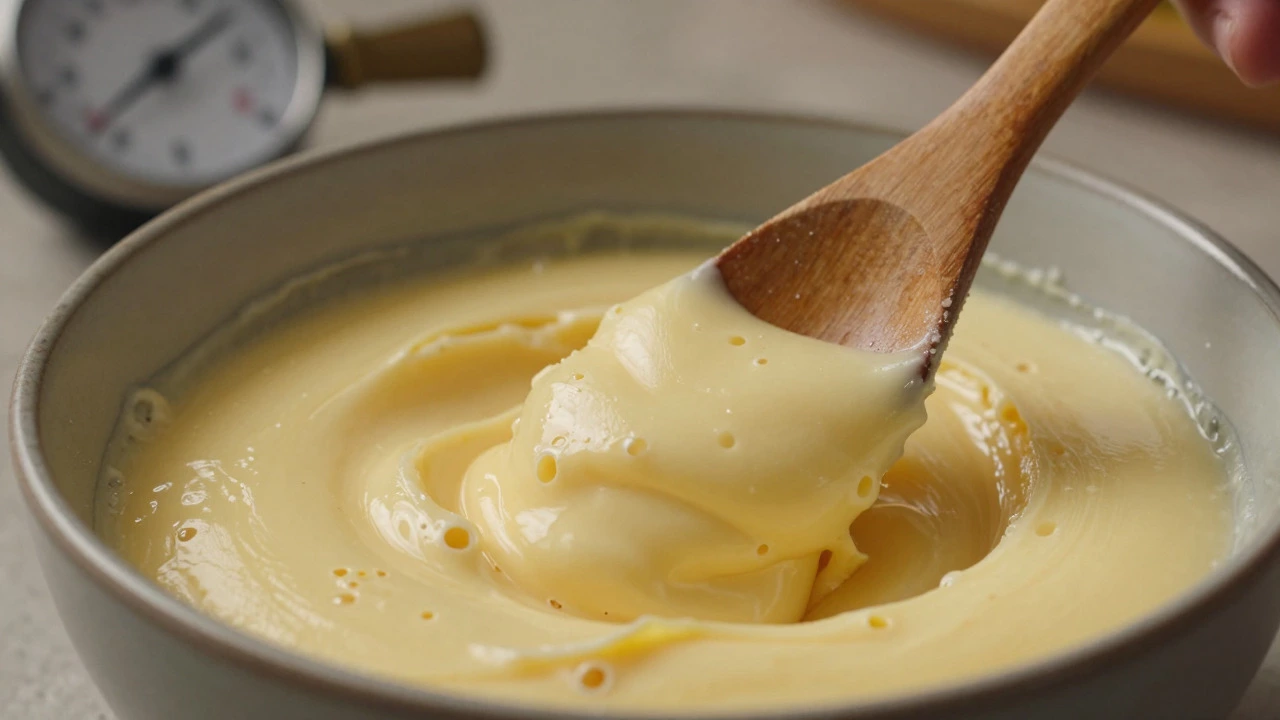
- Beat Vigorously: Pour the mixture into a deep bowl. Beat with a wooden spoon or electric mixer for about 5-10 minutes. You want the mixture to thicken, lose its gloss, and turn pale. This step incorporates the air.
- Add Mix-ins: Fold in your chosen nuts, chocolate, or fruit.
- Set: Pour into the prepared tin. Smooth the top. Let it cool at room temperature for at least 4 hours, preferably overnight. Do not refrigerate, as this can cause condensation and stickiness.
Troubleshooting Common Issues
Even experienced cooks face challenges with fudge. Here is how to fix common problems.
- Too Hard: You likely cooked it past the soft-ball stage. Next time, check the temperature earlier. To salvage, you can try microwaving slices briefly to soften them.
- Too Soft/Sticky: The mixture didn't reach the correct temperature. It needs more cooking time next time. For now, let it set longer or chill it briefly before cutting.
- Gritty Texture: Sugar crystals formed too early. Ensure you stir only until the sugar dissolves initially, then avoid stirring during the boil to prevent premature crystallization.
- Grainy After Beating: You may not have beaten it enough. The goal is to break down large crystals and incorporate air. Keep beating until it loses its shine.
Storing and Serving English Fudge
Proper storage keeps your fudge fresh for weeks. Wrap individual pieces in wax paper or place them in an airtight container with layers separated by parchment. Store at room temperature in a cool, dry place. Avoid humidity, which makes fudge sticky.
English fudge is traditionally served with tea. Its soft texture complements the warmth of a cup of Earl Grey or Assam perfectly. It is also a staple gift item during the holiday season, often packaged in decorative boxes with ribbons.
Is English fudge gluten-free?
Yes, traditional English fudge made with sugar, milk, butter, and baking soda is naturally gluten-free. However, always check labels on mix-ins like cookies or certain chocolates, as they may contain wheat.
Can I make English fudge without a candy thermometer?
Yes. Use the cold water test. Drop a bit of the boiling mixture into ice water. At the soft-ball stage (234°F/112°C), it will form a pliable ball that flattens when squeezed. If it forms a hard ball, you've gone too far.
Why is my fudge shiny instead of matte?
A shiny surface indicates insufficient beating. You need to beat the fudge until it thickens and turns opaque. This process breaks down sugar crystals and incorporates air, giving it the classic matte finish.
How long does homemade English fudge last?
Stored in an airtight container at room temperature, English fudge lasts for 2-3 weeks. If you add perishable mix-ins like fresh fruit or cream cheese, consume within a week.
Can I substitute honey for sugar in English fudge?
Substituting honey changes the chemical structure significantly. Honey contains invert sugar, which prevents crystallization. This will result in a caramel-like consistency rather than traditional fudge. Stick to caster sugar for authentic results.