Gluten-Free Food Checker
Enter a food item below to check its gluten status based on natural composition and common processing risks.
Search for a food item to see results.
Quick Reference: The Big Three
Remember, gluten is primarily found in these three grains:
- Wheat
- Barley
- Rye
You’re standing in the grocery aisle, staring at a box of flour. The label says "wheat," but you also see "barley" and "rye." You know those are out. But what about oats? What about that weird starch in the corner? If you’ve ever tried to bake gluten-free cakes, you know the panic of wondering if an ingredient is safe or if it’s secretly hiding gluten.
Here’s the good news: nature didn’t design most foods with gluten in mind. Gluten is a protein found specifically in three grains: wheat, barley, and rye. Everything else? It’s usually fair game. But "usually" isn't good enough when you’re dealing with celiac disease or non-celiac gluten sensitivity. Cross-contamination is real, and processed foods love to sneak in fillers. This guide cuts through the noise to show you exactly which foods are naturally gluten-free, so you can shop and bake with confidence.
The Big Three: Where Gluten Actually Lives
To understand what is safe, you first need to know what isn’t. Wheat is the biggest culprit. It’s in bread, pasta, beer, and half the snacks on the shelf. Then there’s Barley, often hidden in malt vinegar, soy sauce, and some soups. Finally, Rye shows up in dark breads and certain whiskeys.
If a food doesn’t contain these three grains-or their derivatives like semolina, spelt, kamut, or triticale-it has a high chance of being naturally gluten-free. But don’t stop there. Processed versions of safe foods can be contaminated. Let’s break down the categories.
Fruits and Vegetables: The Safest Bet
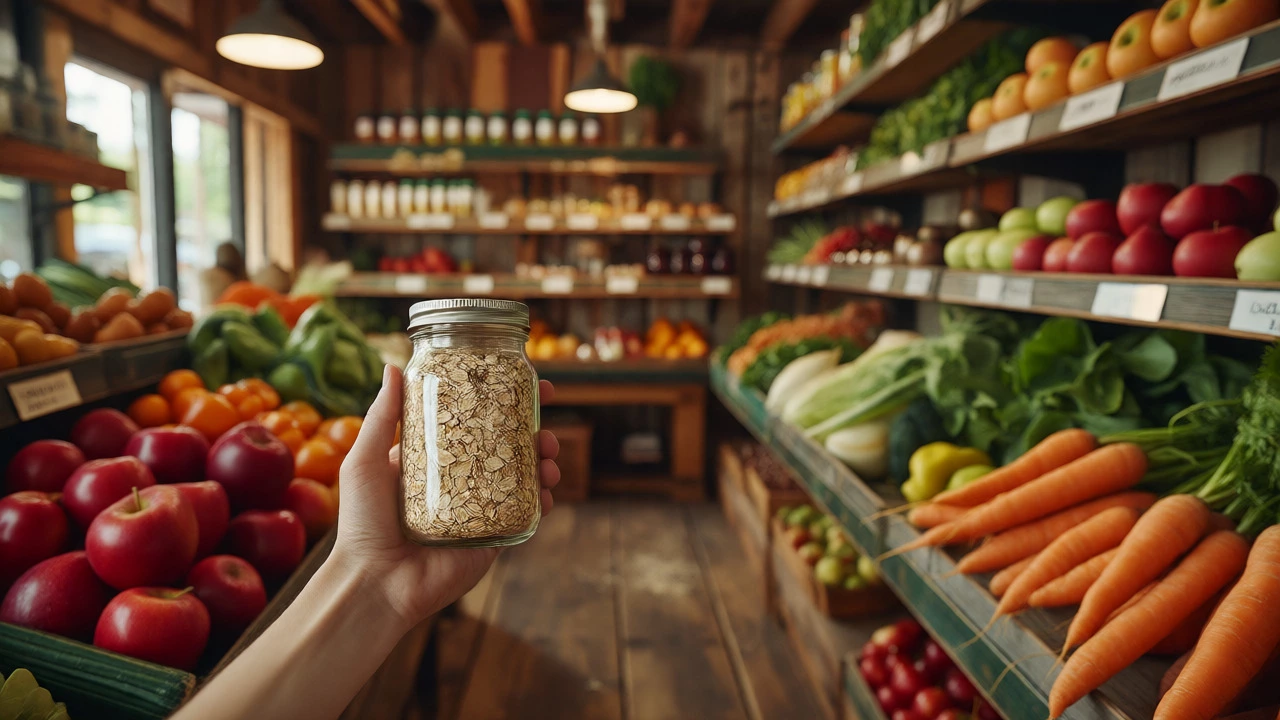
Fresh fruits and fresh vegetables are inherently gluten-free. An apple from the tree doesn’t have gluten. A carrot pulled from the ground doesn’t either. You don’t need to check labels for whole produce.
However, watch out for pre-cut or packaged varieties. Fruit salads sometimes use dressings with modified food starch (which *can* be wheat-based, though corn is more common). Frozen veggies might have sauces added. Always check the ingredient list if it’s not just one single item in the bag.
- Safe: Bananas, apples, berries, leafy greens, carrots, potatoes, broccoli.
- Caution: Canned vegetables with sauces, frozen stir-fry mixes, dried fruit with anti-caking agents (though rare).
Meat, Poultry, and Seafood: Plain Is Safe
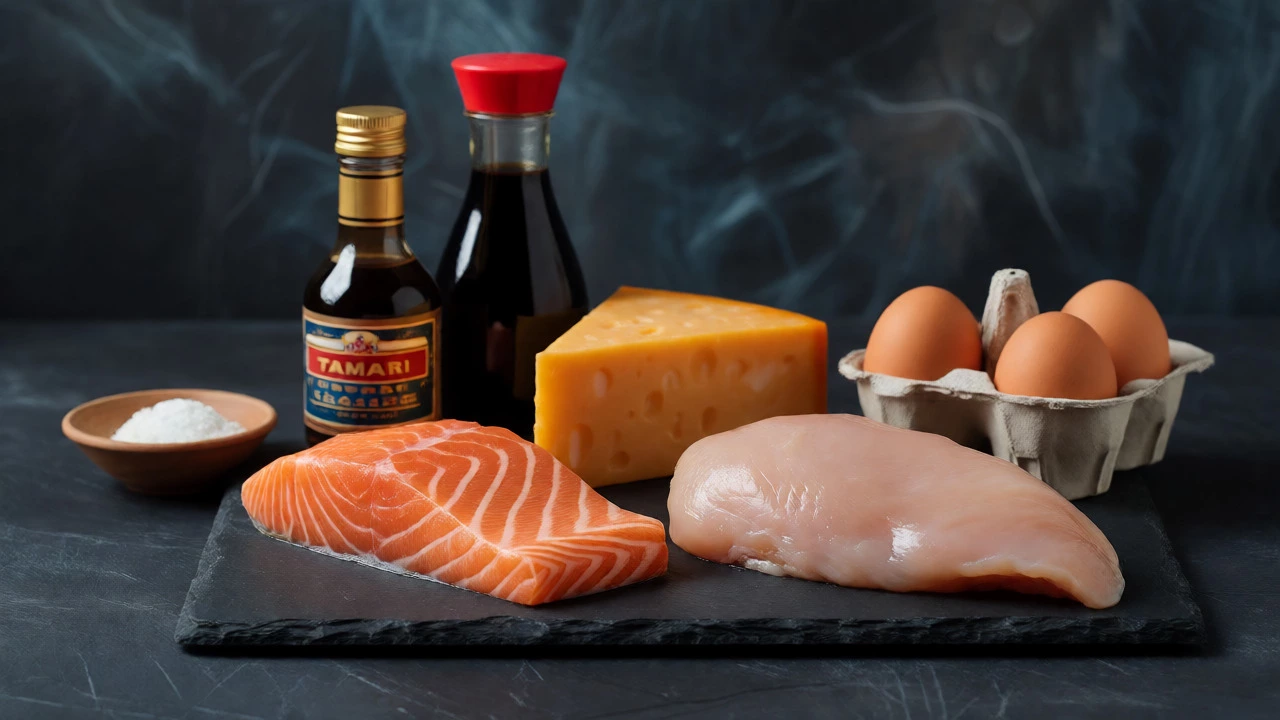
Unprocessed meat, poultry, and seafood are naturally gluten-free. A plain chicken breast, a steak, or a salmon fillet contains zero gluten.
The danger lies in preparation. Breaded fish? Gluten. Marinated meats? Often gluten, because soy sauce (made from wheat) is a common marinade base. Deli meats are tricky too; some use wheat as a binder or filler. Stick to fresh cuts from the butcher counter where you can ask questions, or buy vacuum-sealed packs labeled "gluten-free." Avoid anything with breading, batter, or heavy sauces unless you verify the ingredients.
Dairy and Eggs: Almost Always Clear
Milk, cheese, butter, and eggs are staples of a gluten-free diet. Eggs are a powerhouse for gluten-free baking, providing structure when wheat flour is absent. Most cheeses are fine, but blue cheese is a notable exception. Traditionally, blue mold was grown on rye bread crumbs. While modern production often uses gluten-free cultures, cross-contamination remains a risk. Check the label or choose brands explicitly certified gluten-free.
Flavored yogurts and ice creams can hide gluten in cookie dough pieces, brownie bits, or thickeners. Plain yogurt and simple vanilla ice cream are your safest bets.
Grains and Starches: Beyond Wheat
This is where things get interesting for bakers. Just because a grain isn’t wheat doesn’t mean it’s automatically safe, especially if it’s processed near wheat facilities. However, many grains are naturally gluten-free and excellent for making gluten-free cakes.
| Grain/Flour | Best For | Notes |
|---|---|---|
| Rice Flour | Cakes, cookies | Neutral taste; best mixed with other flours. |
| Almond Flour | Macarons, dense cakes | High fat; adds moisture and nutty flavor. |
| Coconut Flour | Low-carb baking | Very absorbent; requires extra eggs/liquid. |
| Oats | Cookies, granola | Must be labeled "certified gluten-free" due to cross-contact. |
| Quinoa | Savory dishes, crusts | Complete protein; rinsing removes bitter saponins. |
Oats deserve special mention. Pure oats are gluten-free, but they are frequently harvested and processed using equipment shared with wheat. Unless the package says "certified gluten-free," assume they’re contaminated.
Nuts, Seeds, and Legumes
Almonds, walnuts, chia seeds, flaxseeds, beans, and lentils are all naturally gluten-free. They are fantastic additions to a gluten-free pantry. Almond flour and coconut flour are top choices for replacing wheat flour in desserts because they mimic the texture and fat content needed for moist cakes.
Watch out for flavored nuts. Some roasted peanuts or cashews are coated in seasonings that include wheat flour or hydrolyzed wheat protein. Raw or dry-roasted nuts without additives are always safe.
The Hidden Traps: Condiments and Processed Foods
You’ve got your fresh produce and meat sorted. Now, let’s talk about the stuff that ruins diets. Soy sauce is typically brewed with wheat. Switch to tamari, which is usually wheat-free (check the label!).
Malt vinegar comes from barley and is not gluten-free. Distilled white vinegar, however, is safe even if made from wheat, because the distillation process removes the gluten protein.
Other sneaky sources include:
- Bouillon cubes: Many contain wheat starch.
- Salad dressings: Thickeners may be wheat-based.
- Licorice: Almost always contains wheat flour.
- Beer: Traditional beer is made from barley. Look for gluten-free beers made from sorghum, rice, or millet.
Baking Tips for Naturally Gluten-Free Ingredients
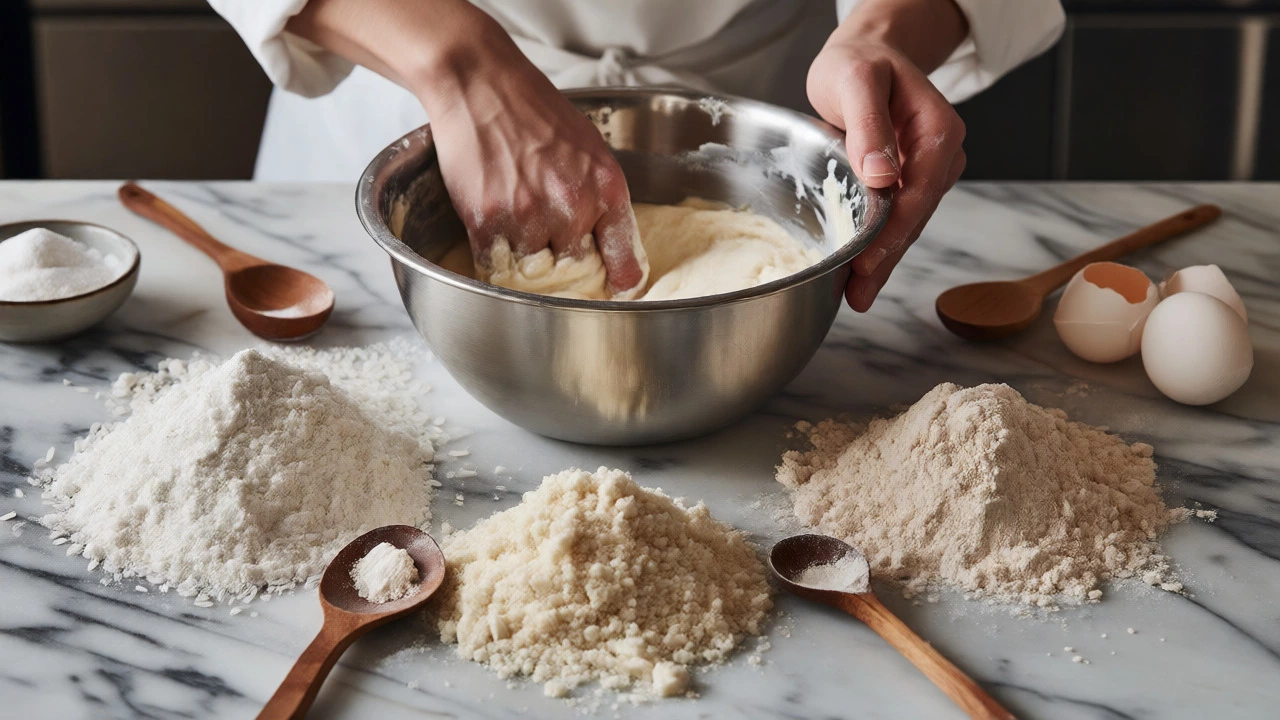
If you’re aiming for delicious gluten-free cakes, you can’t just swap 1:1 wheat flour for rice flour and expect magic. Gluten provides elasticity and structure. Without it, baked goods can crumble.
Use binders like xanthan gum or guar gum. These are naturally gluten-free polysaccharides that mimic gluten’s sticky properties. For every cup of gluten-free flour, add about 1/4 teaspoon of xanthan gum. Also, don’t overmix. Unlike wheat dough, gluten-free batter doesn’t need development time. Mix until combined, then bake immediately.
Consider blending flours. A mix of rice flour, potato starch, and tapioca starch often yields a lighter texture than any single flour alone. Experiment with almond flour for richness in chocolate cakes, or coconut flour for a subtle sweetness.
Are oats really gluten-free?
Pure oats do not contain gluten. However, they are highly prone to cross-contamination during growing, harvesting, and processing because they are often handled in the same fields and factories as wheat. If you have celiac disease, only consume oats labeled "certified gluten-free." Otherwise, avoid them.
Can I eat cheese on a gluten-free diet?
Most natural cheeses are gluten-free. Hard cheeses like cheddar and parmesan are very safe. Soft cheeses like brie and camembert are generally safe but check for added stabilizers. Blue cheese is the main concern because mold cultures were historically grown on rye bread. Modern brands vary, so always read the label.
Is distilled vinegar safe for people with celiac disease?
Yes. Even if vinegar is made from wheat, the distillation process removes the gluten protein. Studies suggest that distilled vinegar is safe for those with celiac disease. However, malt vinegar is different-it is made from barley and is not distilled, so it contains gluten and should be avoided.
What are the best gluten-free flours for baking cakes?
There is no single "best" flour, but blends work well. A combination of rice flour, potato starch, and tapioca flour creates a light texture similar to cake flour. Almond flour is great for dense, moist cakes like pound cakes or flourless chocolate cakes. Coconut flour is very absorbent and requires significant recipe adjustments, including more eggs.
Do spices contain gluten?
Single-ingredient spices like salt, pepper, cinnamon, and paprika are naturally gluten-free. However, spice blends (like taco seasoning or curry powder) may contain wheat flour as an anti-caking agent or filler. Always check the ingredient list on blended spices, or buy single spices and make your own blends.