Dirty Vegan Classifier
Select a food item below to see how it fits into the "Clean vs. Dirty" vegan spectrum. This tool helps you understand why some plant-based foods are indulgent while others are nutrient-dense.
French Fries
Kale Salad
Vegan Donut
Beyond Burger
Fruit Sorbet
Vegan Mac & Cheese
Click a food item above to analyze its "Dirty" score.
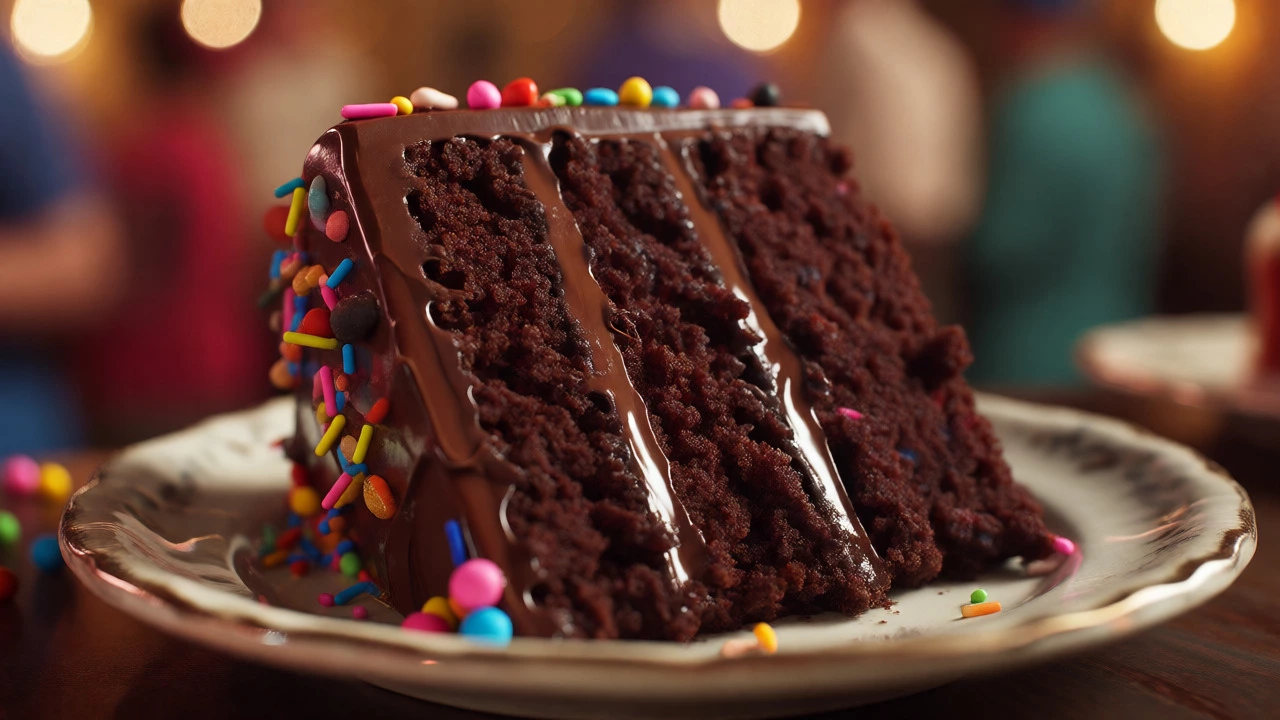
You’re at a party. Someone hands you a slice of cake that looks like it came straight out of a bakery window in the 1950s-thick frosting, rainbow sprinkles, maybe even some candy bits stuck to the side. You take a bite, and it’s rich, sweet, and unapologetically decadent. Then someone whispers, "It's vegan." Your brain short-circuits. How can something so "dirty" be clean? This is the paradox of dirty vegan foods: plant-based dishes that reject health-food purity in favor of maximum flavor, texture, and nostalgia.
If you’ve ever felt guilty for wanting a donut instead of a kale salad, this concept is your permission slip. But what exactly makes a food "dirty" in the vegan world? Is it just about sugar? Or is there more to the story? Let’s break down the phenomenon that has taken over Instagram feeds and restaurant menus alike.
The Anatomy of "Dirty": More Than Just Junk Food
The term "dirty" isn't an official culinary classification; it’s a cultural label born from internet slang and food culture. In the context of veganism, a lifestyle and diet that excludes all animal products, "clean eating" often implies whole foods, low processing, and high nutrient density. Think quinoa bowls, steamed broccoli, and raw nut butters.
"Dirty vegan," by contrast, leans into the opposite. It embraces processed ingredients, refined sugars, artificial colors, and deep-fried textures. It’s not necessarily unhealthy-though it often is-but it prioritizes sensory pleasure over nutritional optimization. A chocolate brownie made with coconut oil and dark chocolate chips fits here because it mimics the dense, fudgy experience of its dairy-heavy counterpart without pretending to be a health supplement.
Think of it as the difference between a gym bag and a clutch purse. Both carry things, but one is designed for function, and the other for flair. Dirty vegan food is the clutch purse of the plant-based world. It’s flashy, fun, and occasionally impractical, but it looks great on the table.
Why Do We Crave It? The Psychology of Comfort
Humans are wired to seek calorie-dense, palatable foods. Evolutionarily, this kept us alive during famines. Today, we have refrigerators, yet our brains still scream for fat, sugar, and salt when stressed. Traditional vegan diets sometimes struggle to hit these dopamine triggers because they lack the saturated fats found in butter or cheese.
Dirty vegan foods solve this by using clever substitutes. Coconut cream provides the richness of heavy cream. Cashew cheese offers the tang of dairy. Refined cane sugar delivers the quick energy spike that fruit alone might miss. When you eat a vegan milkshake thickened with frozen bananas and blended with almond milk and vanilla extract, you aren’t just consuming calories; you’re triggering a memory of childhood summer treats. That emotional connection is why dirty vegan food has such staying power.
Moreover, it breaks the stereotype that vegans are boring. For years, non-vegans assumed plant-based eaters were miserable, chewing on cardboard-like tofu. Dirty vegan desserts prove that you can have your cake (literally) and eat it too, without compromising ethics or taste.
Common Culprits: Identifying Dirty Vegan Staples
Not every plant-based food is dirty. A lentil soup is clean. A bowl of plain rice is neutral. But certain categories naturally fall into the dirty zone due to their preparation methods and ingredient lists. Here’s what typically lands on the "dirty" list:
- Fried Goods: French fries, onion rings, and tempura vegetables. Even if they are technically plants, the deep-frying process adds significant fat and calories, stripping away the "light" perception of vegetables.
- Bakery Items: Donuts, croissants, muffins, and cookies. These rely heavily on flour, sugar, and fats. If they use vegan butter or margarine, they qualify as dirty vegan.
- Sweet Treats: Ice cream, sorbets, cakes, and candies. High sugar content and creamy textures make these prime candidates.
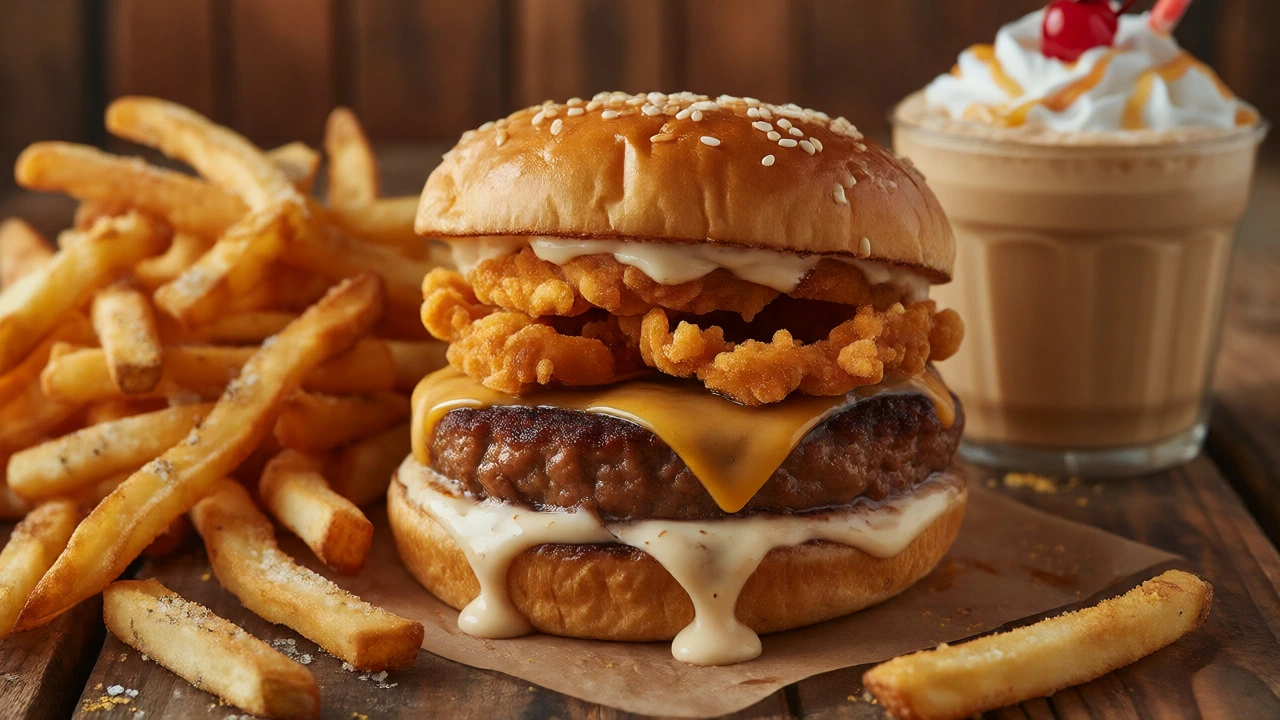
- Fast Food Adaptations: Beyond Meat burgers, Impossible Whoppers, and loaded fries. These mimic the hyper-palatability of traditional fast food.
Notice a pattern? These foods are usually high in carbohydrates and fats, two macronutrients that provide immediate satiety and pleasure. They rarely feature leafy greens or lean proteins unless hidden inside a wrapper or sauce.
Clean vs. Dirty: A Comparative Breakdown
To help you decide which side of the fence your next meal should sit on, let’s compare typical attributes. This isn’t about judging one as better than the other-it’s about matching intent with outcome.
| Feature | Clean Vegan | Dirty Vegan |
|---|---|---|
| Primary Goal | Nutrient density & health | Flavor & satisfaction |
| Typical Ingredients | Whole grains, legumes, fresh veggies | Refined flours, sugars, oils, additives |
| Preparation Method | Steaming, boiling, raw blending | Frying, baking, heavy saucing |
| Caloric Density | Low to Moderate | Moderate to High |
| Example Dish | Kale Salad with Chickpeas | Vegan Mac & Cheese |
As you can see, the distinction lies largely in processing and intent. A baked potato is clean. A loaded potato with vegan sour cream, chives, and melted vegan cheese is dirty. Same base ingredient, different experience.
How to Spot Dirty Vegan Options on Menus
If you’re dining out in Bristol or anywhere else, spotting dirty vegan options requires a bit of detective work. Restaurants often hide vegan choices behind generic labels like "plant-based" or "meat-free." Here’s how to ensure you get the indulgence you want:
- Look for Keywords: Words like "creamy," "crispy," "glazed," "loaded," and "decadent" signal higher fat and sugar content.
- Check the Sauces: Dairy-free ranch, aioli, and BBQ sauces are often vegan but calorie-dense. Ask if they contain eggs or honey (common non-vegan traps).
- Ask About Frying Oil: Some places fry potatoes in beef tallow. Ensure they use vegetable oil if you want a true vegan dirty fry.
- Scan for Hidden Dairy: Butter is common in pastries. Look for terms like "shortening" or "margarine" in descriptions, though always ask the staff.
Don’t be afraid to customize. Ordering a burger without the bun and adding extra vegan mayo turns a standard meal into a keto-friendly dirty option. Or swapping fries for onion rings changes the carb profile while keeping the crunch.
DIY Dirty Vegan: Making It Happen at Home
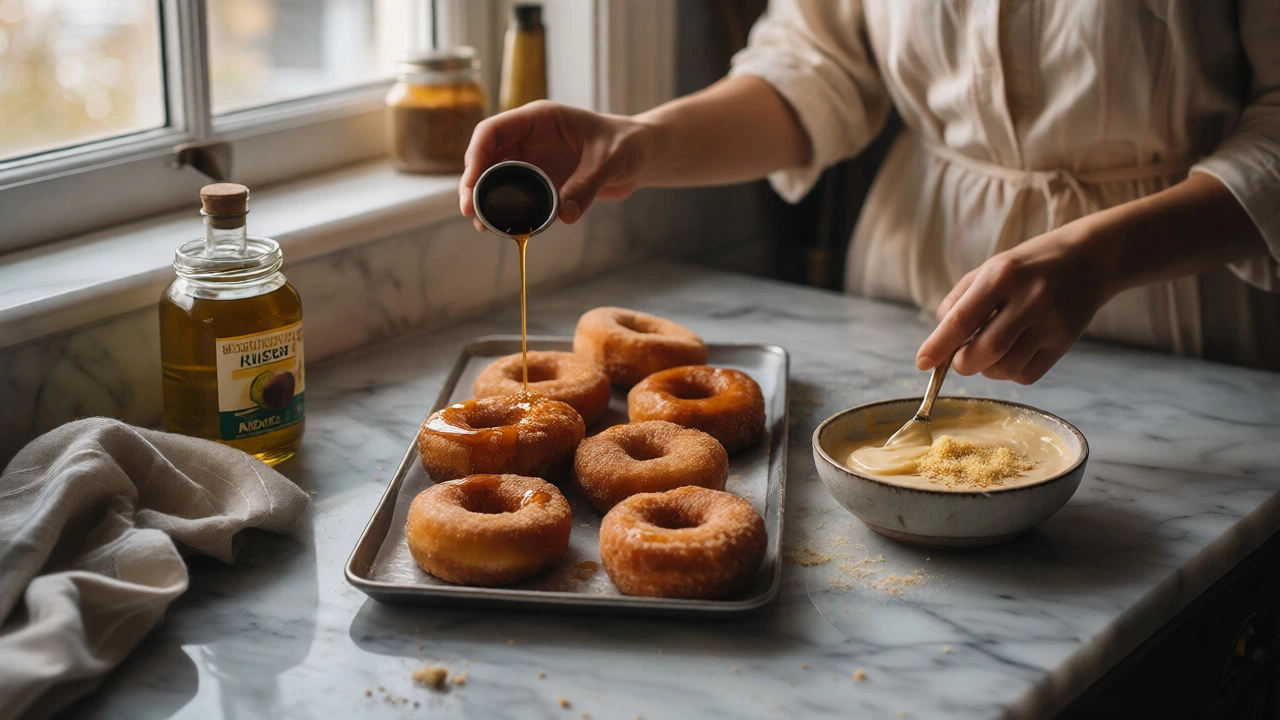
Buying dirty vegan food is easy, but making it gives you control over quality. You can reduce the amount of refined sugar or choose healthier oils without losing the "dirty" vibe. Here are three simple swaps to upgrade your homemade treats:
- Swap Vegetable Oil for Avocado Oil: It handles high heat well and has a neutral flavor, perfect for frying donuts or roasting potatoes.
- Use Maple Syrup Instead of Corn Syrup: It’s still a sugar, but it brings a distinct flavor profile that pairs well with pecan pies or glazes.
- Add Nutritional Yeast for Umami: In vegan cheese sauces, nutritional yeast adds a cheesy depth without needing expensive commercial blends.
Remember, the goal isn’t perfection. It’s enjoyment. If your brownies are slightly burnt or your ice cream melts too fast, that’s part of the charm. Dirty vegan food is forgiving because it’s meant to be messy.
The Ethical Gray Area
Some purists argue that relying on highly processed vegan junk food undermines the ethical argument of veganism. They claim that factory farming of soy or palm oil contributes to deforestation, just as dairy does. While valid, this perspective ignores the consumer’s right to choice. Eating a vegan cookie doesn’t hurt a cow. Whether the palm oil was sustainably sourced is a separate environmental issue, solvable through purchasing decisions rather than dietary restriction.
Furthermore, accessibility matters. Not everyone has time to cook from scratch every day. Frozen vegan nuggets or pre-made cakes offer convenience that supports long-term adherence to a plant-based diet. If a dirty vegan snack helps someone stick to veganism, then it serves a valuable purpose.
Is dirty vegan food healthy?
Generally, no. Dirty vegan foods tend to be high in refined sugars, saturated fats (from coconut or palm oil), and sodium, similar to conventional junk food. However, they are free from cholesterol and animal hormones. They should be enjoyed in moderation as occasional treats rather than daily staples.
Can I lose weight eating dirty vegan foods?
Yes, but it depends on total caloric intake. Since many dirty vegan foods are calorie-dense, portion control is key. Swapping a large dairy cheeseburger for a smaller vegan version might save calories, but replacing a salad with a vegan pizza likely won’t. Weight loss occurs when you maintain a calorie deficit, regardless of whether the source is plant-based or animal-based.
Are all vegan desserts considered dirty?
No. There is a wide spectrum. A fruit sorbet made with water and pureed berries is a clean vegan dessert. A cheesecake made with cashews and dates sits in the middle ground. A store-bought frosted cupcake with artificial colors is firmly dirty. The classification depends on the level of processing and added sugars/fats.
Where can I find dirty vegan food?
Major fast-food chains now offer vegan options like fries, buns, and patties. Specialty bakeries increasingly stock vegan donuts and cakes. Online retailers sell vegan ice creams and snacks. Local restaurants often have vegan versions of classic comfort foods like mac and cheese or buffalo wings.
Does dirty vegan food taste different from regular junk food?
Modern formulations have closed the gap significantly. High-quality vegan cheeses and milks mimic dairy closely. However, some people notice a slight difference in mouthfeel or aftertaste, particularly with older brands. Newer products using pea protein or oat bases are nearly indistinguishable from their animal-derived counterparts in blind taste tests.