How to Flush Gluten Out of Your Body: A Practical Guide
Learn how to effectively remove gluten from your body after accidental exposure. Discover what really works-no detox myths-just science-backed steps to heal your gut and feel better fast.
When you talk about gluten removal, the process of eliminating gluten—a protein found in wheat, barley, and rye—from your diet. Also known as going gluten-free, it’s not just a trend for people with celiac disease—it’s a daily reality for millions who feel better without it. But gluten removal isn’t as simple as ditching bread. It’s about understanding what’s hiding in your soy sauce, your oats, even your spice blends. And it’s not just about avoiding pain—it’s about rebuilding how you cook, shop, and even celebrate.
Many people start gluten removal because of bloating, fatigue, or unpredictable digestion. One study from the University of Maryland found that over 6% of people have non-celiac gluten sensitivity, meaning their bodies react badly to gluten even without the autoimmune damage seen in celiac disease. For them, gluten removal isn’t optional—it’s the difference between a normal day and a painful one. But here’s the catch: not all gluten-free products are created equal. A cake labeled "gluten-free" can still be full of sugar, gums, and fillers that do nothing for your gut. That’s why the real win isn’t just removing gluten—it’s replacing it with food that actually nourishes you.
Gluten removal also forces you to rethink baking. Without gluten’s stretchy structure, cakes crumble, cookies spread too much, and bread turns dense. That’s where things like xanthan gum, almond flour, and careful mixing techniques come in. But even the best flour blend won’t help if your kitchen isn’t clean. Cross-contamination is a silent killer—crumbs from a regular toaster, a shared spatula, or flour dust in the air can trigger symptoms. So gluten removal isn’t just a diet change. It’s a lifestyle shift that touches your pantry, your tools, and even your social life.
And then there’s the hidden stuff—the sauces, the processed meats, the candy bars that sound innocent but carry gluten like a secret. People often think they’re doing fine until they realize their "safe" granola bar or "gluten-free" broth had a hidden barley extract. That’s why knowing the worst foods for gluten intolerance isn’t just helpful—it’s necessary. You don’t need to become a label reader overnight, but you do need to know where to look.
What you’ll find below isn’t just a list of recipes. It’s a collection of real stories, hard-won tips, and science-backed fixes from people who’ve been through gluten removal themselves. From how your poop changes after cutting gluten to why your gluten-free cake still tastes like cardboard, these posts cut through the noise. You’ll learn what to avoid, what to swap, and how to bake something that actually tastes good—without the guilt, the gas, or the guesswork.
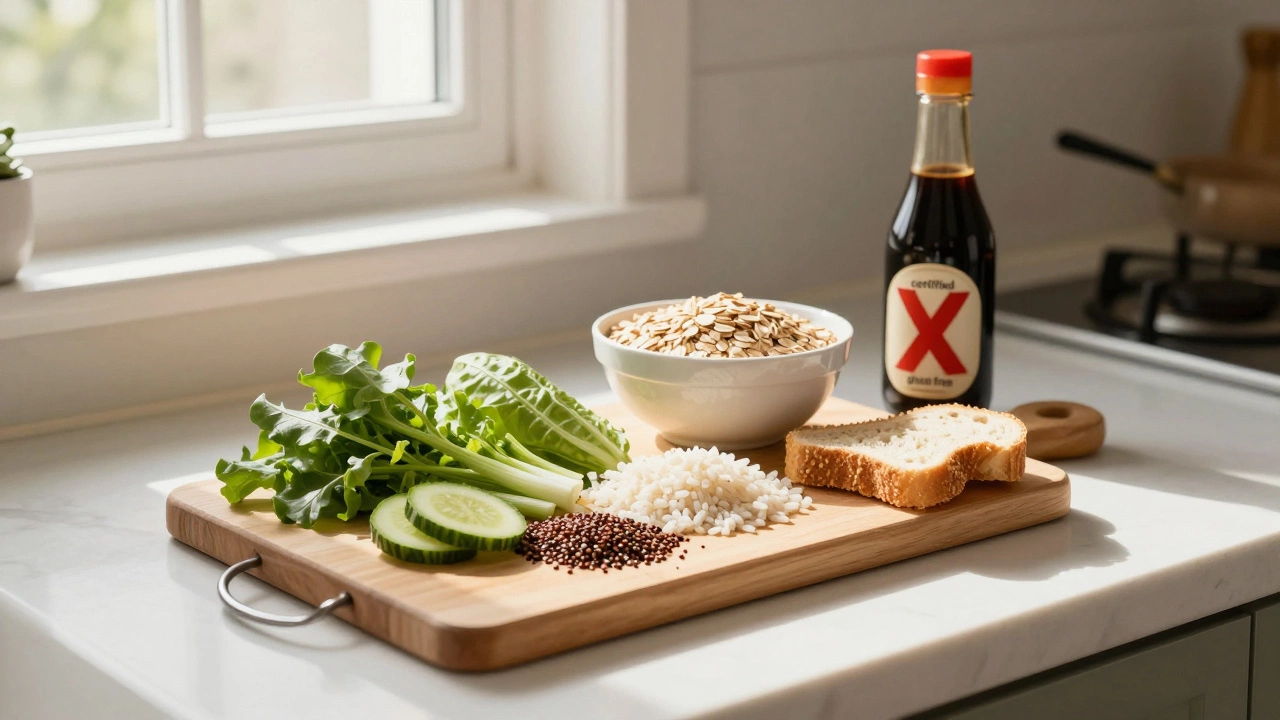
Learn how to effectively remove gluten from your body after accidental exposure. Discover what really works-no detox myths-just science-backed steps to heal your gut and feel better fast.