Italian Pasta Authenticity Checker
Test if your pasta dish matches authentic Italian traditions
Choose your pasta type and select ingredients to check authenticity
When you think of Italian food, one thing always comes to mind: pasta. Not just any pasta - the kind that’s been passed down through generations, cooked in tiny kitchens in Rome, Naples, and Bologna, and served with a simple sauce that somehow tastes like home. But if you had to pick just one pasta that defines Italy, which one would it be? The answer isn’t as simple as it seems.
Pasta Isn’t One Thing - It’s Hundreds
Italy has over 300 different pasta shapes, each tied to a region, a tradition, or even a family recipe. From the long, thin strands of spaghetti to the twisted tubes of penne, every form has a purpose. But not all are equally famous. Some are known worldwide. Others are local secrets.
Ask someone in Tokyo or New York what pasta they love, and they’ll likely say spaghetti. Ask a Roman, and they’ll tell you it’s carbonara. Ask a Neapolitan, and they’ll argue it’s ragù alla napoletana with ziti. Ask someone from Bologna, and they’ll say tagliatelle al ragù - the real Bolognese sauce, not the thick, meaty mess you get abroad.
Spaghetti: The Global Star
Spaghetti is probably the most recognized pasta in the world. It’s the one you see in movies, on TV dinners, and in kids’ lunchboxes. But here’s the truth: Italians don’t eat spaghetti with meatballs. That’s an American invention. In Italy, spaghetti is often served with simple sauces - garlic, oil, chili, or fresh tomatoes. In Sicily, it’s tossed with sardines and pine nuts. In Lazio, it’s paired with cacio e pepe - just cheese and pepper.
Why is spaghetti so famous? It’s versatile. It holds sauce well. It’s easy to cook. And it’s been exported since the 19th century. But in Italy, it’s not considered the most iconic. It’s popular, yes. But not the most deeply loved.
Lasagna: The Celebration Pasta
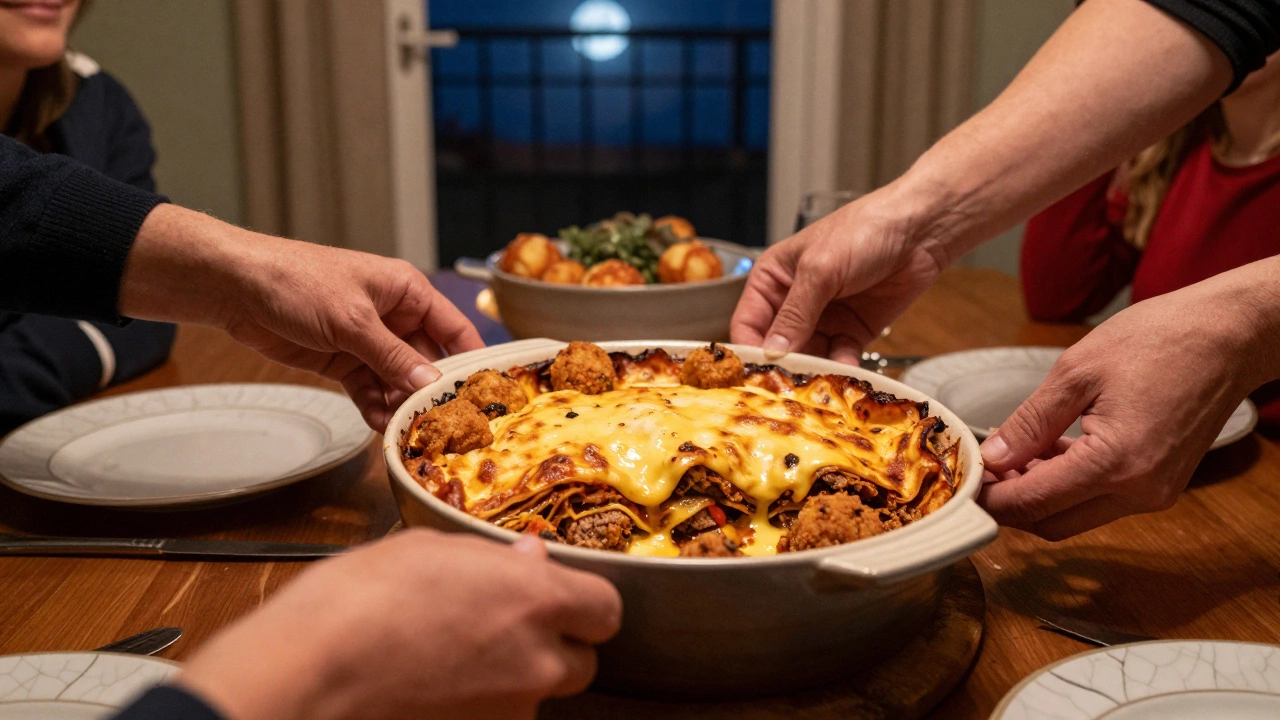
If you want to know what Italians cook for Sunday dinners, holidays, or family gatherings, look to lasagna. Not the boxed kind. The real deal: layers of fresh pasta sheets, slow-cooked ragù, béchamel sauce, and grated Parmigiano-Reggiano. It’s baked until golden and bubbling. It takes hours to make. And it’s worth every minute.
In Emilia-Romagna, lasagna is a Sunday tradition. In Naples, they add hard-boiled eggs and fried meatballs between the layers. In some homes, it’s the only dish served at Christmas. It’s not everyday food. It’s special. That’s why it’s often called Italy’s most cherished pasta dish.
Tagliatelle al Ragù: The Bolognese Truth
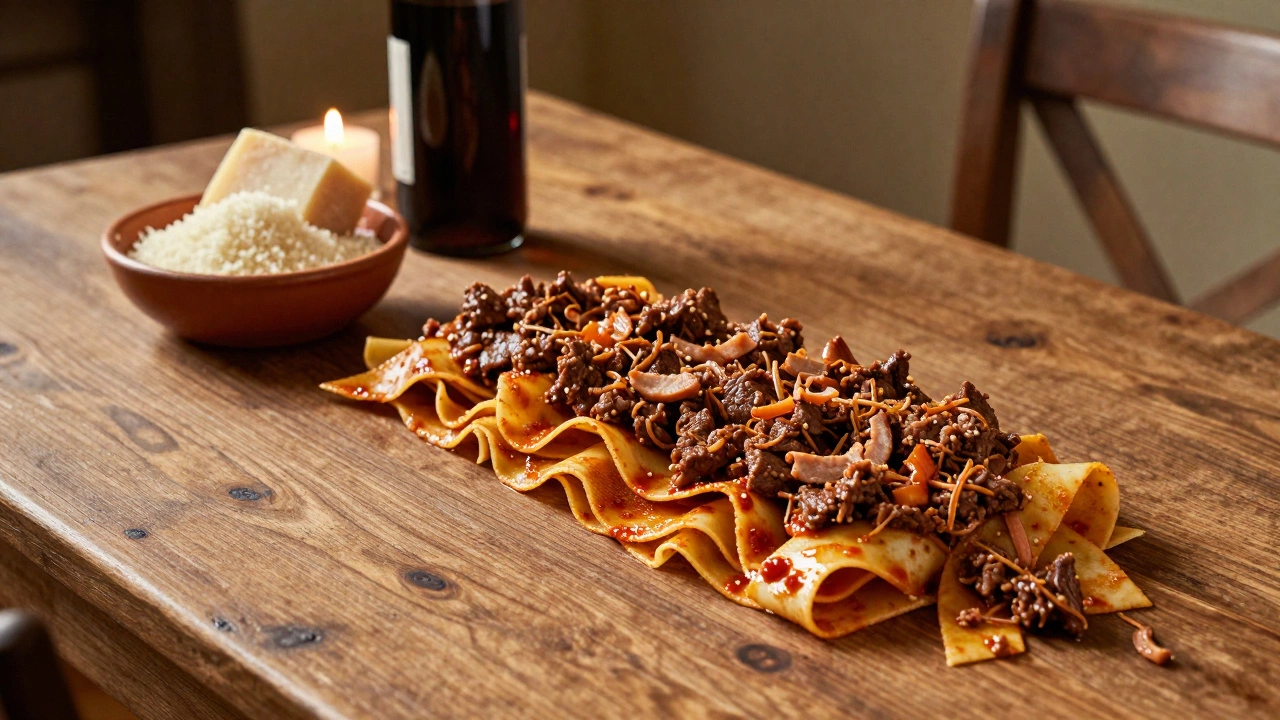
Here’s something most people get wrong: Bolognese sauce doesn’t go with spaghetti. It goes with tagliatelle. Flat, wide ribbons of egg pasta. Why? Because the sauce clings to it. The texture matches. In Bologna, ragù is made with ground beef, pancetta, onions, carrots, celery, wine, and a touch of tomato. It simmers for three hours. It’s not spicy. It’s not chunky. It’s rich, smooth, and deeply savory.
In 1982, the Bologna Chamber of Commerce officially registered the recipe. It’s a protected tradition. You won’t find this version outside Italy. But if you’ve ever tasted it, you know why locals say it’s the soul of Italian cooking.
Penne and Rigatoni: The Modern Favorites
These tube-shaped pastas didn’t exist 100 years ago. They were invented in the 19th century with the rise of industrial pasta production. But they quickly became staples. Why? They hold sauce inside. Perfect for arrabbiata, vodka sauce, or creamy mushroom ragù.
In modern Italian homes, penne is the go-to for quick weeknight meals. Rigatoni, with its ridges, is loved for its texture. Both are found in every supermarket. But they’re not the heart of tradition. They’re the practical choice.
Why Carbonara Might Be the Answer
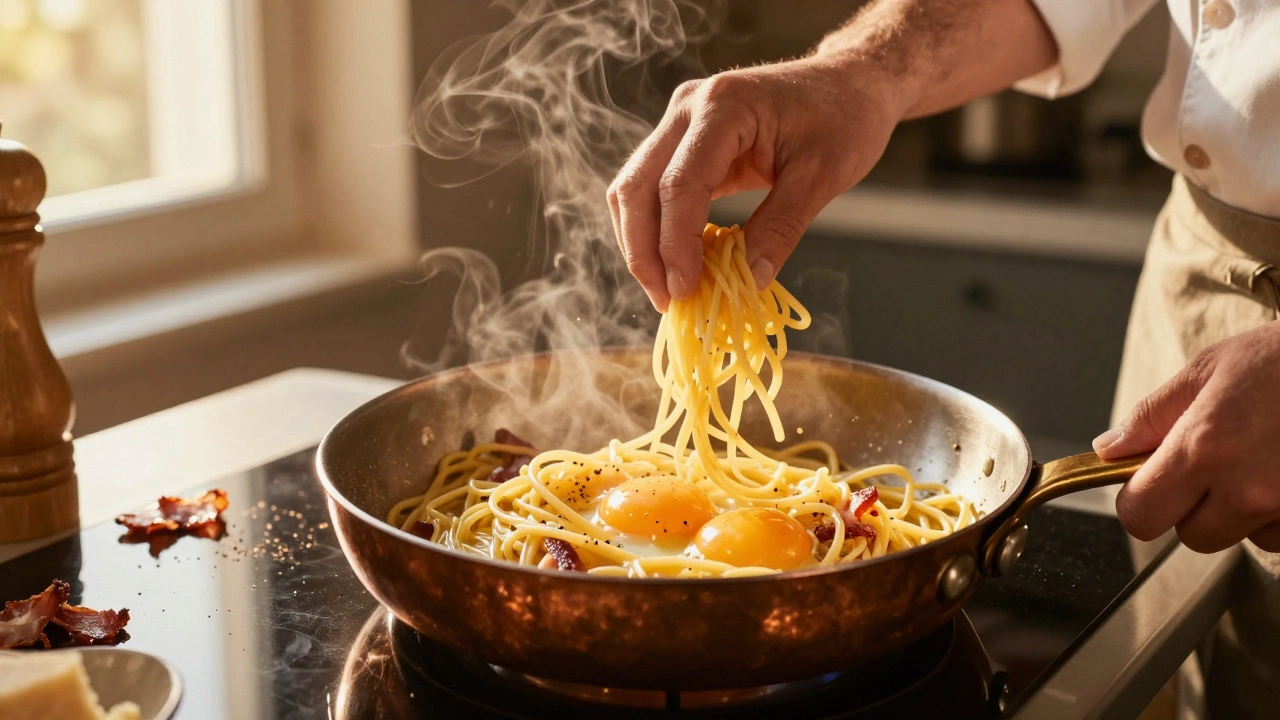
Let’s be honest - if you had to pick one pasta that Italians are most proud of, it’s probably spaghetti carbonara. Not because it’s fancy. But because it’s pure. Four ingredients: eggs, Pecorino Romano, guanciale (cured pork cheek), and black pepper. No cream. No garlic. No onions. Just those four, mixed together with hot pasta and a little pasta water.
It was invented after World War II, possibly by Italian workers near Rome who used American rations of eggs and bacon. Today, it’s a symbol of Roman identity. Ask any Roman what their favorite pasta is, and they’ll say carbonara. Not because it’s complicated. But because it’s perfect.
It’s also the one that causes the most arguments. Tourists ask for cream. Some restaurants serve it with garlic. Purists will walk out. And that’s the point. Carbonara isn’t just food. It’s a cultural statement.
The Real Winner? It Depends
There’s no single answer. Italy doesn’t have one most famous pasta. It has many. Each region has its own. Each family has its own. But if you had to pick the one that’s most loved, most talked about, and most defended - it’s carbonara.
Why? Because it’s simple. Because it’s honest. Because you can’t fake it. If the eggs turn into scrambled eggs, you’ve failed. If the guanciale is replaced with pancetta, purists will notice. If you add cream - you’re not Italian.
It’s not about popularity. It’s about pride. And that’s why carbonara, in its purest form, stands above the rest.
What to Try If You Visit Italy
- In Rome: Spaghetti carbonara at a family-run trattoria. Skip the places with English menus.
- In Bologna: Tagliatelle al ragù. Make sure it’s made with fresh egg pasta.
- In Naples: Lasagna with béchamel and ragù. Eat it on a Sunday.
- In Sicily: Spaghetti with sardines and fennel. It’s strange, but unforgettable.
- In Milan: Risotto alla Milanese - yes, it’s not pasta, but it’s just as iconic.
Common Mistakes Tourists Make
- Asking for "spaghetti Bolognese" - it doesn’t exist in Italy.
- Ordering carbonara with cream - it’s not traditional.
- Using grated Parmesan on seafood pasta - it’s a sin.
- Expecting pasta as a side dish - it’s the main course.
- Not drinking wine with your pasta - Italians always do.
What is the most famous pasta in Italy?
There isn’t one single answer, but spaghetti carbonara is widely considered the most iconic. It’s simple, deeply traditional, and fiercely defended by Italians - especially in Rome. Other strong contenders include tagliatelle al ragù from Bologna and lasagna from Emilia-Romagna.
Is spaghetti the most popular pasta in Italy?
Spaghetti is popular, but not the most loved. It’s eaten often, especially with simple sauces like aglio e olio or cacio e pepe. But in terms of cultural significance, dishes like carbonara, tagliatelle al ragù, and lasagna carry more weight. Italians value regional traditions over national trends.
Why is carbonara so special in Italy?
Carbonara is special because it uses only four ingredients - eggs, Pecorino Romano, guanciale, and black pepper - and it’s made without cream. It’s a dish born from necessity after WWII, but it became a symbol of Roman identity. Getting it right requires skill: the eggs must emulsify into a silky sauce, not scramble. That’s why Italians take it seriously.
Can you get real Italian pasta outside Italy?
Yes, but it’s rare. Look for restaurants that use fresh egg pasta, authentic ingredients like guanciale or Pecorino Romano, and follow regional recipes. Many places outside Italy serve Americanized versions. The real thing is often found in small, family-run spots with no English menu.
What’s the difference between Bolognese sauce and ragù?
"Bolognese" is an American term. In Italy, it’s called ragù alla bolognese. It’s a slow-cooked meat sauce made with ground beef, pancetta, onions, carrots, celery, wine, and a little tomato. It’s never served with spaghetti - only with tagliatelle. The sauce is rich, smooth, and not overly tomatoey. Many restaurants outside Italy get it wrong by using too much tomato or serving it with the wrong pasta.