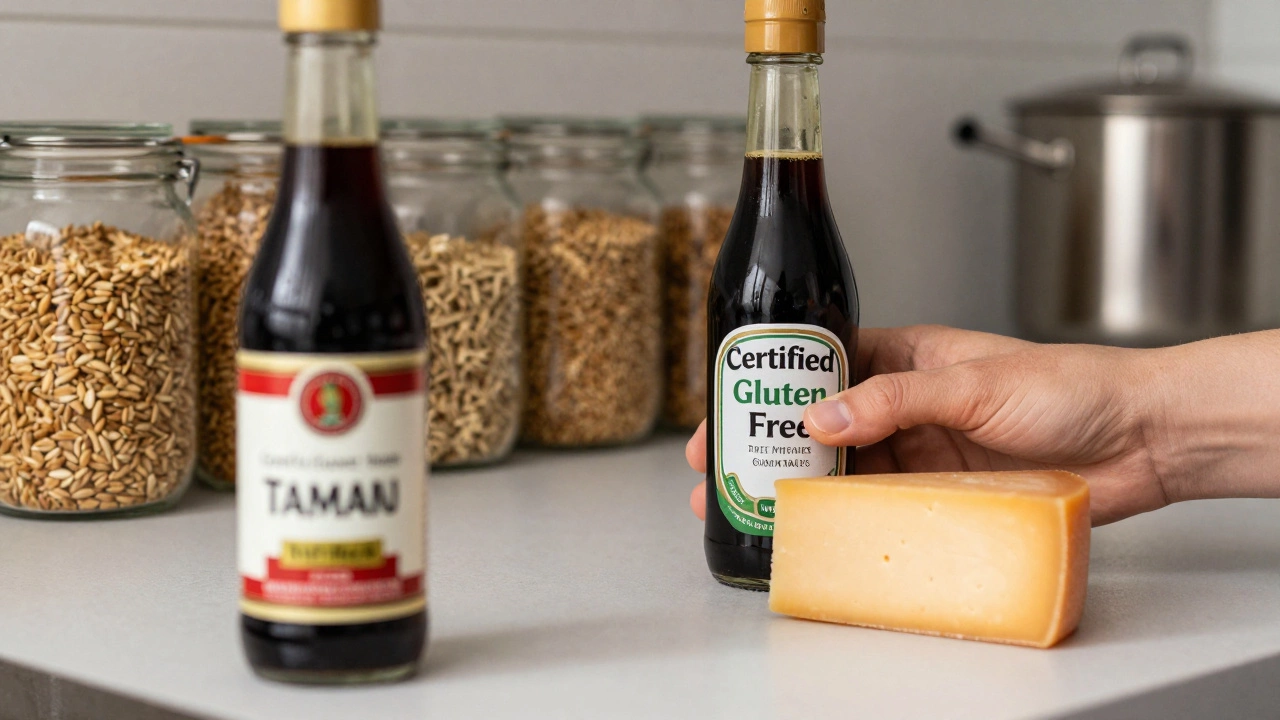
Hidden Gluten Risk Checker
It’s not just bread that hides gluten. While most people know to avoid standard loaves and bagels, the real danger lies in the unexpected places. A single crumb of gluten, a protein found in wheat, barley, and rye, can trigger severe inflammation for someone with Celiac disease. For those with non-Celiac gluten sensitivity, it means bloating, brain fog, and fatigue. The question isn't just "what contains gluten?" but rather, "where is gluten hiding when I least expect it?"
The Obvious Offenders: Wheat, Barley, and Rye
Let’s start with the big three. If you are avoiding gluten, these grains are your primary enemies. Wheat is the most common source, appearing in everything from pasta to soy sauce. But Barley is often overlooked because it shows up in malt vinegar, beer, and some soups. Rye is less common but still dangerous, typically found in specific artisanal breads and some vodkas.
The problem isn’t just eating a bowl of cereal. It’s cross-contamination. Many facilities process gluten-free oats alongside wheat. Even if the oats themselves don’t contain gluten, the machinery might have residual flour on it. Always look for the "Certified Gluten-Free" label, which ensures testing below 20 parts per million (ppm).
Hidden Gluten in Sauces and Condiments
This is where most people slip up. You think you’re eating a safe meal, but the sauce is loaded with hidden gluten. Why? Because gluten acts as a thickener. Manufacturers use wheat flour or modified food starch (often derived from wheat) to give sauces a smooth texture.
- Soy Sauce: Traditional soy sauce is made with wheat. Unless it says "Tamari" or "Gluten-Free Soy Sauce," avoid it.
- Gravy: Most store-bought gravies use wheat flour as a roux. Make your own with cornstarch or arrowroot powder instead.
- Ketchup and BBQ Sauce: Some brands add wheat-based thickeners or malt flavoring. Check the ingredient list carefully.
- Dressing: Caesar and Italian dressings often contain anchovies processed with gluten or wheat-based stabilizers.
The Bakery Trap: More Than Just Bread
If you love baking, you know that gluten gives structure. Without it, cakes can be dry or crumbly. This is why many commercial baked goods hide gluten in plain sight. Don’t assume a cookie is safe just because it doesn’t look like bread.
Watch out for seitan, which is pure wheat gluten. It’s used as a meat substitute, but even trace amounts in mixed dishes can cause issues. Also, beware of maltodextrin. While usually corn-based in the US, it can be wheat-based in Europe. Always check the origin if you are highly sensitive.
| Food Item | Why It Contains Gluten | Safe Alternative |
|---|---|---|
| Soy Sauce | Wheat is a main ingredient | Tamari (GF certified) |
| Malt Vinegar | Derived from barley | Apple cider vinegar or distilled white vinegar |
| Cheese Snacks | Anti-caking agents often use wheat starch | Shredded cheese bought in bulk (not pre-shredded) |
| Licorice Candy | Often uses wheat flour as a binder | Gelatin-based candies or GF licorice brands |
| Oatmeal | Cross-contamination during processing | Certified Gluten-Free Oats |
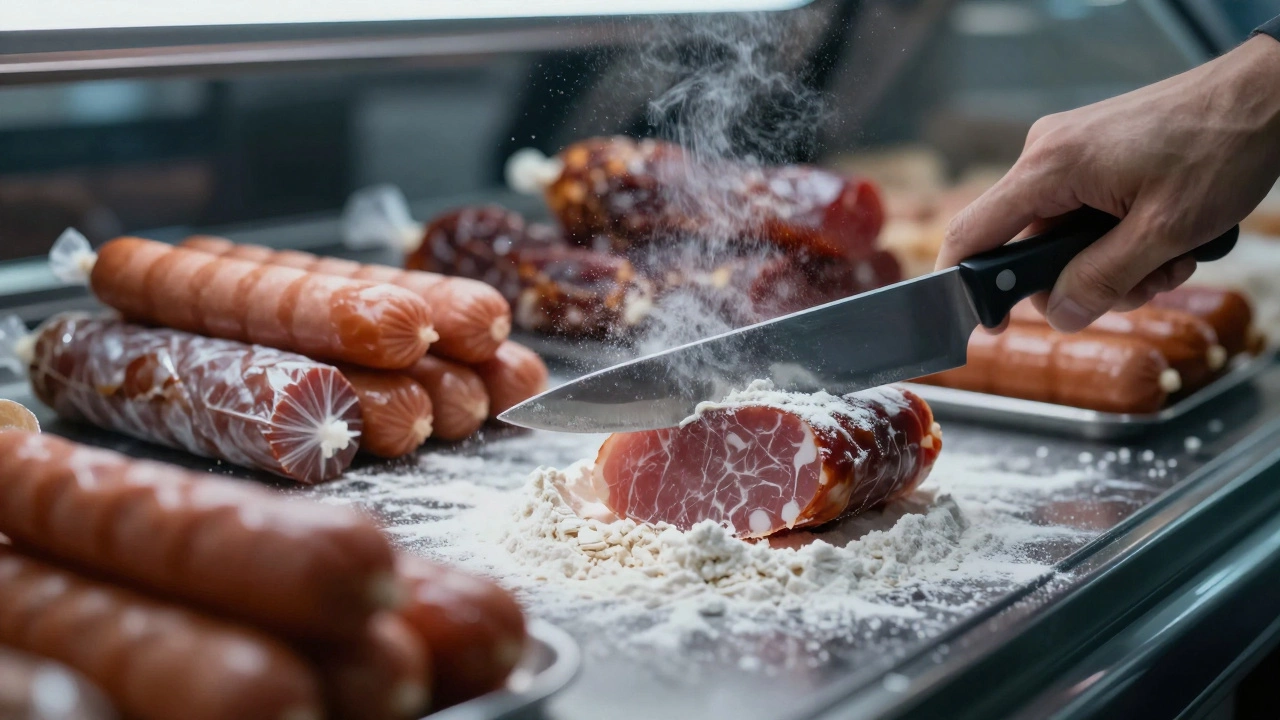
Processed Meats and Deli Counter Risks
You might think meat is naturally gluten-free. In its raw state, it is. But once it hits the factory floor, things change. Hot dogs, sausages, and deli meats often contain fillers, binders, or preservatives that include gluten.
Look for natural flavors or spices on the label. Sometimes, spices are pre-mixed with anti-caking agents like wheat flour. Additionally, deli counters are high-risk zones. The same knife slicing a ham sandwich might slice your turkey next. Always ask for fresh cuts from a clean surface.
Beverages: Beer, Coffee, and Smoothies
Beer is the biggest offender here. Traditional beer is brewed from barley malt. Even if it tastes light, it contains gluten. Look for beers specifically labeled "Gluten-Removed" or those made from sorghum, rice, or millet.
Coffee seems safe, but flavored syrups often contain wheat-based thickeners. Frappuccinos and milkshakes at coffee shops are also risky due to shared equipment with waffle makers or ice cream scoops that touched gluten-containing toppings.
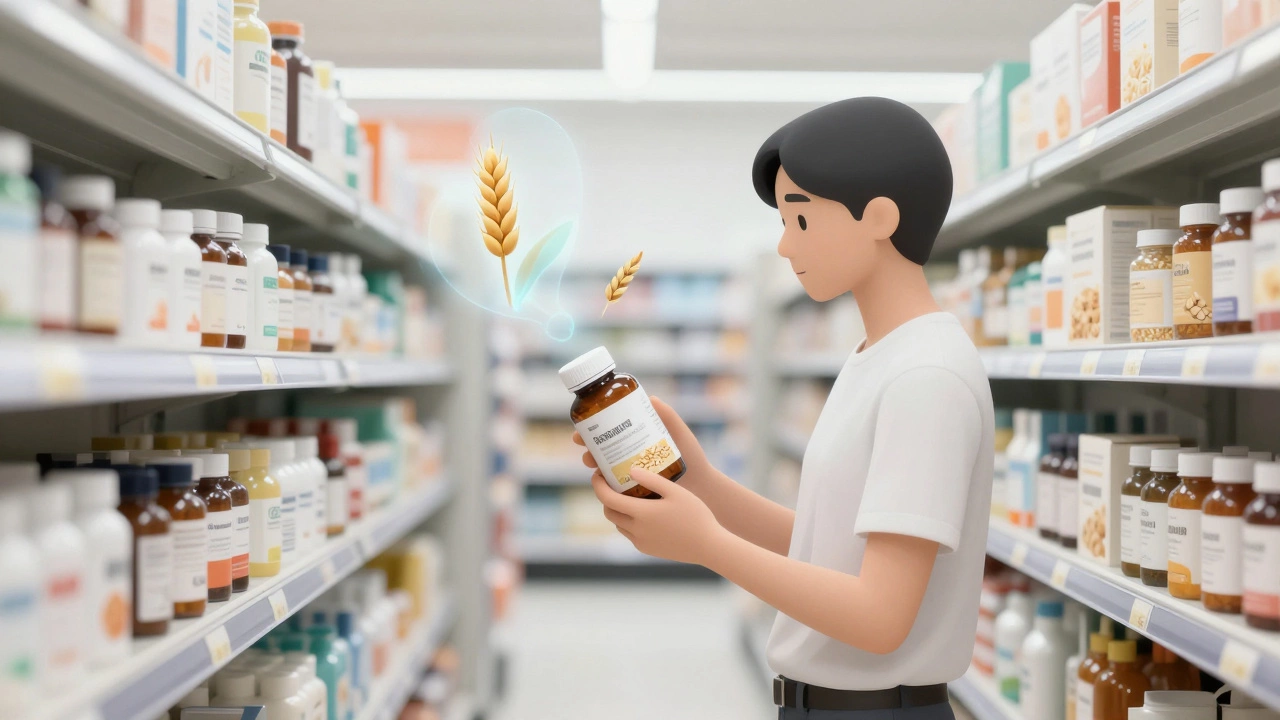
Medications and Supplements
This is the most surprising category. Pills aren’t just active ingredients; they need binders to hold their shape. Starch is commonly used, and sometimes that starch comes from wheat. If you are taking multiple medications, talk to your pharmacist about gluten-free alternatives. This is crucial for maintaining strict adherence to a gluten-free lifestyle.
How to Read Labels Like a Pro
In the UK and EU, laws require manufacturers to highlight gluten-containing cereals in bold text within the ingredient list. However, "may contain traces of" warnings are voluntary. If you have Celiac disease, treat any "may contain" warning as a hard stop. If you have mild sensitivity, you might tolerate low-level cross-contact, but proceed with caution.
Learn the aliases for gluten. It doesn’t always say "wheat." Look for:
- Farina
- Spelt
- Triticale
- Seitan
- Malt
- Modified Food Starch (if source isn’t specified)
Building a Safe Kitchen Routine
Avoiding bad foods is only half the battle. Your kitchen environment matters. Use separate toasters for gluten-free bread. Toasters are notorious for trapping crumbs inside the slots. Invest in colored cutting boards-one color for gluten-free items only. Clean surfaces thoroughly before cooking, as flour dust can linger for days.
When dining out, communicate clearly. Don’t just say "I’m gluten-free." Say, "I have a medical condition where even small amounts of gluten make me very sick. Can this dish be prepared without any wheat, barley, or rye, and using clean utensils?" This specificity helps kitchen staff take appropriate precautions.
Is oatmeal safe for people avoiding gluten?
Oats themselves do not contain gluten, but they are frequently contaminated with wheat during farming and processing. To be safe, always choose oats labeled "Certified Gluten-Free." Regular grocery store oatmeal is generally not safe for those with Celiac disease.
What is the difference between Tamari and Soy Sauce?
Traditional soy sauce is made from soybeans and wheat. Tamari is a Japanese style of soy sauce that is traditionally made without wheat, though some modern versions may still contain small amounts. Always check the label for "Gluten-Free" certification to be sure.
Can I eat regular vinegar if I am gluten-free?
Distilled vinegar (like white vinegar) is generally safe because the distillation process removes gluten proteins. However, malt vinegar is made from barley and contains gluten. Apple cider vinegar and wine vinegar are also safe options.
Are all cheeses safe for a gluten-free diet?
Most natural cheeses are gluten-free. However, pre-shredded cheeses often contain anti-caking agents like wheat starch. Processed cheese slices and cheese spreads may also contain gluten thickeners. Stick to block cheese and shred it yourself for safety.
Why do medications sometimes contain gluten?
Pharmaceutical companies use various fillers and binders to create pills. Some of these binders, such as starch, can be derived from wheat. While the amount is tiny, it can be significant for those with severe Celiac disease. Always consult your pharmacist for gluten-free alternatives.