Parisian Food Budget Planner
Build Your Perfect Paris Day
Click on dishes to add them to your itinerary. Stay within your budget!
Morning Ritual
Classic Croissant
Flaky, buttery pastryPain au Chocolat
Chocolate-filled layersTraditional Baguette
Hot from the ovenLunch Selection
Jambon-Beurre
Ham, butter, cornichonsSteak-Frites
With sauce bernaiseGalette Complète
Ham, egg, Gruyère cheeseQuiche Lorraine
Warm savory tartDessert Treats
Artisan Macarons
Box of 6 assortedÉclair au Chocolat
Crisp choux pastryTarte Tatin
Upside-down apple tartEvening Indulgences
Cheese Selection
Brie, Roquefort, moreHouse Wine
Sancerre or BordeauxCafé Crème
Coffee with milkYour Paris Day
Click dishes to build your perfect day in Paris!
It’s easy to fall into the trap of thinking Paris is just a city of croissants and macarons, which are delicate almond meringue cookies sandwiched with ganache or buttercream. You’ve seen them on every Instagram feed. You know they’re pretty. But if you visit the City of Light and only eat what the tourists eat, you’re missing the soul of the place. Real Parisian food isn’t about posing for photos; it’s about ritual, texture, and history.
I’ve spent years navigating the narrow streets of Le Marais and the bustling markets of Montmartre, not as a critic, but as someone who loves how food connects people. When I ask locals what they can’t live without, the answers rarely start with the famous macaron shops on Rue du Faubourg Saint-Honoré. They talk about the smell of fresh bread at dawn, the crunch of a perfectly fried onion ring, and the warmth of a bowl of soup that’s been simmering since morning. Here is what you actually need to eat to understand Paris.
The Morning Ritual: It’s Not Just About Croissants
Your day in Paris should start like a local does: with a quick stop at a boulangerie, a traditional French bakery that sells fresh bread and pastries daily. While the croissant, a flaky, buttery pastry made from laminated dough, is iconic, don’t ignore its siblings. Look for the pain au chocolat, a rectangular pastry filled with two sticks of dark chocolate. A good one has layers so thin they shatter when you bite down, releasing steam and rich cocoa flavor. If the bottom is soggy, walk away. The best ones are golden brown, heavy with butter, and slightly crisp on the outside while remaining airy inside.
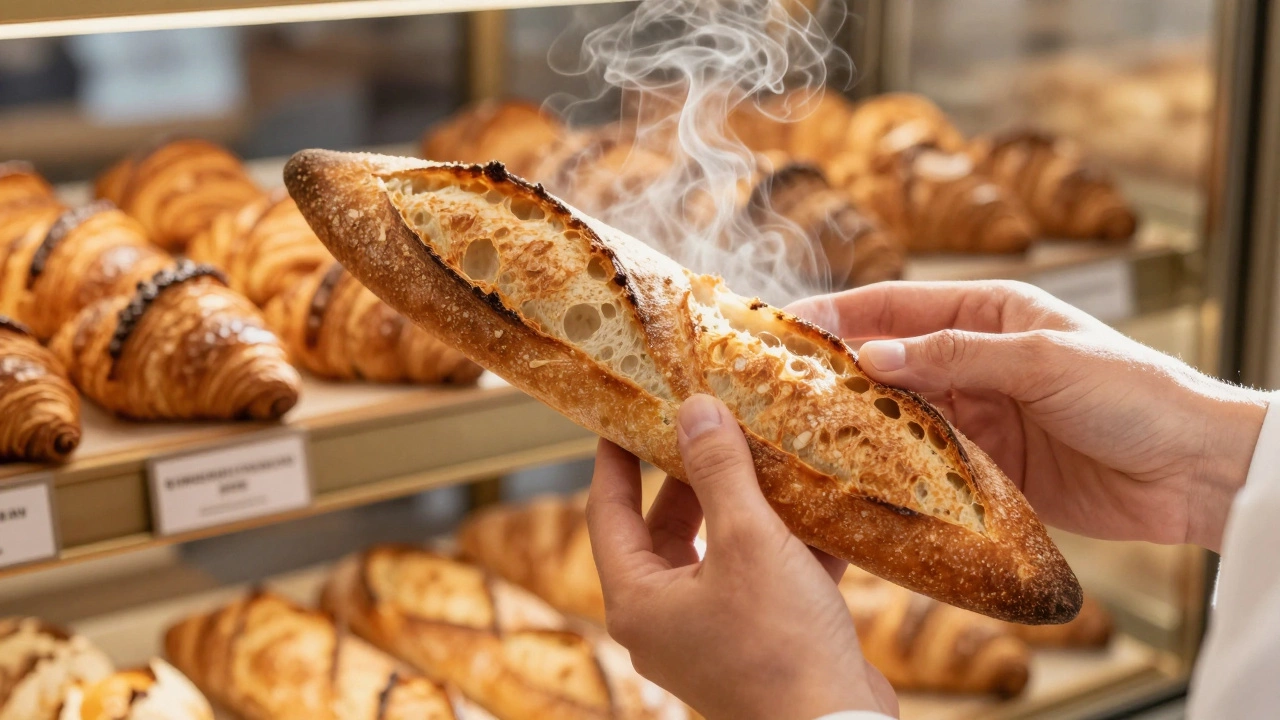
But here’s the secret most visitors miss: try the baguette tradition, a French law-regulated baguette made with only flour, water, salt, and yeast. In France, this specific type of baguette is protected by decree. It cannot contain preservatives, emulsifiers, or frozen dough. Buy one hot from the oven around 7 AM. Eat it plain. Yes, plain. The crust should sing when you snap it, and the interior, called the crumb, should be soft and irregular with large air pockets. This is the baseline of French baking. If a bakery can’t make a perfect baguette, their other products are suspect.
The Art of the Sandwich: Panini vs. Baguette
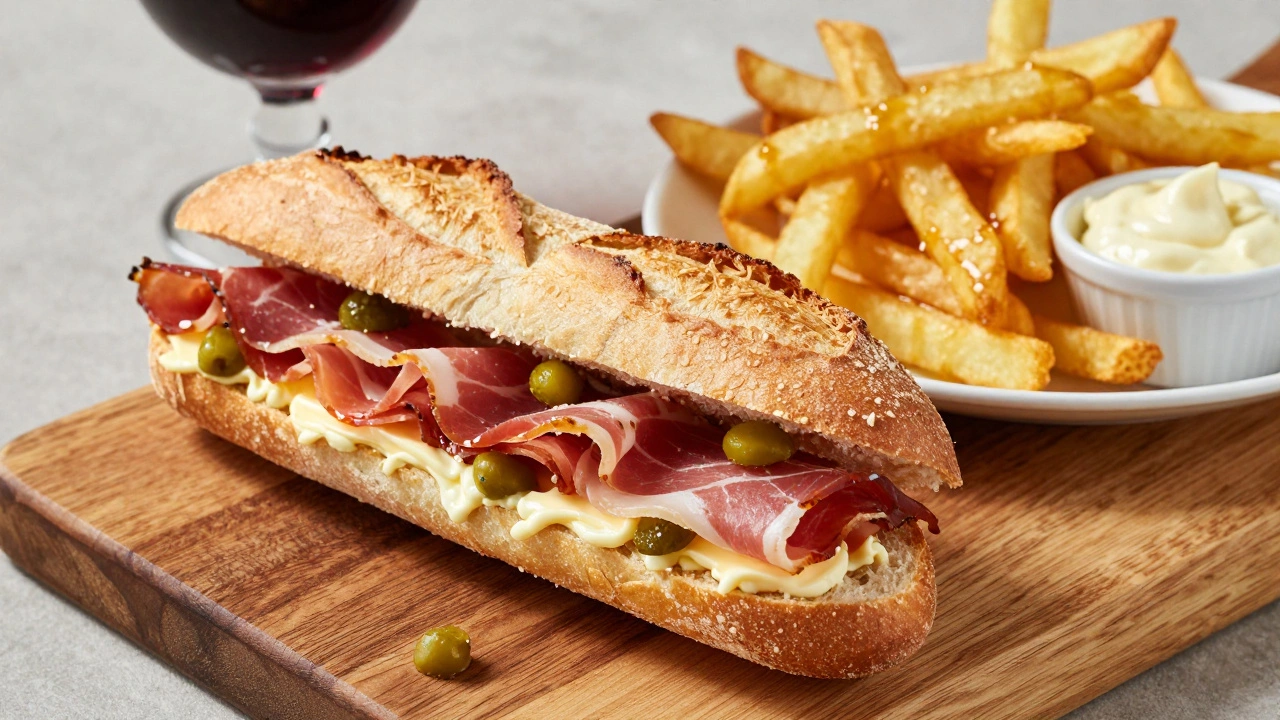
Lunch in Paris is often a standing affair at a counter, and the star is the sandwich, specifically the baguette-based meal popular in Parisian cafes. Forget the sub shops. You want a jambon-beurre. It sounds simple-ham and butter-but it’s an art form. The ham should be jambon blanc, delicate and lightly cured, not the thick, salty slices you might find elsewhere. The butter? It needs to be high-quality, preferably unsalted, spread generously on both sides of the bread. Add some cornichons (small pickles) for acidity. That’s it. No mayo, no lettuce, no cheese unless you really want it. This sandwich costs about €5-€7 and is the ultimate test of a cafe’s quality. If they rush it or use stale bread, leave immediately.
For something heartier, look for a steak-frites. This isn’t fancy restaurant fare; it’s bistro food. Order it with sauce bernaise or pommes frites served on the side. The fries should be double-fried: once to cook through, twice to crisp up. They should be skinny, not thick-cut like American steakhouse fries. Dip them in mayonnaise. I know, it sounds odd, but French mayo is lighter, tangier, and pairs perfectly with the salty, crispy potato. Pair this with a glass of house red wine, and you’ve had a meal that defines Parisian comfort food.
Savory Snacks: Beyond the Tourist Traps
If you’re walking along the Seine or wandering through Latin Quarter, you’ll see lines forming around small carts. Don’t just buy any crepe. Ask for a galette, a savory buckwheat crepe traditionally eaten in Brittany but popular throughout France. These are gluten-free by nature and have a nutty, earthy flavor. Fillings matter. Go for complète: ham, egg, and Gruyère cheese. The egg should be runny, acting as a sauce for the ham and cheese. Avoid the sweet fruit-and-whipped-cream versions unless you’re already stuffed. They’re fine, but the galette is where the real skill lies. A well-made galette has a lacy, browned surface and holds together without falling apart.
Another snack you can’t skip is the quiche Lorraine, a savory tart filled with eggs, cream, bacon, and sometimes gruyère cheese. Originally from the Lorraine region, it’s now a staple of Parisian bakeries. Look for one that’s freshly baked, with a puffed-up custard center that jiggles slightly when you touch the plate. The crust should be flaky, not tough. Eat it warm, maybe with a green salad dressed simply with oil and vinegar. It’s substantial enough to be a light lunch or a heavy snack.
Dessert Done Right: Macarons and More
Now, let’s talk about those macarons again. You asked about them, so here’s the truth: not all macarons are created equal. The big chains like Ladurée and Pierre Hermé are beautiful, yes, but they’re expensive and often overrated by locals. For a better experience, seek out smaller artisans. Look for shops like Stohrer in the Marais or Du Pain et des Idées. Their macarons might not have the glossy, perfect shells of the luxury brands, but they taste more intense. The filling should balance the sweetness of the shell. Try flavors like pistachio, salted caramel, or rose. Avoid neon colors-they usually mean artificial flavoring.
But don’t stop there. Paris is also home to the éclair, a elongated pastry filled with cream and topped with icing. A good éclair has a choux pastry shell that’s crisp on the outside and hollow inside, filled generously with pastry cream. Chocolate is classic, but try coffee or vanilla bean. The icing should be thin and shiny, not thick and cloying. And then there’s the tarte Tatin, an upside-down apple tart with caramelized apples and puff pastry. This is dessert with depth. The apples should be tender but not mushy, caramelized to a deep amber color. Serve it warm with a scoop of vanilla ice cream. It’s rustic, comforting, and utterly delicious.
Cheese and Wine: The Evening Wind-Down
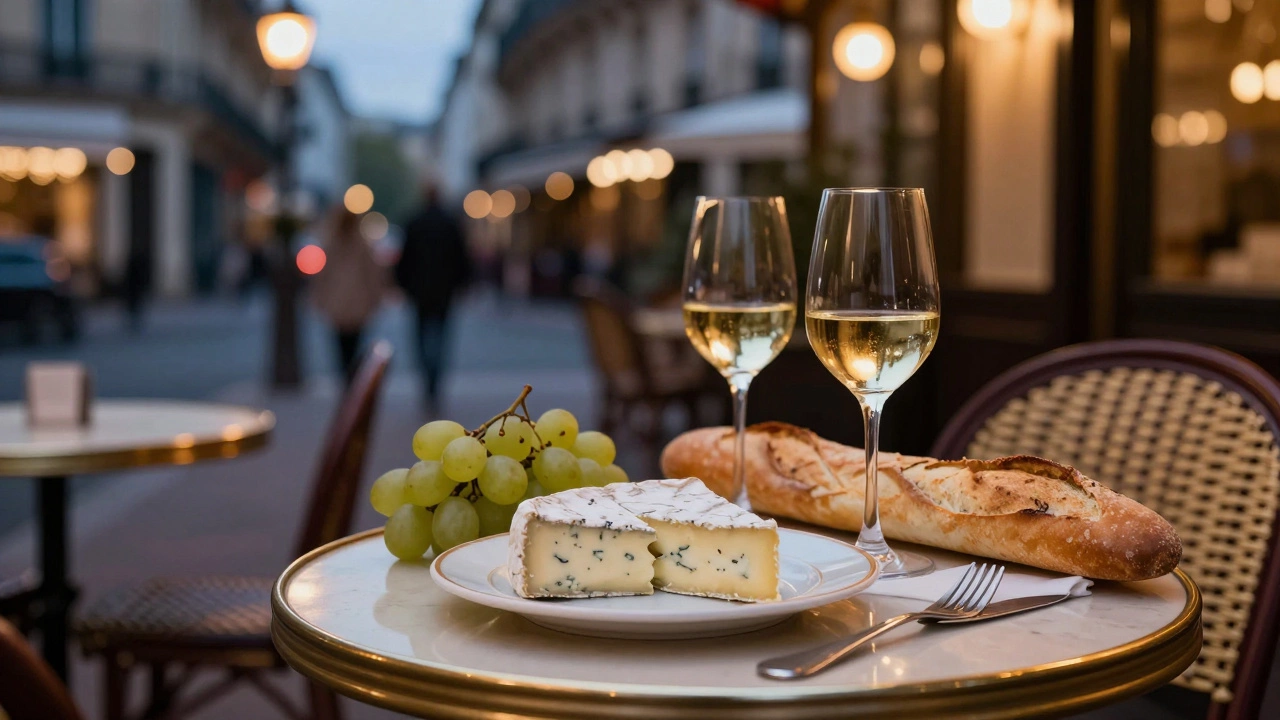
No trip to Paris is complete without visiting a fromagerie, a specialty shop dedicated to selling artisanal cheeses. Don’t go to the supermarket. Find a small shop with a sign that says Fromage and walk in. Tell the owner your budget and preferences. Do you like strong smells? Soft textures? Sharp flavors? They will curate a selection for you. Try Brie de Meaux for a creamy, mild option, or Roquefort for a punchy, blue cheese experience. Pair it with a baguette and some grapes. Drink a glass of Sancerre or Bordeaux. This isn’t just eating; it’s tasting the landscape of France.
Finally, end your night with a café crème or a digestif. Sit at a sidewalk café, watch the world go by, and savor the moment. Parisian food culture is slow, intentional, and deeply connected to community. It’s not about rushing through meals to fit more into your itinerary. It’s about stopping, tasting, and appreciating the craft behind every bite.
| Food Item | Best Time to Eat | Where to Find It | Price Range (€) |
|---|---|---|---|
| Croissant / Pain au Chocolat | Morning (6 AM - 10 AM) | Local Boulangerie | 1.50 - 3.00 |
| Jambon-Beurre Sandwich | Lunch (12 PM - 2 PM) | Bistro or Bakery Counter | 5.00 - 8.00 |
| Galette (Savory Crepe) | Snack or Lunch | Street Cart or Breton Restaurant | 6.00 - 10.00 |
| Macarons | Afternoon Tea or Dessert | Artisan Patisserie | 2.00 - 4.00 each |
| Steak-Frites | Dinner (7 PM - 9 PM) | Traditional Bistro | 15.00 - 25.00 |
Avoiding the Tourist Traps
How do you spot a bad restaurant? Look at the menu. If it has pictures of food, it’s a trap. If it’s available in five languages, it’s likely catering to tourists, not locals. If the waiter pulls you in off the street, run. Real Parisian restaurants don’t need to beg for customers. They rely on reputation. Walk into places with worn wooden tables, checkered tablecloths, and menus written in chalk on blackboards. These spots have been serving the same dishes for decades because they do them well.
Also, avoid eating near major landmarks like the Eiffel Tower or Notre Dame. The prices are inflated, and the quality is mediocre. Walk ten minutes away from these sites, and you’ll find better food for half the price. Locals eat in neighborhoods like Le Marais, Saint-Germain-des-Prés, and Belleville. Explore these areas, and you’ll discover hidden gems that guidebooks often miss.
What is the most authentic thing to eat in Paris?
The most authentic experience is eating a jambon-beurre sandwich from a local boulangerie or a steak-frites at a neighborhood bistro. These dishes reflect everyday Parisian life rather than tourist expectations.
Are macarons worth the hype?
Yes, but only if you buy them from artisan patisseries, not just the famous luxury chains. Smaller shops often offer more intense flavors and better value for money.
What time do Parisians eat dinner?
Most Parisians eat dinner between 7:30 PM and 9:00 PM. Restaurants may not open until 7:00 PM, so planning earlier meals can result in limited options.
Is it rude to ask for water in a Parisian cafe?
No, but tap water (carafe d'eau) is free, while bottled water costs extra. Always specify "carafe d'eau" if you want free tap water to avoid being charged for bottled.
Where can I find the best cheese in Paris?
Visit a specialized fromagerie in neighborhoods like Le Marais or Saint-Germain. Look for shops with a wide variety of wheels displayed openly and knowledgeable staff willing to sample.