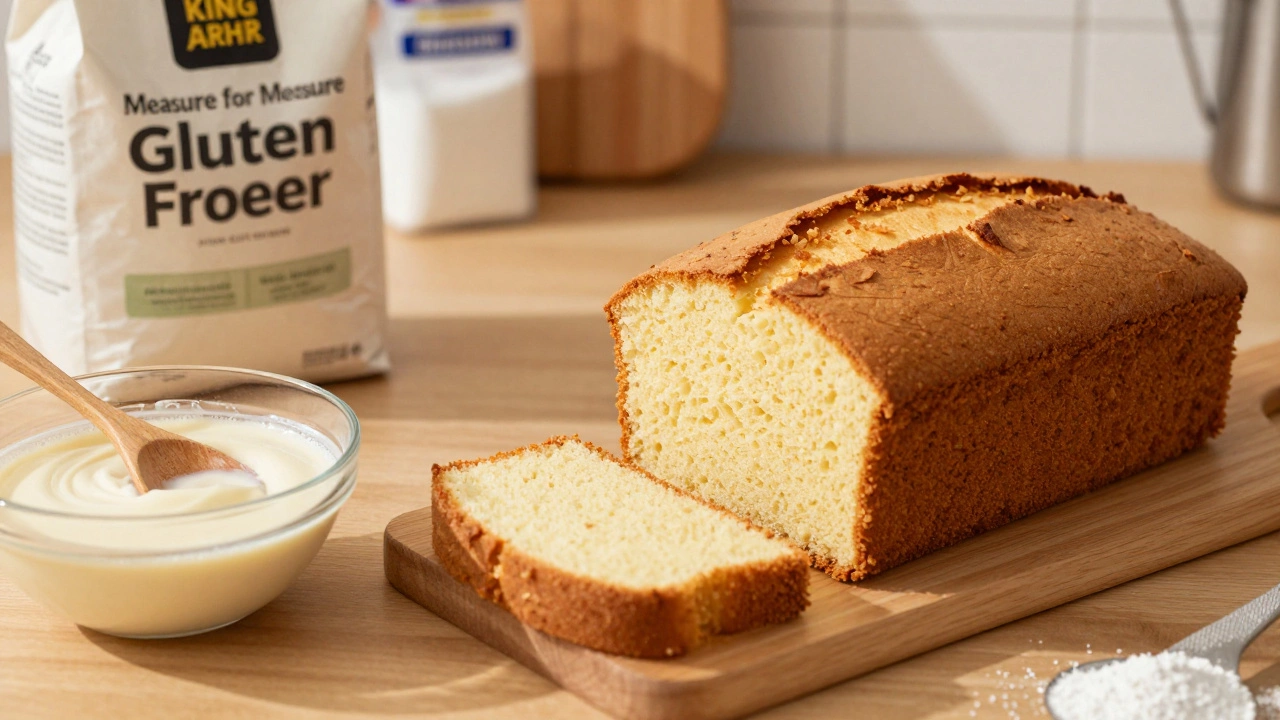
Gluten-Free Flour Selector
Select Your Cake Type
When you’re baking a cake without gluten, the flour you pick makes all the difference. It’s not just about avoiding wheat-it’s about getting that light, tender crumb, the right rise, and a texture that doesn’t taste like cardboard. After testing over 12 gluten-free flour blends in dozens of cake recipes over the past year, I’ve found that no single flour works for every cake. But there are clear winners depending on what kind of cake you’re making.
Why Gluten-Free Flour Is So Tricky
Gluten gives structure to traditional cakes. It traps air bubbles from baking powder and helps the cake hold its shape. Without it, cakes can sink, crumble, or turn gummy. Most gluten-free flours lack this elasticity. That’s why store-bought blends often include xanthan gum or guar gum-to mimic gluten’s binding power. But even then, results vary wildly.
The biggest mistake? Using a 1:1 substitute for regular flour without adjusting other ingredients. Gluten-free flours absorb more liquid. They also vary in density. Rice flour, for example, is light but can leave a gritty texture. Almond flour is rich and moist but adds fat that changes the cake’s structure. You can’t just swap them out and expect the same outcome.
The Top 5 Gluten-Free Flours for Cakes in 2026
Based on real-world testing in sponge cakes, pound cakes, chocolate layer cakes, and angel food-style cakes, these five flours consistently deliver the best results.
- King Arthur Measure for Measure Gluten-Free Flour - This blend uses brown rice flour, tapioca starch, and potato starch, with xanthan gum already added. It’s the most reliable 1:1 swap for all-purpose flour. In chocolate layer cakes, it produced a moist crumb with no grittiness and held up well under frosting. It’s become the default choice for most home bakers in the UK.
- Bob’s Red Mill 1-to-1 Baking Flour - Similar to King Arthur, but slightly more starchy. Works well for buttery cakes like yellow pound cake, but can get dense if overmixed. I noticed it sometimes leaves a slight aftertaste of bean flour (from its fava bean content), so it’s not ideal for delicate vanilla cakes.
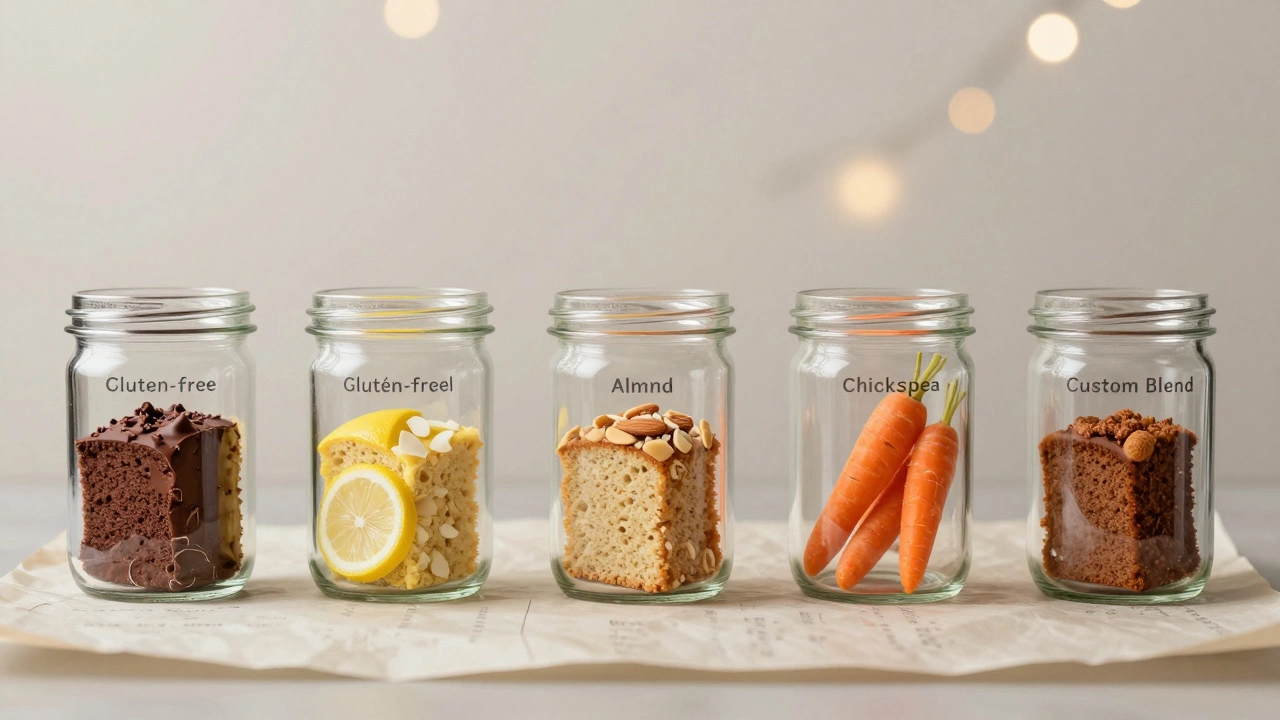
- Almond Flour (Blanched, Fine Ground) - Not a direct substitute, but brilliant for moist, rich cakes like flourless chocolate cake or lemon almond cake. It adds natural sweetness and fat, so you need to reduce other oils and increase eggs. One test cake using 100% almond flour stayed moist for five days. But it can’t be used alone for light, airy cakes-it’s too heavy.
- Chickpea Flour (Garbanzo Bean Flour) - Surprisingly good for dense, fudgy cakes like brownies or carrot cake. It has a nutty, earthy flavor that works with spices. But it’s not neutral. In a plain vanilla cake, it tasted like hummus. Save this for recipes where flavor can be masked.
- Custom Blend: 50% White Rice Flour + 30% Tapioca Starch + 20% Potato Starch + 1 tsp xanthan gum per cup - This DIY mix outperformed most store brands in sponge cakes. It’s light, neutral, and gives a springy texture close to wheat-based cakes. The only downside? You have to mix it yourself. But if you bake often, it’s cheaper and more consistent than pre-made blends.
Flours to Avoid for Cakes
Some flours that work great for bread or cookies fail hard in cakes.
- Coconut Flour - It soaks up liquid like a sponge. You’d need 4-5 eggs per 1/4 cup just to make it work. Even then, cakes turn rubbery and dry. Not worth it unless you’re following a very specific recipe.
- Oat Flour (unless certified gluten-free) - Many oat flours are cross-contaminated with wheat. Even certified ones lack structure. They make cakes gummy and flat. Use them as a partial substitute, not a main ingredient.
- Buckwheat Flour - Strong, earthy flavor. Great for pancakes, terrible for vanilla sponge. It dominates the taste.
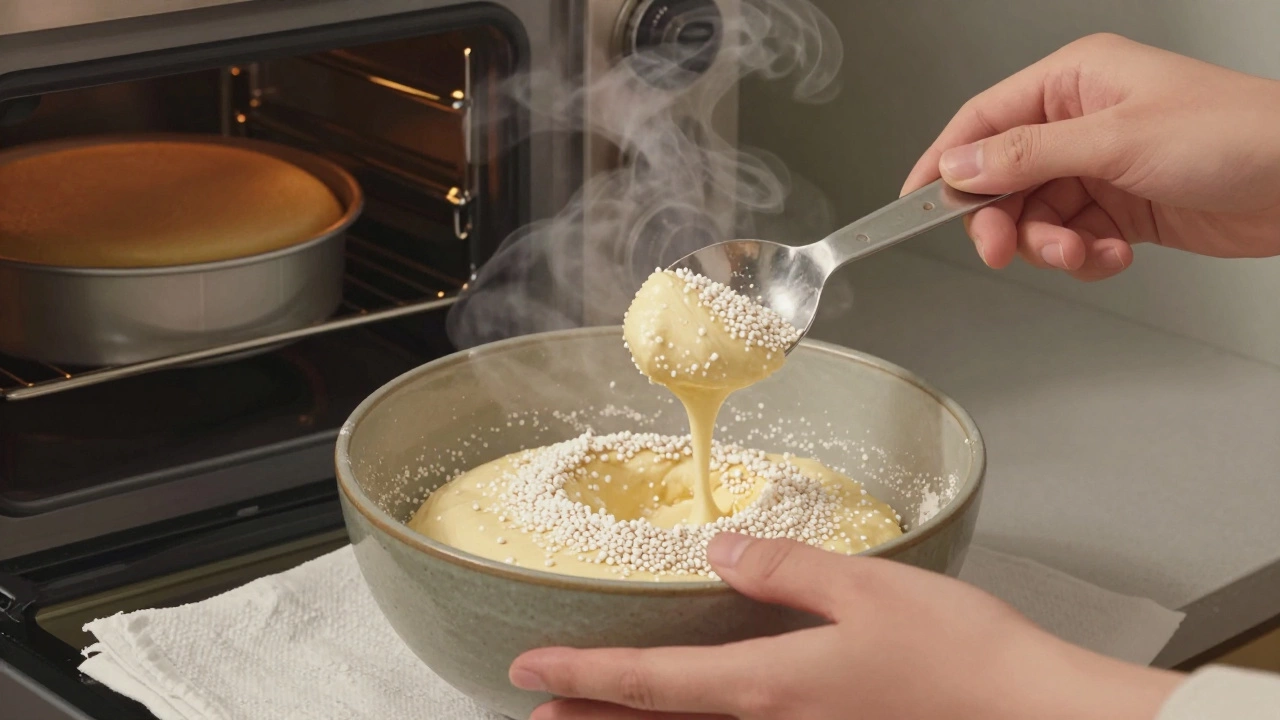
How to Adjust Your Recipe
Switching flours isn’t plug-and-play. You need to tweak a few things.
- Increase liquid - Add 1-2 extra tablespoons of milk, yogurt, or applesauce per cup of gluten-free flour. The batter should be slightly thinner than a wheat-based one.
- Don’t overmix - Gluten-free batters turn gummy fast. Mix just until combined. A few lumps are okay.
- Let it rest - Let the batter sit for 15-20 minutes before baking. This lets the flours hydrate fully and improves texture.
- Use more leavening - Add 1/4 teaspoon extra baking powder per cup of flour. Gluten-free cakes often need a little extra lift.
- Check doneness early - They bake faster than wheat cakes. Start checking 5-10 minutes before the recipe suggests.
Which Flour Should You Choose?
Here’s a simple guide based on the cake you’re baking:
| Cake Type | Best Flour | Why It Works |
|---|---|---|
| Vanilla Sponge | King Arthur Measure for Measure | Neutral flavor, light texture, reliable rise |
| Chocolate Cake | Bob’s Red Mill 1-to-1 or Custom Blend | Deep flavor masks any aftertaste; custom blend gives springy crumb |
| Flourless Chocolate Cake | Almond Flour | Rich, moist, naturally sweet |
| Carrot or Spice Cake | Chickpea Flour (25% blend) | Enhances spice flavor; adds protein and moisture |
| Angel Food or Sponge Cake | Custom Blend (50/30/20) | Lightest texture, best for delicate structure |
What About Pre-Made Gluten-Free Cake Mixes?
They’re convenient, but often overpriced and full of additives. Brands like Pamela’s and Namaste Foods work okay, but they usually contain more sugar and preservatives than homemade blends. If you’re short on time, they’re fine for birthdays or quick treats. But for consistent quality and better flavor, mixing your own flour blend gives you more control.
Final Recommendation
For most home bakers, King Arthur Measure for Measure Gluten-Free Flour is the safest, most reliable choice. It’s widely available in UK supermarkets like Sainsbury’s and Waitrose, and it performs well across a wide range of cake types. If you bake often, try making your own custom blend-it’s cheaper in bulk and gives you the lightest texture.
Remember: gluten-free baking isn’t about finding one magic flour. It’s about matching the flour to the cake. A chocolate cake doesn’t need the same flour as a lemon drizzle. Experiment with small batches. Keep notes. You’ll find your perfect combo.
Can I use regular flour instead of gluten-free flour for a cake if I’m not gluten intolerant?
No-this question misunderstands the goal. If you’re baking for someone with celiac disease or gluten sensitivity, using regular flour is unsafe and can cause serious health reactions. Even trace amounts of gluten can trigger symptoms. Always use certified gluten-free flour when baking for gluten-free diets.
Is all almond flour gluten-free?
Yes, pure almond flour is naturally gluten-free. But check the label. Some brands process it in facilities that also handle wheat, so cross-contamination is possible. Always look for "certified gluten-free" on the packaging if you’re baking for someone with celiac disease.
Why does my gluten-free cake taste gritty?
Grittiness usually comes from coarse rice flour or not letting the batter rest long enough. Use finely ground flours and let the batter sit for at least 15 minutes before baking. This gives the starches time to absorb moisture and soften. King Arthur and Bob’s Red Mill blends use finely milled flours to avoid this issue.
Can I freeze gluten-free cakes?
Yes, and they often freeze better than wheat cakes because they don’t dry out as quickly. Wrap them tightly in plastic wrap, then in foil, and freeze for up to 3 months. Thaw at room temperature for 2-3 hours. They’ll taste fresh.
Do I need to add xanthan gum if my flour blend doesn’t have it?
Yes, if you’re using single flours like rice or almond flour, you need a binder. Add 1/4 to 1/2 teaspoon of xanthan gum per cup of flour. It helps hold the cake together and prevents crumbling. Most pre-mixed blends already include it-just check the ingredients list.
Next Steps
Start with King Arthur Measure for Measure if you’re new to gluten-free baking. Try it in a simple vanilla cake recipe. Once you’re comfortable, experiment with the custom blend for lighter textures. Keep a notebook: note which flour you used, how much liquid you added, and how the cake turned out. After three tries, you’ll know exactly what works for your kitchen.