Is Polenta Gluten-Free? The Truth About Cornmeal and Cross-Contamination
Discover if polenta is truly gluten-free. Learn about cross-contamination risks, safe buying tips, and how to enjoy this cornmeal staple safely.
If you’ve ever stared at a recipe and wondered whether it’s safe for a gluten‑free diet, you’re not alone. The good news? Baking without gluten is easier than you think, and you don’t have to sacrifice flavor or texture. Below you’ll find the basics of staying gluten‑free, the best flour alternatives, and quick tricks to keep your desserts safe and tasty.
Gluten is a protein found in wheat, barley, rye and their close relatives. Anything that lists those grains on the ingredient label is a no‑go for celiac patients and anyone avoiding gluten. But many pantry staples are naturally gluten‑free – think rice, corn, potatoes, and legumes. Chickpeas, for example, are a great source of protein and can be turned into a flour that behaves nicely in cakes and cookies. Just be sure the chickpea flour you buy is processed in a dedicated gluten‑free facility to avoid cross‑contact.
Cross‑contact is the sneaky culprit behind many “gluten‑free” mishaps. Keep separate cutting boards, utensils, and storage containers for gluten‑free items. If you share a kitchen with non‑gluten‑free bakers, a simple dedication of one shelf or drawer can save you a lot of headaches.
When swapping out wheat flour, the key is to balance starch and protein. No single flour works for every recipe, so keeping a few staples on hand is wise:
Here’s a quick 1:1 swap rule you can try: replace half the wheat flour with a gluten‑free blend (like rice + tapioca) and the other half with a nut‑based flour. Adjust the liquid by a few tablespoons if the batter looks thick.
Don’t forget about leavening. Some gluten‑free blends need a bit more baking powder or a dash of xanthan gum to mimic the elasticity wheat provides. A teaspoon of xanthan per cup of flour is a safe starting point.
Ready to put these tips to work? Check out our favorite gluten‑free posts for inspiration:
Each article dives deeper into ingredient lists, label reading, and tasty recipes that prove you don’t need wheat to create a show‑stopping dessert. Happy baking, and remember: with the right swaps and a clean workspace, gluten‑free treats can be just as indulgent as their traditional counterparts.
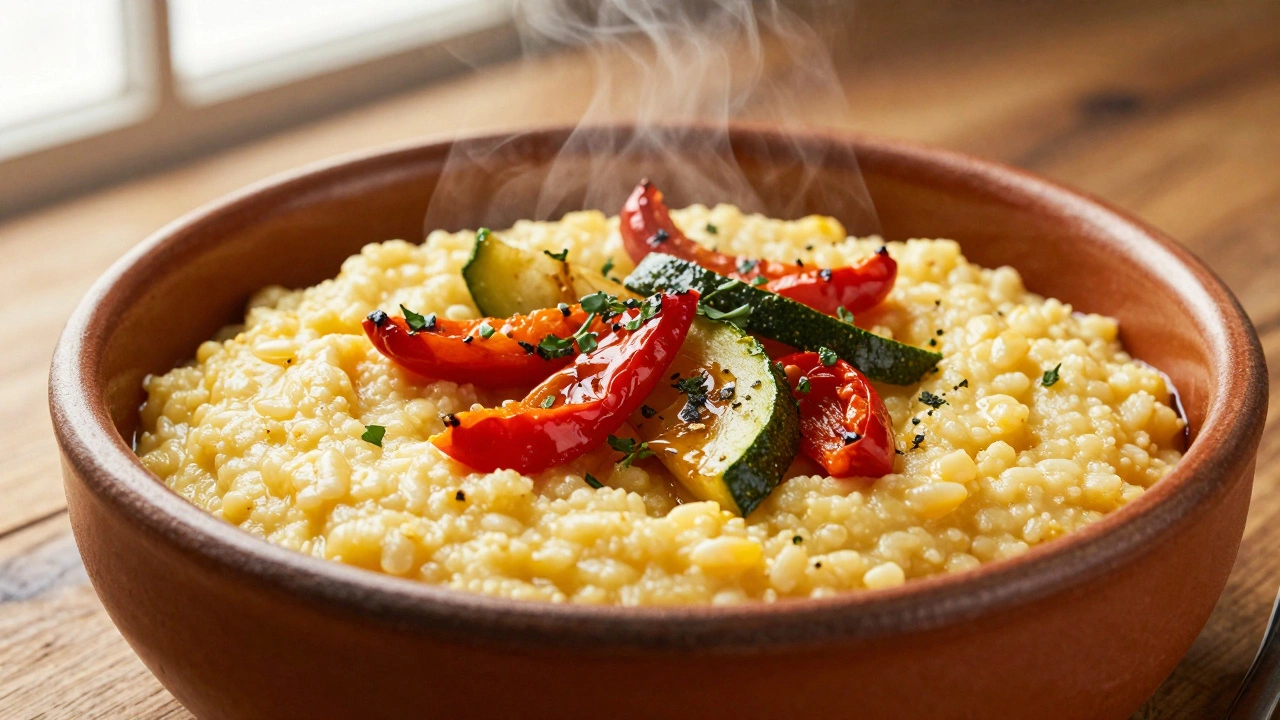
Discover if polenta is truly gluten-free. Learn about cross-contamination risks, safe buying tips, and how to enjoy this cornmeal staple safely.

Wondering if potatoes are safe for a gluten-free diet? This article breaks down whether potatoes contain gluten, how to use them in gluten-free cakes, and what to watch out for when baking. Learn about hidden gluten sources, tips for potato-based flours, and real-life baking hacks. Get straight answers so you can confidently whip up treats without gluten worries.
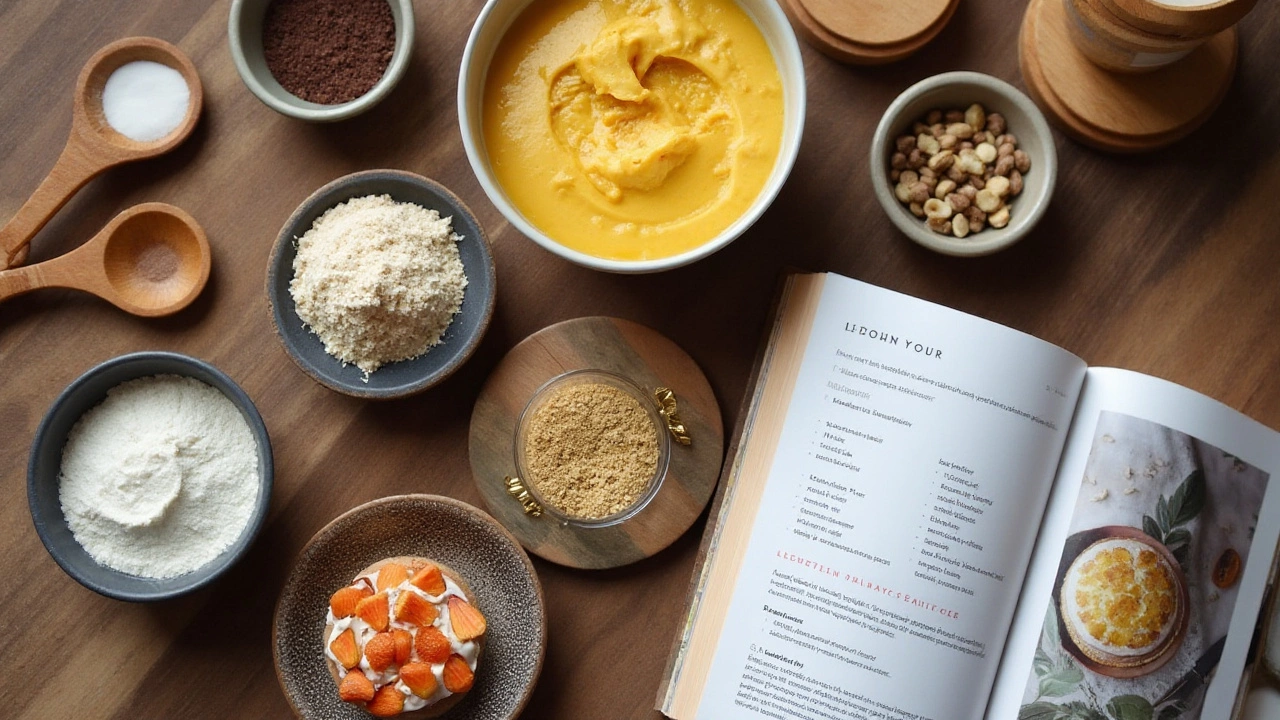
Cheesecake is a beloved dessert with a creamy texture that many people enjoy, but concerns arise for those who need to follow a gluten-free diet. The crust of traditional cheesecake often contains wheat-based ingredients, adding gluten. However, there are many alternatives to create a gluten-free version without compromising taste. From understanding the ingredients to knowing safe substitutions, this article dives into whether cheesecake can be made gluten-free and how to bake it successfully.