Gluten-Free Grain Safety Analyzer
Select a grain below to analyze its natural gluten content versus potential processing risks.
(Polenta)
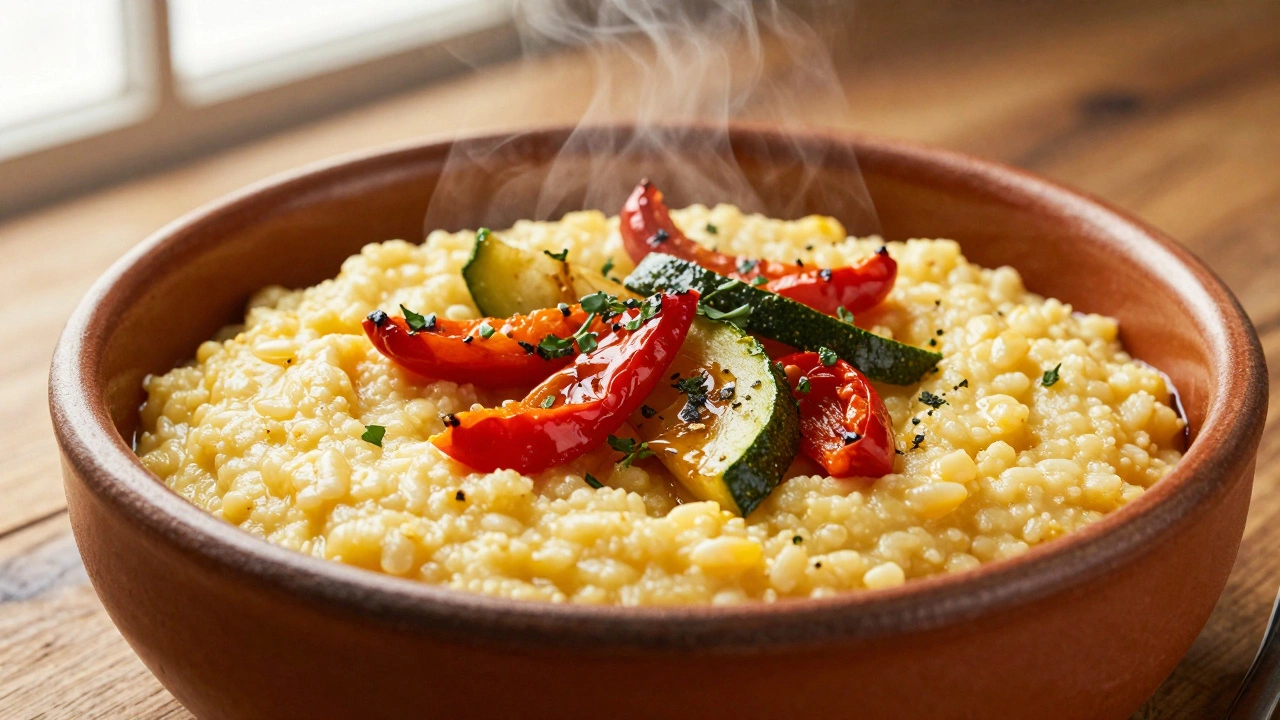
Picture this: you are craving something warm, creamy, and comforting. Maybe it is a rustic bowl of golden polenta topped with roasted vegetables, or perhaps you are eyeing a crispy polenta cake at a restaurant. You reach for the menu or the pantry, but then that familiar hesitation hits. If you are managing celiac disease or a gluten sensitivity, every grain matters. So, the big question remains: is polenta gluten-free?
The short answer is yes. Traditional polenta is made from cornmeal, which is naturally free of gluten. However, the food industry is tricky. Processing methods, shared equipment, and sneaky additives can turn a safe ingredient into a risk. Understanding the difference between pure corn and processed products is the key to eating safely without anxiety.
What Is Polenta Exactly?
To understand if it is safe, we first need to look at what polenta actually is. At its core, polenta is a dish made by cooking ground cornmeal in water or broth until it thickens into a porridge-like consistency. It has been a staple in Northern Italian cuisine for centuries, often served as a side dish or even a base for toppings like mushrooms, cheese, or meats.
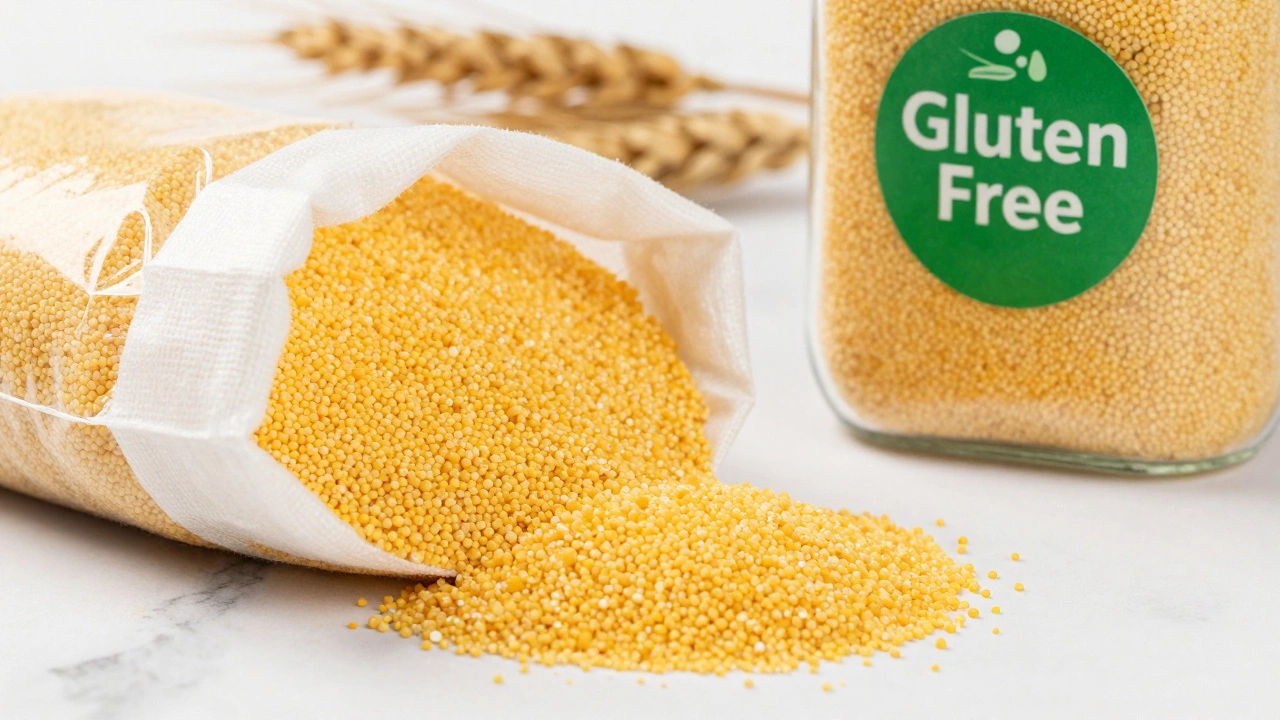
The primary ingredient is cornmeal, also known as maize flour. Corn is a grass species, distinct from wheat, barley, and rye. Because corn does not contain the proteins gliadin or glutenin, it is inherently gluten-free. This makes it a fantastic alternative for people who cannot eat wheat-based grains like semolina (used in traditional Italian pasta) or all-purpose flour.
However, not all cornmeal is created equal. In the UK and Europe, you will often see "polenta" sold as pre-cooked tubes or blocks. These convenience products sometimes include stabilizers, thickeners, or flavorings. While rare, some of these additives could theoretically carry gluten risks if derived from wheat sources, though modern labeling laws usually prevent this. Always check the label for "gluten-free" certification rather than just assuming the ingredient list is clean.
The Hidden Danger: Cross-Contamination
Here is where things get complicated. Even if corn is naturally gluten-free, the environment where it is processed matters immensely. This is the concept of cross-contamination, which refers to the unintentional mixing of gluten-containing ingredients with gluten-free foods during processing, storage, or preparation.
Many mills process both wheat and corn. If the same machinery is used to grind wheat flour and then cornmeal without thorough cleaning, microscopic traces of wheat protein can remain. For someone with mild sensitivity, this might not be an issue. But for someone with celiac disease, even 20 parts per million (ppm) of gluten can trigger an immune response and damage the small intestine.
This is why buying generic "cornmeal" from a bulk bin or a standard supermarket brand can be risky. You need to look for specific certifications. In the UK and EU, products labeled "gluten-free" must contain less than 20 ppm of gluten. Look for logos from organizations like Coeliac UK or the GFCO (Gluten-Free Certification Organization). These seals mean the product has been tested and verified, giving you peace of mind that the manufacturing process was controlled.
Polenta vs. Other Gluten-Free Grains
If you are exploring gluten-free baking or cooking, polenta is just one option. How does it compare to other popular gluten-free staples? Let’s break down the differences in texture, usage, and nutritional profile.
| Grain/Starch | Primary Use | Texture Profile | Gluten Risk Level |
|---|---|---|---|
| Cornmeal (Polenta) | Savory dishes, breading, cakes | Coarse, gritty, hearty | Low (if certified GF) |
| Rice Flour | Baking, noodles, pancakes | Fine, light, airy | Very Low |
| Quinoa Flour | Baking, protein boost | Dense, nutty, moist | Low (watch for oats mix) |
| Almond Flour | Cookies, muffins, crusts | Moist, dense, rich | N/A (Not a grain) |
| Semolina | Pasta, couscous | Chewy, firm | High (Contains Gluten) |
Notice that semolina is listed as high risk. This is a common point of confusion. Traditional Italian polenta is corn-based, but in some regions, "polenta" might refer to dishes made with other grains. Always verify the ingredient is maize/corn. Also, note that while almond flour is gluten-free, it is not a grain, so it behaves differently in baking. Cornmeal provides structure similar to wheat flour but lacks elasticity, which is why xanthan gum is often added in recipes.
Making Safe Polenta at Home
Cooking polenta from scratch is surprisingly easy and ensures total control over ingredients. Here is a simple method to make safe, creamy polenta:
- Choose Certified Cornmeal: Buy coarse-ground cornmeal labeled gluten-free. Fine cornmeal cooks faster but results in a smoother, less traditional texture.
- Boil Liquid: Bring 4 cups of water or vegetable broth to a boil in a heavy-bottomed pot. Add a pinch of salt.
- Add Cornmeal Slowly: Whisk in 1 cup of cornmeal gradually. Adding it all at once creates lumps. Keep whisking constantly.
- Simmer and Stir: Reduce heat to low. Cover partially and simmer for 20-30 minutes. Stir every 5 minutes to prevent sticking. The polenta is done when it pulls away from the sides of the pot.
- Finish with Fat: Stir in butter, olive oil, or Parmesan cheese (ensure the cheese is aged and free of anti-caking agents containing wheat starch).
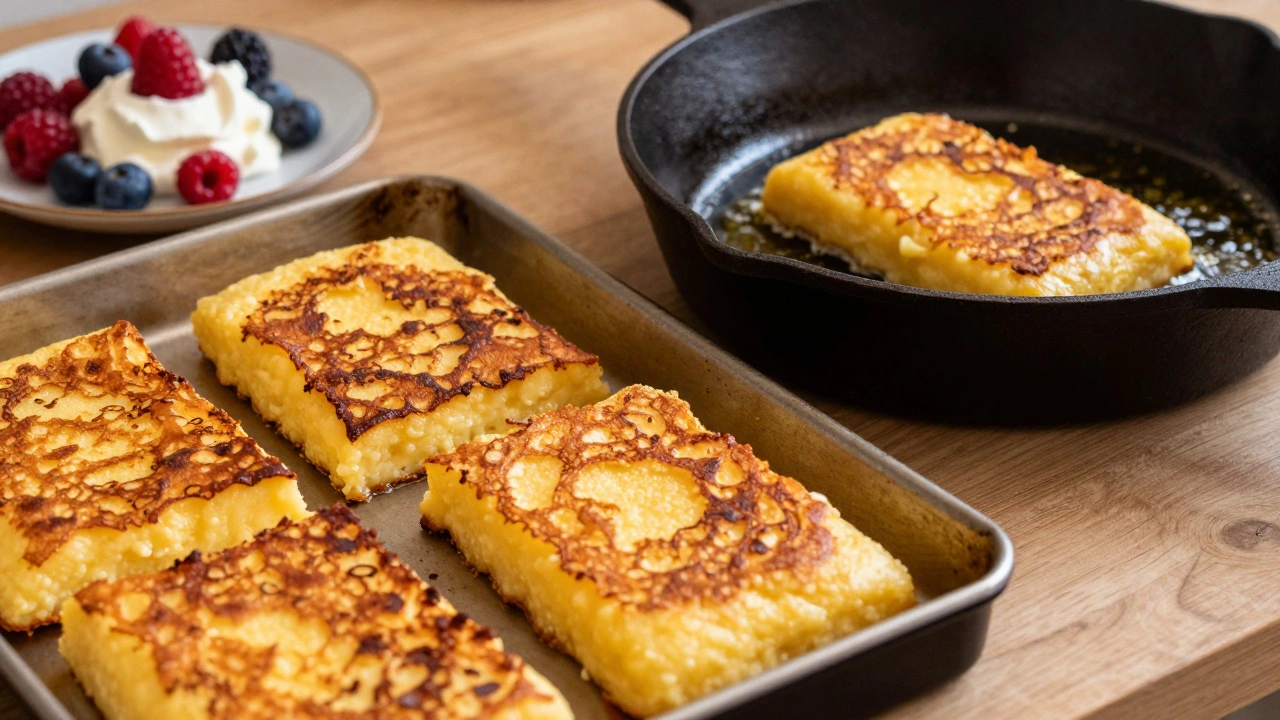
This basic recipe is versatile. You can pour it onto a baking sheet to cool, slice it into cakes, and fry them for a crispy exterior. This technique is popular in gluten-free dessert recipes too-imagine a sweet polenta cake topped with berries and cream.
Eating Out: Navigating Restaurants Safely
Ordering polenta at a restaurant requires caution. Kitchens are busy places, and cross-contact is a real threat. Here is how to handle it:
- Ask Specific Questions: Don’t just ask, "Is this gluten-free?" Ask, "Is the polenta made from certified gluten-free cornmeal, and is it cooked in a separate pot from pasta?"
- Beware of Sauces: Many polenta dishes come with sauces that contain flour thickeners or soy sauce (which contains wheat). Request sauces on the side or ask for a simple tomato or oil-based sauce.
- Check for Shared Fryers: If ordering fried polenta cakes, ensure they are not fried in the same oil as breaded chicken or fish.
- Trust Certified Establishments: Restaurants with dedicated gluten-free menus or staff trained in allergen management are safer bets.
In Bristol, many cafes now cater to dietary needs, but always double-check. A friendly conversation with the chef can go a long way in ensuring your meal is safe.
Polenta in Baking: A Secret Weapon
You might wonder why polenta belongs in a section about cakes. Well, cornmeal adds a unique crunch and flavor to baked goods. It is often used in gluten-free biscuit doughs, muffins, and even coffee cakes. The coarse texture contrasts nicely with soft crumb structures.
When substituting cornmeal for wheat flour in baking, remember that it absorbs more liquid. Start by replacing 10-20% of the flour in your favorite gluten-free cake recipe with cornmeal. This adds depth without making the cake too dense. Just ensure your other flours (like rice or almond) are also certified gluten-free to maintain safety.
Can I use regular cornmeal for polenta if I have celiac disease?
It is not recommended. Regular cornmeal may be processed in facilities that handle wheat, leading to cross-contamination. Always choose cornmeal specifically labeled "gluten-free" to minimize health risks.
Is instant polenta gluten-free?
Instant polenta can be gluten-free, but you must check the packaging. Some brands add stabilizers or flavorings that might contain gluten. Look for the "gluten-free" label or certification logo before purchasing.
What is the difference between polenta and grits?
Both are made from corn. Polenta typically uses coarser, yellow cornmeal common in Italy, while grits are finer, white cornmeal popular in the Southern US. Both are naturally gluten-free if processed correctly.
Can polenta be used in sweet desserts?
Yes! Sweet polenta is a traditional dessert in some cultures. You can cook polenta with milk, sugar, and vanilla, then top it with fruit compote or chocolate. It works well in gluten-free cakes for added texture.
How do I store leftover polenta?
Let cooled polenta solidify in a dish covered with plastic wrap. Slice it into portions and freeze. Reheat by frying slices in oil for a crispy texture or steaming for a softer result. Consume within 3 months for best quality.