
Italian-Brazilian Cultural Heritage Quiz
How much do you know about the deep cultural ties between Italy and Brazil? Take this quick quiz to find out.
Why did millions of Italians migrate to Brazil between 1870 and 1930?
What is a key difference between traditional Italian pizza and its Brazilian adaptation?
Which common Brazilian greeting word is derived directly from the Italian "Ciao"?
How did Italian immigrants influence Brazilian coffee consumption habits?
In which Brazilian regions did the majority of Italian immigrants settle?
Quiz Complete!
You scored 0 out of 5
You probably think you know tiramisu. You see it on menus in São Paulo, Rio, or London. But have you ever stopped to wonder why this specific dessert is so ubiquitous in Brazil? It’s not just because Italians like sweets. The story goes back to the late 19th century, when millions of Italians packed their bags for South America. They didn’t just bring suitcases; they brought recipes, techniques, and a whole way of eating that fundamentally changed Brazilian culture. Today, we’re unpacking exactly what Brazil inherited from Italy, with tiramisu as our tasty case study.
The Great Migration: Why Italy Came to Brazil
To understand the food, you have to understand the people. Between 1870 and 1930, roughly 4 million Italians emigrated to Brazil. That’s one of the largest migrations in human history. Most settled in São Paulo and southern states like Paraná and Santa Catarina. Why? Because coffee plantations needed labor after slavery ended. The Italians arrived with nothing but their skills and their culinary traditions. This wasn’t a small trickle; it was a flood. By 1920, nearly half of São Paulo’s population had some Italian ancestry. This demographic shift created a permanent bridge between two cultures. Food became the most visible language of this connection. If you walk through neighborhoods like Bixiga or Mooca in São Paulo today, you are walking through living museums of this era. The pizza places, the pasta shops, and yes, the dessert counters, all stem from this massive influx.
Tiramisu: The Star of the Show
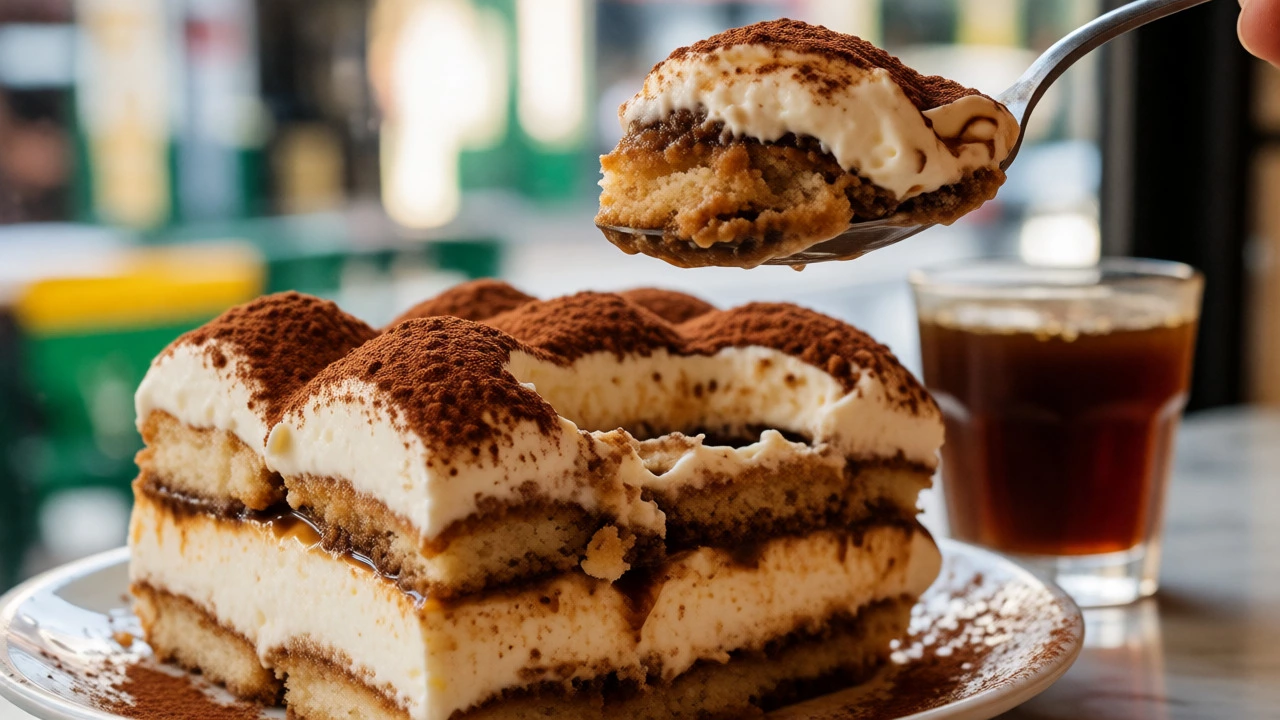
Let’s talk about the elephant in the room-or rather, the ladyfinger in the dish. Tiramisu is an Italian dessert consisting of layers of sponge cake (savoiardi) dipped in espresso and filled with a mascarpone-based cream. While its exact origins are debated-some say Venice, others Treviso-it landed in Brazil with explosive popularity. Why did Brazilians fall so hard for it? Partly because it fits the local palate perfectly. Brazilians love sweet, creamy textures. Think of brigadeiros or pudim. Tiramisu offers that same comfort but with a sophisticated twist: the bitterness of coffee balancing the sweetness of sugar. In Italy, tiramisu is often reserved for special occasions or high-end restaurants. In Brazil, it’s everywhere. You can buy a slice at a bakery for five reais or order a premium version in a Michelin-starred spot. This democratization of a luxury dessert is a classic example of how immigrant foods adapt to their new home. Brazilians took the recipe, tweaked it (sometimes adding rum or liqueur), and made it their own daily treat.
Beyond Dessert: The Savory Legacy
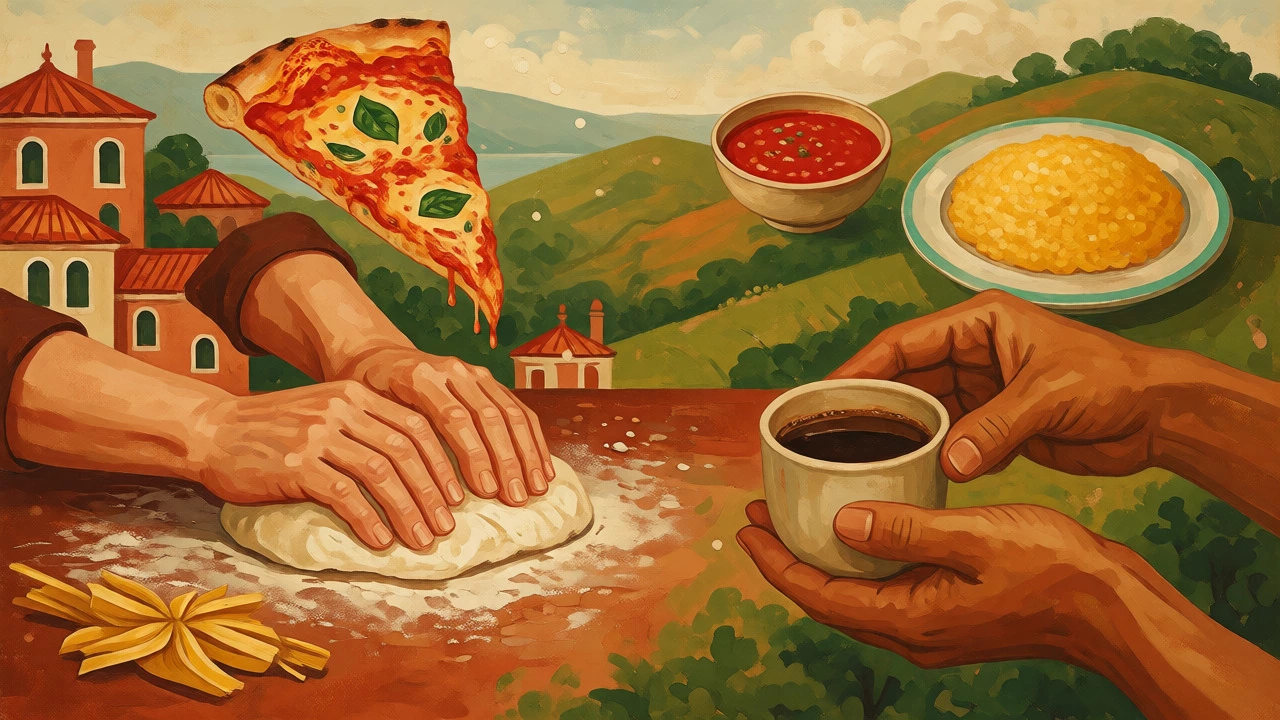
If you think the Italian influence stops at sweets, you’re missing half the picture. The real revolution happened in savory cooking. Before the Italians arrived, Brazilian cuisine relied heavily on African and Indigenous ingredients like cassava, corn, and palm oil. Pasta was virtually unknown. Suddenly, wheat noodles appeared in kitchens across the country. Today, you cannot separate Brazilian identity from pasta. Consider Pastel, which is a deep-fried pastry pocket usually filled with cheese, meat, or vegetables. While similar dishes exist elsewhere, the Brazilian pastel is a direct descendant of Italian fried dough traditions, adapted to street food culture. Then there’s pizza. Brazilian pizza is distinct from Neapolitan style. It has thicker crusts, more toppings, and is often eaten with a knife and fork. Chains like Pizza Hut adapted locally, but the foundation is Italian. Even simple things like tomato sauce (molho de tomate) became a staple in every Brazilian kitchen. The concept of "nonna’s" slow-cooked Sunday gravy replaced quicker stews in many households. This shift wasn’t just about taste; it changed agricultural demand too. Tomato and wheat farming expanded significantly to meet this new consumer base.
Coffee Culture: From Bean to Ritual
You might assume coffee is purely Brazilian. And while Brazil grows the beans, Italy taught the world how to drink them. Well, partly. The espresso machine, invented in Italy, transformed how Brazilians consumed their own product. Before Italian immigration, coffee was often boiled crudely. The introduction of espresso machines in cafes and homes refined the ritual. The term "cafezinho"-that tiny, strong cup offered to guests-is a blend of Brazilian hospitality and Italian brewing precision. This fusion created a unique coffee culture where quality matters, but accessibility is key. Unlike the Italian standing-bar culture, Brazilians sit down, chat, and linger over their espressos. It’s a social glue. If you visit a family home in Minas Gerais, the first thing you’ll get is a fresh cup of coffee, brewed with care. That respect for the bean’s preparation is a subtle but powerful inheritance.
Language and Social Customs
Food isn’t the only thing that crossed the ocean. Language left fingerprints everywhere. Words like "ciao," "tchau," "beleza," and "legal" have roots or heavy usage patterns influenced by Italian dialects. "Tchau" comes directly from "ciao." "Beleza" (beauty) is used as a greeting or affirmation, mirroring Italian expressive communication. Beyond words, social habits shifted. The idea of large family gatherings centered around long meals is distinctly Mediterranean. Pre-immigration Brazilian social structures were different. The Italian model of multi-generational dining, where nonnas cook for hours and everyone sits together until they’re full, became an idealized norm. This affects everything from holiday planning to weekend routines. If you’ve ever felt pressured to eat three helpings of lasagna at Christmas, thank your Italian ancestors-or the cultural osmosis that made it standard practice.
How to Spot the Influence Today
So, how do you see this legacy in action right now? Look at the supermarket shelves. Wheat flour brands dominate. Parmesan cheese (or its cheaper industrial alternatives) is a pantry staple. Look at restaurant menus. Even traditional churrascarias (steakhouses) serve polenta and risotto as sides. Look at festivals. The Festa del Vino in São Paulo draws hundreds of thousands. These aren’t niche events; they’re mainstream celebrations. The integration is so complete that many Brazilians don’t realize they’re eating Italian food. They just call it "dinner." This seamless absorption is the highest form of cultural compliment. It means the heritage didn’t stay isolated in ethnic enclaves; it merged into the national DNA.
| Dish | Original Italian Style | Brazilian Adaptation |
|---|---|---|
| Pizza | Thin crust, minimal toppings, wood-fired | Thicker crust, abundant toppings, often baked in electric ovens |
| Pasta | Al dente, served as primo piatto | Often softer, served as main course with heavy sauces |
| Tiramisu | Strictly mascarpone, no alcohol sometimes | Frequently includes rum/cachaça, sweeter cream |
| Polenta | Served as side or base | Eaten as a standalone meal, often with ragù |
Why This Matters Now
Understanding this history helps us appreciate food beyond calories. When you bite into a slice of tiramisu in Bristol, you’re tasting a story of migration, adaptation, and survival. The Italians who left poverty behind built new lives using the tools they had: their hands and their recipes. Brazil welcomed them, not always perfectly, but eventually embraced their contributions fully. This exchange enriched both nations. For travelers, knowing this adds depth to every meal. For cooks, it explains why certain combinations work. Next time you make pasta, remember: you’re participating in a century-old dialogue between continents.
Is tiramisu originally from Brazil?
No, tiramisu is originally from Italy, specifically regions like Veneto or Friuli Venezia Giulia. However, it became incredibly popular in Brazil due to Italian immigration and local adaptations.
Why is pizza different in Brazil than in Italy?
Brazilian pizza evolved to suit local tastes, featuring thicker crusts, more toppings, and often being eaten with cutlery. Italian pizza tends to be thinner, simpler, and hand-eaten.
Did Italians bring pasta to Brazil?
Yes, pasta was largely introduced and popularized in Brazil by Italian immigrants starting in the late 19th century. It is now a staple of Brazilian cuisine.
What other foods did Italy give to Brazil?
Beyond pasta and pizza, Italy contributed polenta, risotto, various cured meats like salami, and desserts like cannoli and gelato to Brazilian food culture.
How did Italian immigration affect Brazilian Portuguese?
It introduced slang terms like "tchau" (from ciao) and "beleza," and influenced sentence structure and expressive gestures common in everyday conversation.