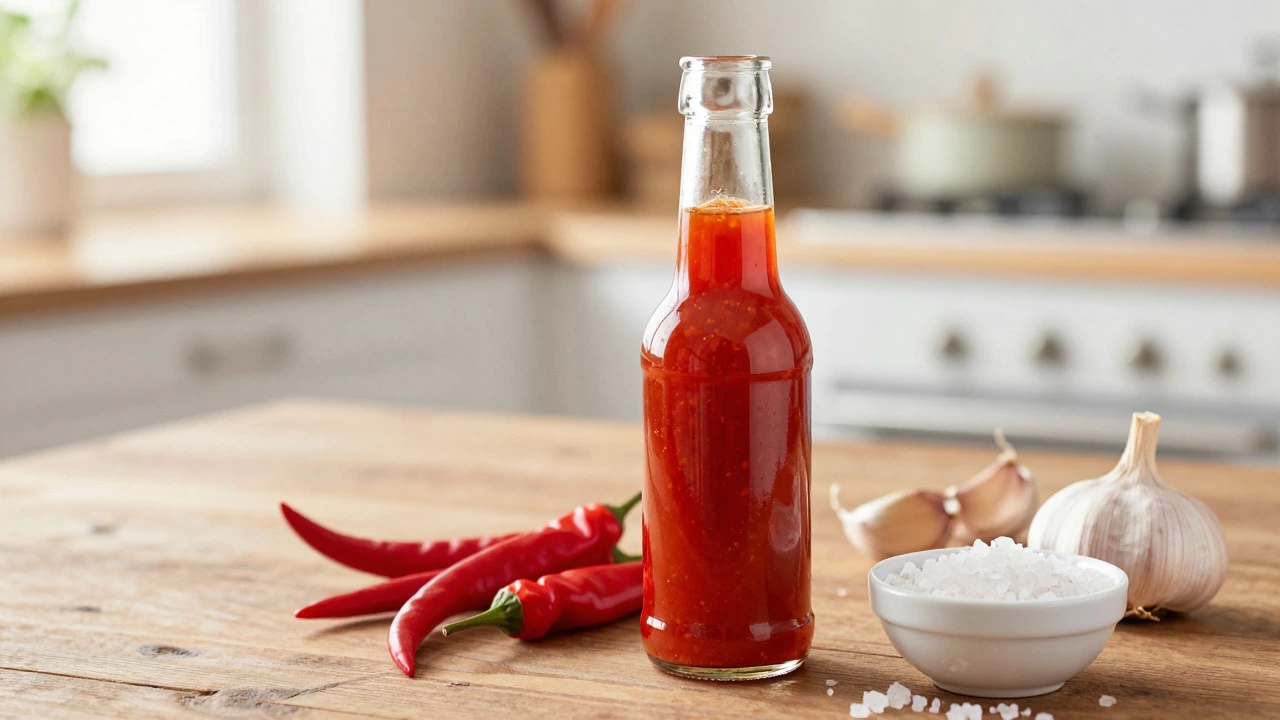
Sriracha Vegan Checker
Paste the full ingredient list from the back of your bottle below. The tool will scan for common non-vegan culprits.
None detected.
None detected.
No standard ingredients recognized.
Grabbing a bottle of Sriracha is a popular chili sauce made from roasted chilies, garlic, vinegar, sugar, and salt, often containing hidden non-vegan ingredients like fish sauce or anchovies feels like a safe move for most plant-based eaters. It’s fiery, garlicky, and versatile. But if you’re strict about your vegan diet, you might be surprised by what’s actually inside that red bottle. Is it really just vegetables and spices? Or is there something lurking in the liquid that breaks your dietary rules?
The short answer is: it depends on the brand. Not all Sriracha is created equal, and the difference between a fully plant-based condiment and one with animal products can be subtle. Understanding this distinction saves you from accidental slips and helps you build a pantry that aligns perfectly with your values.
The Core Ingredients of Traditional Sriracha
To figure out if a sauce is vegan, you have to look at its base components. Classic Sriracha, originally from Vietnam, relies on five main pillars: chili peppers, garlic, distilled vinegar, sugar, and salt. On paper, these sound perfectly vegan. Chilies are fruits, garlic is a bulb, vinegar is fermented grain, and salt is mineral. So where does the confusion start?
The trouble usually lies in two areas: the sweetener and the flavor enhancer. While the chilies and garlic are straightforward, manufacturers sometimes add extra elements to boost umami depth or adjust sweetness. This is where animal-derived ingredients sneak in. If you only glance at the front of the bottle, you see "Chili Sauce." But the back label tells the real story.
Fish Sauce: The Silent Culprit
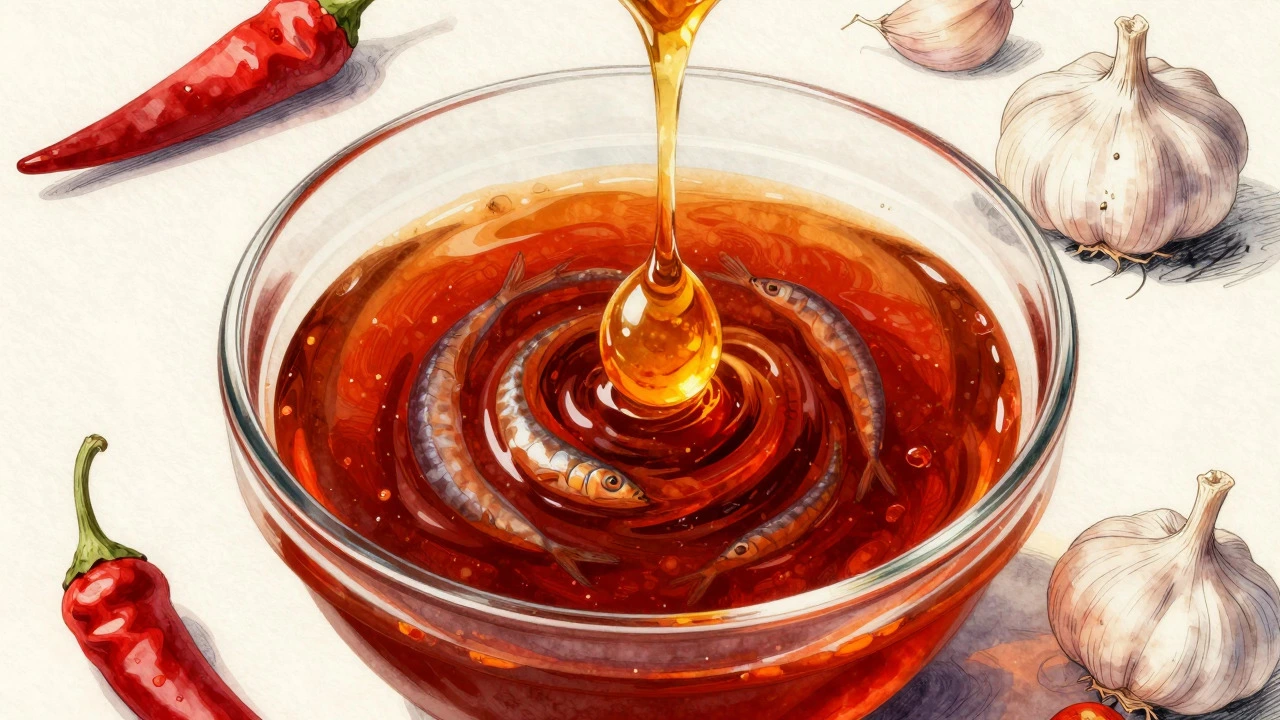
The most common non-vegan ingredient found in many commercial Sriracha brands is Fish Sauce is a pungent liquid condiment produced by fermenting fish, typically anchovies, with coarse salt. It provides a deep, savory note that mimics the complexity of meat broths. For vegans, this is a dealbreaker because it involves the slaughter and fermentation of fish.
Why do manufacturers use it? It’s cheaper and more effective than trying to replicate that specific salty-fermented taste using only mushrooms or soybeans. Many mass-produced sauces use fish sauce as a secret weapon to make the product taste "rounder" and more addictive. If you see "hydrolyzed vegetable protein" on the label, that’s usually fine, but if you see "fish extract" or "anchovy powder," put it back on the shelf.
Honey and Other Sweeteners
Another potential pitfall is the type of sugar used. While white cane sugar is generally considered vegan (despite bone char filtration debates, which are separate), honey is definitely not. Some artisanal or "gourmet" versions of Sriracha swap standard sugar for honey to create a smoother, less sharp heat profile.
Even if the main recipe uses cane sugar, check for "natural flavors." In some regions, natural flavors can be derived from animal sources. However, in the context of chili sauces, the primary concern remains fish-based additives rather than obscure flavorings.
Brand-to-Brand Variations
Here is where it gets tricky. There is no single global standard for what constitutes "Sriracha." It is a style of sauce, not a protected trademark in every country. This means Brand A might be 100% plant-based, while Brand B, sold right next to it, contains anchovies.
| Brand Type | Typical Non-Vegan Ingredients | Vegan Status |
|---|---|---|
| Mass-Market Standard | Fish Sauce, Anchovy Extract | Often Not Vegan |
| Specialty/Vietnamese Import | None (usually) | Usually Vegan |
| Gourmet/Artisanal | Honey, Oyster Extract | Varies Widely |
Generally, older, established brands that originated in Southeast Asia tend to stick closer to the traditional recipe without fish additives. Newer, Western-market adaptations are more likely to experiment with umami boosters like fish sauce to appeal to palates accustomed to heavy seasoning.
How to Verify Your Bottle
You don’t need to be a chemist to check if your sauce is vegan. Here is a quick checklist you can use in the grocery store:
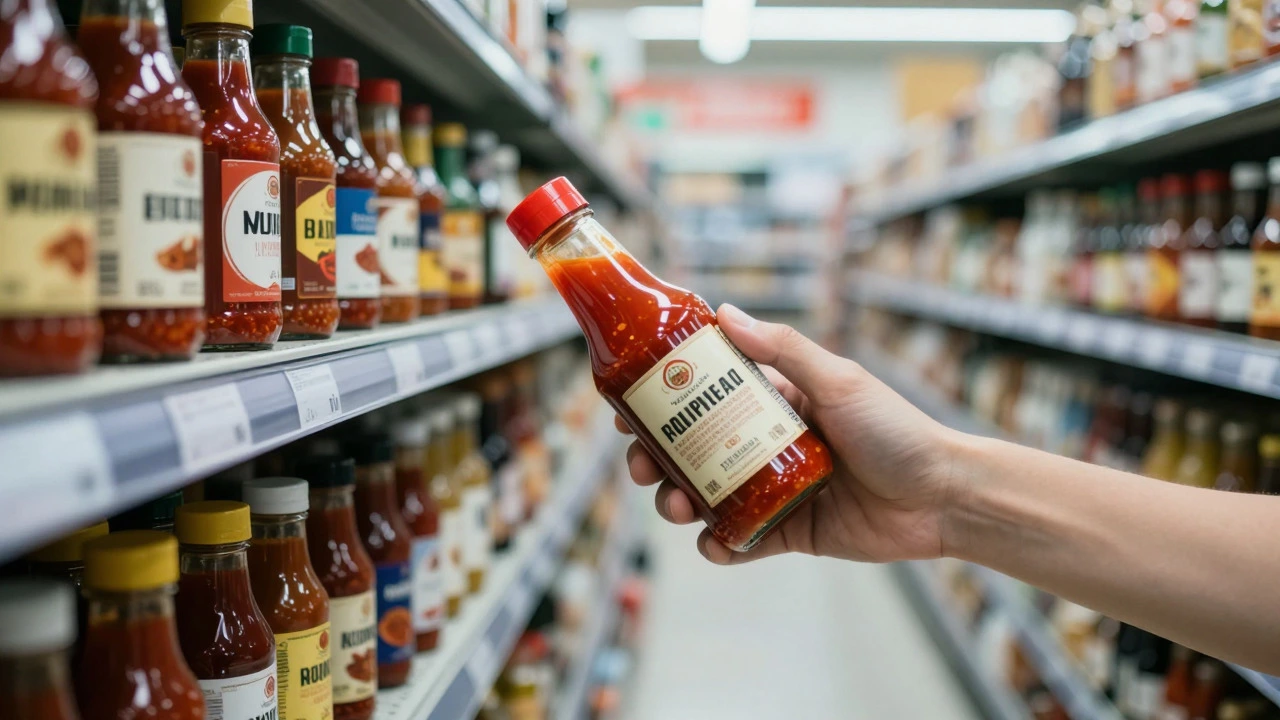
- Read the Full Ingredient List: Don’t stop at the first three items. Look for "fish sauce," "anchovy," "oyster," or "shellfish."
- Check for Certifications: Look for a "Vegan" logo or certification mark on the front or back label. This is the fastest way to confirm compliance.
- Look for Allergen Warnings: If the label says "Contains Fish" or "May Contain Shellfish," it is not vegan.
- Check the Sweetener: Ensure it says "Cane Sugar" or "Sugar" rather than "Honey" or "Maple Syrup" (if you avoid maple for other reasons, though maple is technically vegan).
If the label is ambiguous, check the manufacturer’s website. Most reputable food companies list their full ingredient breakdown online, including sub-ingredients for "natural flavors."
Best Vegan Alternatives and Substitutes
If your favorite brand turns out to contain fish sauce, you have plenty of options. The good news is that true vegan Sriracha tastes almost identical to the non-vegan version. The fish sauce adds nuance, but it is rarely detectable if you are mixing the sauce into other dishes.
- House-Made Sriracha: Blending fresh red chilies, garlic, vinegar, and sugar creates a clean, pure heat without any additives. It keeps well in the fridge for months.
- Miso-Based Sauces: Mixing white miso paste with chili oil and lime juice creates a similar umami punch that satisfies the craving for depth.
- Tamari Chili Sauce: Using tamari (soy sauce) instead of fish sauce provides the saltiness and fermentation notes without animal products.
Many specialty stores now stock dedicated "Vegan Sriracha" lines. These are formulated specifically to mimic the texture and heat of traditional versions while ensuring zero animal derivatives.
Common Myths About Vegan Hot Sauces
A lot of people assume that if a sauce looks red and smells spicy, it must be simple. That’s a dangerous assumption. Another myth is that "vegetarian" means "vegan." Vegetarian sauces can still contain honey, egg whites (as stabilizers), or dairy. Always distinguish between the two labels.
Some also believe that imported sauces are automatically safer. While many Asian imports are naturally vegan due to tradition, modern supply chains mean that even imported brands may reformulate for export markets, adding preservatives or flavor enhancers that aren't strictly necessary in the home market. Always verify the specific batch or region-specific label.
Final Thoughts on Label Reading
Being vegan isn’t about being paranoid; it’s about being informed. Sriracha is a staple in many kitchens, and knowing whether yours is compliant takes less than ten seconds. By mastering the art of reading labels, you ensure that your meals stay aligned with your lifestyle without sacrificing flavor. Next time you reach for that bottle, take a moment to scan the back. Your future self will thank you for avoiding that unexpected fish sauce surprise.
Is all Sriracha vegan?
No, not all Sriracha is vegan. Many mass-produced brands include fish sauce or anchovy extract to enhance flavor, which makes them unsuitable for vegans. Always check the ingredient list for these additives.
What is the main non-vegan ingredient in Sriracha?
The most common non-vegan ingredient is fish sauce, particularly made from anchovies. Some gourmet versions may also use honey as a sweetener instead of cane sugar.
Can I make my own vegan Sriracha?
Yes, making homemade Sriracha is easy. Blend roasted red chilies, garlic, vinegar, salt, and cane sugar. This ensures complete control over ingredients and guarantees a 100% vegan result.
Does Sriracha contain gluten?
Most Sriracha brands are gluten-free, as they rely on rice vinegar and cornstarch for thickening. However, always check the label if you have celiac disease, as cross-contamination can occur in facilities that process wheat.
Is fish sauce the same as oyster sauce?
No, they are different. Fish sauce is made from fermented fish and salt, while oyster sauce is made from reduced oysters, sugar, and starch. Both are non-vegan, but they provide different flavor profiles.