Vegan Ingredient Checker & Substitute Finder
How to use: Select an ingredient you found on a food label to see if it's vegan and discover the best plant-based alternative.
Common Label Ingredients
Select an ingredient from the list to analyze its vegan status.
Ingredient Name
Non-VeganDescription goes here.
Substitute goes here.
Use case details.
You've probably seen the debate online: some say being vegan is a simple choice for the planet, while others argue it's practically impossible to avoid every single animal-derived molecule. If you're trying to decide if you can actually hit that 100% mark, you've likely realized that the deeper you dig, the more hidden ingredients pop up in the most unexpected places. The truth is, while achieving a state of absolute zero animal contact is a steep climb, living a life that aligns with vegan values is entirely doable for most people.
Quick Reality Check
- Most people define "100% vegan" as avoiding all intentional purchases of animal products.
- Hidden additives like casein or carmine can sneak into processed foods.
- Accidental consumption doesn't necessarily "fail" a vegan lifestyle.
- Modern food tech has made vegan desserts and alternatives more accessible than ever.
The Definition Dilemma: What Does 100% Actually Mean?
Before we get into the weeds, we have to talk about the goalposts. If you define being vegan as never consuming a single atom of an animal-derived substance, you're fighting a losing battle. For example, Casein is a protein found in milk that often ends up in "non-dairy" creamers or processed cheeses. Even the air we breathe contains microscopic organic matter.
Most people in the community follow the definition provided by The Vegan Society, which describes veganism as a way of living which seeks to exclude-as far as is possible and practicable-all forms of exploitation of, and cruelty to, animals. The key phrase here is "as far as is possible and practicable." This gives you room to breathe. If you eat a piece of cake and find out later it had a tiny bit of honey or an egg white powder you couldn't see, you haven't suddenly ceased to be vegan.
The Hidden Culprits in Your Pantry
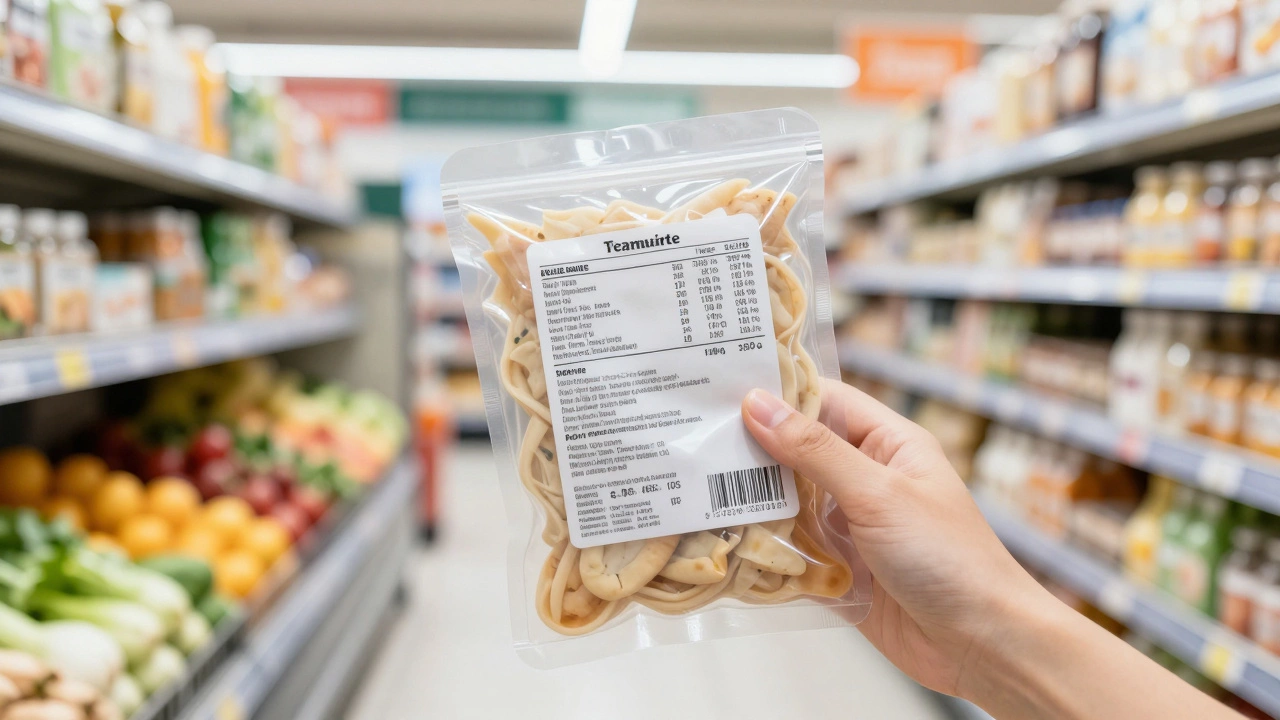
The hardest part of staying 100% vegan isn't the big stuff like steaks or leather boots; it's the invisible additives. You might look at a label and see "natural flavors" and think you're safe, but those can sometimes be derived from beaver glands (castoreum) or dairy. Then there's Carmine, a red pigment made from crushed cochineal insects, which is commonly used in candies and some yogurts.
Another sneaky one is Lactose, a sugar found in milk that is often used as a filler in pharmaceutical pills or as a processing aid in some vegan-looking snacks. If you're aiming for total purity, you'll find yourself spending a lot of time reading fine print. Does that mean it's impossible? Not exactly. It just means you have to shift from trusting "marketing claims" to trusting "ingredient lists."
Cracking the Code of Vegan Desserts
For many, the real struggle happens in the kitchen. We've all tried that one "vegan" cake that tasted like cardboard or had the texture of a wet sponge. The problem is that eggs and butter do a lot of heavy lifting in baking. Eggs provide structure and lift; butter provides richness and flavor. To get a 100% vegan dessert that actually tastes like a treat, you can't just remove the animal products; you have to replace their chemistry.
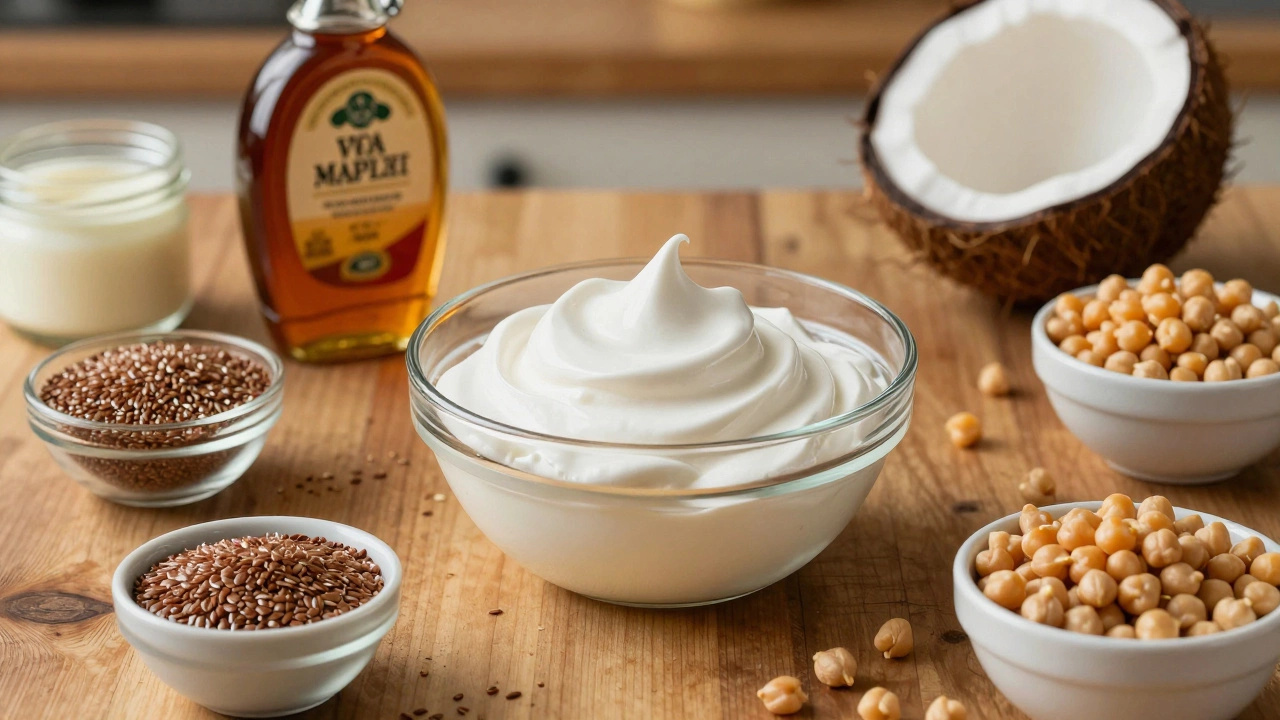
For example, using a "flax egg" (ground flaxseeds mixed with water) works great for dense brownies, but if you're making a light sponge cake, you'll need an Aquafaba, the viscous liquid from canned chickpeas, which mimics the protein structure of egg whites. When whipped, it creates the stable peaks needed for macarons or meringues.
| Animal Product | Vegan Alternative | Best Use Case | Key Attribute |
|---|---|---|---|
| Butter | Coconut Oil / Vegan Butter | Cakes, Cookies | Saturated fat for richness |
| Egg (Binding) | Chia/Flax Seed Meal | Muffins, Brownies | Mucilage for sticking |
| Egg (Lift) | Apple Cider Vinegar + Baking Soda | Pancakes, Quick Breads | Chemical reaction (CO2) |
| Honey | Maple Syrup / Agave | Glazes, Sweeteners | High fructose viscosity |
| Milk | Oat Milk / Soy Milk | Puddings, Creams | Protein/fat emulsion |
The Ethical and Environmental Trade-offs
If you're chasing 100% veganism, you'll eventually hit the "processed food paradox." You might find a highly processed vegan cheese that contains no animal products, but it's packed with refined oils and artificial stabilizers. Is it "more vegan" because no cow was involved, or "less healthy" because it's a chemistry project in a plastic wrap?
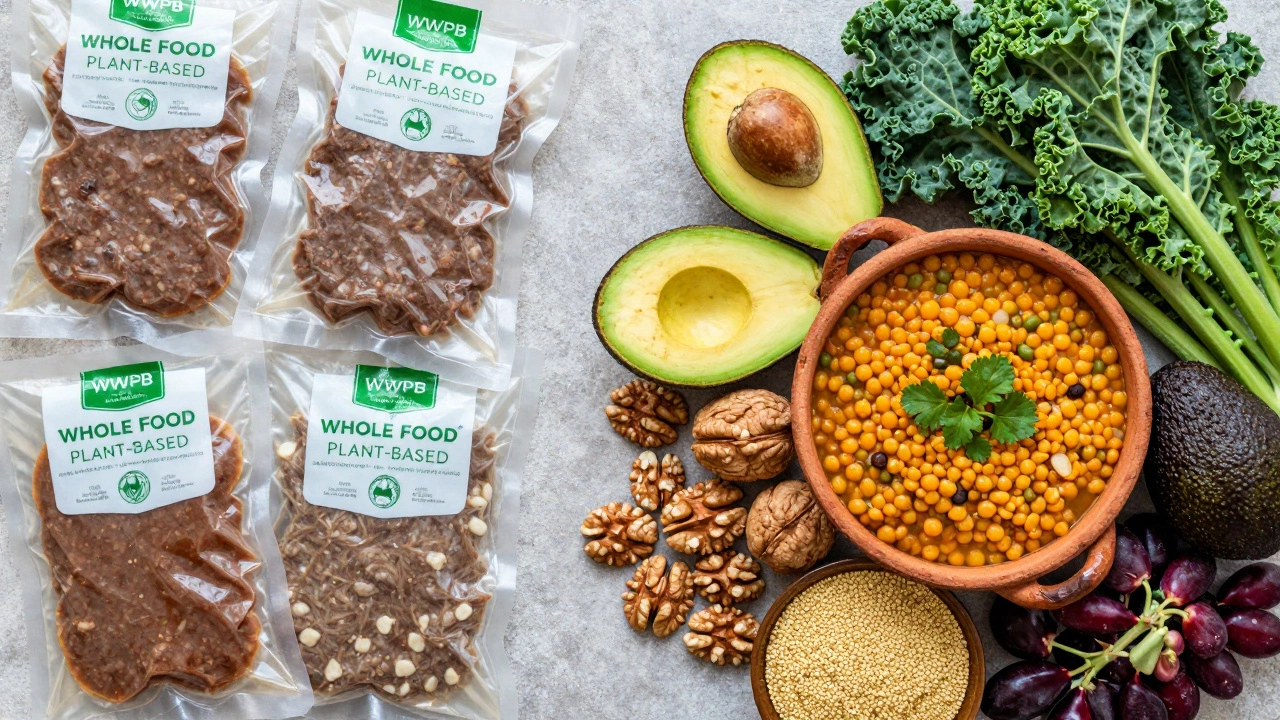
Many people find that moving toward a Whole Food Plant-Based (WFPB) diet, a dietary pattern emphasizing minimally processed plants, is a more sustainable way to reach their goal. By focusing on legumes, nuts, seeds, and vegetables, you naturally eliminate 99% of the "hidden" animal ingredients found in processed foods. It's much easier to be 100% vegan when your dinner is a lentil dahl and your dessert is a date-and-nut ball rather than trying to navigate the additive list of a store-bought snack cake.
Navigating the Social and Practical Hurdles
Being 100% vegan isn't just about what's on your plate; it's about the world around you. Have you ever tried explaining to a waiter that you can't have the "vegetable pasta" because it's tossed in butter? It can feel isolating. The trick is to move from a mindset of "restriction" to one of "discovery."
Instead of focusing on what you can't have, look for the things that are naturally vegan. Many traditional cuisines are already close. Indian food, for instance, has a massive array of vegan dishes like chana masala. In the UK, the rise of plant-based options in supermarkets means you can find everything from vegan sausages to cream cheese that actually tastes decent. The goal isn't to be perfect; it's to be consistent.
Common Pitfalls and How to Avoid Them
The biggest mistake new vegans make is the "all-or-nothing" crash. They try to change every single habit in 24 hours, realize they can't find a vegan version of their favorite childhood snack, and give up. A better approach is the "swap and upgrade" method. Start by replacing your milk, then your eggs, then your meat. Once the basics are handled, you can start hunting for those elusive hidden ingredients like Gelatin, a protein obtained by boiling animal skin and connective tissue, which is found in almost all gummy candies and many marshmallows.
Also, watch out for the "vegan junk food trap." Just because something is labeled vegan doesn't mean it's fuel for your body. Relying solely on mock meats and processed replacements can lead to nutrient gaps. Make sure you're getting enough B12, which is the one vitamin you genuinely cannot get from plants alone. A simple supplement or fortified nutritional yeast will keep your energy levels steady.
Can I still be vegan if I accidentally eat animal products?
Yes. Veganism is about intent and doing your best. If you read a label and missed an ingredient, or a restaurant made a mistake, you haven't "failed." The community generally agrees that accidental consumption doesn't remove your vegan status as long as you continue to make the ethical choice moving forward.
Is honey considered vegan?
Strictly speaking, no, because it's an animal byproduct. However, some people choose to include it in their diet (often called "beeganism"). If your goal is to be 100% vegan, you should swap honey for maple syrup, agave nectar, or date syrup.
What are the hardest animal products to replace in desserts?
Eggs are usually the toughest because they provide both binding and leavening. For binding, chia or flax seeds work well. For leavening and lightness, aquafaba or a combination of baking soda and apple cider vinegar is the way to go. Butter is easier to replace with coconut oil or high-quality vegan butter sticks.
Do I need to take supplements to be 100% vegan?
Vitamin B12 is the most critical supplement since it's not naturally found in plant foods in reliable amounts. While some foods are fortified with it, a supplement is the safest way to avoid deficiency. Depending on your diet, you might also want to look into Omega-3 (algae-based), Vitamin D, and Iodine.
How do I check if a processed food is really vegan?
Look beyond the "plant-based" label. Check for casein, whey, lactose, gelatin, carmine, and honey. If you see "natural flavors," you can try emailing the company for clarification, though they don't always disclose the source. Using apps that scan barcodes can also help speed up the process.
Next Steps for Your Vegan Journey
If you're feeling overwhelmed, start small. Pick one meal a day to make 100% plant-based. If you're a baker, spend a weekend experimenting with aquafaba to see how it changes your cake textures. Don't let the fear of being "imperfect" stop you from making a positive impact. Every single animal product you swap out is a win for the animals and the environment.
For those who want to go deeper, try a "whole food" challenge for a month. Remove the processed mock-meats and focus on legumes, grains, and fresh produce. You'll likely find that the transition to a 100% vegan lifestyle becomes much easier when you're not fighting with confusing ingredient labels and instead relying on the simplicity of nature.